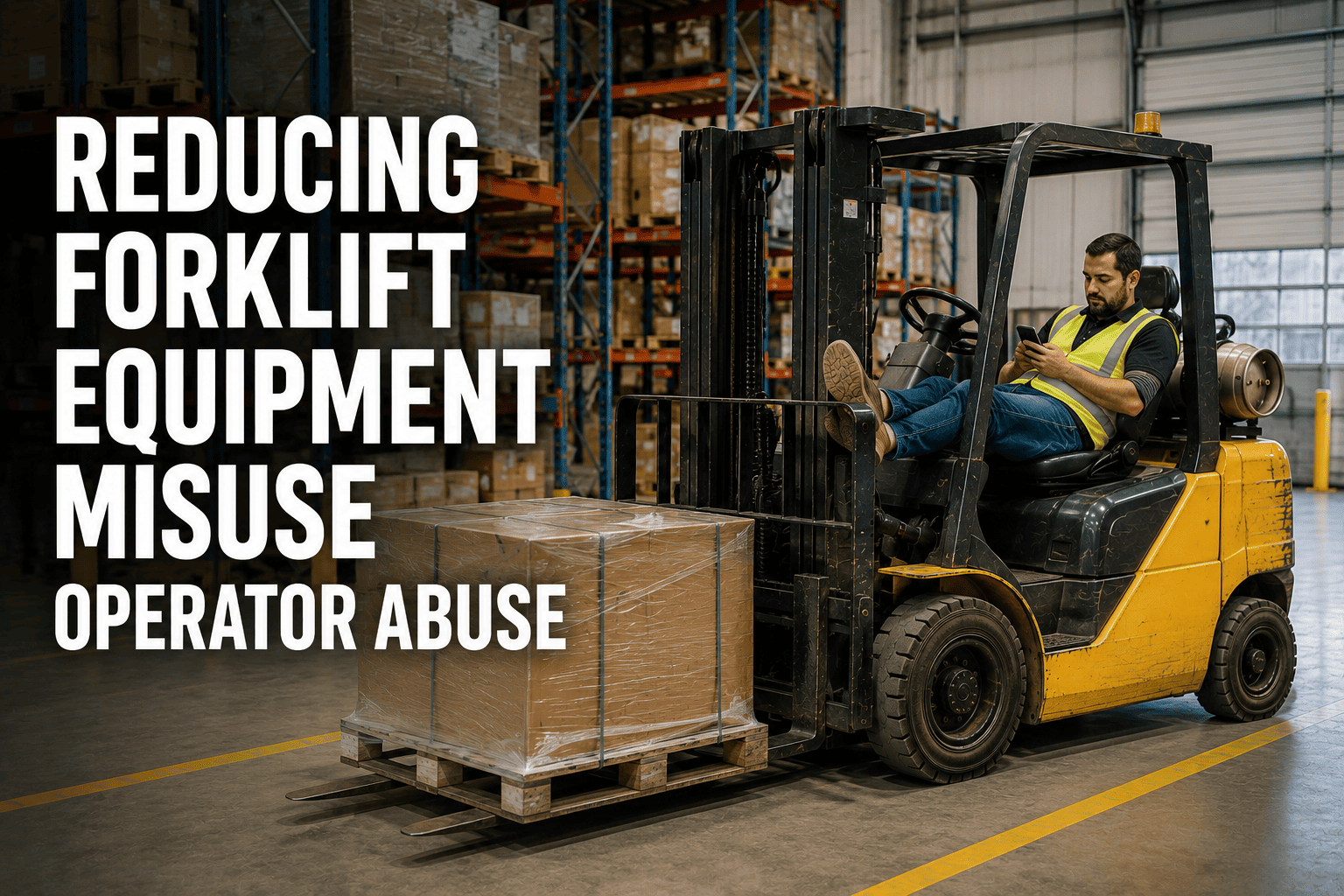
Walk any warehouse floor for an hour and you will see it: a forklift cornering too fast, forks slammed down instead of lowered, a mast raised while the truck is still rolling. None of it looks dramatic in the moment. But operator abuse is one of the quietest, most expensive problems in plant operations, and most managers only notice it once the maintenance bill or the OSHA citation lands on their desk. The good news is that misuse leaves a trail, and once you know what to look for, it is one of the most fixable costs in your entire operation.
Operator abuse — speeding, harsh braking, overloading, and unauthorized use — quietly cuts forklift lifespan by years and drives up repair, injury, and OSHA exposure. Plants that track operator behavior with real-time monitoring typically cut misuse-related incidents by 30 to 45 percent within months. FleetRabbit gives you that visibility with automated alerts and operator scorecards, so coaching replaces guesswork.
What Forklift Misuse Actually Looks Like
Most plants do not have a "reckless driver" problem. They have a hundred small habits problem, repeated across every shift, that adds up to serious wear and serious risk. Recognizing the pattern is the first step toward fixing it.
Speeding and Harsh Cornering
Racing between aisles and cutting corners tight puts stress on tires, steer axles, and the mast assembly that manufacturers never designed for. It also turns blind corners into collision points.
Overloading and Forks as Ladders
Lifting past rated capacity, using tines as an improvised platform, or dragging pallets instead of lifting them wears out hydraulics and mast chains far faster than normal duty cycles.
Unauthorized and Untrained Use
Keys left in the ignition mean anyone can hop on a forklift, trained or not. Unauthorized operation is one of the leading causes of preventable plant accidents and equipment damage.
Why This Costs More Than It Looks Like
Operator abuse rarely shows up as a single line item. It shows up as a mast that needed replacing two years early, a tire budget that keeps climbing, and an insurance renewal that gets more expensive every year. OSHA penalties add another layer: serious forklift-related violations can run into the thousands of dollars per citation, and willful or repeat violations climb far higher, on top of the injury, downtime, and reputational cost that follows an incident.
| Misuse Behavior | What It Damages | Business Impact |
|---|---|---|
| Speeding / hard cornering | Tires, steer axle, mast bushings | Higher repair frequency, collision risk |
| Overloading tines | Hydraulics, mast chains, forks | Premature part failure, tip-over risk |
| Harsh braking / impacts | Brakes, frame, racking, product | Structural damage, inventory loss |
| Skipping pre-shift checks | Every system on the truck | Undetected faults become breakdowns |
| Unauthorized operation | Truck, product, personnel | OSHA exposure, uninsured liability |
FleetRabbit logs harsh impacts, speeding events, and unauthorized logins as they happen, so supervisors coach the behavior instead of discovering the damage weeks later. Start your free trial and put real numbers behind operator behavior on your floor.
How Plants Are Cutting Down on Operator Abuse
You cannot coach what you cannot see, and you cannot see what happens across a dozen aisles on three shifts without help. The plants that make real progress on operator behavior tend to follow the same basic pattern.
Make Every Operator Accountable
RFID or PIN-based login ties every trip to a named, certified operator. Once operators know the truck knows who is driving, unauthorized use and reckless habits both drop fast.
Set Hard Limits, Not Just Rules
Posted speed limits get ignored under deadline pressure. Geofenced speed governing and automatic slow-zones near intersections and pedestrian paths enforce the limit mechanically, not just on paper.
Turn Impact Data Into Coaching Conversations
A harsh-impact sensor that alerts a supervisor within minutes turns a vague "someone's driving rough" complaint into a specific, documented conversation with the exact operator, time, and severity attached.
Reward the Behavior You Want
Operator scorecards that rank smooth, safe driving create quiet competition on the floor. Recognition costs nothing and consistently outperforms punishment-only approaches at changing habits long term.
Enforce Pre-Shift Inspections Digitally
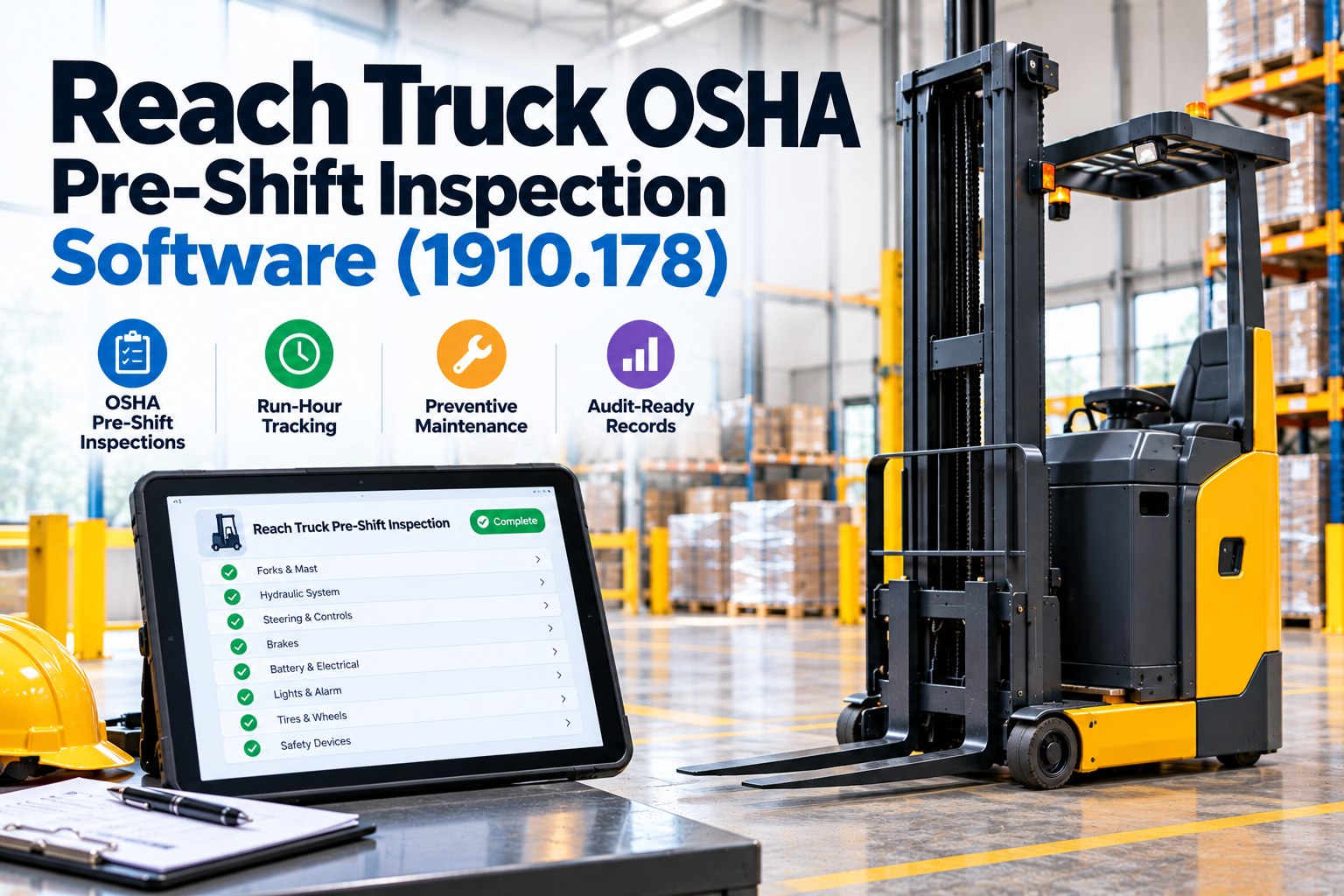
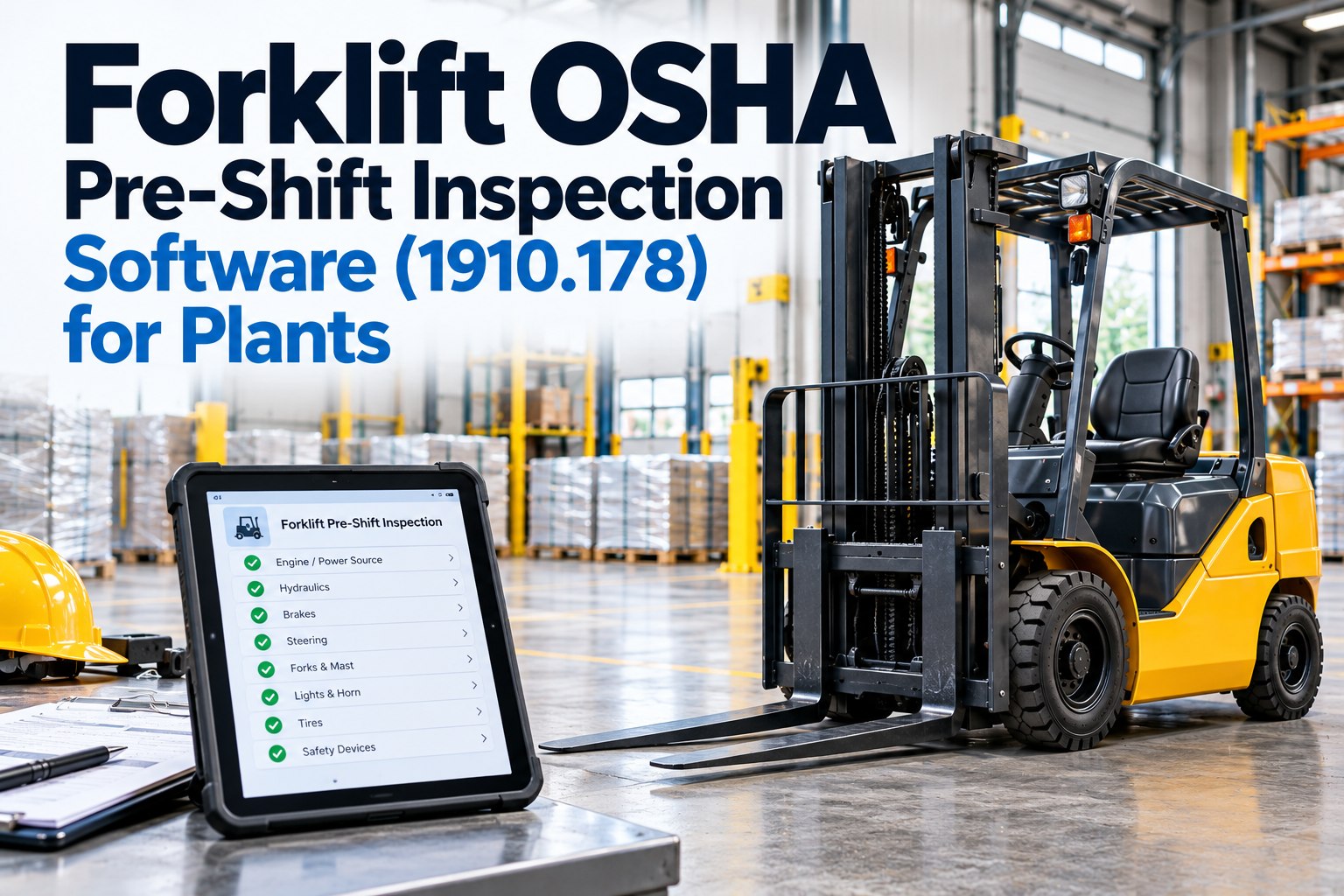
A paper checklist gets rubber-stamped. A digital pre-shift inspection that locks the truck until it is completed makes sure every fault — a leaking hose, a worn tire, a cracked fork — gets caught before the shift starts, not after something breaks.
Review Trends Monthly, Not Just After Incidents
Waiting for an accident to review operator behavior means you are always reacting. Monthly trend reviews of speeding, impacts, and idle time flag the operators and shifts that need attention before an incident happens.
What Changes When You Add Real-Time Monitoring
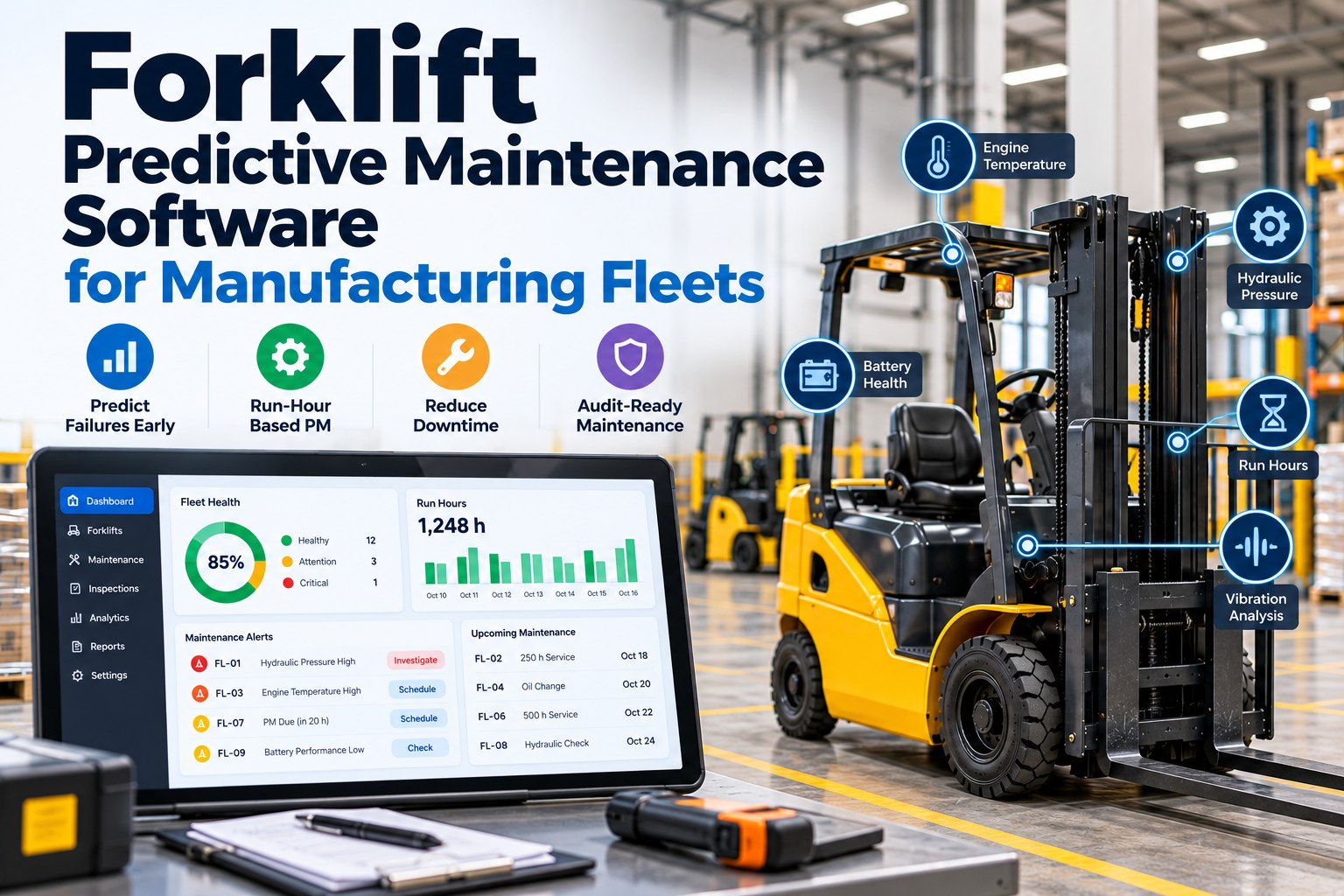
Telematics does not replace training, it makes training possible to target. Instead of a blanket refresher for every operator, plant managers can see exactly who needs coaching, on exactly what behavior, backed by data instead of hallway rumors. FleetRabbit's platform pulls impact sensors, speed data, and login records into one dashboard, so a supervisor walking the floor already knows which truck and which shift to check on before they even get there. Teams that book a demo usually start by reviewing their own current impact and speeding data live, which is often the moment the scale of the problem becomes clear.
Every unmonitored shift is another chance for a habit to turn into a repair bill, an injury, or an OSHA citation. FleetRabbit gives your plant real visibility into operator behavior, impact events, and unauthorized use, so you can coach the problem before it becomes expensive.