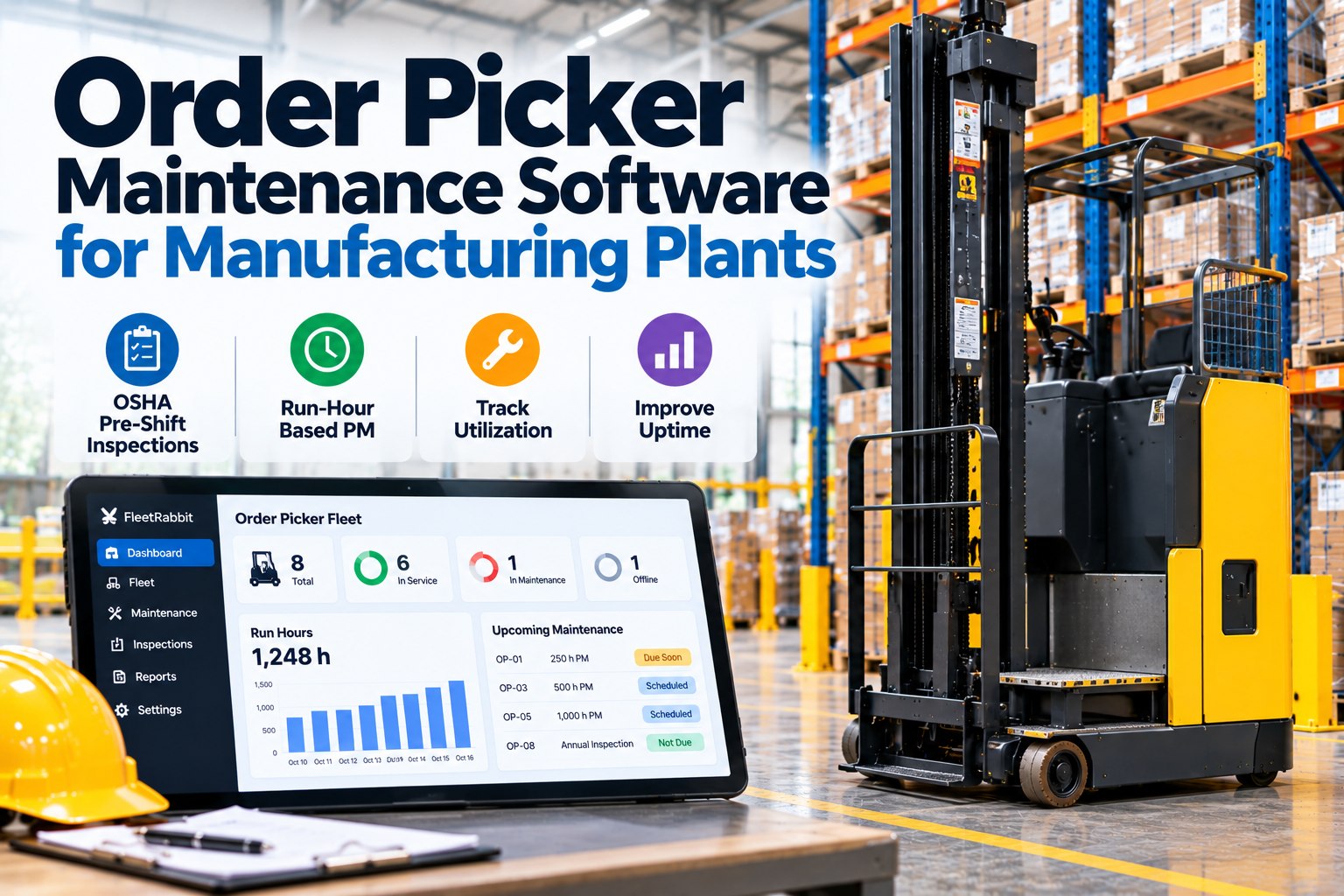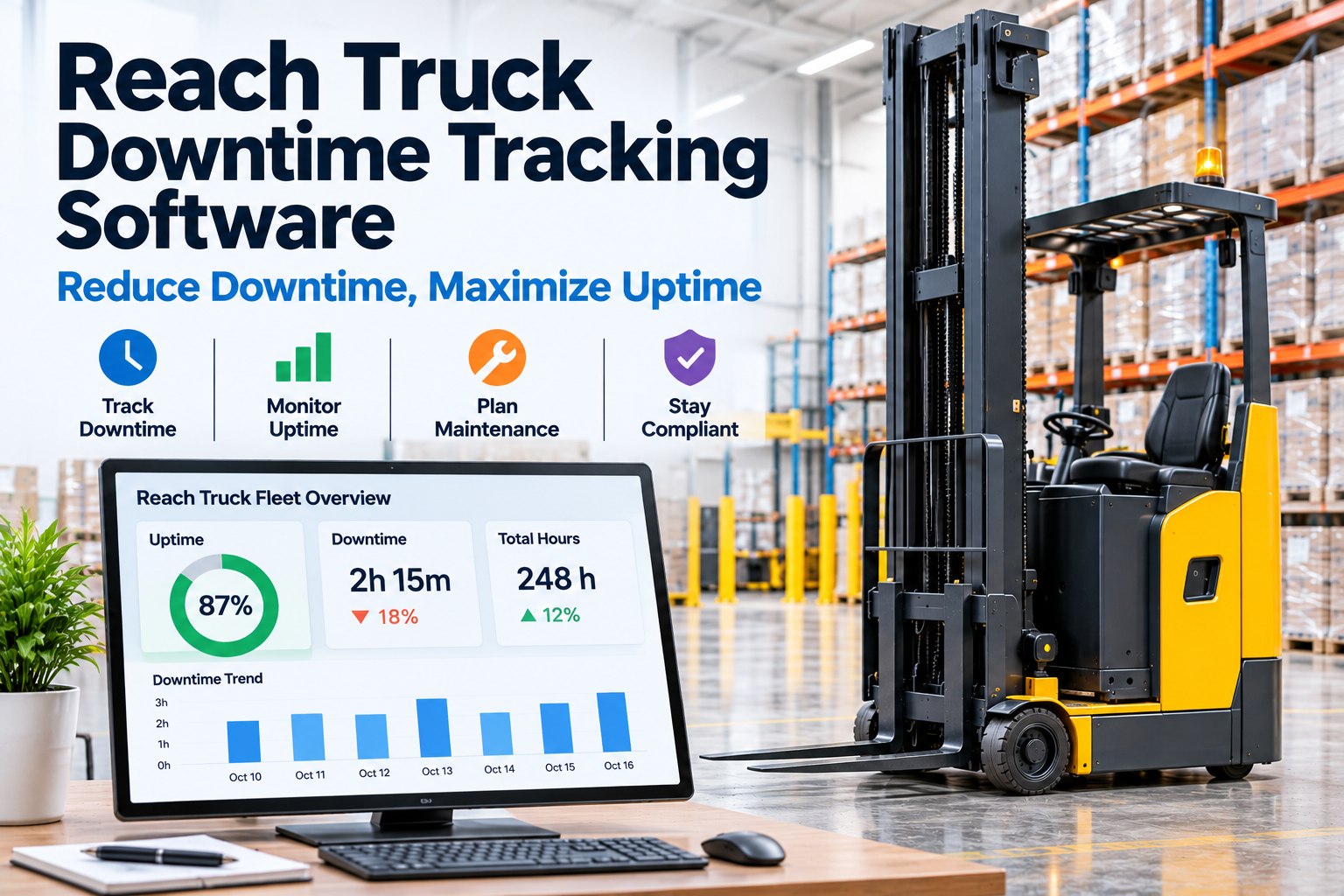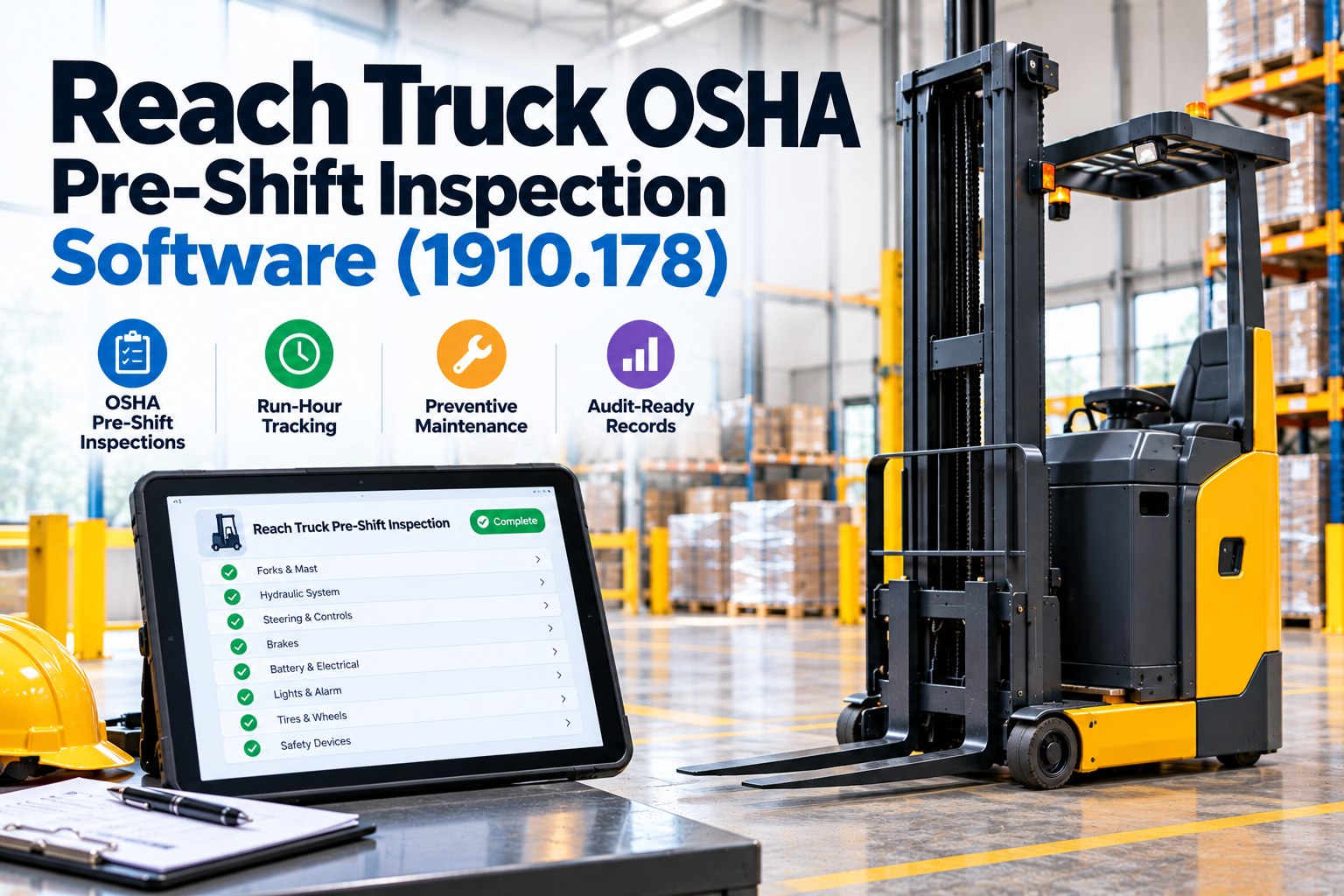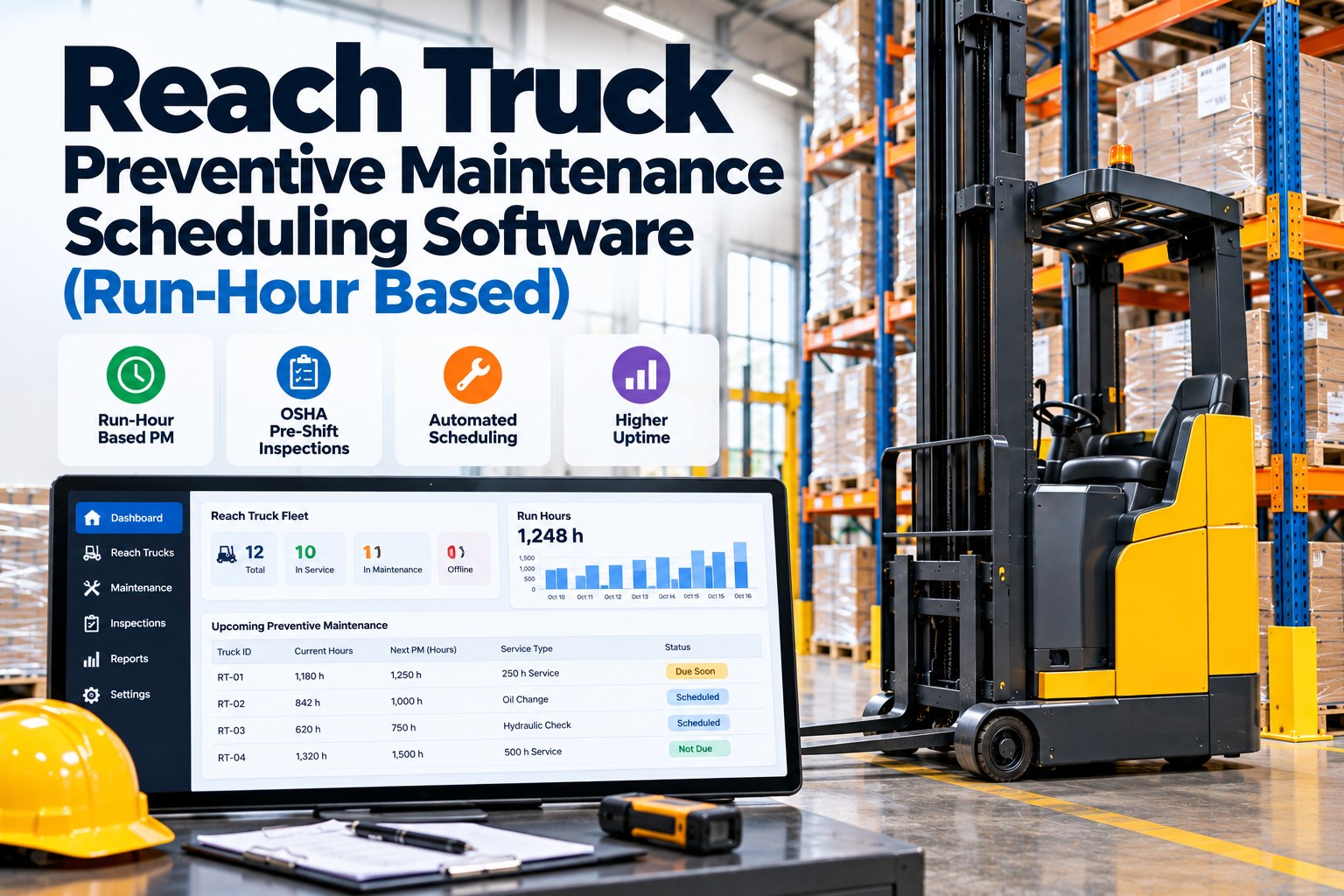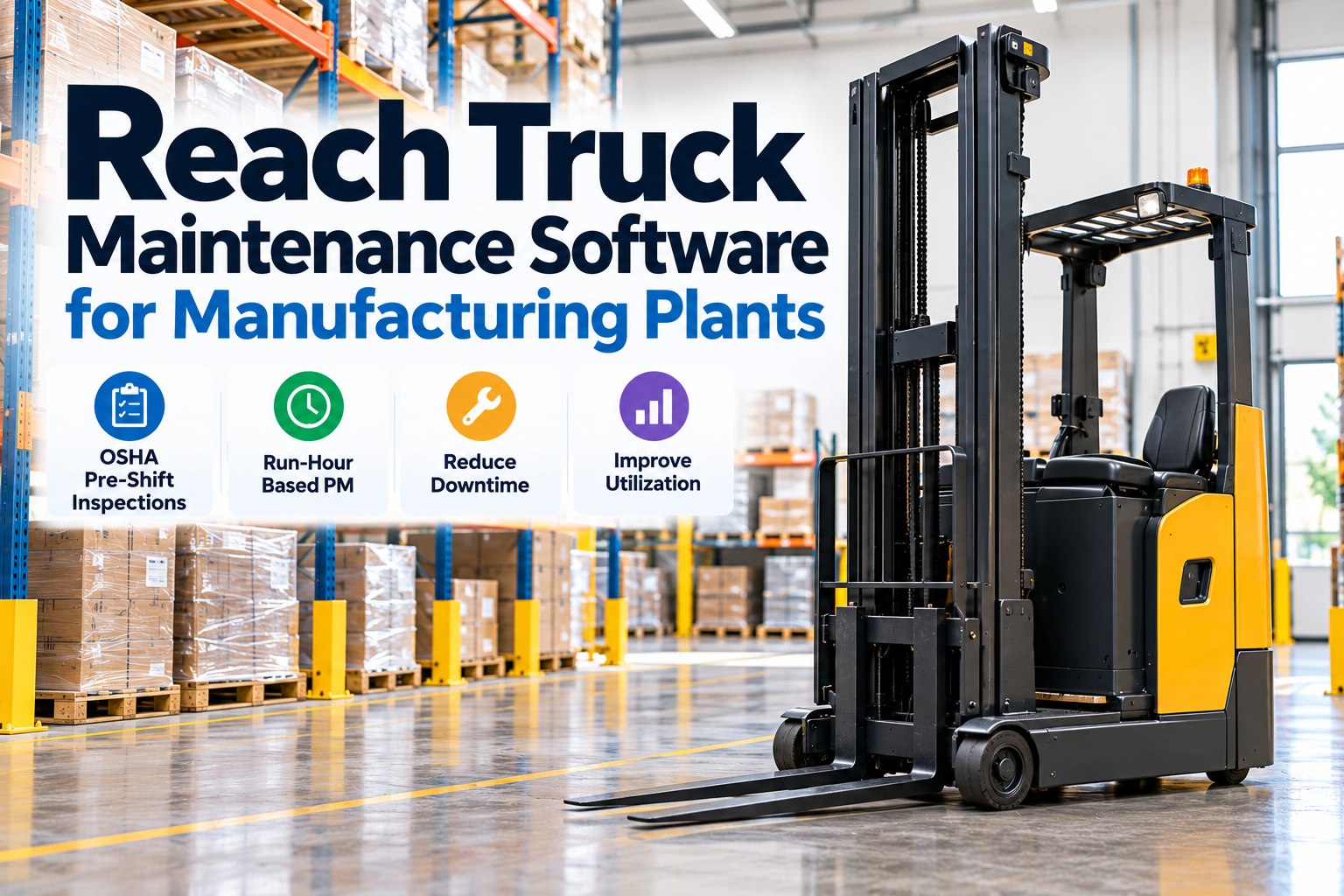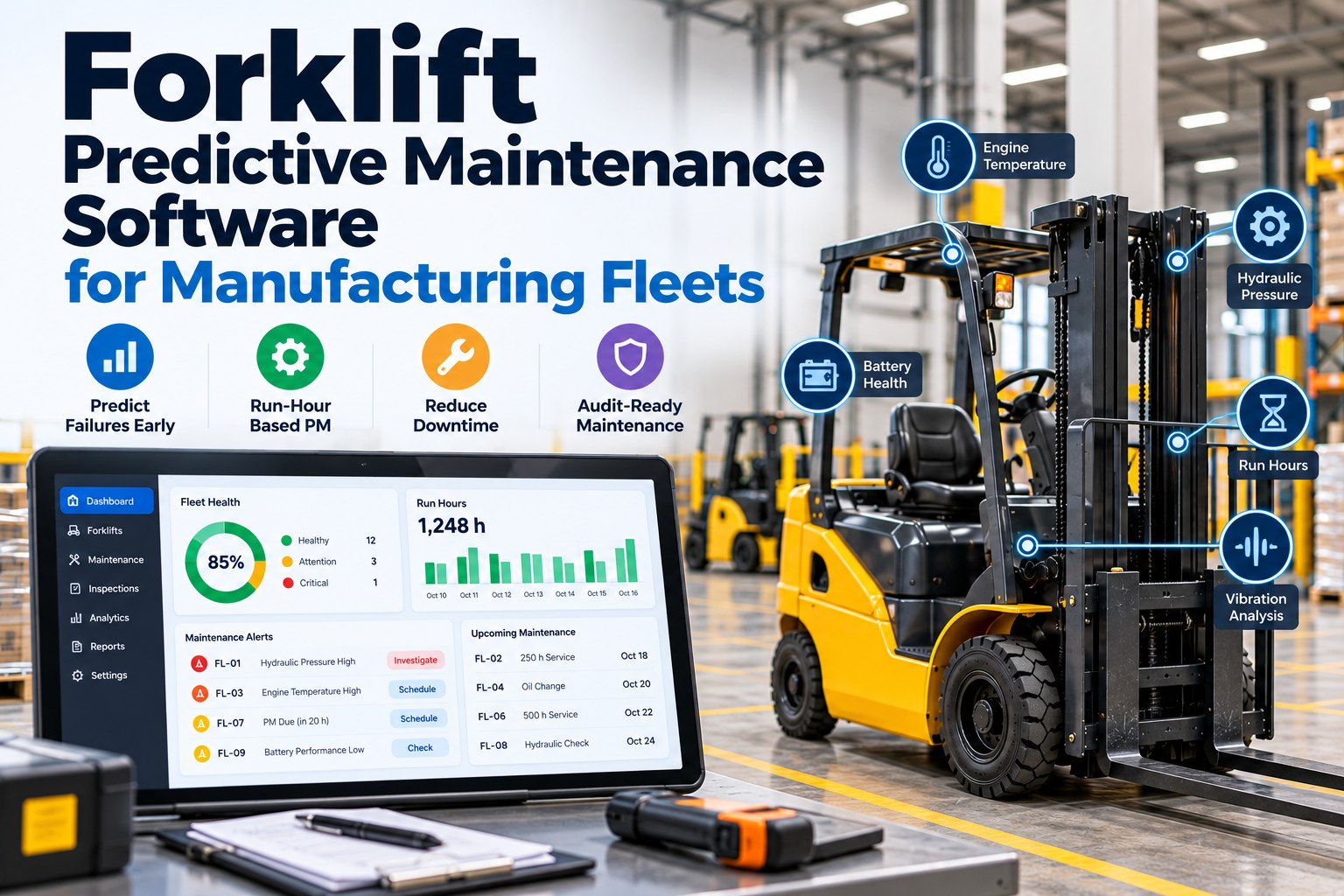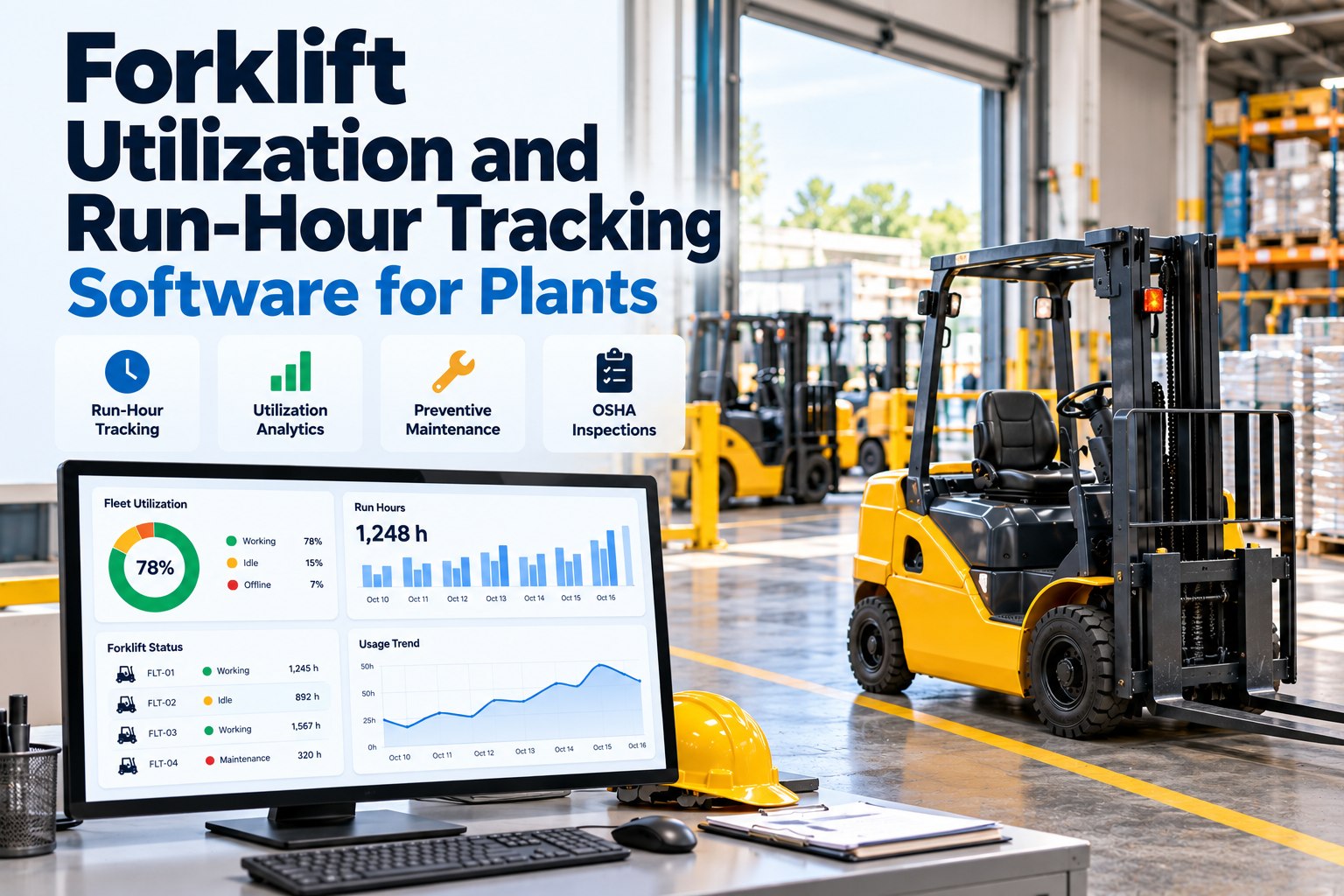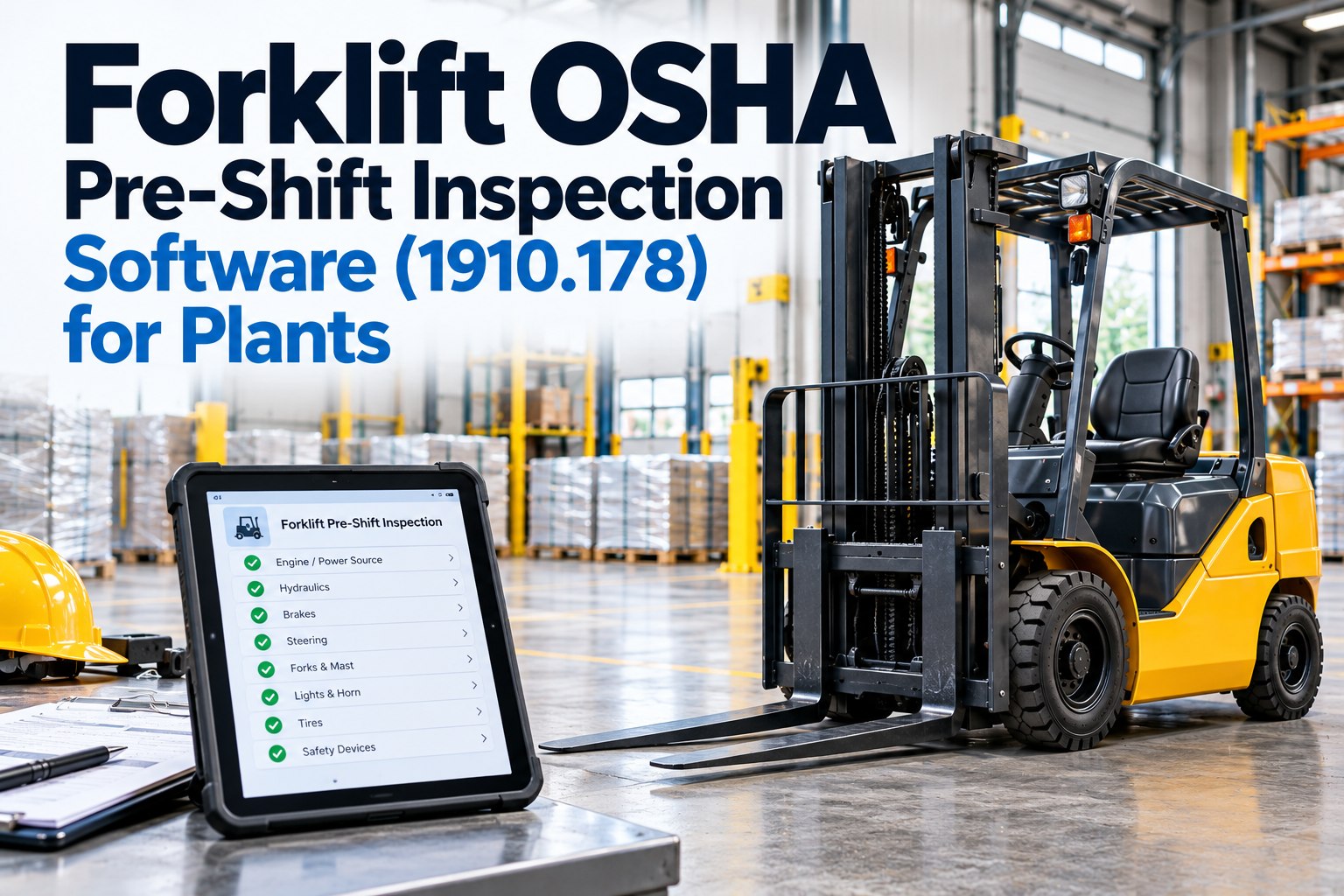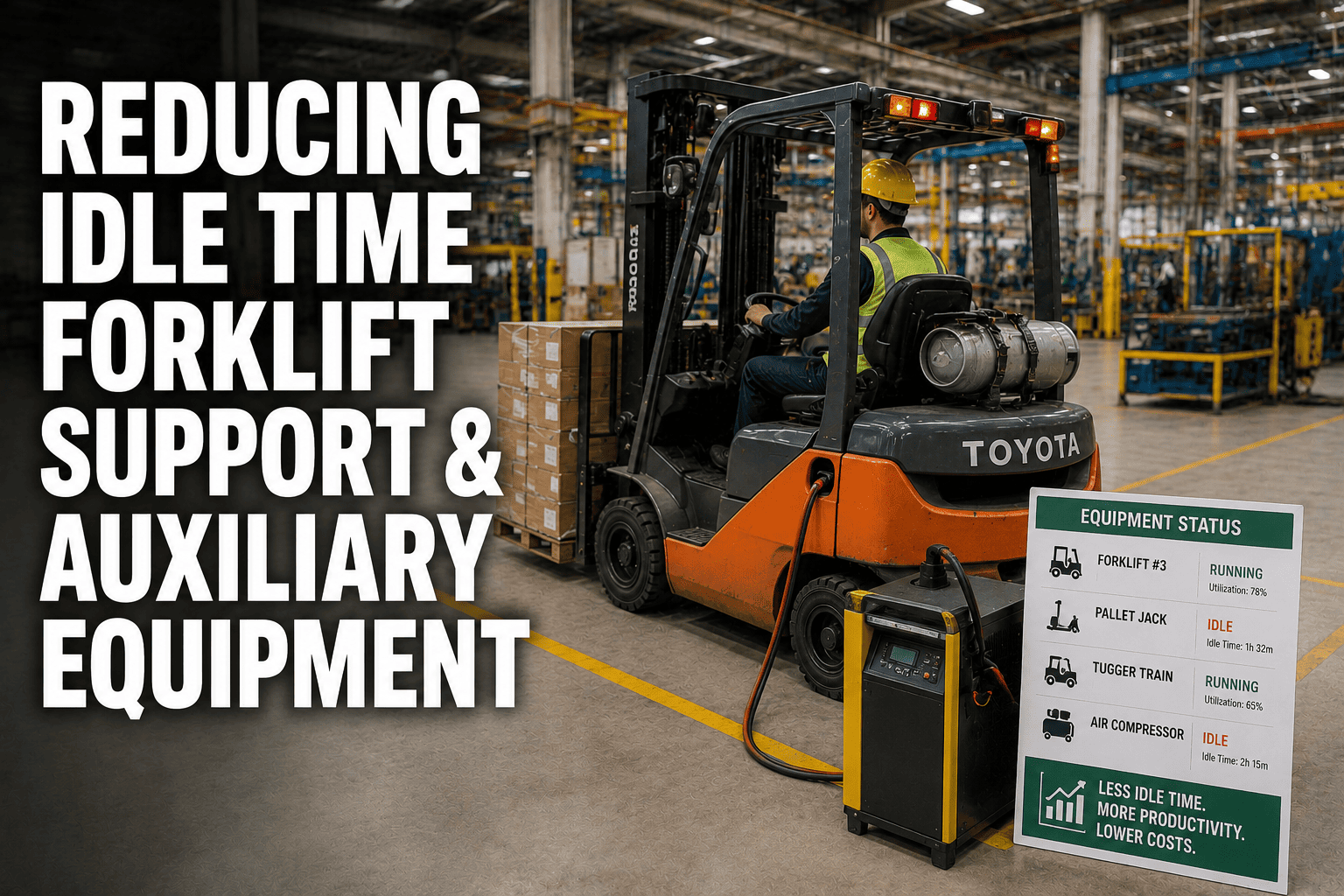
In a manufacturing plant, large forklifts get all the attention, while support pallet jacks and auxiliary equipment idle unnoticed. This hidden idle time burns battery cycles, wastes fuel, and destroys equipment ROI. Reducing idle time across support equipment is critical for plant efficiency. FleetRabbit surfaces support-asset idle so plants cut waste across the whole fleet. You can sign up for FleetRabbit to modernize your plant, or book a demo to see our platform.
Auxiliary equipment like pallet jacks and order pickers idle 40 to 60 percent of the time. This unseen waste burns battery cycles and degrades assets, costing plants thousands in premature replacements. Tracking support-asset idle time with telematics reduces energy waste by 20 percent and drastically extends battery lifespans.
The True Cost of Hidden Idle Time
The true cost of hidden idle time extends far beyond the electricity used to charge a battery. When a manufacturing plant ignores auxiliary equipment idle time, the financial damage ripples across the entire operation. The immediate loss of battery life is obvious, but secondary costs often exceed the primary impact. A pallet jack left running in an aisle is not charging, meaning it will die mid-shift. This forces a battery swap, which takes 15 minutes of operator time and stalls the production line. Furthermore, chronic idle degrades the battery, forcing a 2,000 dollar replacement years before it is due.
Why Support Equipment Gets Ignored
Support equipment gets ignored because of its perceived low value. A plant manager meticulously tracks the engine hours of a 60,000 dollar reach truck, but completely ignores the 8,000 dollar electric pallet jacks. Because the jacks are relatively cheap, management assumes their maintenance does not matter. However, when 10 pallet jacks are left idling and burning through batteries, the combined cost is massive. This blind spot ensures that auxiliary equipment is always under-managed, leading to chronic failures that stall the exact operations they are meant to support.
The Danger of Unplugged Assets
The danger of unplugged assets is that they create a false sense of capacity. A supervisor sees 10 pallet jacks on the floor and assumes they are ready for work. In reality, 6 of them have been idling for 3 hours and their batteries are at 20 percent. When the morning shift hits, 6 trucks will die within an hour, and the plant will stall. Without a system that tracks battery health and idle status, the plant is blind to the true capacity of its support fleet. To fix this, you can sign up for FleetRabbit to modernize your plant, or book a demo to see our platform.
FleetRabbit tracks idle time and battery health across your entire auxiliary fleet. Stop burning through batteries and start holding operators accountable for turning off their equipment. Start your free trial today to cut waste.
Strategies to Reduce Auxiliary Idle Time
Reducing auxiliary idle time requires a fundamental shift from ignoring small assets to tracking them digitally. The first strategy is tracking the invisible fleet. A system must monitor pallet jacks with the same rigor as large forklifts. The second strategy is geofencing small assets, ensuring they do not leave their designated zones. The third strategy is battery health and idle alerts, notifying managers the moment a truck is left running. By executing these strategies, plants eliminate the hidden waste that destroys support equipment.
| Equipment Type | Idle Behavior | Financial Impact | FleetRabbit Solution |
|---|---|---|---|
| Electric Pallet Jack | Left keyed on in aisles | Battery burnout and mid-shift swaps | Idle alerts and battery health tracking |
| Order Picker | Running while operator does floor work | Motor wear and dead batteries | Automatic shutdown triggers |
| Gas Pallet Jack | Idling to "warm up" | Wasted fuel and emissions | Idle time tracking and operator coaching |
| Sweeper / Scrubber | Left on during breaks | Burning brush cycles and battery | Geofenced break zone alerts |
| Tow Tractor | Idling while hitching loads | Drivetrain wear and fuel waste | Event-triggered idle reports |
Tracking the Invisible Fleet
Tracking the invisible fleet is the most critical step in eliminating auxiliary waste. A failure history database connects every work order and battery charge to a specific pallet jack. FleetRabbit's system uses low-cost BLE tags or integrated telematics to monitor these small assets. When a pallet jack sits in an aisle keyed on for 20 minutes, the system logs the event. This connection ensures the plant manager has the exact data needed to hold operators accountable for turning off their equipment.
Geofencing Small Assets
Geofencing small assets means drawing virtual boundaries around the zones where they are supposed to operate. A pallet jack belongs in the shipping aisle, not the receiving dock. If a jack is left idling outside its geofence, FleetRabbit instantly alerts the supervisor. This ensures that support equipment is not "borrowed" and left running in random parts of the plant, preventing the common problem of trucks going missing and dying in back corners.
Battery Health and Idle Alerts
Battery health and idle alerts ensure managers catch hidden waste the moment it happens. If a support truck is left keyed on, FleetRabbit sends an instant alert to the shift supervisor. Furthermore, the system tracks battery state of charge. If a truck is idling and its battery drops below 30 percent, the system flags it for immediate charging. This prevents the devastating deep-discharge cycles that destroy deep-cycle batteries. To enforce this, you can sign up for FleetRabbit to modernize your plant, or book a demo to see our platform.
How FleetRabbit Surfaces Support Waste
FleetRabbit is engineered to connect the entire plant floor, not just the big trucks. Our platform combines low-cost asset tracking, battery monitoring, and idle alerts into a single dashboard. We understand that support equipment is the backbone of a manufacturing plant, and ignoring it is a massive drain on profitability. Our system tracks the exact status of every pallet jack and order picker, ensuring managers can see exactly which assets are moving, which are charging, and which are wasting power. By connecting the support fleet to a centralized dashboard, FleetRabbit eliminates the blind spots that lead to hidden idle time.
Unified Telematics Dashboards
Unified telematics dashboards mean the plant manager looks at one screen to see the whole fleet. The FleetRabbit dashboard displays large forklifts and small pallet jacks on the same map. If an order picker is idling, it turns yellow. If its battery is dying, it turns red. This visual simplicity allows a supervisor to walk the floor and instantly spot operators who are wasting power. It also tracks idle time by operator, allowing managers to coach or discipline workers who habitually leave trucks running.
Right-Sizing the Auxiliary Fleet
Right-sizing the auxiliary fleet is a key benefit of granular visibility. If an executive sees that 5 pallet jacks are sitting idle and charged for 8 hours a day, they can sell them or move them to another plant. Without this data, the executive assumes they need to buy more jacks to support a surge in production. By tracking the true utilization and idle time of support equipment, FleetRabbit prevents unnecessary capital expenditures and ensures every asset is earning its keep.
Key Takeaways for Plant Efficiency
Reducing idle time across support and auxiliary equipment is the most critical step in maximizing manufacturing efficiency. Relying on operator habits and ignoring small assets is a guaranteed way to burn through batteries and stall production lines. A digital, data-driven approach to idle tracking ensures every pallet jack is turned off and plugged in. Plants that fix this process see a massive reduction in energy costs and a huge boost in support equipment reliability.
Implementing a comprehensive platform like FleetRabbit tracks idle time, monitors battery health, and provides unified dashboards. The return on investment is immediate, not just in saved energy, but in eliminated battery replacements, improved operator accountability, and right-sized fleets. Manufacturing plants demand efficiency, and FleetRabbit provides the exact digital tools needed to deliver it.
The path forward is clear. Evaluate your current support fleet and ask how many pallet jacks are currently idling on your floor. If you are relying on operator habits, you are losing money. Plant managers who address idle time systematically protect their profitability and operational reliability. You can sign up for FleetRabbit to modernize your plant, or book a demo to see our platform.
Frequently Asked Questions About Idle Time
Every minute a pallet jack idles is a minute of wasted battery life and lost ROI. FleetRabbit tracks idle time and battery health across your whole fleet, cutting energy waste. See a 40 percent reduction in idle time within weeks. Start your free trial today with no credit card required.