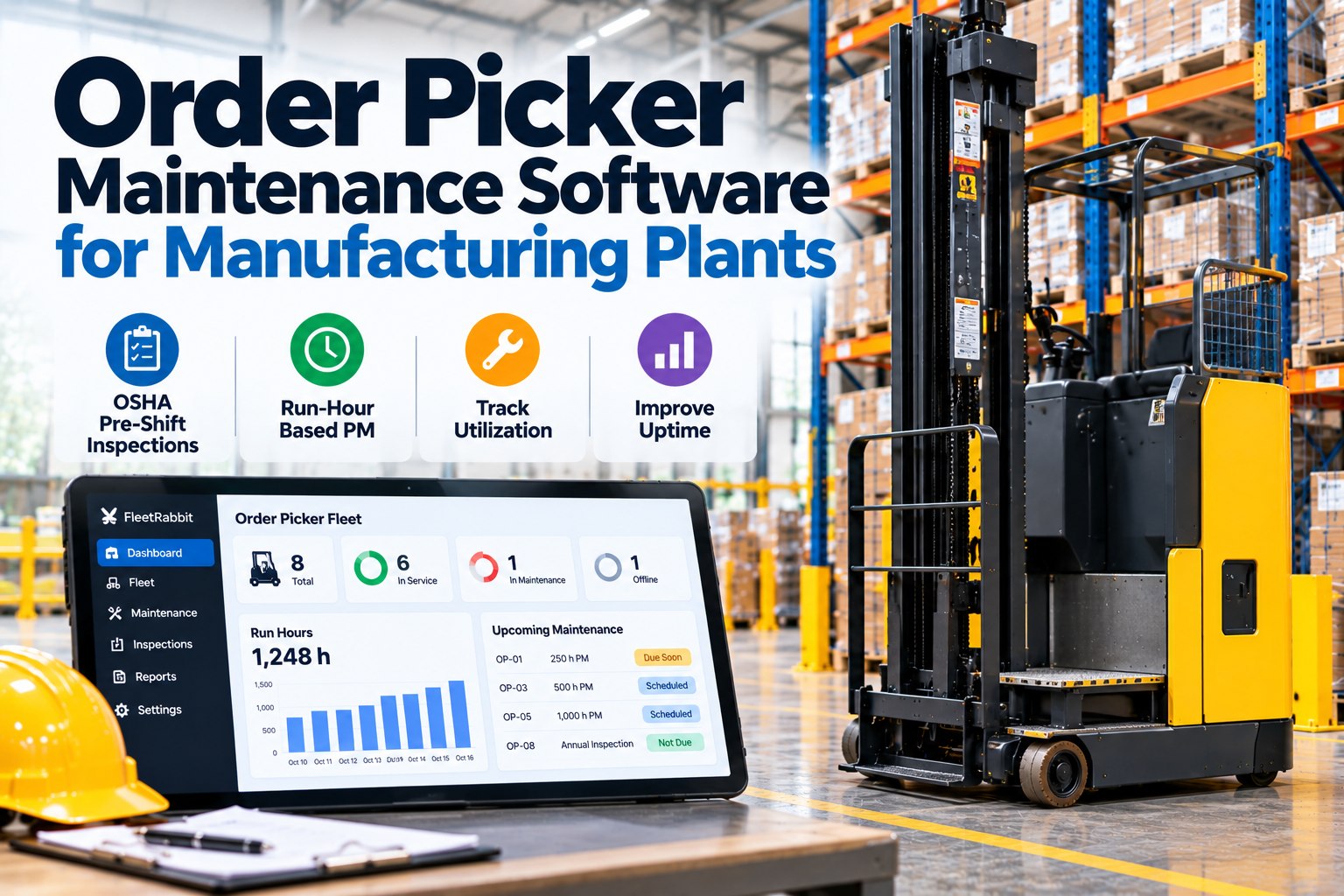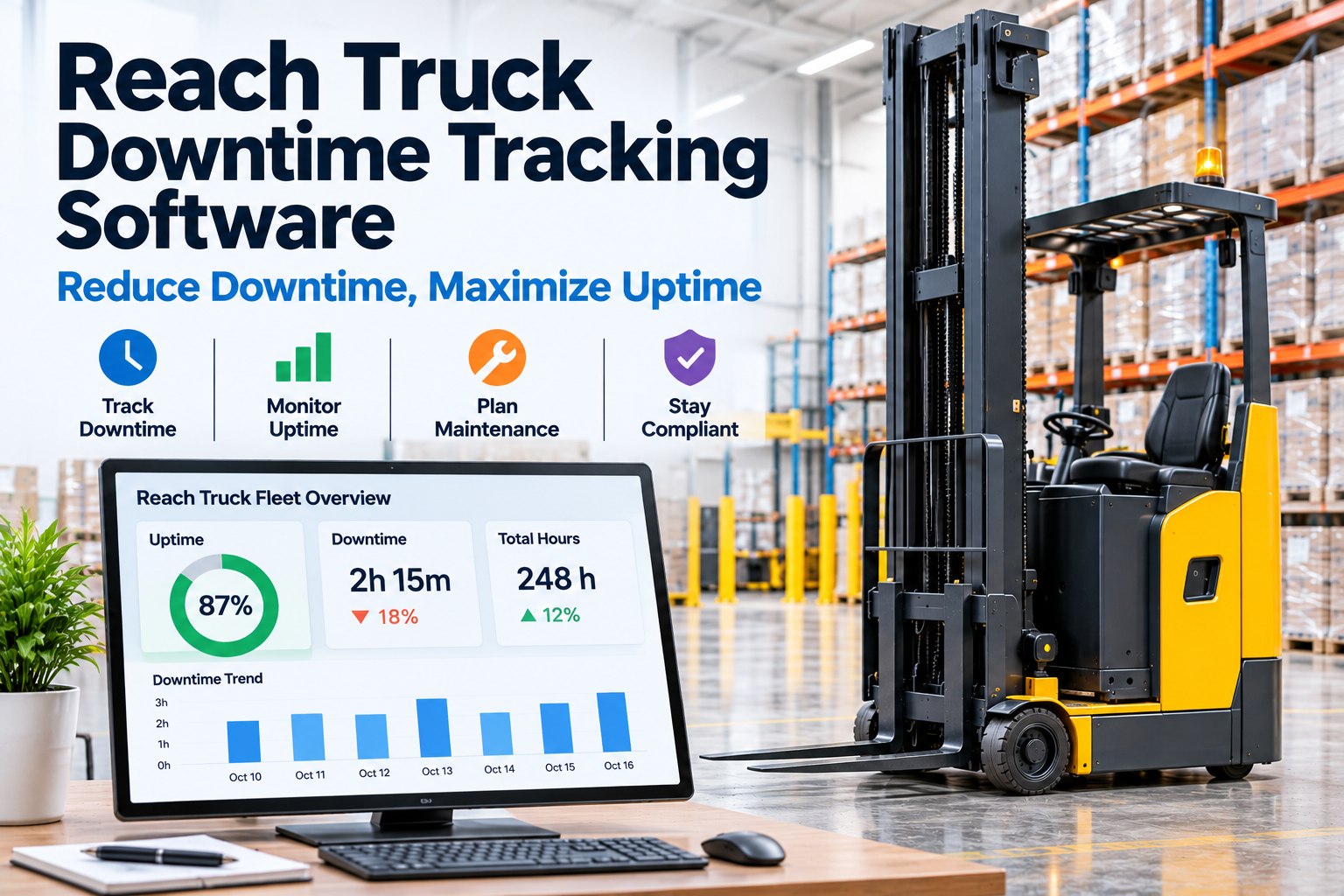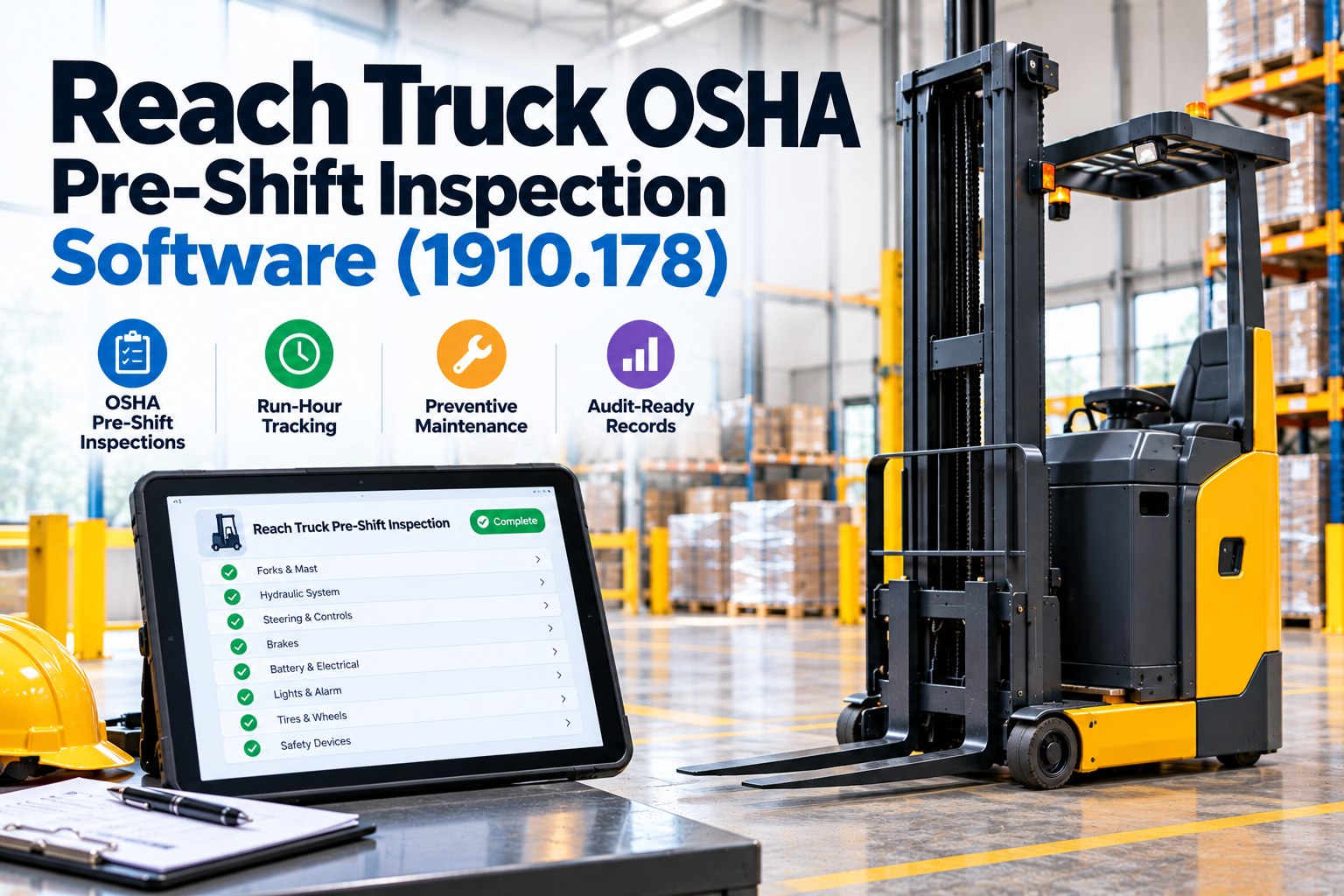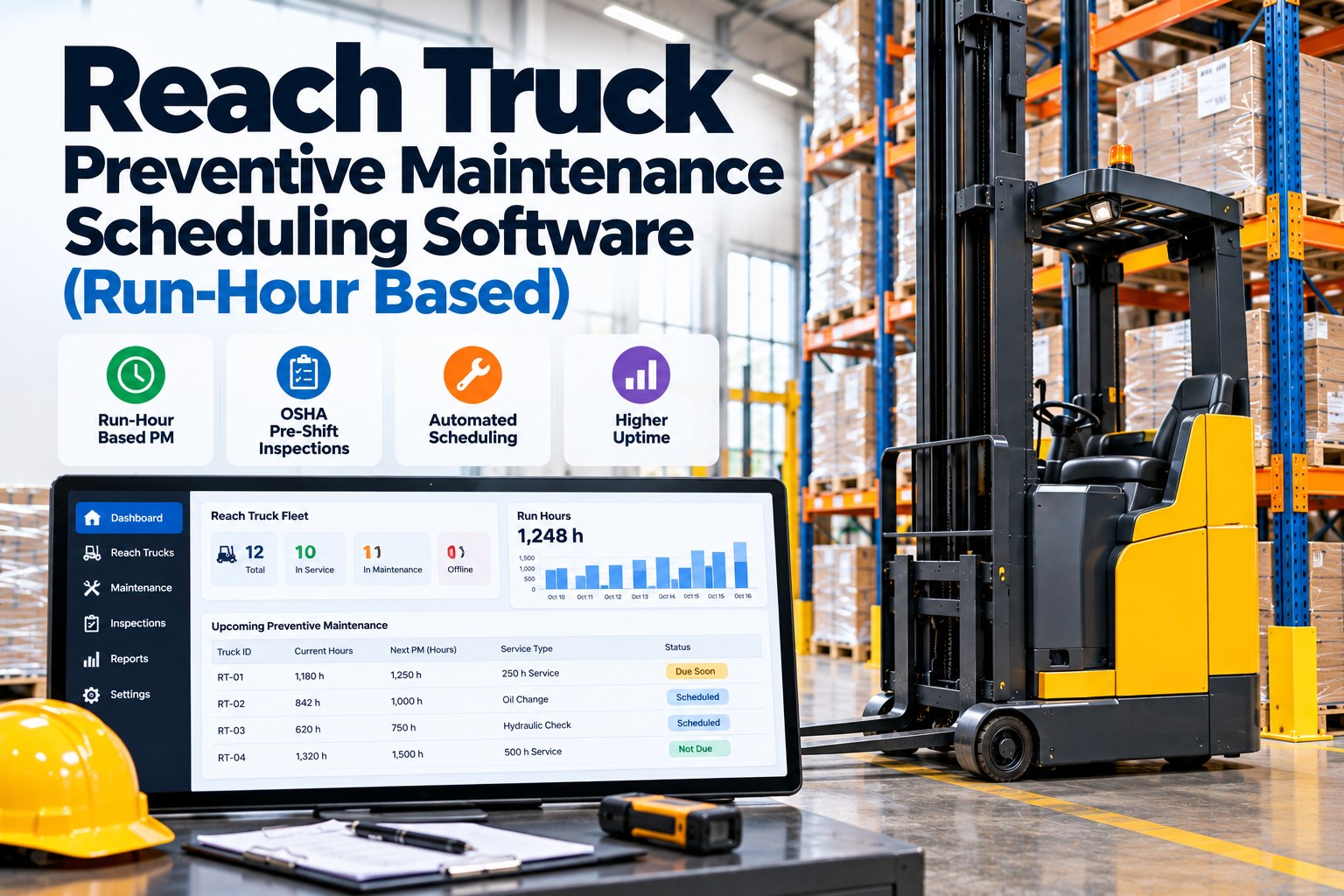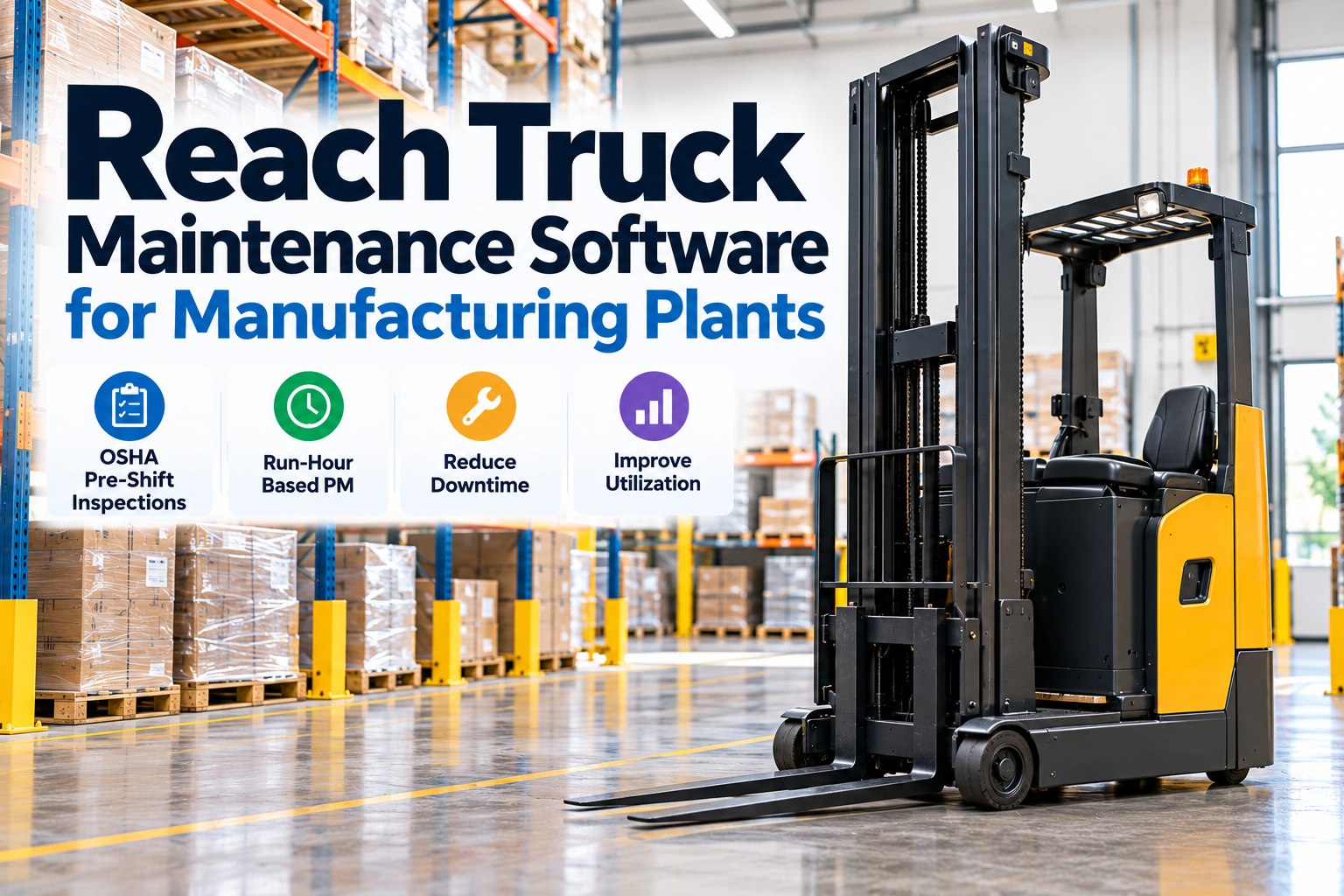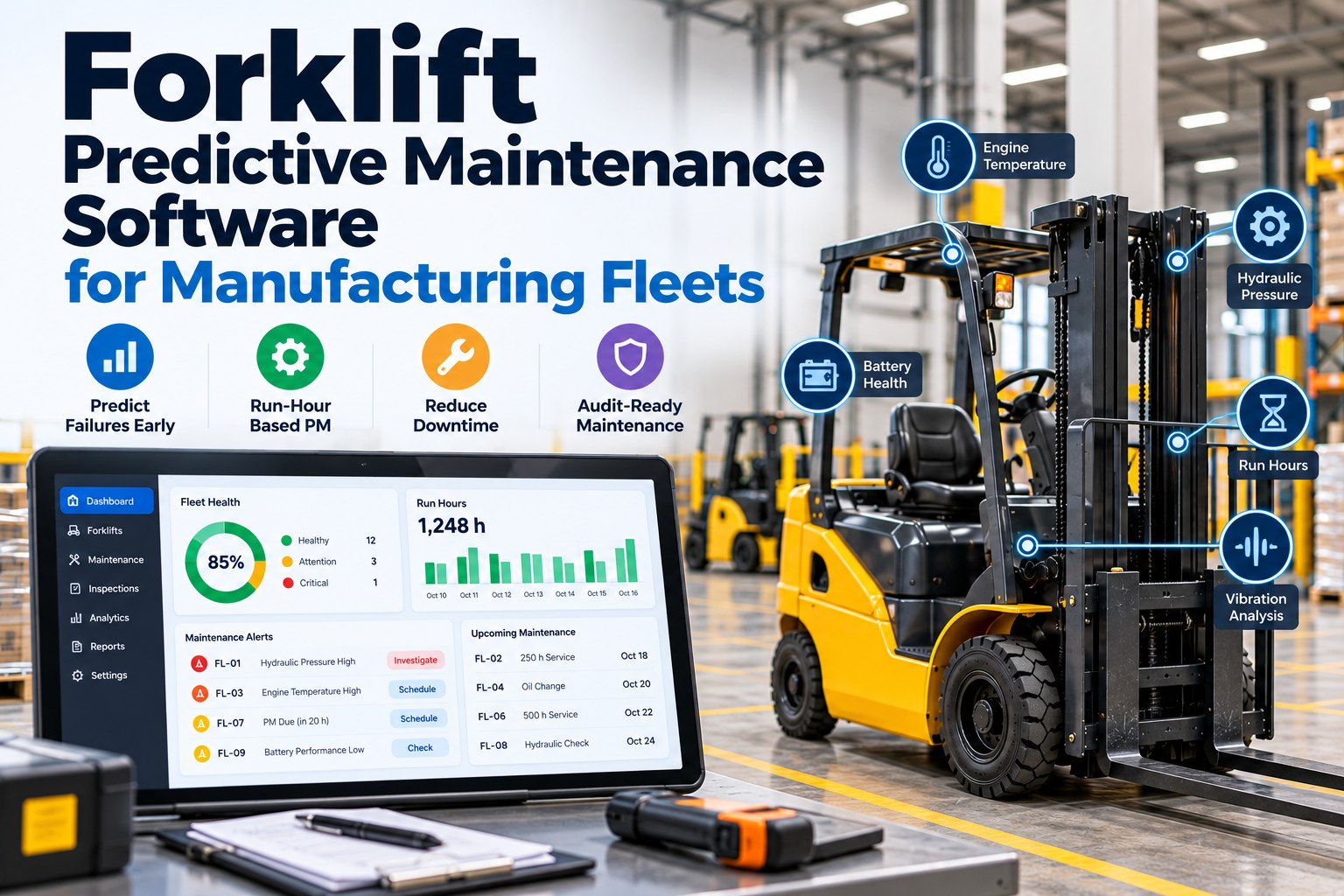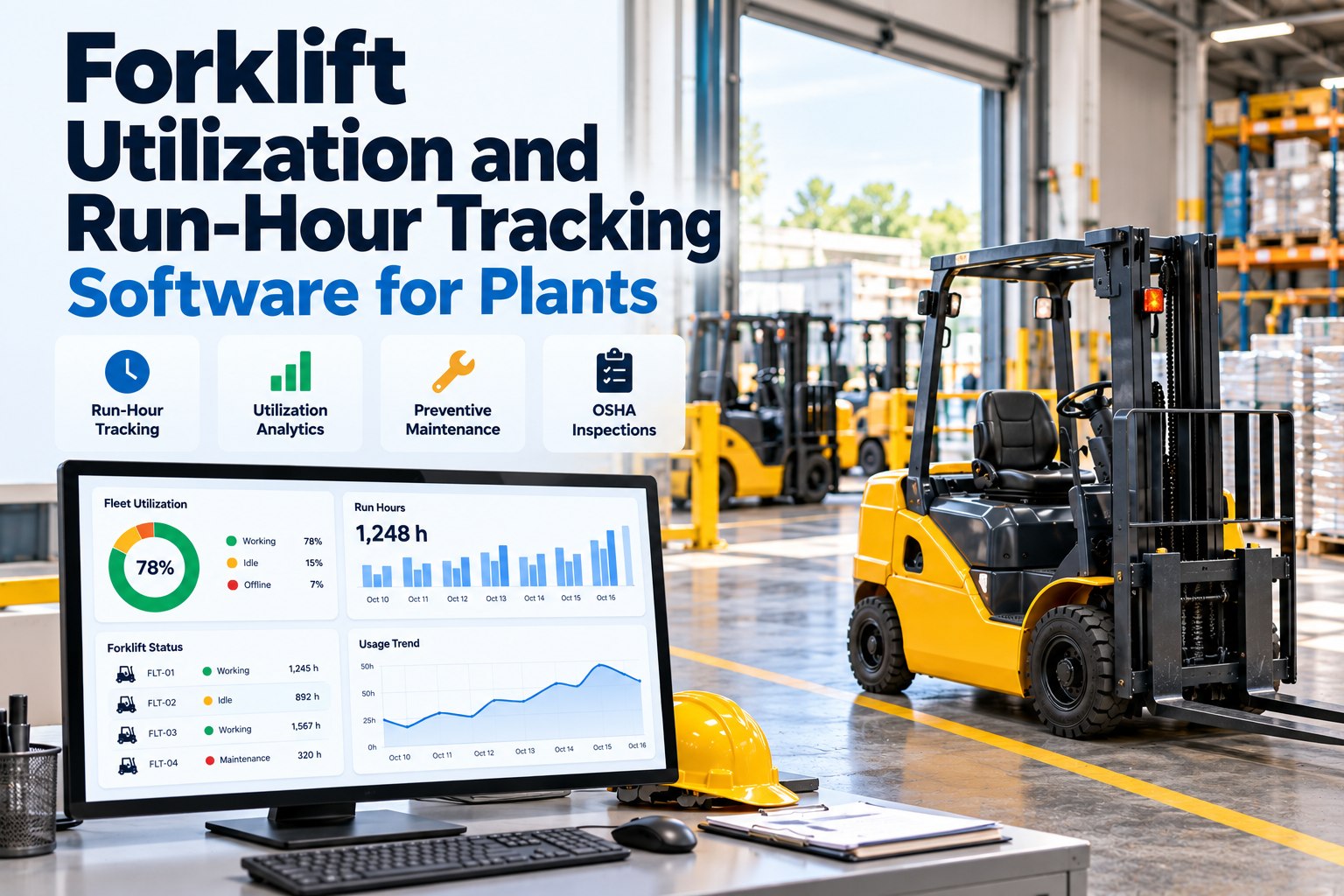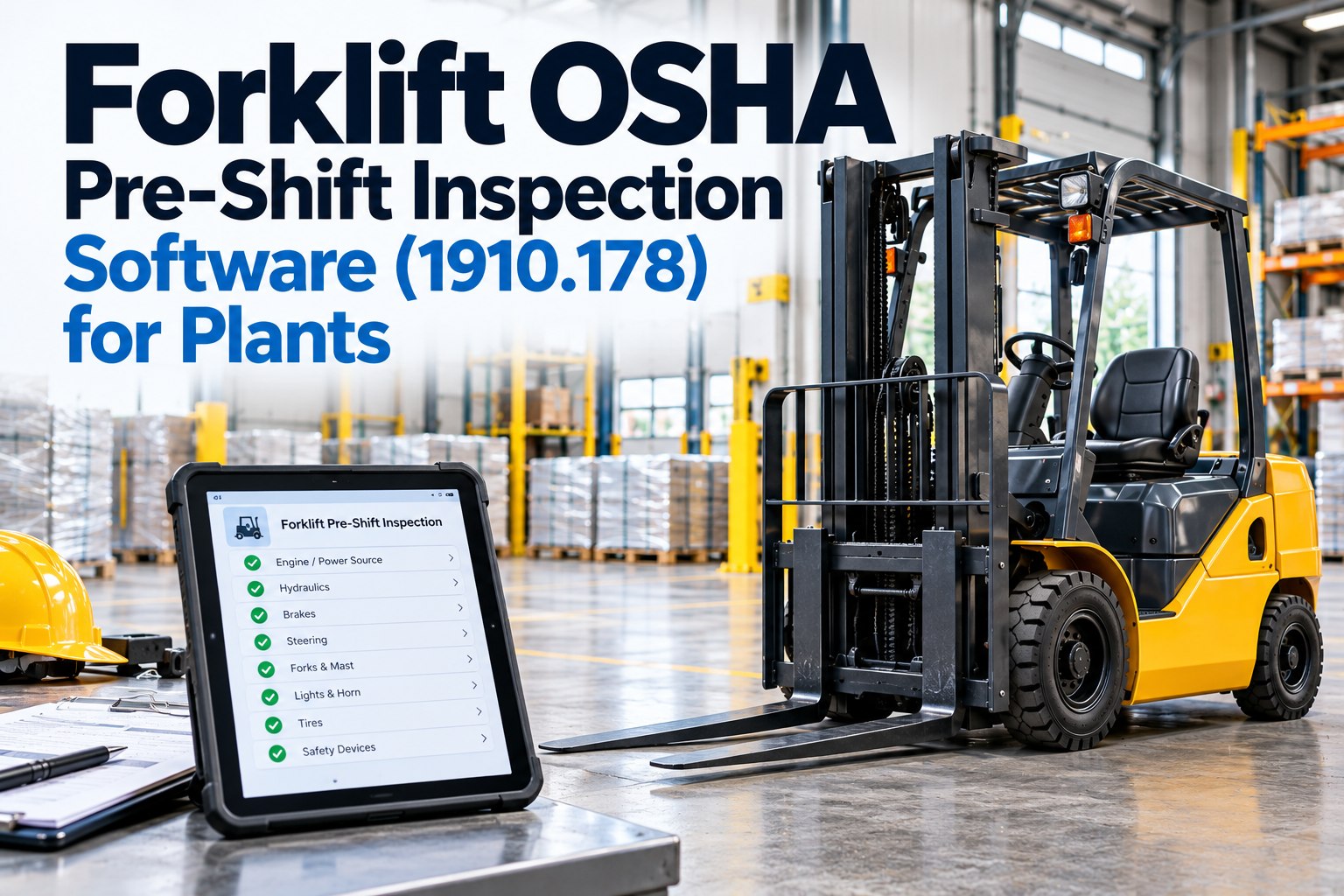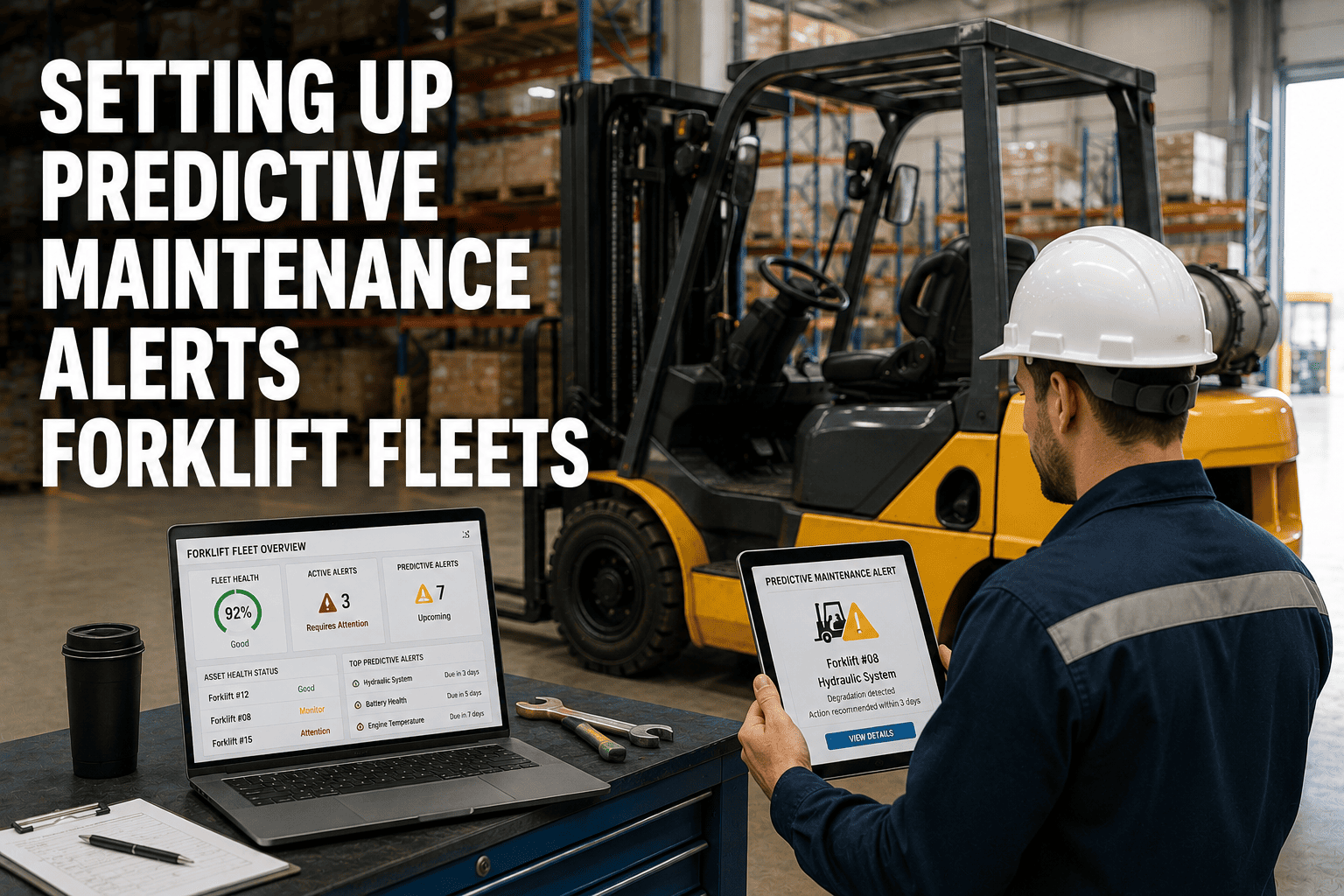
In a manufacturing plant, a predictive maintenance system is only as good as the alerts it generates. Too many false alarms, and technicians start ignoring every warning—including the critical ones. Setting up predictive maintenance alerts for forklift fleets requires careful tuning so plant teams act on warnings instead of dismissing them. FleetRabbit tunes predictive maintenance alerts so every alert earns technician trust. You can sign up for FleetRabbit to modernize your maintenance, or book a demo to see our platform.
Over 70 percent of predictive maintenance alerts are ignored by technicians due to false alarm fatigue. When a system cries wolf daily, real failures slip through, costing plants 10,000 to 40,000 dollars per missed warning. Properly tuned alerts with severity tiers achieve 90 percent action rates, ensuring critical warnings are never dismissed.
The True Cost of Alert Fatigue
The true cost of alert fatigue extends far beyond the wasted time spent investigating false alarms. When a manufacturing plant's maintenance team stops trusting its predictive system, the financial damage ripples across the entire operation. The immediate loss of confidence is obvious, but secondary costs often exceed the primary impact. A technician who dismisses a genuine transmission temperature warning guarantees a 15,000 dollar rebuild that a 200-dollar fluid change would have prevented. Furthermore, repeated false alarms consume diagnostic labor, pulling techs away from preventative work on healthy trucks and creating a snowball effect of neglected maintenance.
Why Technicians Ignore Predictive Alerts
Technicians ignore predictive alerts because most systems are calibrated for sensitivity, not accuracy. Out-of-the-box thresholds flag every minor fluctuation—a cold morning voltage dip, a brief pressure spike during heavy lifting, a sensor glitch. The technician who investigates ten false alarms in a week learns to ignore the eleventh, even when it is real. Without a system that learns from historical failure data and adjusts its sensitivity based on actual component behavior, alert volume stays high, and trust stays low. The problem is not the technology; it is the tuning.
The Cried-Wolf Failure Mode
The cried-wolf failure mode is the most dangerous pattern in predictive maintenance. A plant installs a monitoring system, and within a month, the team has learned to dismiss its notifications. Six months later, a genuine cascading failure warning appears—the exact alert the system was purchased to catch—and it gets swiped away like all the others. The truck fails on the floor during a critical run, and the plant blames predictive maintenance as a concept, never realizing the failure was in the alert configuration, not the technology. To avoid this, you can sign up for FleetRabbit to modernize your maintenance, or book a demo to see our platform.
FleetRabbit calibrates alert thresholds to your actual fleet history, tiers warnings by severity, and auto-generates work orders for critical events. Stop drowning in false alarms and start trusting your alerts. Start your free trial today.
Anatomy of an Effective Alert System
An effective alert system is built on three pillars: tuned thresholds, severity tiers, and actionable outcomes. Generic thresholds pulled from a manufacturer manual will never match how your trucks actually behave in your plant. A forklift running a heavy dock cycle in a hot facility exhibits different telemetry patterns than the same model in a cold warehouse. Effective alert configuration starts with baseline learning—watching the fleet for weeks to understand normal—then setting thresholds relative to that baseline, not an industry average.
| Alert Component | Untuned System Flaw | Consequence | FleetRabbit Solution |
|---|---|---|---|
| Thresholds | Generic factory defaults | Constant false alarms on normal operation | Baselines learned from your actual fleet data |
| Severity Tiers | Every alert looks identical | Critical warnings drowned in minor notices | Three-tier system separating noise from danger |
| Routing | All alerts go to one dashboard | Right person never sees the warning | Severity-based routing to techs or managers |
| Follow-Through | Alerts vanish after dismissal | No record of ignored warnings | Auto work orders and escalation tracking |
| Feedback Loop | System never learns from outcomes | Same false alarm repeats weekly | Verified results recalibrate thresholds |
Strategies for Tuning Alert Thresholds
Tuning alert thresholds requires a shift from static settings to learning calibration. The first strategy is baseline observation. For the first 30 days, the system should monitor the fleet without firing alarms, learning what normal looks like for each truck class in each zone. The second strategy is severity tiering. Every alert must be classified as informational, warning, or critical, with different delivery methods for each. The third strategy is closing the feedback loop. When a technician verifies an alert was false, the system should automatically adjust that threshold, so the same false alarm never repeats.
Calibrating to Your Fleet Baseline
Calibrating to your fleet baseline is the most critical step in eliminating false positives. Every forklift model behaves differently under load, in temperature extremes, and at different battery states. FleetRabbit learns these patterns over an observation period, building a normal operating envelope for each asset. When the system later flags a temperature spike, it is comparing against that truck's own history, not a generic chart. This individual calibration is the difference between an alert system that cries wolf and one that technicians trust with a 15,000 dollar decision.
Implementing Severity Tiers
Implementing severity tiers ensures critical warnings never blend into background noise. A tier-one informational alert—like a completed charge cycle—appears only on the dashboard for review. A tier-two warning—like gradual brake wear approaching service limits—generates a work order for the next PM window. A tier-three critical alert—like a transmission temperature spike or an impact event—pushes an instant notification to the shift supervisor and locks the truck from dispatch until inspected. This hierarchy guarantees that when a phone buzzes, the technician knows it matters. To implement tiered alerts, you can sign up for FleetRabbit to modernize your maintenance, or book a demo to see our platform.
How FleetRabbit Keeps Alerts Actionable
FleetRabbit is engineered to make every alert earn its place in a technician's day. Our platform combines baseline learning, severity tiering, and automated work orders into a single workflow. We understand that a predictive system that technicians ignore is worse than no system at all, because it creates false confidence. Our system tracks whether alerts are acted upon, verifies outcomes, and continuously recalibrates. By connecting every warning to a concrete action—whether a scheduled inspection or an immediate truck lockdown—FleetRabbit ensures alerts drive maintenance, not resentment.
Closing the Feedback Loop
Closing the feedback loop is what separates a learning system from a noisy one. When FleetRabbit flags a hydraulic pressure anomaly and the technician verifies the pump is genuinely degrading, that confirmation strengthens the threshold model. When the technician inspects and finds nothing wrong, the system records the false positive and widens that specific threshold. Over months of operation, this loop drives false alarms down by 80 percent, rebuilding technician trust one verified alert at a time. The system gets smarter; the team gets more responsive.
Auto-Generated Work Orders
Auto-generated work orders transform alerts from noise into tasks. Instead of a technician seeing an alert and deciding whether to care, FleetRabbit converts verified warnings directly into scheduled work. The critical transmission alert does not just notify—it creates a high-priority work order, reserves the necessary parts, blocks the truck from dispatch, and notifies the maintenance planner. The technician arrives at a ready task, not a vague warning. This end-to-end automation ensures no alert dies in an unread dashboard, and no preventable failure reaches the production floor.
Key Takeaways for Alert Effectiveness
Setting up predictive maintenance alerts that technicians actually trust is the most critical step in modernizing a forklift fleet. Relying on factory default thresholds and undifferentiated alerts is a guaranteed way to train your team to ignore warnings. A tuned, tiered, feedback-driven approach to alert configuration ensures that when the system speaks, people listen. Plants that fix this process see a massive reduction in missed failures and a huge boost in preventive maintenance completion.
Implementing a comprehensive platform like FleetRabbit learns fleet baselines, tiers alert severity, and auto-generates work orders. The return on investment is immediate, not just in prevented breakdowns, but in restored technician trust, eliminated diagnostic waste, and extended asset lifecycles. Manufacturing plants demand reliability, and FleetRabbit provides the exact digital tools needed to deliver it.
The path forward is clear. Evaluate your current alert system and ask what percentage of yesterday's warnings were actually investigated. If your technicians are dismissing alerts, your next failure is already scheduled. Plant managers who address alert tuning systematically protect their profitability and operational reliability. You can sign up for FleetRabbit to modernize your maintenance, or book a demo to see our platform.
Frequently Asked Questions About Predictive Alerts
Every ignored alert is a future breakdown waiting for its moment. FleetRabbit tunes predictive alerts to your fleet, tiers them by severity, and turns warnings into work orders your technicians trust. See an 80 percent drop in false alarms within months. Start your free trial today with no credit card required.