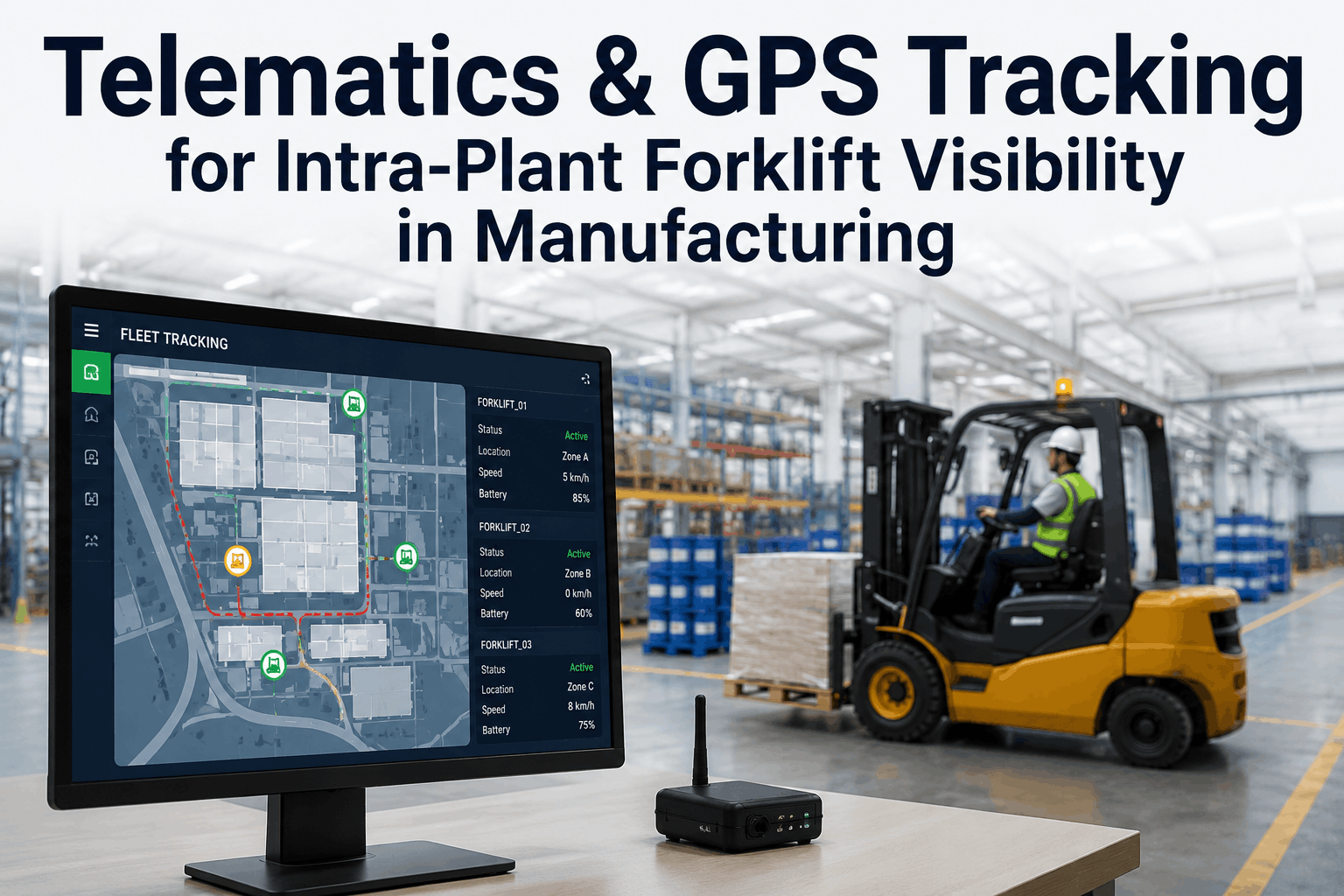
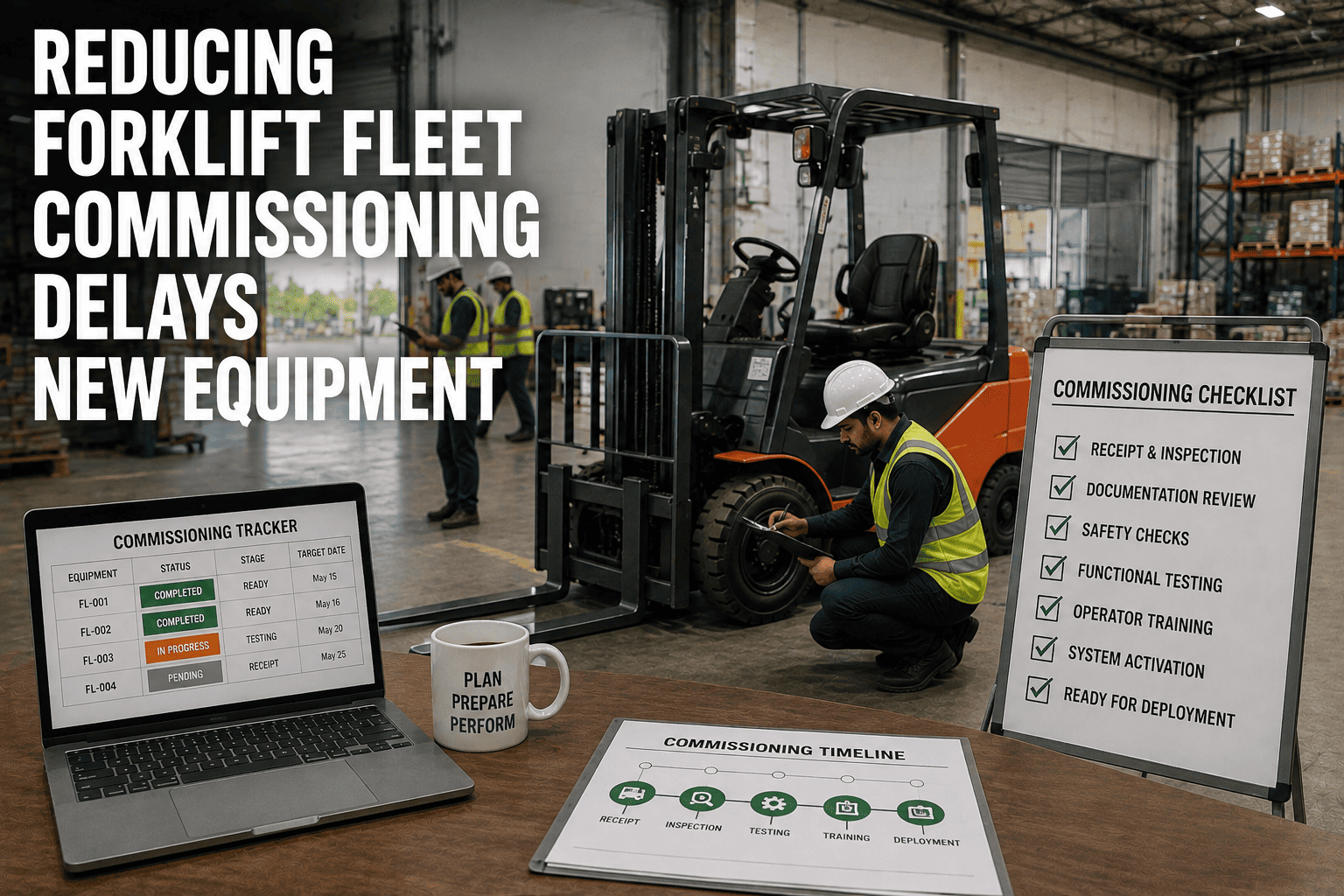
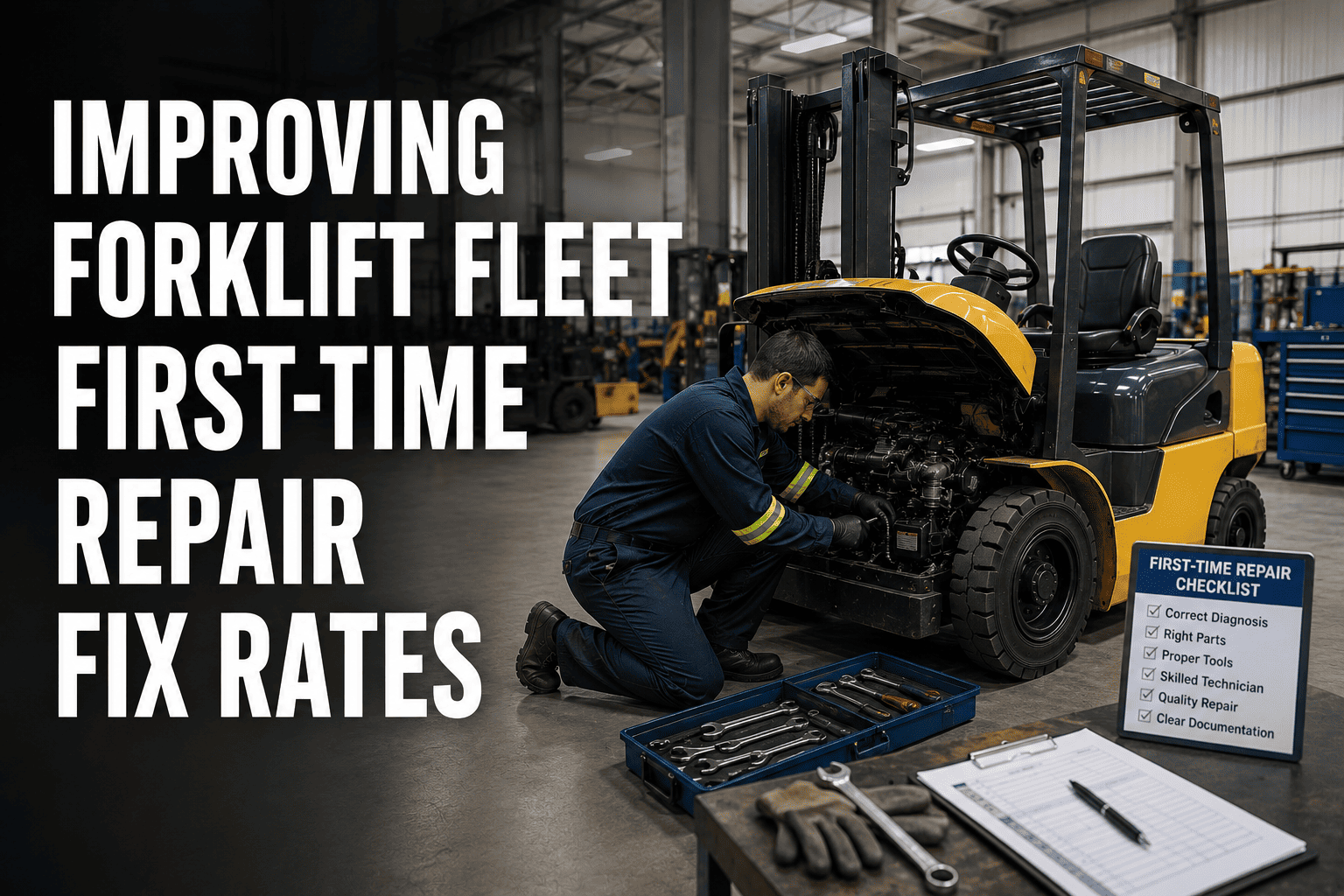
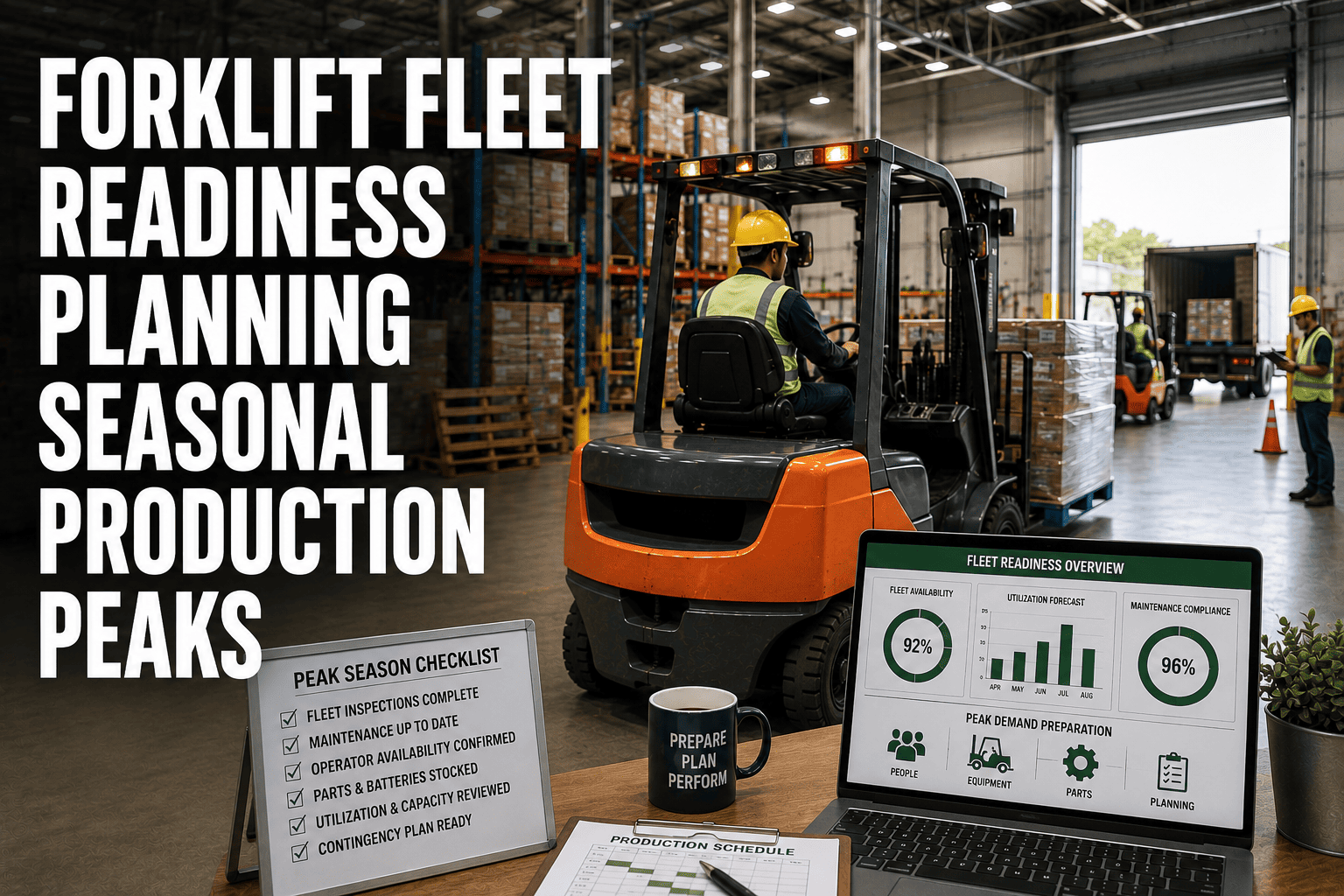
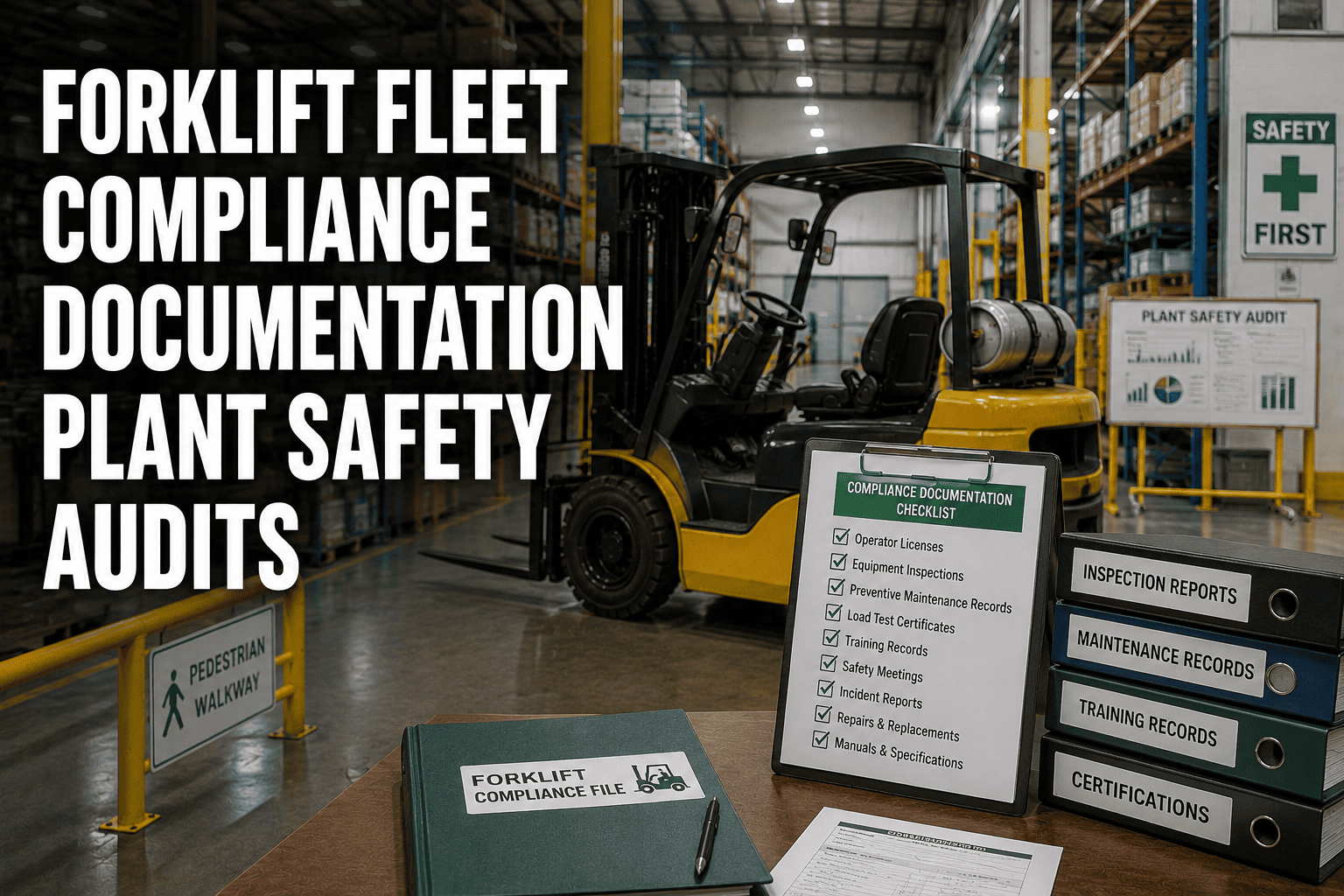
Manufacturing plant managers across automotive, food processing, pharmaceutical, and heavy industry have relied on manual check-ins and estimated cycle times when planning forklift deployments. The result: bottlenecks that quietly strangle throughput, underutilized reach trucks running ghost routes, and collision risks that don't show up until an incident report lands on your desk. Intra-plant telematics changes the equation entirely — turning every forklift movement logged across your facility into a precise operational input for smarter dispatch, leaner routing, and verifiable safety compliance. Fleet Rabbit's telematics and analytics platform gives manufacturing facilities the real-time location intelligence to run forklift fleets with precision, visibility, and accountability. Book a demo to see Fleet Rabbit's intra-plant forklift tracking applied to your facility.
Quick Answer
Intra-plant telematics converts forklift movement records — actual travel paths, idle dwell time, zone utilization, and near-miss events — into operational intelligence that makes manufacturing logistics measurably more efficient and safer. Facilities using Fleet Rabbit's forklift tracking platform reduce unplanned downtime by 28–39%, improve fleet utilization by 22–34%, and eliminate the blind spots in plant traffic that turn routine material handling into safety incidents.
The Visibility Problem Every Plant Manager Knows
Most manufacturing facilities operate their forklift fleets with near-zero real-time visibility. Supervisors estimate where machines are, dispatchers rely on radio check-ins, and utilization data — if it exists — comes from paper logs filled out at shift end. That invisibility compounds into missed SLAs, idle machines consuming maintenance budgets, and pedestrian-vehicle conflicts that safety audits flag but root causes never get fixed.
20–35%
Average forklift fleet utilization lost to idle dwell and inefficient routing in untracked facilities
4.1 hrs
Average daily idle time per forklift in facilities without intra-plant location tracking
$6,800
Typical annual per-machine cost gap from untracked maintenance triggers and unplanned downtime
28–39%
Unplanned downtime reduction for facilities using telematics-backed forklift visibility
What Intra-Plant Telematics Actually Captures — and Why It Transforms Operations
Intra-plant forklift telematics isn't just GPS dots on a screen. A properly instrumented manufacturing fleet generates a continuous record of every data point that drives true material handling performance — the exact inputs your operations team needs but has never had structured access to before.
Real-Time Location (UWB / RTLS)
Sub-Meter Accuracy
Ultra-wideband and RTLS sensors deliver indoor forklift positioning accurate to 30–50 cm — precise enough to track which rack aisle a reach truck is in, not just which warehouse zone. A forklift picking from Bay 14 shows up in Bay 14, not "somewhere in Block C." Your dispatchers stop guessing and start directing.
Zone Dwell & Congestion Data
By Shift and Area
Dwell time by zone reveals where your traffic bottlenecks actually form versus where supervisors think they form. Staging areas that show 40-minute average dwell times on first shift — but only 12 minutes on second shift — tell you the real story about crew deployment and dock scheduling, not the story your shift reports tell.
Impact & Near-Miss Detection
Per Vehicle, Per Zone
Accelerometer-based impact sensors flag hard stops, rack contacts, and pedestrian proximity events in real time — generating an auditable safety record that reactive incident reporting never could. Fleet Rabbit's collision avoidance telemetry identifies chronic high-risk zones before they produce recordable incidents, not after.
Battery & Engine Hour Telemetry
Predictive Maintenance Triggers
Which routes and shift patterns discharge batteries fastest? Which forklifts log fault codes before the operator notices? Telematics connects real operating hours and stress patterns to service triggers — so your maintenance team works from data instead of schedules, and machines come off the floor for service before they break down mid-shift.
Tracked vs. Untracked: The True Operational Gap
The comparison below shows the measurable difference in key operational metrics between untracked and telematics-equipped forklift fleets across five manufacturing facility types.
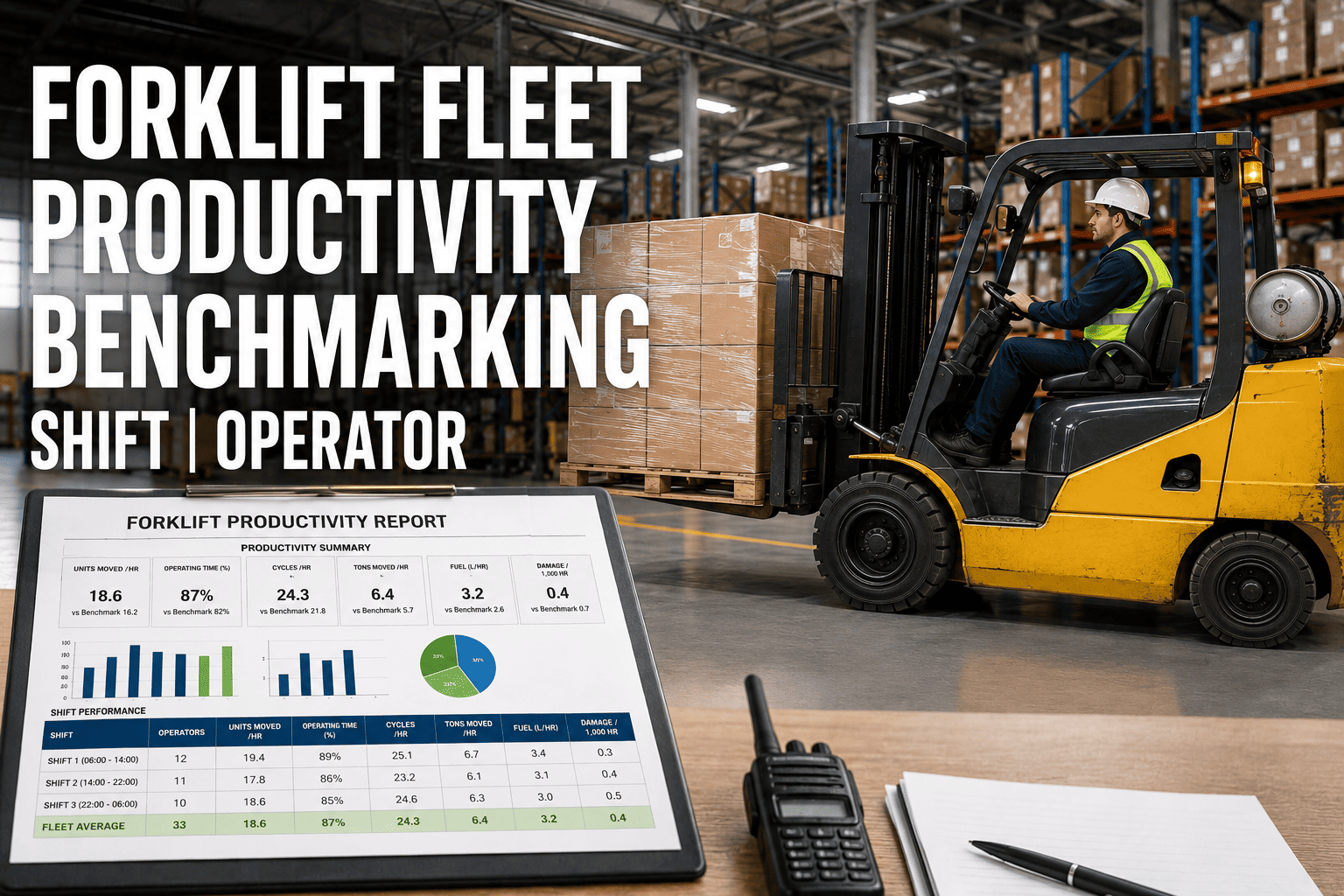
Fleet Utilization: Untracked vs. Telematics-Equipped FacilitiesManufacturing Segment Benchmarks, Fleet Rabbit Platform Data
Food & Beverage Processing
Pharmaceutical / Cleanroom
Without Telematics (Estimated Utilization)Fleet Rabbit Telematics-Tracked Utilization
5 Ways Intra-Plant Telematics Transforms Forklift Fleet Operations
1
Real-Time Location Visibility — Know Exactly Where Every Machine Is
Indoor GPS and UWB-based RTLS eliminate the radio check-in loop entirely. Dispatchers see every forklift's live position on a plant floor map, updated in under two seconds. When a production line needs a pallet pull, the nearest available reach truck gets the task — not the first operator who answers the radio. Route conflicts, zone overcrowding, and traffic chokepoints become visible and manageable before they stall production.
Fleet Rabbit RTLS deployment at a 380,000 sq ft automotive parts facility: real-time dispatch routing reduced average response time from pick request to pick start by 41% — cutting 18 minutes per shift from material handling delays that previously went unquantified.
2
Fleet Utilization Analytics — Right-Size Your Forklift Deployment
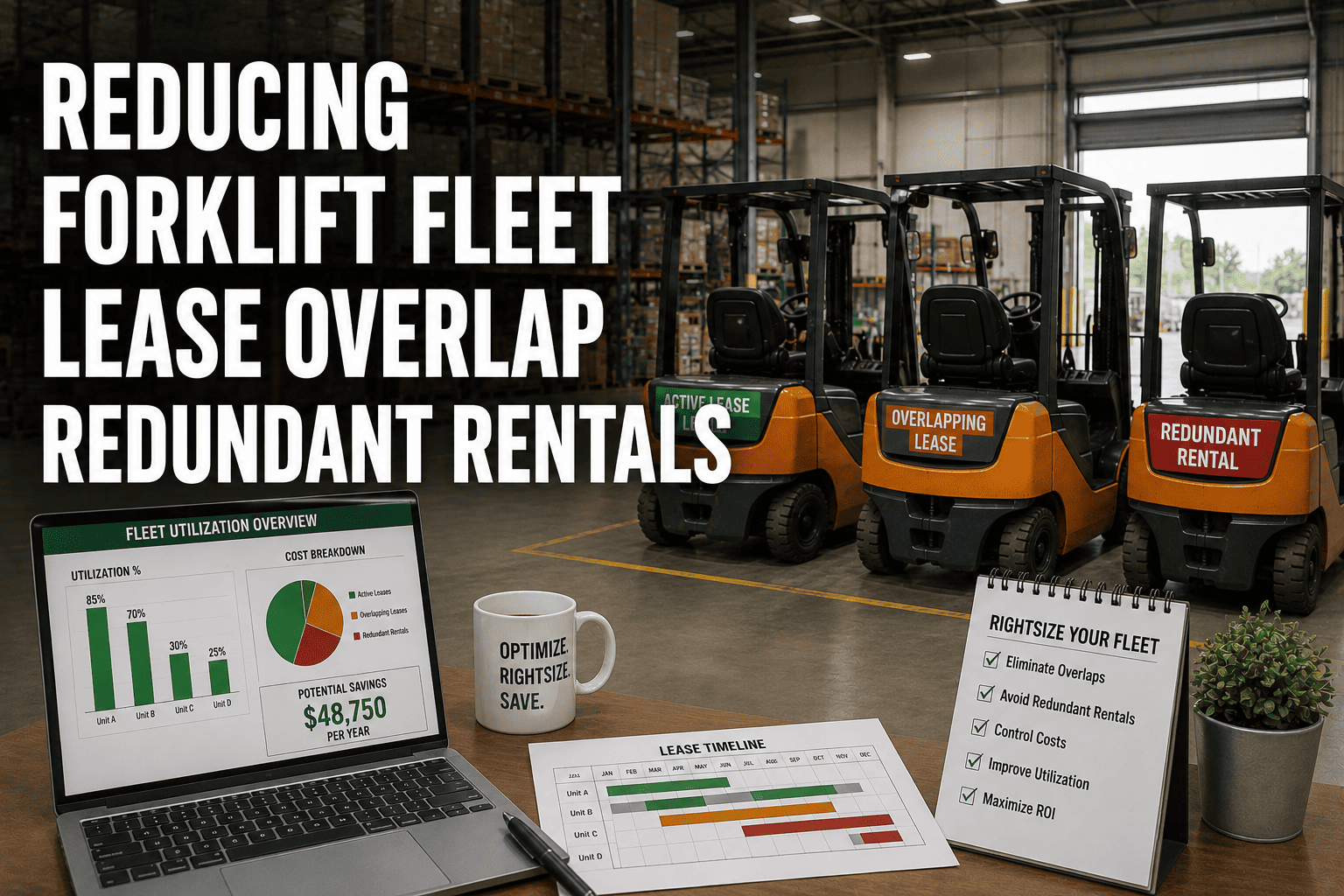
Utilization telemetry exposes the machines that run 80% of your throughput and the ones that idle 70% of each shift. Factory forklift telemetry makes fleet right-sizing a data exercise, not a supervisor opinion. Facilities routinely discover 2–4 machines that can be redeployed to understaffed zones — or removed from the fleet entirely — without impacting production targets.
Fleet avg utilization: 52%Post-telematics: 79%Machines redeployed: 3 of 18
3
Collision Avoidance & Safety Zone Enforcement — Before Incidents Happen
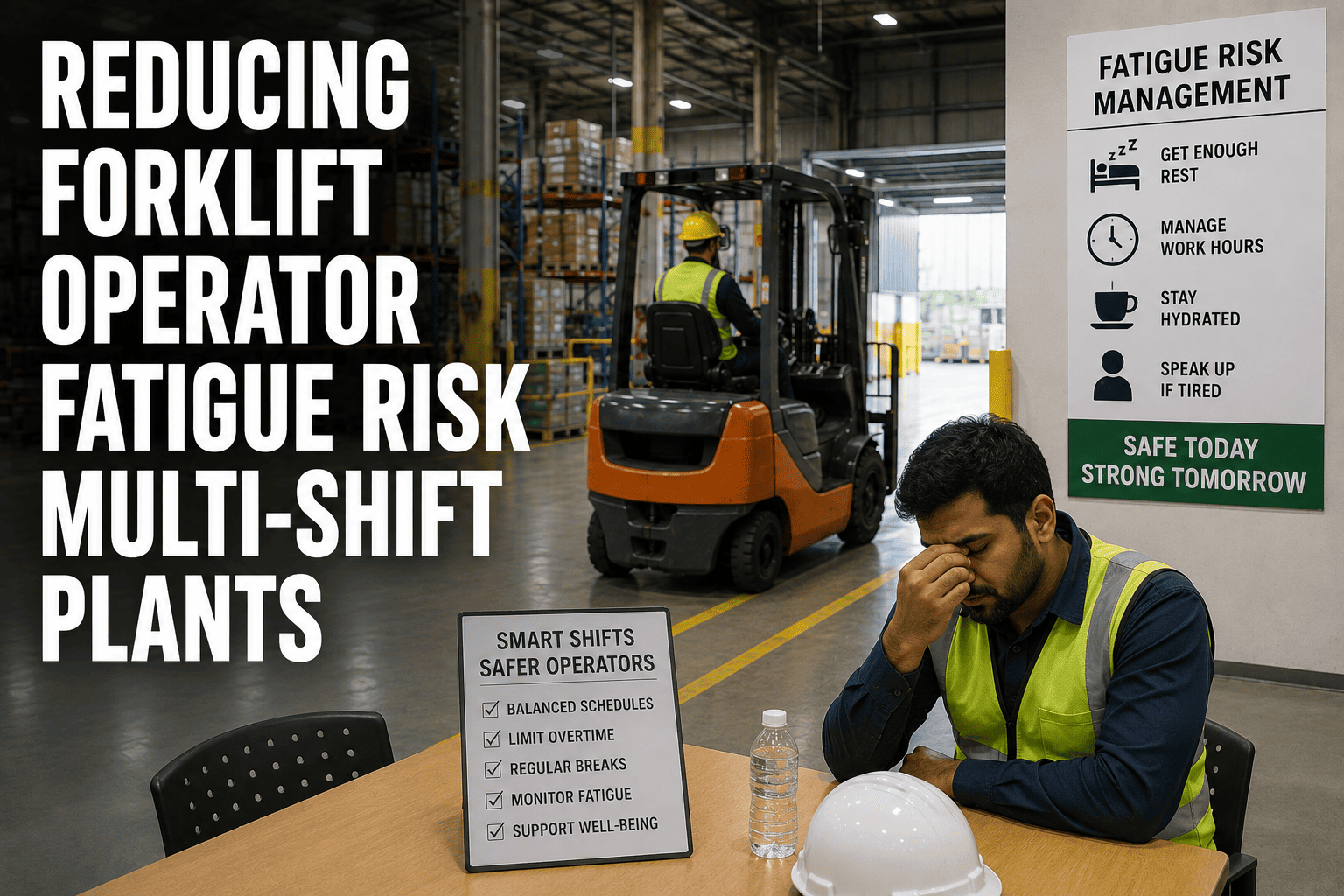
Forklift safety sensors and proximity telemetry create a continuous near-miss record that proactive safety programs depend on. Fleet Rabbit's collision avoidance telemetry logs every high-speed pedestrian zone entry, every rack approach above safe speed, and every blind-corner conflict — generating the evidence base for targeted retraining, zone redesign, and speed limit enforcement that actually reduces recordable incident rates.
A food processing facility using Fleet Rabbit forklift safety telemetry reduced recordable vehicle-pedestrian incidents by 67% in the 12 months following deployment — achieving OSHA compliance audit passage with zero citations for the first time in four years.
4
Route Optimization — Eliminate Ghost Miles and Wasted Cycles
Warehouse vehicle telemetry maps actual travel paths against optimal routes, surfacing route inefficiency that no supervisor has time to track manually. Industrial fleet visibility tools in Fleet Rabbit identify routes where forklifts consistently travel 30–50% farther than necessary due to traffic congestion, blocked aisles, or suboptimal task sequencing — and generate corrective routing recommendations that compound across every shift.
5
Predictive Maintenance by Operating Pattern — Not Just Calendar Schedules
Reach truck monitoring telemetry connects operating intensity — hours, load cycles, fault code frequency, and impact events — to service triggers calibrated for how your machines actually run, not how the manufacturer assumes they run. Facilities with high-intensity pick cycles need different maintenance intervals than those running light transport duty. Fleet Rabbit's machine-level telemetry delivers both, automatically.
Fleet Rabbit telemetry helped a pharmaceutical manufacturer identify three electric reach trucks with abnormal battery discharge patterns 11 days before the first roadside failure — preventing three unplanned production stoppages estimated at $34,000 in combined downtime cost.
Intra-Plant Forklift Visibility
See Every Machine, Every Move, Every Minute
Fleet Rabbit's forklift telematics platform converts your plant's operating history into structured visibility — real-time location, utilization analytics, safety telemetry, and predictive maintenance triggers — so your material handling fleet runs at peak efficiency, shift after shift.
28–39%
Less Unplanned Downtime
22–34%
Utilization Improvement
The Forklift Telematics Advantage: Manufacturing Segment Benchmarks
Facility Type
Typical Visibility Gap
Biggest Operational Driver
Telem. Gain
Automotive Assembly
26–34%
JIT sequencing delays
+31%
Food & Beverage Processing
22–30%
Cold zone idle, compliance
+27%
Pharmaceutical / GMP
19–27%
Audit trail, zone control
+33%
E-Commerce / Distribution
28–38%
Pick cycle congestion
+39%
Heavy Industrial / Steel
24–33%
Impact events, wear cost
+29%
Frequently Asked Questions: Forklift Telematics for Manufacturing
QWhat's the difference between warehouse RTLS and standard GPS for intra-plant forklift tracking?
Standard GPS does not work indoors — signal penetration through steel structures and concrete floors is insufficient for reliable plant-floor positioning. Warehouse RTLS (Real-Time Location Systems) uses ultra-wideband (UWB), BLE beacon arrays, or Wi-Fi triangulation to deliver indoor positioning accurate to 30–100 cm depending on the technology. UWB forklift tracking delivers the tightest accuracy and is best suited for high-density manufacturing environments where aisle-level precision matters. Fleet Rabbit's platform supports UWB, BLE, and hybrid deployments — matching the tracking technology to the facility's layout, ceiling height, and budget rather than forcing a single-sensor approach.
QHow quickly does intra-plant forklift telematics generate a measurable ROI?
Most manufacturing facilities deploying Fleet Rabbit's forklift tracking platform see measurable operational improvement within the first 30 days — primarily from dispatch efficiency and idle reduction gains that surface immediately once live location data is available. Full ROI, accounting for reduced unplanned maintenance, lower incident costs, and fleet right-sizing decisions, typically closes within 60–90 days for facilities with 10 or more forklifts. Pharmaceutical and food facilities with compliance audit requirements often realize additional ROI through audit readiness — replacing manual vehicle movement logs with automatically generated, tamper-proof telematics records.
QCan forklift telematics integrate with existing WMS and ERP systems?
Yes — and this integration is where smart manufacturing logistics reach their full potential. Fleet Rabbit's platform offers API-based integration with major WMS platforms and ERP systems, enabling bidirectional data flow: pick tasks routed to the nearest available forklift, and forklift completion data feeding back into inventory and labor management systems automatically. Facilities running SAP, Oracle, Manhattan Associates, or Blue Yonder WMS have deployed Fleet Rabbit forklift telemetry as a real-time data layer that makes existing systems more responsive — without replacing the workflow infrastructure already in place.
Stop Running Your Forklift Fleet Blind — Start Running It on Data
Fleet Rabbit's intra-plant telematics platform gives manufacturing facilities the real-time location intelligence, utilization analytics, and safety telemetry to run forklift fleets with precision. Most facilities achieve full ROI within 60–90 days of deployment.
Real-Time Indoor Location
UWB & RTLS Tracking
Collision Avoidance Telemetry
Fleet Utilization Analytics
Predictive Maintenance Triggers
May 27, 2026
By Taylor
All Posts