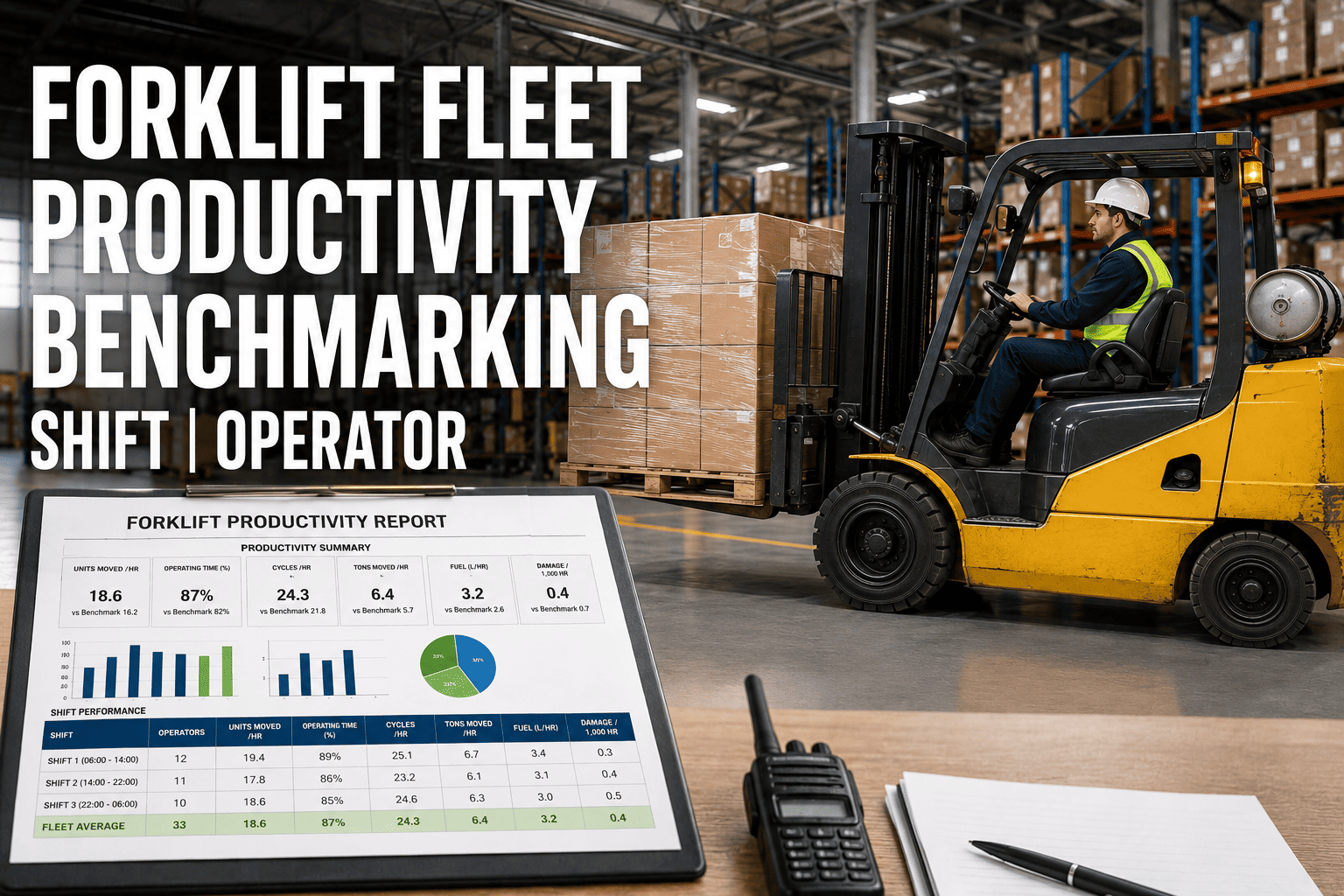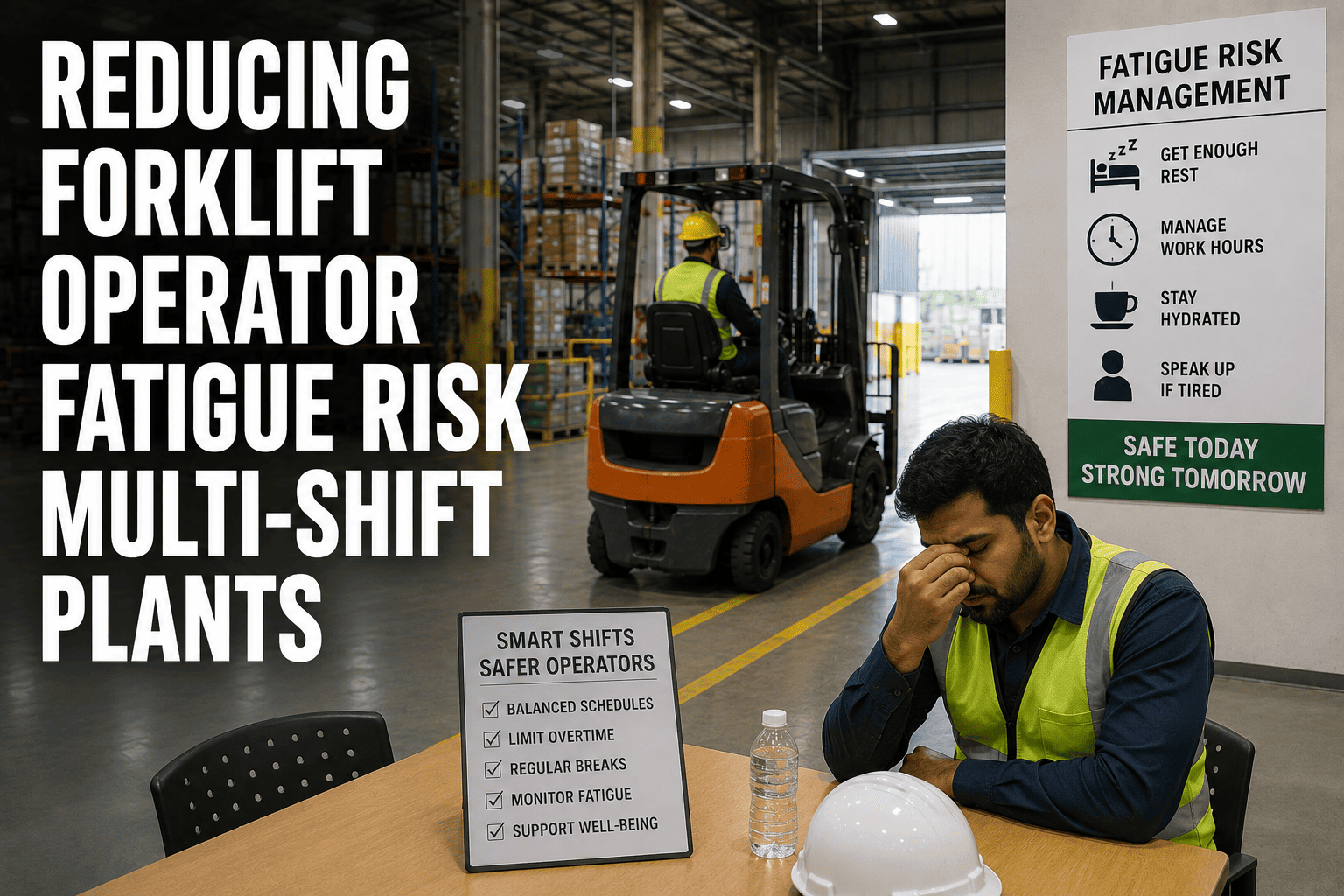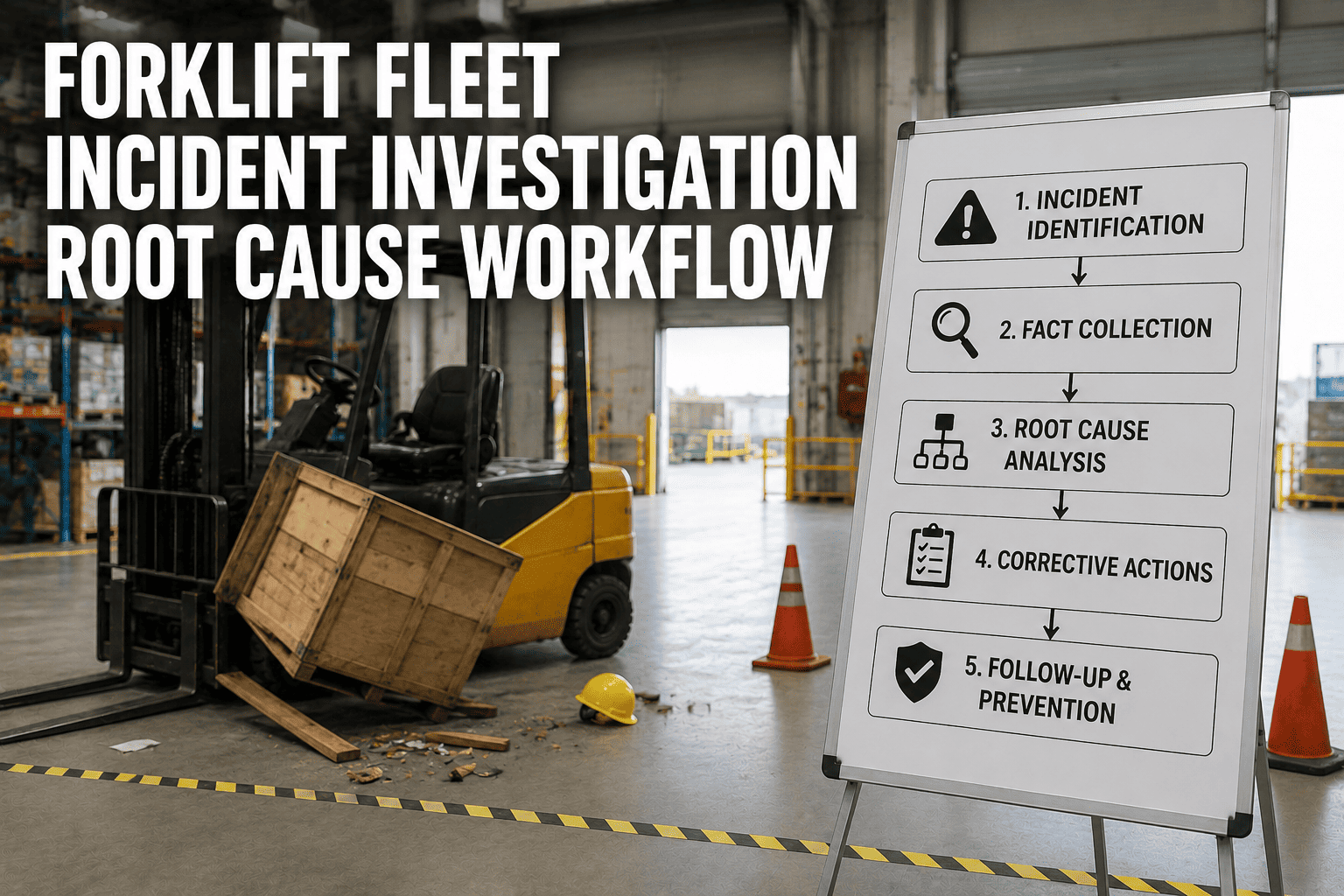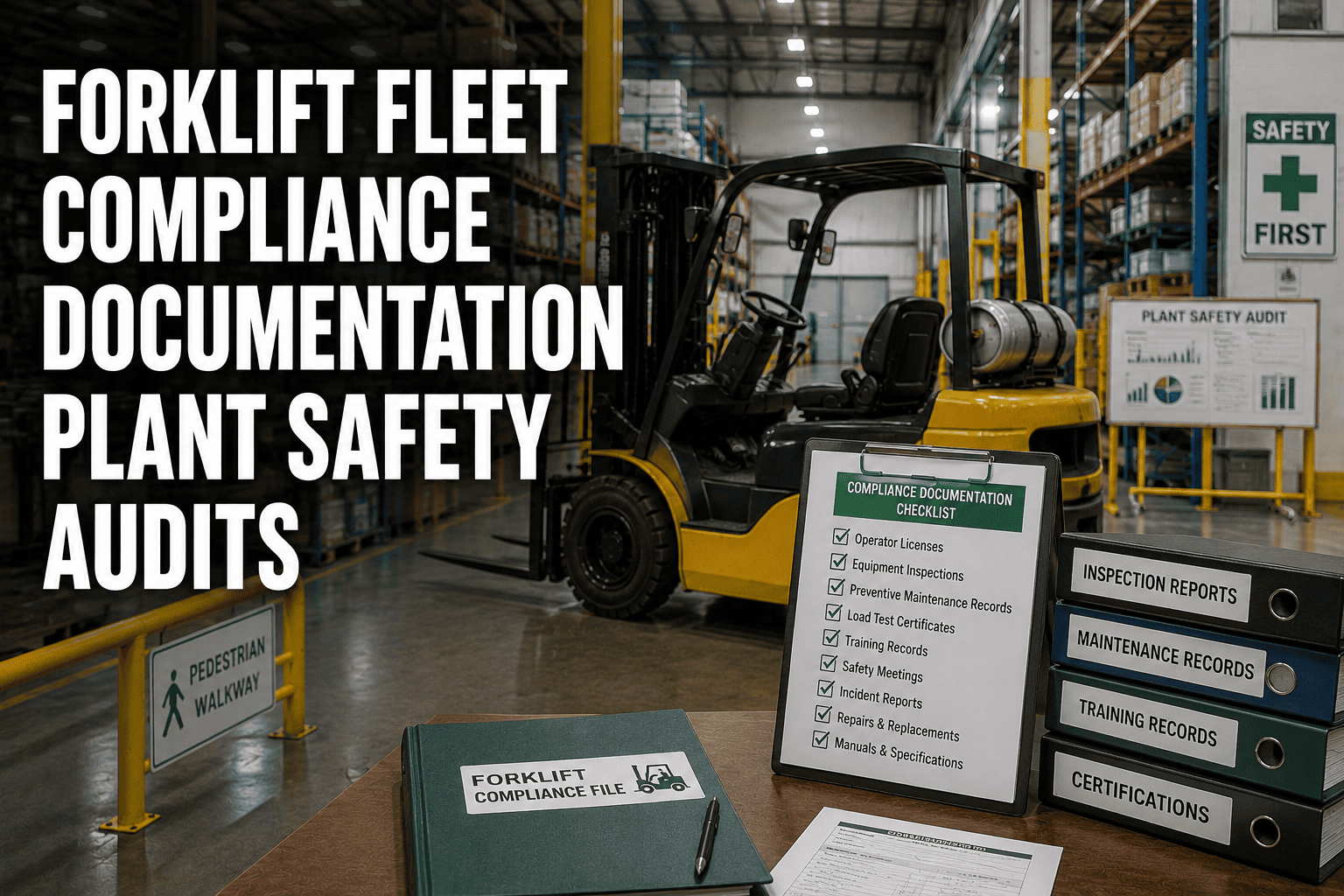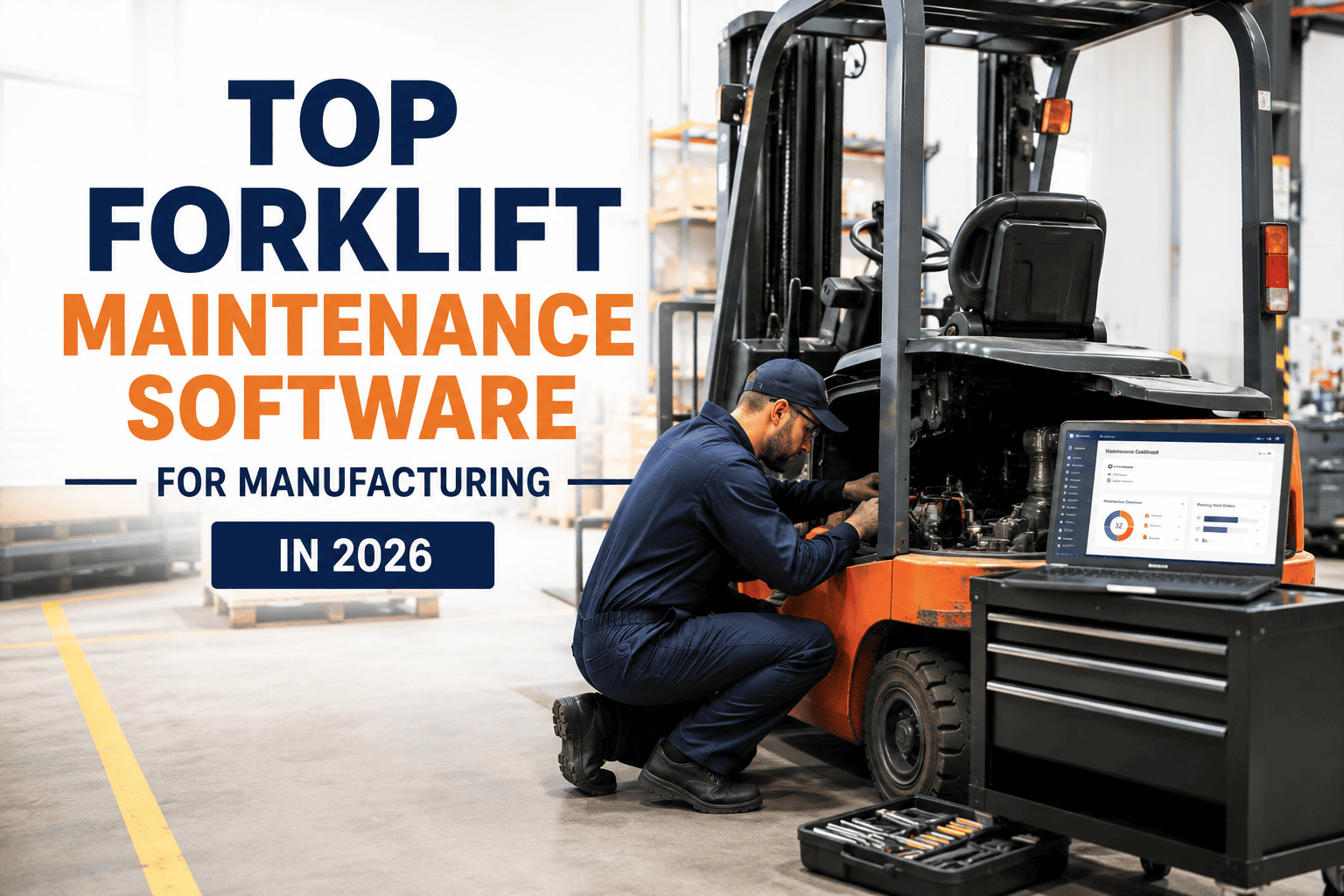
A forklift breakdown never stays a forklift problem for long. Within minutes it becomes a shipping delay, then a production bottleneck, then an overtime bill for the technician who has to drop scheduled work to fix it. Forklift maintenance software exists to stop that chain reaction before it starts, by scheduling service around actual wear instead of a wall calendar. Here is what the top forklift maintenance software for manufacturing plants actually does differently in 2026, and how to tell if your current setup is still stuck in the reactive era.
Top forklift maintenance software tracks run hours and sensor data to trigger service automatically, generates work orders with parts and checklists attached, and flags developing failures 72 to 96 hours before they happen. Manufacturing plants using predictive maintenance typically cut maintenance costs by 25 to 35 percent and avoid up to 75 percent of unplanned breakdowns compared to calendar-based service alone.
How Forklift Maintenance Software Actually Works
Most plants think of maintenance software as a digital calendar. The best platforms work more like a nervous system for your fleet, constantly reading data from every truck and turning it into action before a technician ever gets a call. The process usually breaks down into four connected steps.
Preventive vs Predictive vs Reactive: What the Difference Actually Costs
Every manufacturing plant runs on some mix of these three maintenance styles, whether they realize it or not. Understanding where your fleet sits today is the fastest way to see how much room for improvement exists.
| Maintenance Style | How It Works | Typical Cost Impact |
|---|---|---|
| Reactive | Repairs happen after a breakdown, with no scheduled service in between | Highest cost. Emergency repairs run 3 to 5 times more than the same job scheduled in advance |
| Preventive | Service triggers on a fixed calendar or run-hour interval, regardless of actual condition | Moderate cost. Prevents most catastrophic failures but can over-service healthy components |
| Predictive | Sensor and telematics data trigger service based on real wear, not a fixed schedule | Lowest cost. Plants typically see 25 to 35 percent lower maintenance spend versus preventive alone |
Why Run Hours Beat the Calendar
A forklift that runs two shifts a day wears out faster than one that sits half the week. Software that schedules service by run hours instead of the date on a wall calendar services busy trucks sooner and leaves underused trucks alone, which alone accounts for a meaningful share of the cost savings plants see after switching.
Why Fault Codes Matter More Than Most Plants Realize
Modern forklifts generate controller fault codes constantly, and most of them sit unread in the onboard system for days or weeks. A hydraulic leak that goes unnoticed can turn a 400 dollar hose replacement into a repair costing several times more once fluid contamination and pump wear set in. Maintenance software that surfaces fault codes in real time is what closes that gap.
FleetRabbit tracks run hours, fault codes, and component wear across every forklift in your fleet, and turns that data into automated work orders before a breakdown happens. Sign up for a free trial and see live data from your fleet today, or book a demo to walk through your current maintenance workflow with a specialist.
Five Signs Your Plant Is Still Maintaining Forklifts the Old Way
Plants rarely decide to switch maintenance software on a single dramatic breakdown. It is usually a slow accumulation of small warning signs that finally add up. Check your operation against this list.
What the Best Maintenance Platforms Include
Vendors describe their tools differently, but the platforms manufacturing plants actually stick with tend to share the same core capabilities underneath the branding.
Automated Work Order Generation
Service triggers a work order the moment a threshold is hit, complete with the correct checklist and parts list, instead of waiting for someone to notice a truck is due.
Component-Level Wear Tracking
Tire pressure, brake hydraulic pressure, mast cycle counts, and fluid temperature get tracked individually, so alerts point technicians to the exact part instead of a vague truck-wide warning.
Mobile Technician Checklists
Technicians complete step-by-step digital checklists on a phone or tablet at the asset, capturing readings and photos that stay attached to the permanent maintenance record.
ERP and Parts Inventory Integration
Maintenance data flows directly into plant systems, so parts usage, technician hours, and repair costs reconcile automatically instead of through manual data entry.
The ROI Math Plant Managers Actually Use
Manufacturing plants rarely need convincing that unplanned downtime is expensive. What they need is a number. Line stoppage in high-throughput manufacturing typically runs 2,000 to 8,000 dollars per hour, and a single unplanned failure often costs 3 to 5 times more to repair than the same job done on a scheduled basis. Layer in that well-maintained forklifts last 10,000 to 20,000 hours compared to 5,000 to 8,000 hours for neglected equipment, and the case for switching becomes a straightforward calculation rather than a leap of faith. If you want that math run against your own fleet size and shift pattern, a quick demo call is usually enough to get a real estimate.
Frequently Asked Questions
Maintenance software will not stop every breakdown, but the plants running predictive systems today are the ones catching hydraulic leaks before they contaminate a pump, and replacing worn tires before they fail mid-shift instead of after. The gap between reactive and predictive maintenance shows up fastest in the maintenance budget, and it keeps compounding every quarter you wait.
FleetRabbit gives manufacturing plants automated work orders, real-time fault code monitoring, and run-hour based scheduling in one connected platform. Start your free trial today with no credit card required, or book a short demo and see your fleet's maintenance data in action.