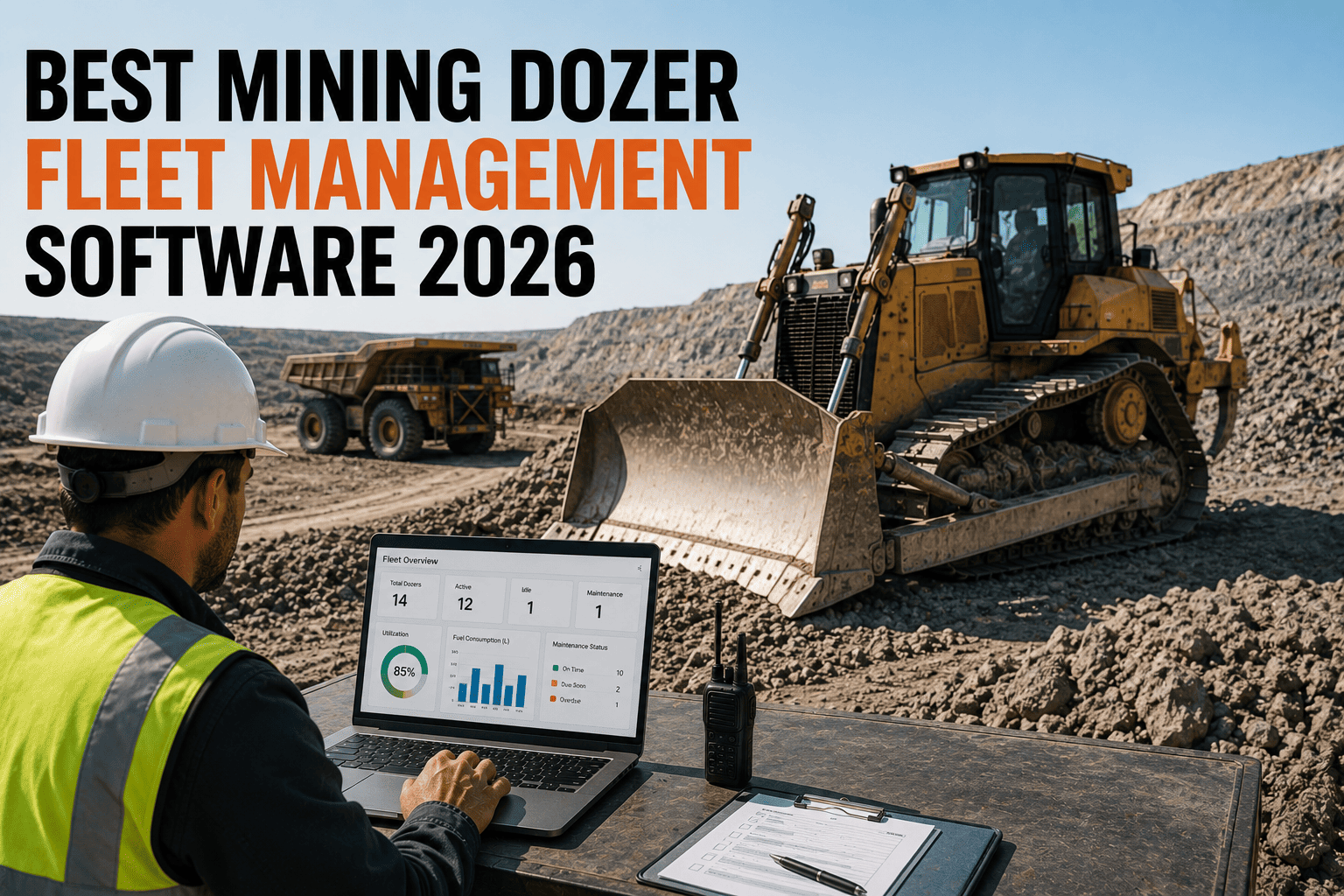
A mining dozer earns its keep one push at a time, clearing benches, maintaining haul roads, and reshaping waste dumps under loads that would destroy lighter equipment within weeks. But the single biggest cost driver on a dozer is not the engine, not the blade, and not the hydraulics. It is the undercarriage, and most mine sites are still managing it with a tape measure and a memory instead of real data.
Mining dozer fleet management software tracks engine hours, undercarriage wear, and fuel consumption per machine in real time, then ties that data to predictive maintenance scheduling. Since undercarriage accounts for roughly half of total dozer maintenance cost, software that catches wear early and times track, sprocket, and idler replacement correctly can meaningfully extend component life and avoid the unplanned downtime that comes from running an undercarriage past its safe service window.
Why Dozer Fleet Management Looks Different From Every Other Mining Asset
Haul trucks wear their tires and brakes. Excavators wear their hydraulics and swing bearings. Dozers wear their undercarriage, and they do it faster than almost any other component category in mining because of how the machine works. Every push, every reverse, every turn under load puts the tracks, rollers, idlers, and sprockets through abrasive ground contact that starts wearing the moment the machine first moves. In mining environments specifically, where ground conditions are often sand, shale, or broken rock rather than soft soil, that wear accelerates even further.
This single fact reshapes what fleet management software needs to prioritize for a dozer fleet compared to trucks or loaders. Engine hours still matter for standard preventive maintenance, but the metric that actually drives cost on a mining dozer is undercarriage condition, tracked over time, against the specific ground conditions and operating pattern of that machine. Mining dozer fleet management software exists to close exactly this gap, turning undercarriage wear from a surprise into a predictable, scheduled cost.
Where Dozer Maintenance Dollars Actually Go
Breaking down a typical dozer maintenance budget shows just how dominant undercarriage cost really is, and why software that ignores it is only managing half the problem.
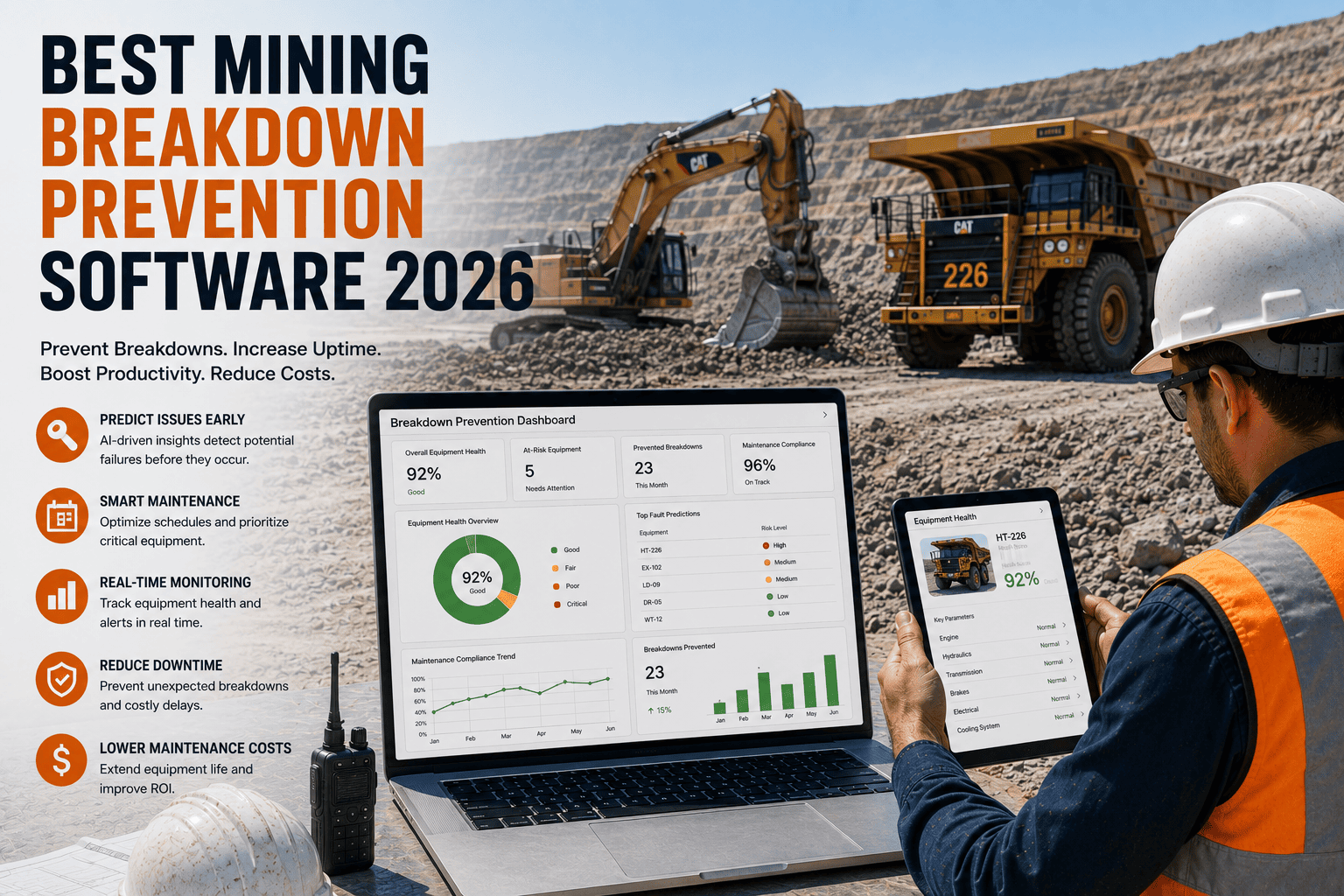
FleetRabbit tracks engine hours, fuel burn, and maintenance history for every dozer on site, giving your team the data to plan undercarriage replacement before it becomes an emergency. Sign up free and see your fleet's status within a day.
What Mining Dozer Fleet Management Software Should Actually Track
A platform that simply shows a dot on a map for every dozer is not managing the fleet, it is just locating it. The software that actually moves the needle on cost and uptime covers four specific areas tied directly to how dozers fail and what makes them expensive.
Engine-Hour Based Maintenance Scheduling
Standard preventive maintenance, including engine oil, filters, and fluid checks, should trigger automatically from real engine hours pulled through OEM telematics rather than a fixed calendar date. A dozer working three shifts on bench preparation accumulates hours far faster than one on lighter waste dump duty, and a single fleet-wide schedule cannot account for that difference.
Undercarriage Wear Tracking Over Time
Because undercarriage represents roughly half of total maintenance cost, tracking track shoe, sprocket, and idler wear measurements over time is the single highest-leverage thing a dozer maintenance program can do. Comparing wear trend against operating hours and ground conditions lets a maintenance team plan a track replacement during a scheduled shutdown instead of discovering it as an unplanned failure mid-shift.
Fuel Consumption and Idle Time Monitoring
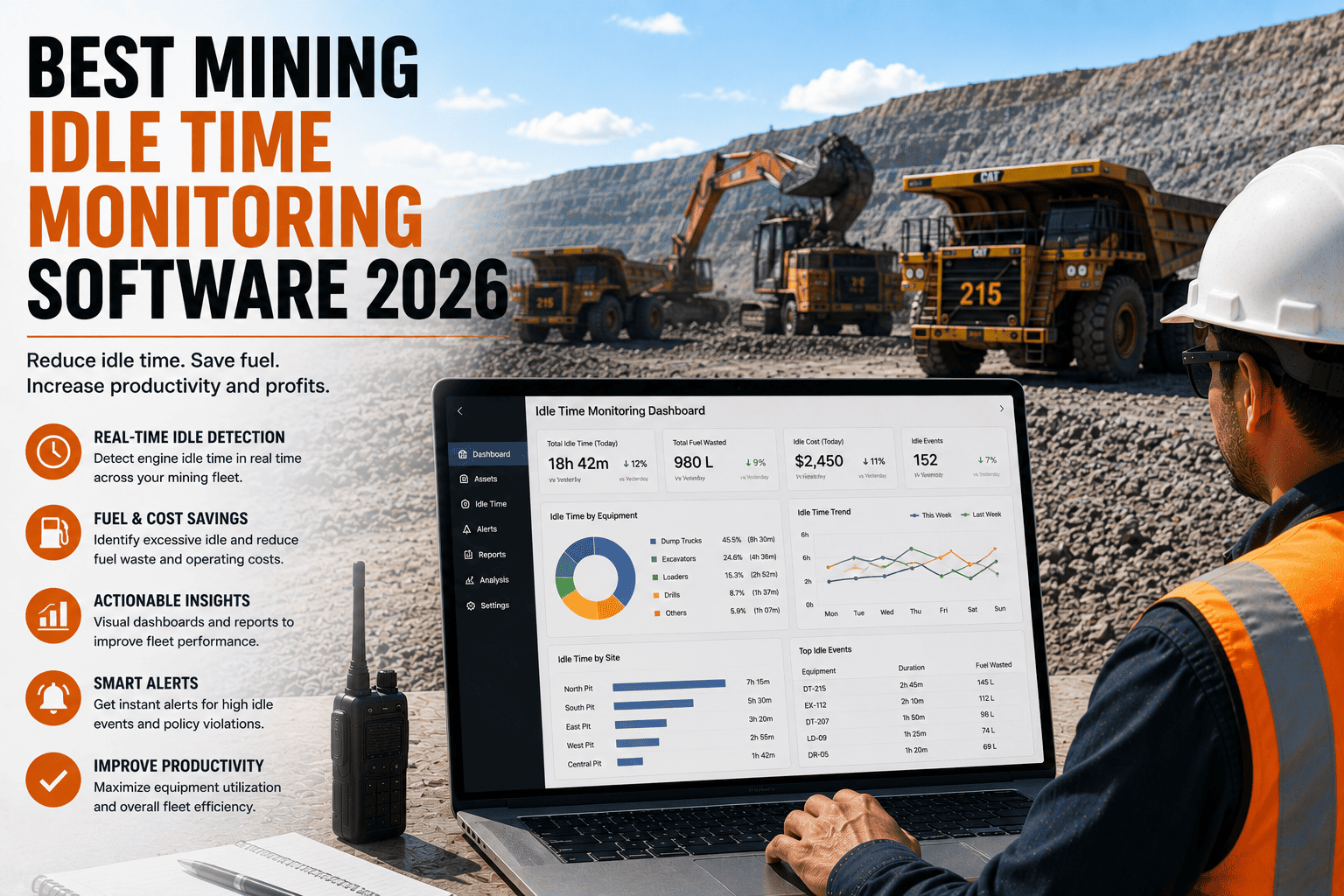
A dozer that sits idling for 15 to 20 percent of its engine-on hours is burning fuel and accruing engine wear with zero production to show for it. Tracking idle time against productive pushing time exposes this immediately, and automatic alerts let dispatch redeploy or shut down equipment before the cost compounds across a shift.
Per-Asset Cost-Per-Hour Reporting
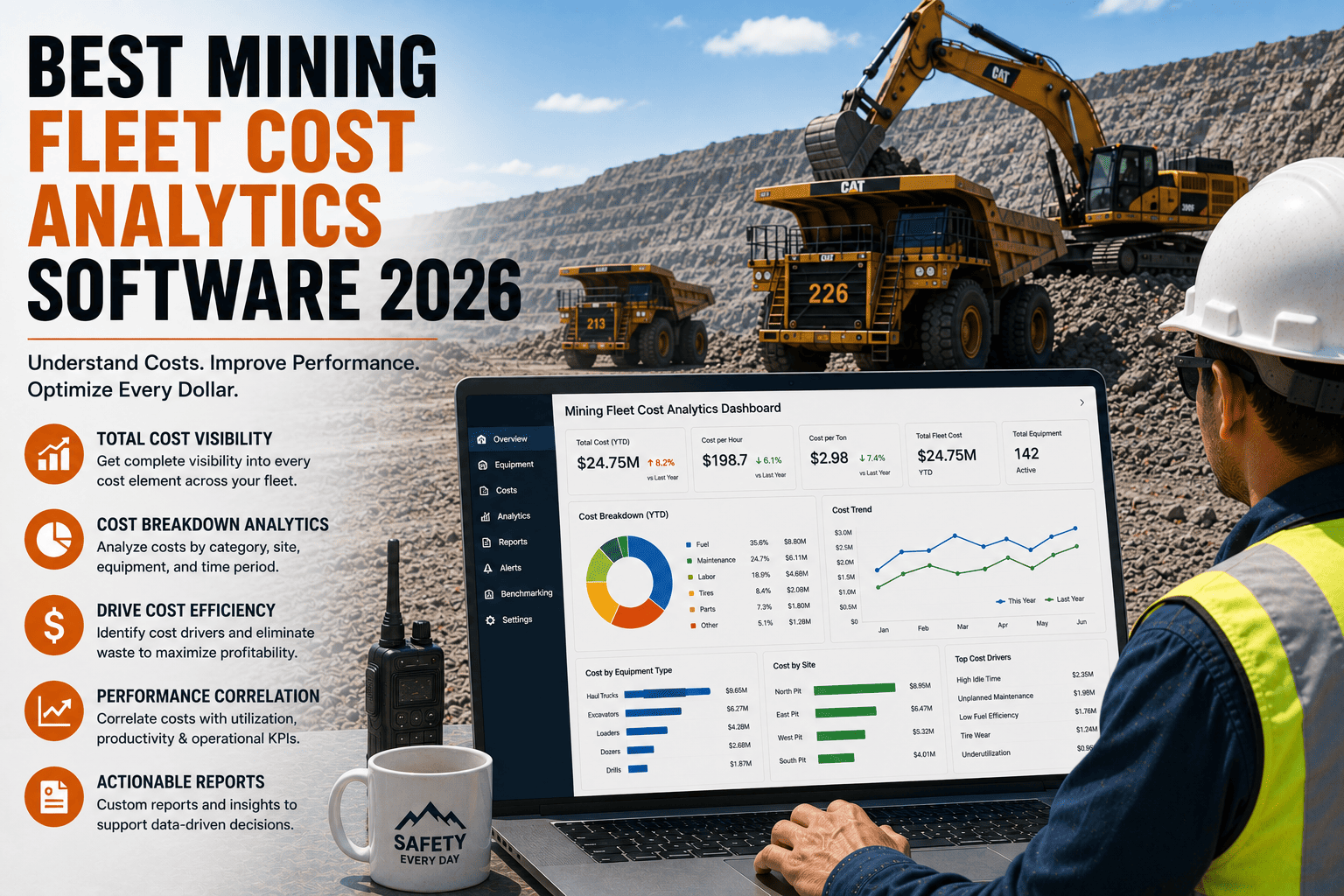
Rolling fuel, maintenance, and depreciation into a single cost-per-hour figure for each individual dozer, rather than a fleet average, is what actually answers the question every mine manager eventually has to ask: is this specific machine still worth keeping, or is it quietly becoming a liability that should be replaced.
| Maintenance Area | Why It Matters On A Dozer | Common Failure Mode | How Software Fixes It |
|---|---|---|---|
| Undercarriage | Roughly 50 percent of total maintenance cost | Wear goes unmeasured until a track or sprocket fails | Wear trend tracking tied to operating hours and ground type |
| Engine & Powertrain | Continuous high-load operation under push and reverse | Calendar-based PM misses true usage intensity | Engine-hour triggers pulled from OEM telematics |
| Fuel Consumption | Idle time on a heavy machine burns significant diesel | Idle hours go unnoticed without per-shift tracking | Automated idle-time alerts to dispatch |
| Replacement Timing | An aging dozer's true cost is easy to underestimate | Repair-or-replace decisions made on instinct, not data | Cost-per-hour trend line per individual asset |
What an Unmanaged Undercarriage Is Actually Costing Your Fleet
The math behind undercarriage management is some of the clearest ROI in mining maintenance. Since undercarriage already represents about half of a dozer's lifetime maintenance spend, even a modest improvement in how precisely that wear is tracked and timed translates directly into real savings. A track system replaced two months early because nobody was tracking wear data wastes useful service life. The same component pushed past its safe window risks a structural failure that turns a planned component swap into unplanned downtime, expedited parts shipping, and a multi-day repair.
Operations using comprehensive fleet reliability programs with predictive maintenance and telematics typically see maintenance costs fall 16 to 25 percent and uptime improve 10 to 20 percent across the fleet. For a mine running several dozers across multiple pits, that gap is the rough equivalent of recovering a full machine's worth of productive capacity without buying a new one. Book a demo to see what that math looks like applied to your specific dozer fleet.
What To Look For When Comparing Dozer Fleet Software in 2026
Plenty of fleet platforms claim mining coverage, but few are actually built around the wear patterns specific to a dozer fleet rather than adapted from haul truck or general construction tracking.
OEM Telematics Compatibility
Look for direct integration with Cat MineStar, Komatsu KOMTRAX, Volvo CareTrack, and similar OEM systems so engine hours and fault codes sync automatically rather than relying on manual entry that inevitably falls behind on a busy site.
Undercarriage-Specific Tracking Fields
A generic asset tracker has no concept of track shoe wear or sprocket condition. The right platform should let a maintenance team log undercarriage measurements over time and see a wear trend per machine, not just a generic maintenance due date.
Offline-Capable Digital Inspections
Pre-shift inspections on a dozer often happen at remote benches or waste dumps with no cellular coverage. Mobile inspection tools that require a live connection get abandoned and replaced with paper within weeks. The right software captures the inspection offline and syncs once the device reconnects.
Fast Setup Without a Long Rollout
A mid-size dozer fleet should not need months of configuration to get useful data flowing. Sign up for a platform that connects to what is already on your machines and surfaces a first fleet report within a day.
FleetRabbit connects to your existing OEM telematics, tracks engine hours and fuel burn automatically, and gives your maintenance team the data to plan undercarriage replacement before it becomes an emergency. No new hardware. No long rollout.
Frequently Asked Questions
The Bottom Line on Mining Dozer Fleet Management
A dozer fleet's biggest cost lives in a component most maintenance programs still manage by instinct rather than data. Treating undercarriage wear as a predictable, trackable cost rather than an eventual surprise is the single highest-leverage change a mine site can make to its dozer maintenance budget. Paired with engine-hour scheduling and real fuel tracking, that shift turns a fleet that has always felt expensive to maintain into one whose costs are finally visible, plannable, and controllable.
FleetRabbit turns engine hours, fuel burn, and maintenance history into a live dashboard for every dozer on your site, so undercarriage replacement gets planned instead of discovered as a breakdown. No new hardware. No long rollout. No credit card required to start.