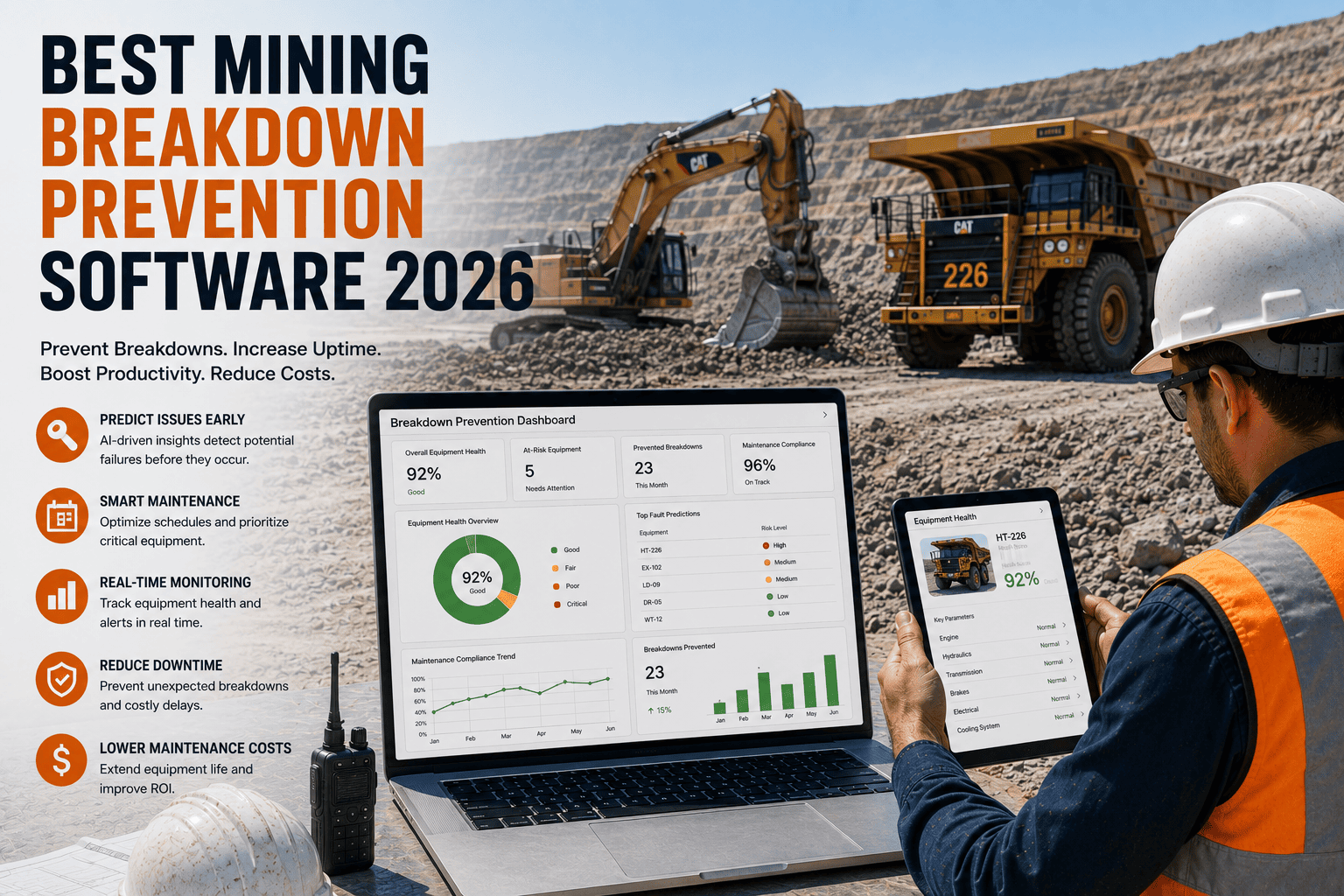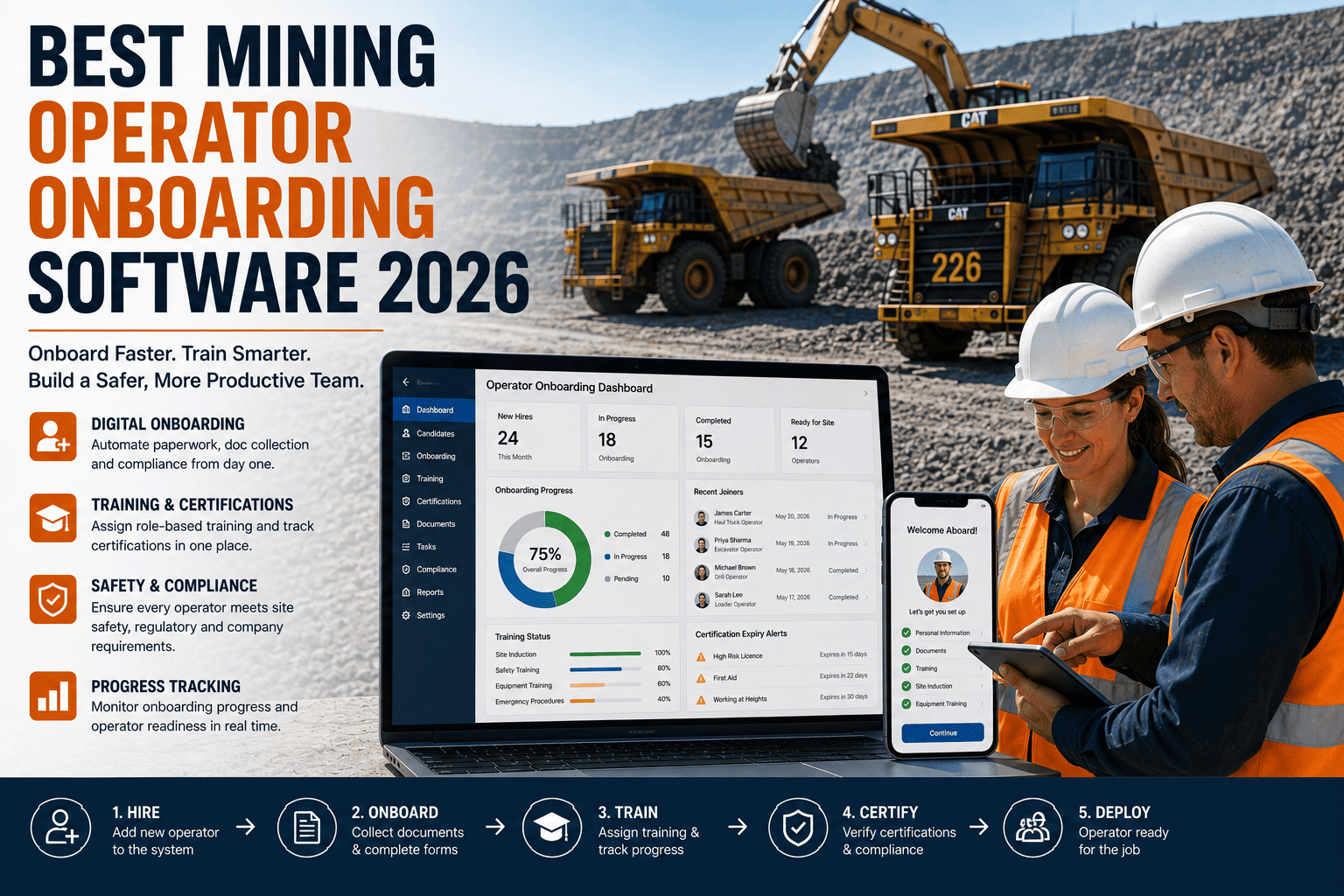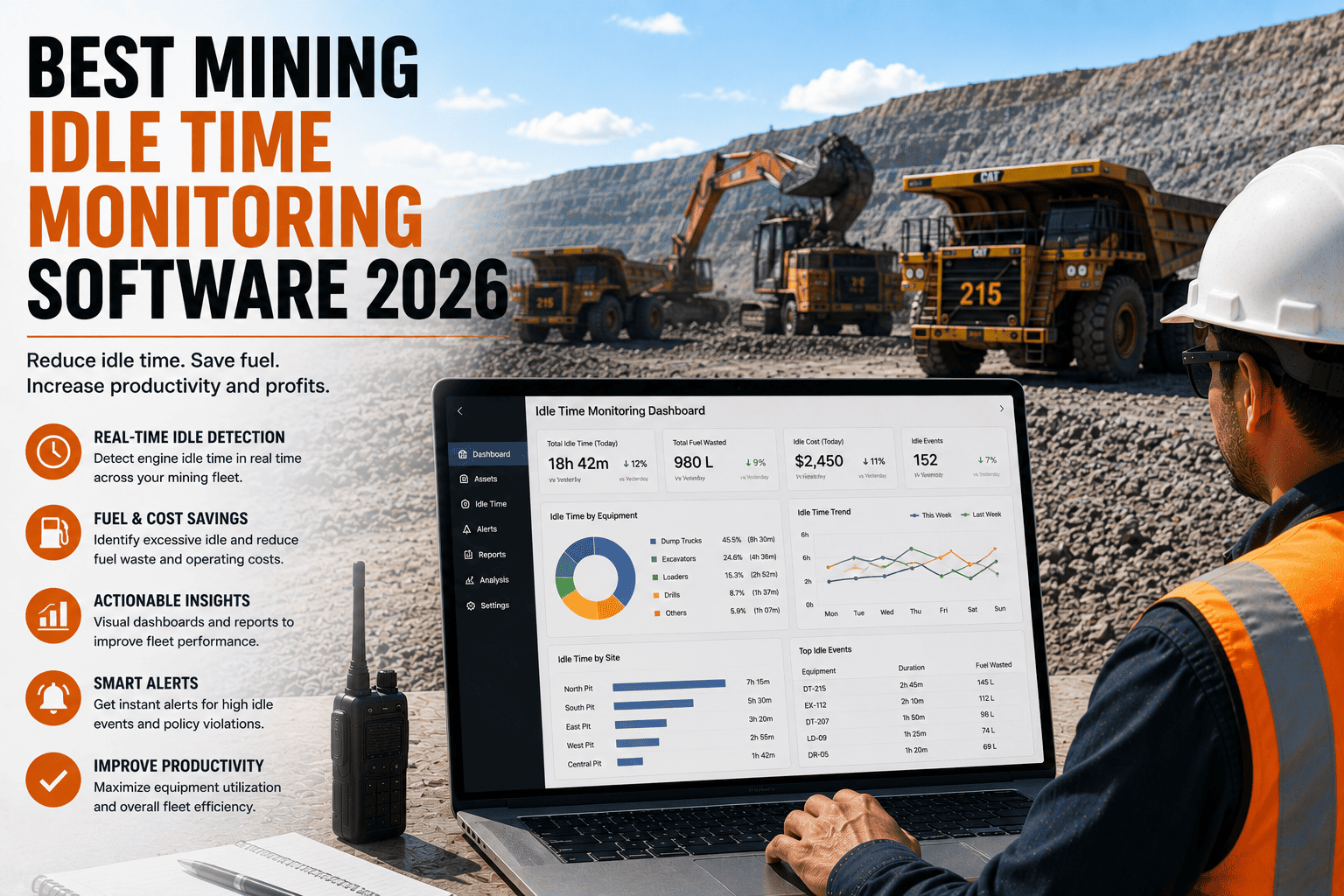
A dump point can undo everything a shovel spends all shift building up. Load a truck perfectly, haul it efficiently, and then park it behind three other trucks at a crusher that just went down for five minutes, and the entire cycle was wasted anyway. Dump point congestion is one of the least visible bottlenecks in mining because it forms at the very end of the haul cycle, far from where planners are usually watching, and it rarely gets fixed until someone adds up how many hours the fleet actually spent standing still there.
Mining dump point management software tracks crusher and waste dump status in real time and automatically reroutes trucks the moment a dump point slows down, backs up, or goes offline. Instead of trucks queuing on a status they cannot see, dispatch reassigns them instantly to waste hauling or an alternate dump, keeping the fleet productive even when a single dump point stalls.
Why Dump Points Become the Hidden Bottleneck
Every truck in the pit eventually funnels into a small number of dump points, which makes them the narrowest part of the entire haulage system. A crusher or waste dump has a fixed service rate, and when arrivals exceed that rate even briefly, a queue forms almost instantly and clears slowly. Limited visibility into blockages and material surging at the crusher is a well-documented cause of haul truck queuing that reduces throughput and increases equipment wear across the fleet.
Because every truck on that route converges on the same narrow point, one slow dump doesn't cost a single cycle, it costs every truck behind it that shift.
The Real Cost of an Unmanaged Dump Point
How One Mine Lost Hundreds of Hours to a Status Board
A well-documented case from a Komatsu-equipped operation shows exactly how this plays out without automated tracking. The mine relied on a traffic signal at the road leading to the crusher to tell drivers whether it was running or down, but frequent status changes and no direct link between the crusher operator and central dispatch meant trucks kept arriving and queuing at a crusher that was already offline. Once the mine automated that status notification so dispatch could reroute trucks the instant the crusher went down, monthly truck idle time dropped from 210 hours to 38 hours, because trucks were reassigned to waste hauling or parkup instead of sitting in a queue with no way out.
FleetRabbit tracks crusher and waste dump status live and reroutes trucks automatically the moment a dump point slows down. Sign up free to connect your dump points today, or book a demo to see it mapped against your own site layout.
Manual Status Boards vs Automated Dump Point Management
- Status changes rely on radio calls or a physical sign at the road
- Dispatch learns a dump is down only after trucks are already queuing
- Rerouting decisions depend on one dispatcher remembering fleet positions
- No record of how long each dump point was actually down
- Crusher and dump status updates flow into dispatch instantly
- Trucks are rerouted before they ever reach a closed or slow dump
- Reassignment happens automatically based on live fleet position
- Every stoppage is logged with cause, duration, and trucks affected
What Dump Point Management Software Should Track
Dump Point Status
Ready, down, or restricted, updated the moment conditions change at the crusher or waste dump.
Truck Queue Length
How many trucks are currently approaching or waiting at each dump point in real time.
Throughput Per Hour
Tons processed at each transfer point, so slowdowns are caught early instead of after the shift ends.
Downtime History
A running log of every stoppage by dump point, cause, and duration to guide maintenance priorities.
Turning Dump Point Data Into a Better Shift
Once a dump point's throughput and downtime history are tracked automatically, planners stop guessing which crusher or waste dump is the real constraint. A dump point that looks fine on paper but quietly runs 15 percent slower every afternoon shift becomes visible, and that visibility is what turns a recurring bottleneck into a solved problem instead of a permanent one.
Frequently Asked Questions
A single unmanaged dump point can quietly cost your fleet hundreds of idle hours a month. FleetRabbit gives dispatch live status on every crusher and waste dump so trucks never queue on outdated information. Create your free account to get started today, or book a 30-minute demo to see it configured for your pit.