A bearing does not fail in an instant. It fails over weeks, sending out small, measurable signals the entire time: a shift in vibration frequency, a faint rise in temperature, a sound just above the range a human ear can pick out on a noisy production floor. Condition monitoring software exists to catch those signals the moment they start, turning equipment that used to fail without warning into equipment that tells you exactly what is wearing down and how much time you actually have left to act on it.
What Condition Monitoring Actually Measures
Mining equipment runs through extreme loads, dust, heat, and constant mechanical stress, and every one of those forces leaves a trace in the data a sensor can read. Modern monitoring systems pull from several distinct categories of sensors at once, because no single signal tells the complete story of a machine's health on its own.
Vibration
Captures acceleration across multiple axes, revealing imbalance, misalignment, and bearing wear through specific frequency patterns long before a failure is audible.
Temperature
Tracks heat at bearings, motors, and gearboxes, flagging friction, lubrication failure, or electrical resistance building somewhere it shouldn't be.
Acoustic
Listens for high-frequency sound emissions from material stress, often catching bearing and gear damage weeks before vibration sensors register the same problem.
Oil and Lubrication
Monitors fluid quality and contamination, exposing wear and seal failures inside gearboxes and engines that no external sensor can see directly.
Reading Vibration Like a Fingerprint
Vibration data is unusually precise once you know how to read it. An unbalanced component produces a vibration peak at exactly its rotational frequency. A misaligned shaft generates peaks at both that frequency and double it. A worn bearing creates elevated vibration spread broadly across a wider frequency band instead of one sharp spike. None of this is guesswork. Each failure mode has a distinct signature, which is why software built to interpret these patterns can often tell a maintenance team not just that something is wrong, but specifically what.
Acoustic Monitoring Catches What Vibration Misses
Acoustic sensors pick up sound frequencies far above human hearing range, generated by the friction and stress of material breaking down at a microscopic level. This often provides a meaningful early-warning window, sometimes weeks ahead of when vibration sensors would catch the same developing bearing or gear damage, giving maintenance teams a genuine head start on scheduling a repair instead of reacting to one.
Why One Sensor Type Is Never Enough
A bearing developing a fault will eventually show up across vibration, acoustic, and temperature readings together, but rarely at the same time or with the same intensity. Relying on a single sensor type means missing the failures that happen to develop quietly in whichever signal you are not watching. Combining several sensor categories into one system is what turns scattered readings into a complete, trustworthy picture of equipment health.
From Raw Sensor Data to a Decision Anyone Can Act On
Sensors alone do not prevent downtime. A mine generating data around the clock from hundreds of monitored points produces far more information than any maintenance team can review manually, which is exactly where the difference between raw sensor hardware and real condition monitoring software shows up.
Turning Noise Into a Clear Signal
Good software filters constant sensor readings down to the handful of changes that actually matter, separating a brief, harmless vibration spike from a genuine, sustained drift that signals a developing fault. Without that filtering layer, teams either drown in false alerts or, worse, start ignoring the system altogether.
Connecting Health Data to a Work Order
A flagged sensor reading sitting alone on a dashboard accomplishes nothing if nobody acts on it. The strongest platforms turn a confirmed anomaly directly into a scheduled work order, with the affected asset, the likely failure mode, and a recommended action already attached.
Working Where Connectivity Cannot Be Guaranteed
Underground zones and remote open pits routinely lose signal, so monitoring software built for mining has to buffer and store data locally at the edge, syncing once connectivity returns instead of losing readings entirely during a dead zone.
Real-Time Dashboards by Asset
One view showing every monitored machine's current health, instead of forty separate sensor feeds nobody has time to check individually.
Trend History, Not Just a Snapshot
A single reading rarely tells the whole story. Comparing today's data against a machine's own history is what reveals a genuine developing problem.
Automatic Work Order Generation
The moment a reading confirms a real fault, the repair task should already exist, with the right parts and technician attached.
Rugged Hardware Compatibility
Sensors built for climate-controlled factories fail fast in mining conditions, so the platform needs to support hardware rated for dust, vibration, and extreme heat.
Seeing how this looks against your own fleet is usually the fastest way to understand the value. You can sign up for a free trial and connect your first monitored assets within a day.
How FleetRabbit Brings Condition Data Into One System
FleetRabbit was built so that sensor data never sits disconnected from the rest of your maintenance operation. Vibration, temperature, and other condition readings flow into the same platform that already tracks your fleet's schedules, work orders, and parts inventory, so a developing problem turns into action automatically.
One Dashboard for Every Monitored Asset
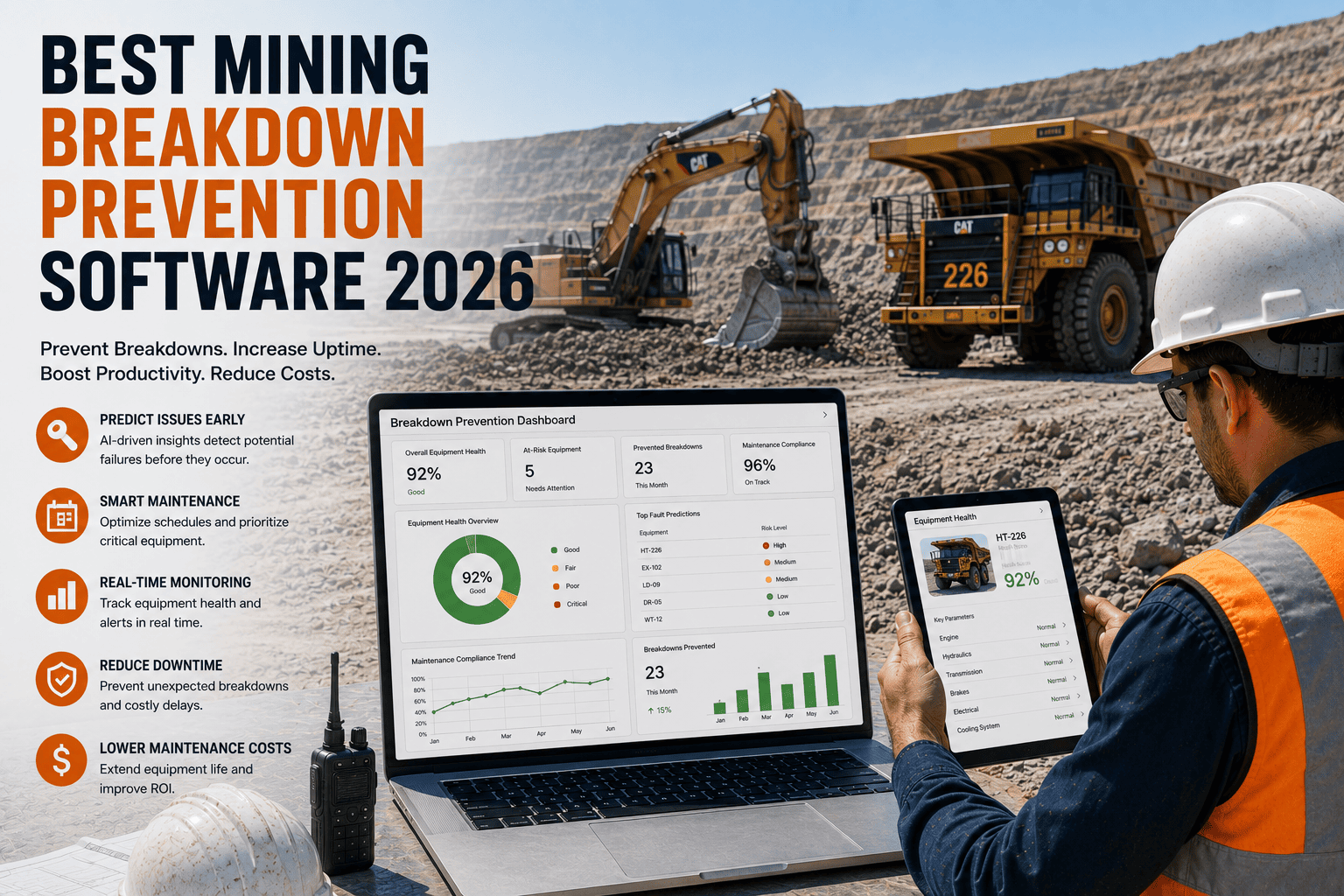
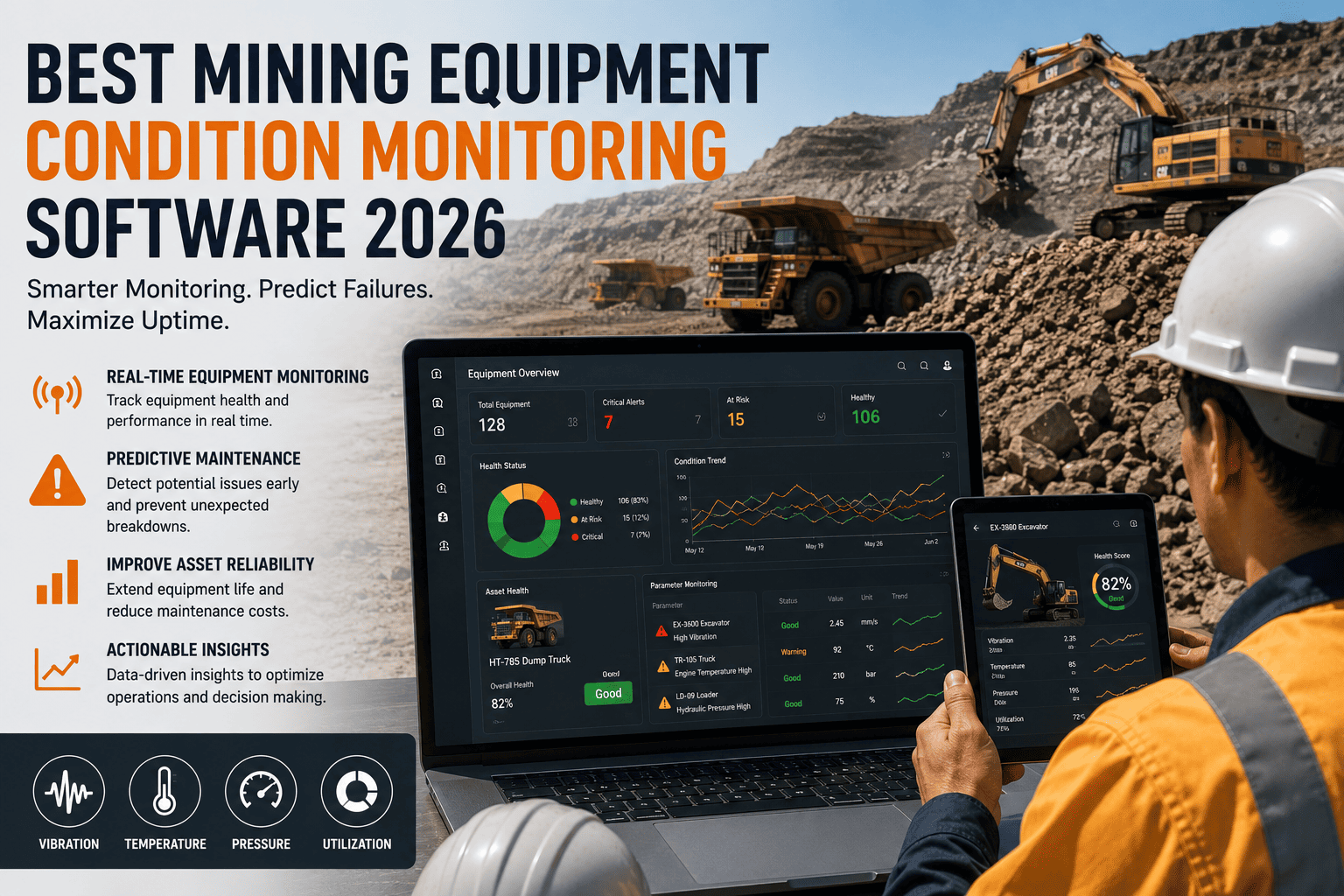
Instead of toggling between separate sensor feeds for every machine, FleetRabbit shows fleet-wide equipment health in a single view, with the assets that need attention surfaced immediately.
Alerts That Trigger Real Work Orders
When a sensor reading crosses a threshold that matters, FleetRabbit creates the work order automatically, attaching the relevant readings so a technician knows exactly what to check before arriving at the machine.
Built to Handle Dead Zones
Readings from underground or remote equipment are captured and stored locally when signal drops, syncing automatically the moment connectivity returns, so nothing is lost during the gaps every mine site eventually deals with.
Stop Reacting to Failures You Could Have Seen Coming
FleetRabbit turns vibration, temperature, and condition sensor data into clear, fleet-wide visibility and automatic work orders, so a developing fault gets scheduled instead of discovered after a breakdown. Sign up for a free trial and connect your first assets today, or book a demo to see your specific equipment and sensor setup walked through on the call.
What Condition Monitoring Actually Saves
The case for condition monitoring software is not abstract. Moving from rigid, calendar-based maintenance to condition-driven scheduling has been shown to cut maintenance planning time substantially while lowering overall maintenance costs, and those savings compound quickly across a large mining fleet where every monitored asset represents real downtime risk.
The Cost of Catching a Problem Two Weeks Early
A bearing or gearbox caught during its early failure stage is typically a scheduled repair measured in hours. The same component left undetected becomes a catastrophic failure measured in days of downtime, custom-manufactured replacement parts, and a repair bill that dwarfs what early detection would have cost. The gap between those two outcomes is exactly what condition monitoring is built to close.
Frequently Asked Questions
Your Equipment Is Already Sending the Warning Signs
The only question is whether anything is set up to catch them in time. FleetRabbit turns vibration, temperature, and condition sensor readings into clear alerts and automatic work orders across your entire mining fleet, so the next bearing failure shows up on a schedule instead of in the middle of a shift. Get started with a free trial or talk through your specific equipment and sensors with our team first.