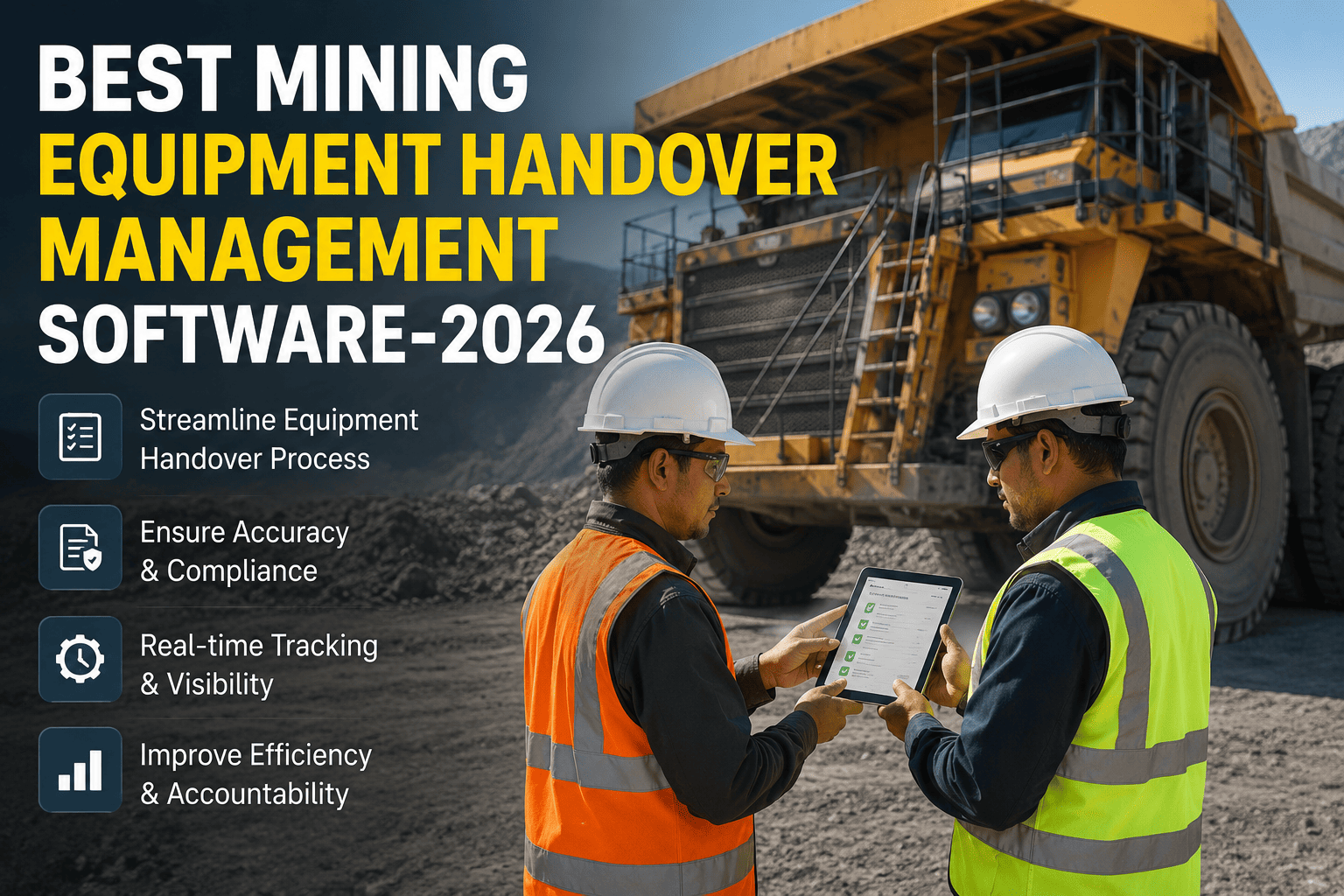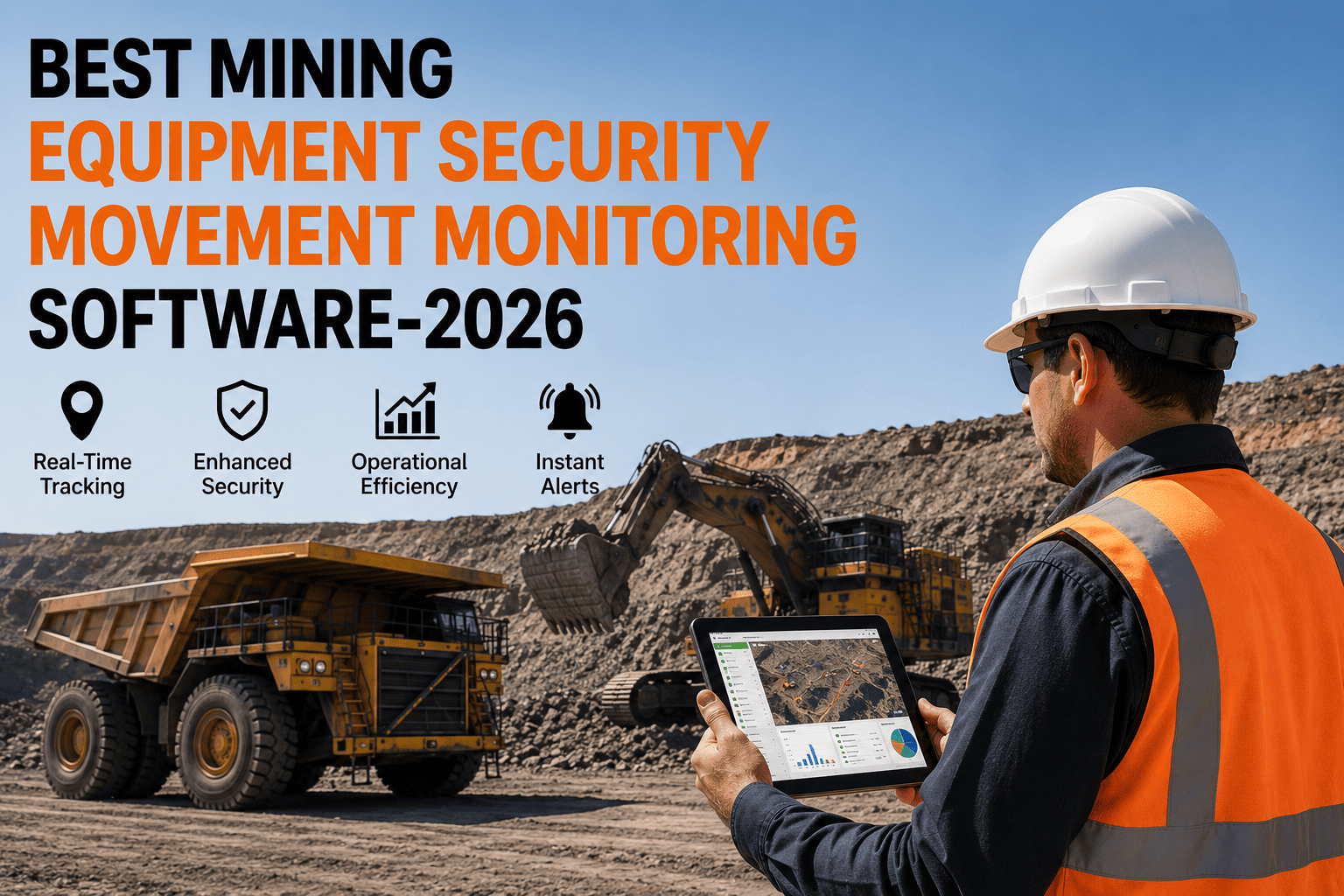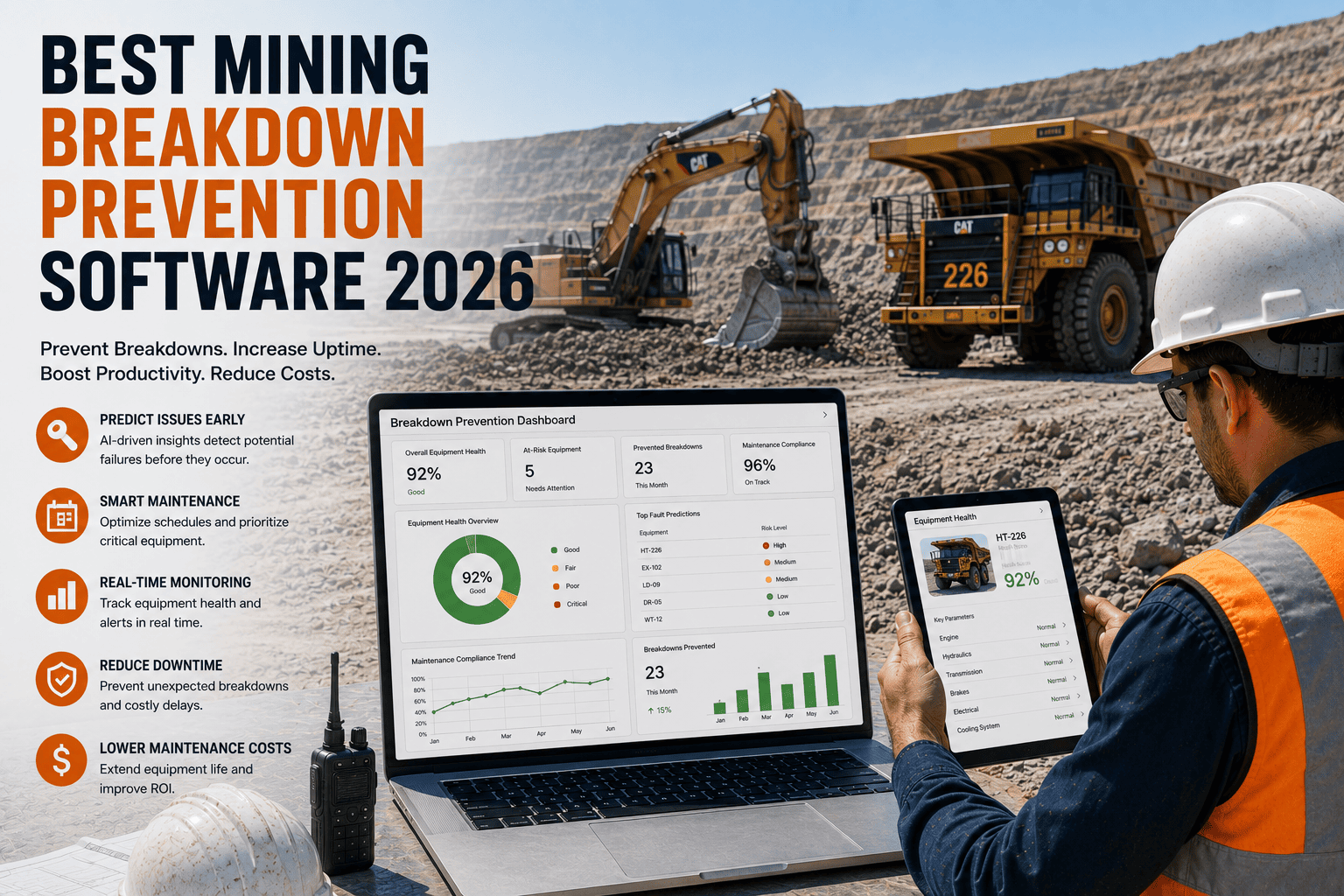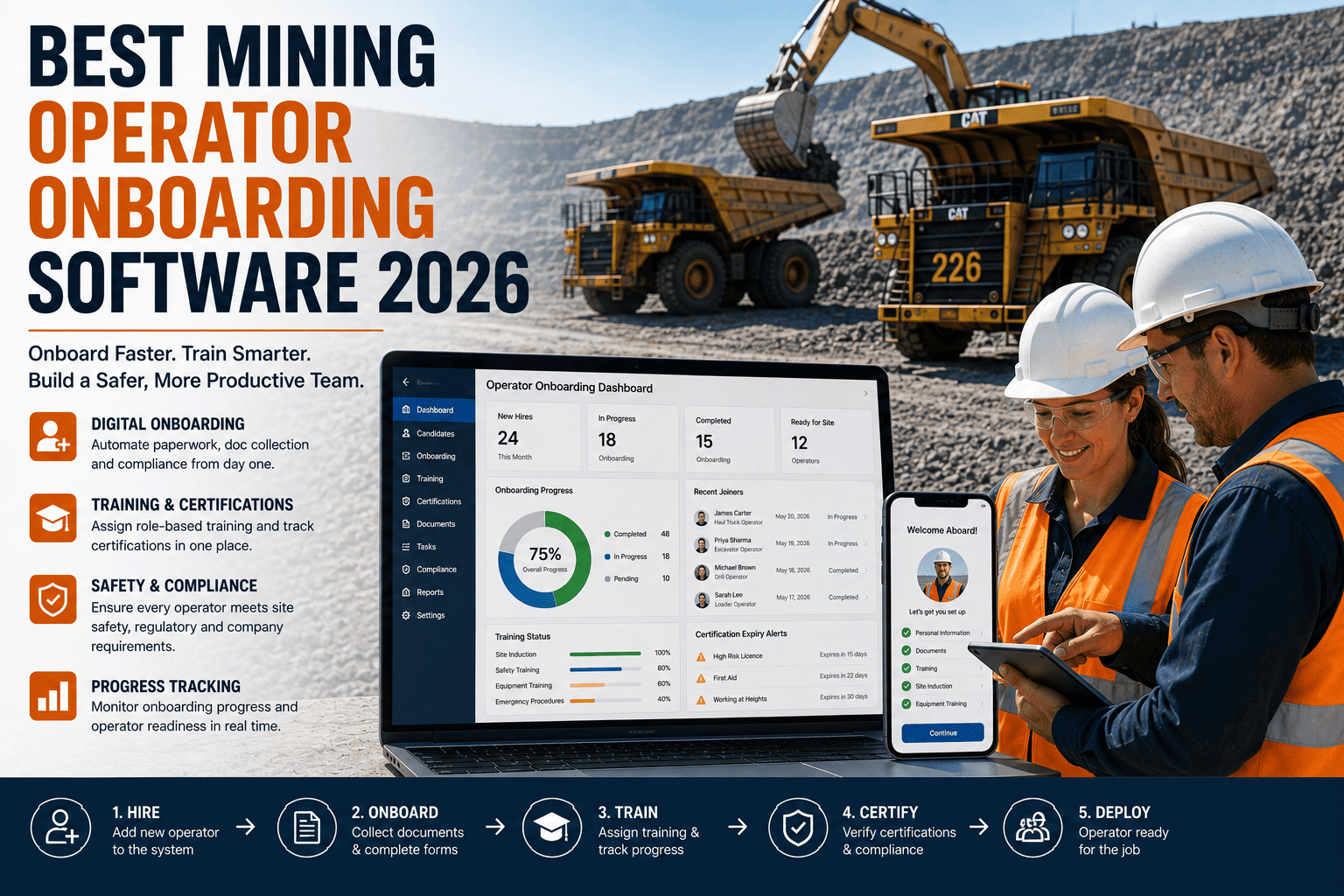
In open-pit and underground mining, equipment downtime is not just an inconvenience — it is a production crisis. A single haul truck sitting idle due to an unplanned failure can stall an entire shift. A missed preventive maintenance interval on an excavator can snowball into a $100,000 repair. And when maintenance is tracked on whiteboards, paper logs, and radio calls, these failures do not just happen occasionally — they happen on a schedule you cannot predict. Sign up for FleetRabbit AI today and get your entire mining fleet into a live maintenance dashboard before your next shift starts.
This guide covers what mining equipment maintenance software actually delivers for active mine sites, the six capabilities that separate purpose-built platforms from generic CMMS tools, a side-by-side comparison of the leading options in 2026, and how FleetRabbit AI gives operations of every size real maintenance control — from engine-hour PM scheduling to MSHA-ready compliance records — in one platform that deploys in under a day. Book a free demo to see it live on your own fleet data.
Why Mining Maintenance Keeps Failing Without the Right Software
Most mine sites are still managing equipment maintenance the same way they did 20 years ago — clipboards, calendars, and gut instinct. The result is predictable: missed PMs, surprise breakdowns, and maintenance teams permanently stuck in reactive mode. If your operation is still running on paper, you are almost certainly losing tens of thousands of dollars per year in preventable repair costs and lost production. Start a free FleetRabbit trial and see exactly where your fleet is falling behind.
Missed PM Intervals
Calendar-based scheduling does not match real equipment usage. A haul truck running three shifts hits its 250-hour oil interval in under two weeks — not on next month's calendar date. Manual tracking misses these constantly.
Incomplete Inspections
Paper pre-shift checklists get skipped, lost, or filled in at the end of the shift from memory. Early warning signs in tires, brakes, and hydraulics go undetected until the equipment fails mid-production.
Reactive Breakdown Culture
When maintenance is reactive, technicians spend every shift firefighting. Emergency repairs cost 3 to 9 times more than the planned PM that would have prevented the breakdown — and kill production targets in the process.
No Unified Asset Visibility
Without a central dashboard, supervisors cannot see which equipment is overdue for service, which is grounded, and which is trending toward failure — until the breakdown has already happened and the shift is already lost.
The Numbers Behind Mining Maintenance Costs
Equipment-related costs — maintenance, fuel, tires, and downtime — account for more than half of total open-pit operating expenditure. Every efficiency gain in maintenance directly reduces the largest line item on the P&L.
Emergency breakdown repair on heavy mining equipment costs 3 to 9 times more than the scheduled PM that would have prevented it. A single major hydraulic failure can cost $50,000 to $200,000 in parts and lost production.
Manual, calendar-based maintenance scheduling typically achieves only 60 to 70 percent PM compliance on active mine sites — meaning 30 to 40 percent of scheduled services are missed, delayed, or completed late.
Engine-hour based PM scheduling with automated work order generation pushes compliance above 95 percent — turning maintenance from a reactive cost center into a predictable, controllable operating expense.
6 Must-Have Capabilities in Mining Equipment Maintenance Software
Generic CMMS platforms are built for warehouses and facilities — not for 100-ton haul trucks, remote pit environments, and MSHA compliance requirements. These six capabilities define software that actually works for mining. Book a 30-minute demo to see all six live in FleetRabbit.
Engine-Hour Based PM Scheduling
Mining equipment is maintained in engine hours, not calendar days. Software must pull live engine hour data from telematics, calculate next-due dates automatically for every asset, and generate work orders before trucks become overdue. FleetRabbit does this automatically — moving PM compliance from 60–70% on manual systems to 90–95% within the first month of deployment.
Offline-First Mobile Inspections
Operators in remote open-pit areas and underground drives work without reliable connectivity. Pre-shift inspection software must function completely offline and sync data the moment signal returns. Any platform that requires internet to submit an inspection will see compliance collapse exactly when you need it most — at the start of a remote shift in poor conditions.
Digital Work Order Management
Work orders must be created, assigned, tracked, and closed entirely within the platform. Technicians see job details, parts required, and safety steps on mobile. Supervisors see completion status in real time — not in tomorrow's paper report. Work orders triggered by inspection defects should link automatically to the equipment record, creating a complete maintenance history without manual data entry.
Telematics and GPS Integration
The platform must integrate with your existing telematics hardware to pull engine hours, fault codes, and location data automatically. No manual entry. No double-handling. Every asset's health data feeds directly into maintenance scheduling without operator input — and the system flags diagnostic fault codes as potential work order triggers before the equipment reports a problem in the field.
MSHA Compliance Documentation
Mining maintenance software must produce audit-ready records at the click of a button. Inspection histories, PM completion logs, and work order records need to be stored, searchable, and exportable — not buried in paper binders or disconnected spreadsheets that take hours to compile before an inspection. FleetRabbit stores every record automatically and generates MSHA-ready reports on demand.
Unified Fleet Maintenance Dashboard
Every asset in your fleet — haul trucks, excavators, loaders, drills, support vehicles — must appear in a single dashboard showing current status, upcoming PM due dates, open work orders, and inspection history. One screen, full fleet, always current. When supervisors can see the complete picture at a glance, they stop managing by exception and start managing proactively.
Mining Maintenance Software Compared — 2026
The market spans million-dollar enterprise EAM platforms built for global mining corporations to generic fleet tools that were not designed for mining at all. Here is how the major categories compare for small-to-mid-size open-pit operations. You can also start a free FleetRabbit trial and compare it against your current system in the first 14 days.
| Capability | FleetRabbit AI | Enterprise EAM Maximo, SAP, Hexagon |
Mid-Market CMMS UpKeep, Fiix, MaintainX |
Paper & Spreadsheets |
|---|---|---|---|---|
| Engine-hour PM scheduling | Automatic, real-time | Yes, complex configuration | Calendar-based only | None |
| Offline mobile inspections | Full offline, auto-sync | Partial offline mode | Online required | Paper only |
| Telematics integration | Built-in, all major providers | Custom integration project | Limited or add-on | None |
| MSHA compliance reports | One-click, built-in | Configurable add-on | Not available | Manual binders |
| Digital work orders | Fully mobile, real-time | Yes, steep learning curve | Basic work orders | None |
| Purpose-built for mining | Yes | Configurable for mining | Not specifically | No |
| Setup time | Same day, self-serve | 3 to 12 months | 2 to 6 weeks | N/A |
| Monthly cost | $5 per asset | $150–$400 per user | $45–$100 per user | Hidden in breakdowns |
Enterprise platforms like IBM Maximo, SAP S/4HANA, and Hexagon EAM are powerful tools for global mining corporations — but implementation costs start in the six figures and rollouts take months. For operations running 10 to 100 assets, FleetRabbit delivers the mining-specific capabilities that matter at a fraction of the cost and complexity. Book a demo to see it configured for your fleet size.
Your Entire Mining Fleet — One Live Maintenance Dashboard
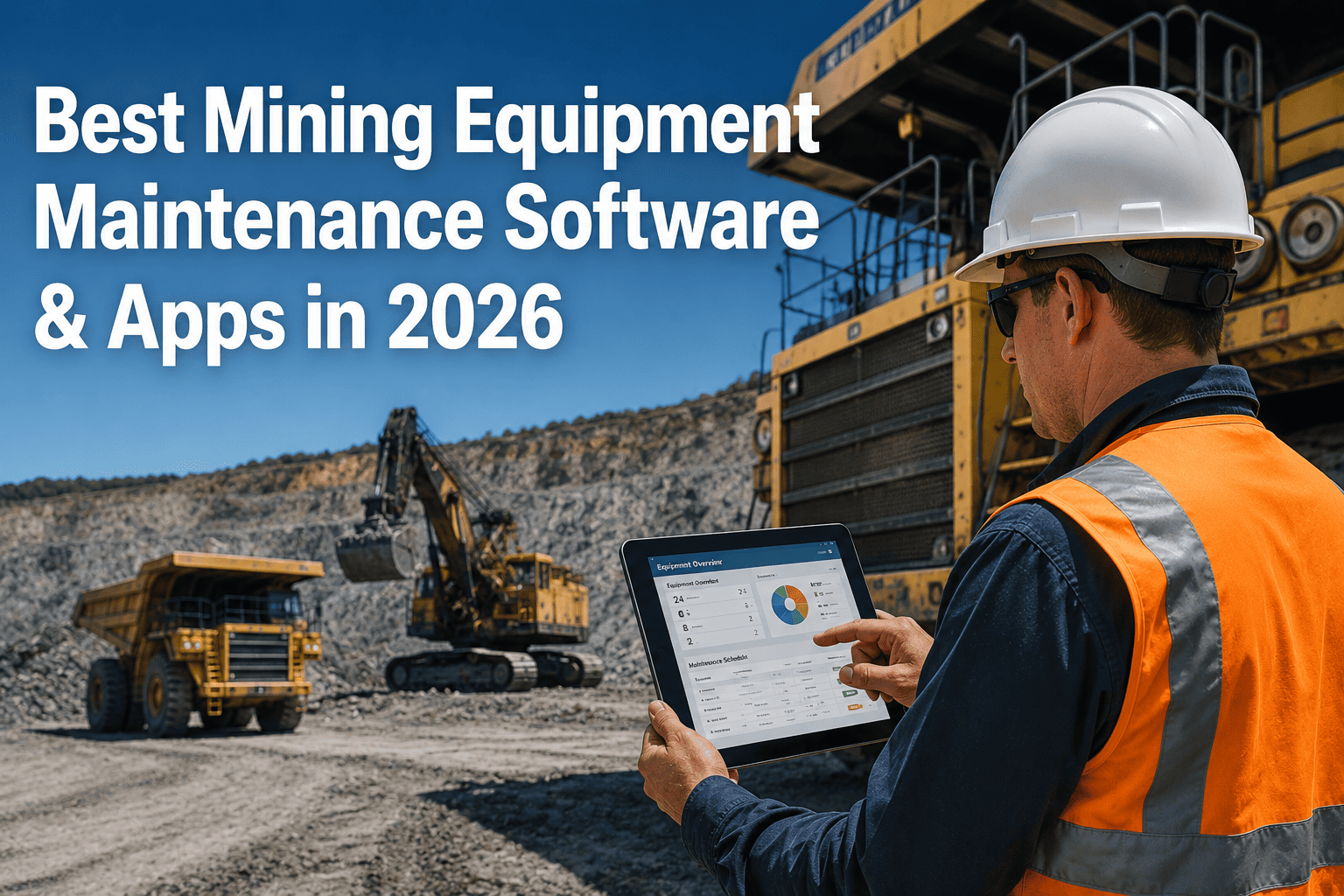
FleetRabbit connects haul trucks, excavators, loaders, drills, and support vehicles into one real-time maintenance view. Engine-hour PMs, offline digital inspections, work orders, and MSHA compliance records — all in one platform. Setup takes less than a day. No IT team required.
- 14-day free trial, no credit card needed
- $5 per asset per month after trial
- Works fully offline in remote pits and underground
- MSHA-aligned inspection templates included from day one
No setup fee · Cancel anytime
What Improves — and When — After Deploying FleetRabbit
Mining operations cannot afford slow rollouts or months of configuration. Here is exactly what changes on your site and when — based on results from FleetRabbit deployments on active mine sites.
Fleet Live on Digital Inspections
Operators complete pre-shift inspections on their phones using MSHA-aligned checklists. Paper forms are retired. Compliance records begin building automatically from the first submission, with photo verification on critical items like tires, brakes, and fluid levels.
Engine-Hour PM Schedules Active Across Fleet
Every asset's current engine hours are entered and PM intervals configured. FleetRabbit calculates next-due dates for every truck and piece of equipment and begins generating work orders automatically as each asset approaches its service milestone.
PM Compliance Reaches 85–90%
Automated alerts and work order generation push PM compliance from the typical 60–70% on manual systems to 85–90% in the first month. Technicians begin spending more time on planned maintenance and less time responding to unexpected breakdowns mid-shift.
Emergency Repair Costs Begin Falling
Consistent PM completion and early problem detection through digital inspections reduce unplanned breakdowns. Emergency repair costs — which run 3 to 9 times more than planned maintenance — begin decreasing measurably in months two and three, along with associated lost production time.
The Real Cost of Staying on Paper
Mining Equipment Maintenance Software — Common Questions
Stop Managing Maintenance on Paper.
Start Preventing Failures Before They Happen.
Engine-hour PM scheduling. Offline mobile inspections. Digital work orders. MSHA-ready compliance records. Real-time fleet dashboard. All connected in one platform. Setup in under a day. No IT team. $5 per asset per month.