Somewhere on your mine site right now, an operator is riding the brakes down a haul road, another is loading a truck 15 percent over its rated capacity, and a third has left a 400,000 dollar excavator idling for two hours over lunch. None of it shows up as a breakdown today. All of it shows up as a bearing failure, a cracked frame, or a blown engine three months from now. Industry data links 30 to 40 percent of mining fatalities to vehicle interactions, and harsh braking, overspeed events in restricted zones, and fatigue-pattern driving routinely go undetected until a near miss or an incident report forces the issue. Mining equipment misuse detection software closes that gap by turning invisible operator behavior into a visible, actionable safety and cost record.
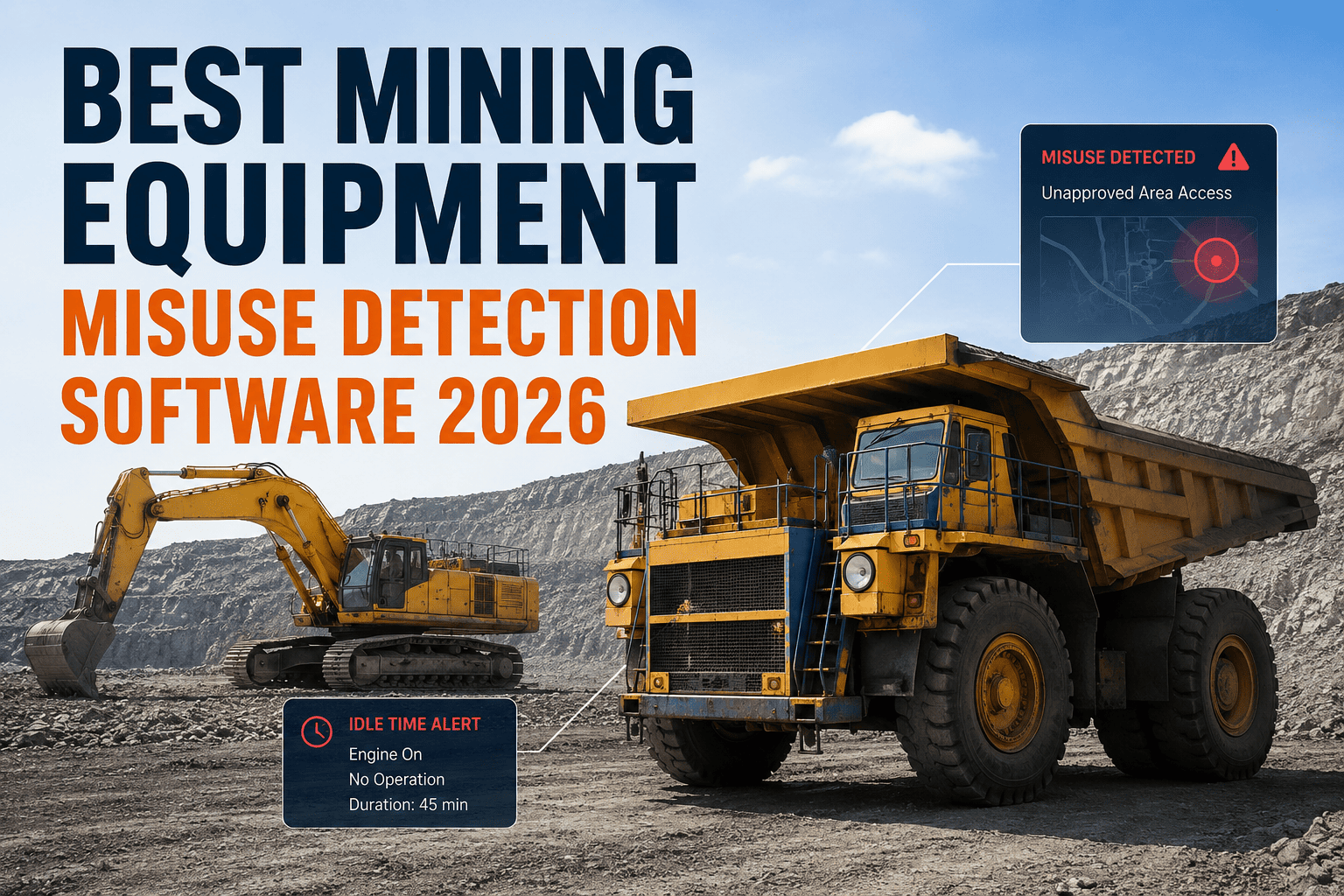
Mining equipment misuse detection software monitors harsh braking, overspeeding, overloading, unauthorized use, and excessive idling in real time using telematics and CAN-bus data. A predictive alert on developing damage can convert a 400,000 dollar emergency rebuild into a 40,000 dollar planned repair, and fleets running active operator scorecard and coaching programs report 28 percent fewer preventable accidents within 18 months.
What Counts as Equipment Misuse on a Mine Site
Misuse rarely looks dramatic in the moment. It looks like a normal shift, run slightly too hard, too many times. Left unmonitored, these small decisions compound into the majority of unscheduled mining equipment failures.
Harsh Operation and Aggressive Handling
Harsh braking, aggressive cornering, and hard acceleration place repeated shock loads on drivetrains, suspension components, and tires. Deceleration events that exceed safe thresholds are considered one of the strongest predictors of crash involvement across heavy equipment fleets.
Overspeeding in Restricted Zones
Haul roads, pit ramps, and processing areas often carry posted speed limits for good reason. Without behavior monitoring, overspeed events in these zones go unflagged until they cause a rollover, a collision, or accelerated tire wear that shortens tread life dramatically.
Overloading and Unauthorized Use
Loading a haul truck beyond its rated capacity stresses the chassis, brakes, and tires with every cycle, while unauthorized use of equipment outside assigned tasks or shifts removes any predictable maintenance baseline. Both patterns are difficult to catch with manual spot checks alone.
Excessive Idling and Fatigue Patterns
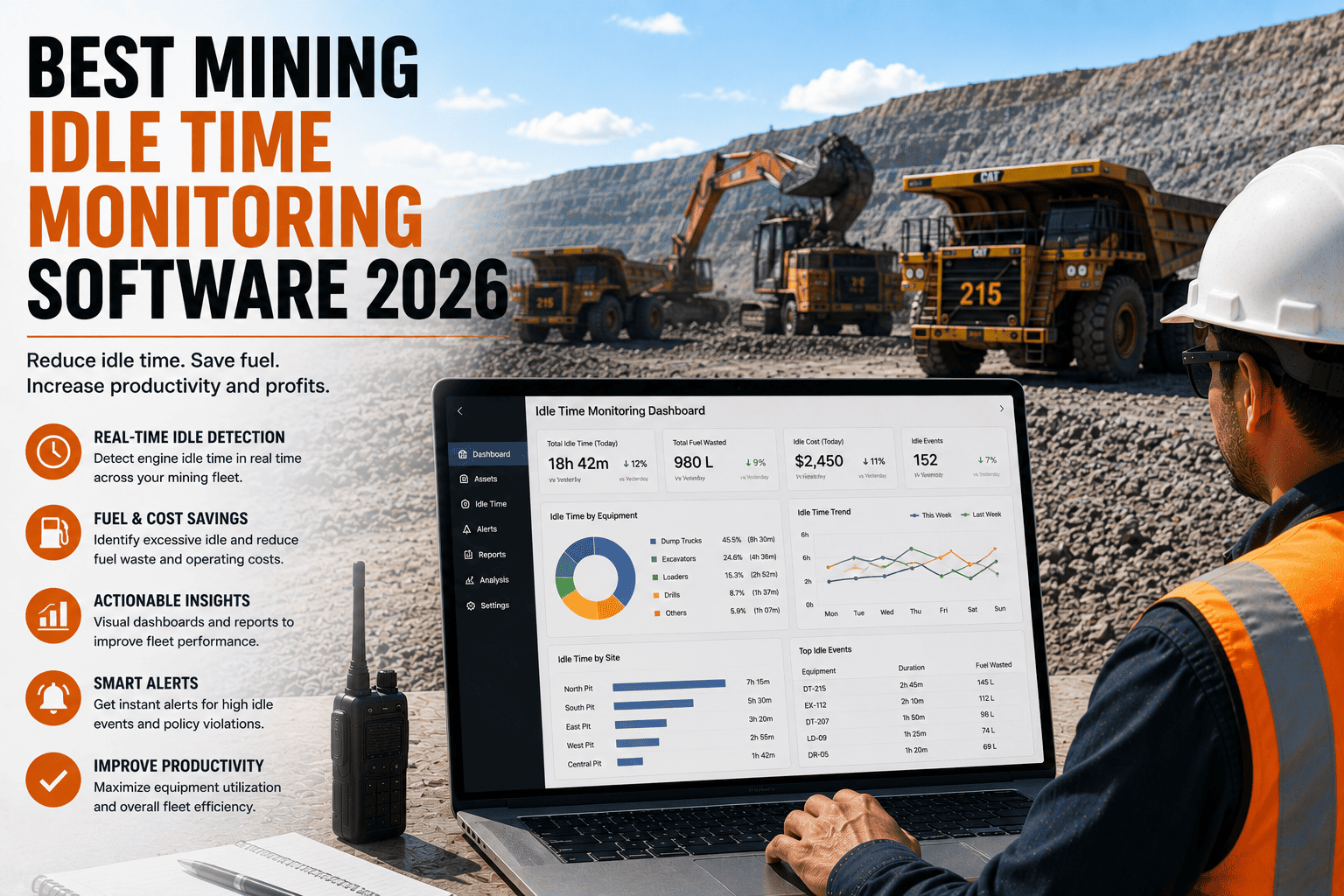
Idling wastes fuel and adds engine hours without adding production, while fatigue-pattern driving late in long shifts raises incident risk sharply. Both are patterns that only become visible when behavior is tracked continuously, not sampled occasionally.
FleetRabbit scores every operator on harsh braking, overspeeding, and idling per shift, with in-cab alerts that give operators real-time feedback before a habit turns into damage or an incident.
How Misuse Detection Software Actually Works
Modern platforms monitor dozens of CAN-bus parameters simultaneously, comparing live readings against safe operating thresholds for each specific machine rather than a generic average across the fleet.
| Detection Signal | What It Flags | Why It Matters |
|---|---|---|
| Harsh Braking and Cornering | Sudden deceleration or lateral force events | Strongest predictor of crash involvement |
| Overspeed by Zone | Speed limit breaches on haul roads and ramps | Reduces rollover risk and tire wear |
| Load Sensor Data | Overloading beyond rated chassis capacity | Protects frame, brakes, and suspension life |
| Idle Time Tracking | Excessive idling relative to production hours | Cuts fuel waste and unnecessary engine hours |
| Operator ID and Geofencing | Unauthorized use outside assigned zones or shifts | Restores a predictable maintenance baseline |
Operator Behavior Scoring
Most platforms translate raw event data into a simple red, amber, or green score per operator per shift. Supervisors see who needs coaching at a glance, instead of digging through raw telemetry logs after the fact.
In-Cab Real-Time Alerts
Instant audible or visual alerts give operators a chance to self-correct in the moment, which is consistently more effective at changing behavior than a conversation days later.
Historical Trend Reports
Weekly and monthly trend reports reveal whether coaching is working, which shifts run harder than others, and which specific machines are absorbing the most stress from misuse patterns.
The Real Cost of Letting Equipment Misuse Go Unchecked
Misuse rarely shows up on a single invoice. It shows up as a slow erosion of asset life, fuel efficiency, and safety margin across the whole fleet.
| Misuse Pattern | Unmonitored Fleet Impact | Monitored Fleet Outcome |
|---|---|---|
| Harsh Operation | Accelerated component wear, higher accident risk | 28% fewer preventable accidents within 18 months |
| Overspeeding and Overloading | Reduced tire life, chassis stress, rollover risk | Up to 35 to 40% longer tire life |
| Undetected Developing Faults | Emergency rebuild averaging 400,000 dollars | Planned repair averaging 40,000 dollars |
The pattern is consistent across every category: visibility changes behavior, and changed behavior protects both people and equipment. If you want to see exactly what your current fleet's harsh-event and overspeed data looks like, you can book a free demo with FleetRabbit and review a live scorecard for your own operators.
FleetRabbit connects harsh-event detection, overload alerts, and idle tracking into one dashboard, so misuse gets coached in the moment instead of discovered as a repair bill weeks later.
Building an Operator Accountability Program That Sticks
Software alone does not change behavior. The mines that see the strongest results pair detection data with a consistent coaching routine.
Set Clear, Machine-Specific Thresholds
A haul truck and a light service vehicle should not share the same harsh-braking or speed threshold. Configure limits per machine class so alerts reflect real risk, not noise.
Review Scores Weekly, Not Quarterly
Operators who get feedback within days of an event correct faster than those reviewed months later. Weekly scorecard reviews keep coaching relevant and specific.
Recognize Improvement, Not Just Flag Violations
Programs that highlight operators who improve their score, not only those who trigger alerts, build buy-in instead of resentment, and sustain the behavior change longer.
Every haul truck, loader, and drill rig on your site represents millions of dollars of capital sitting exposed to decisions made every shift. Detecting misuse is not about surveillance, it is about giving supervisors and operators the same real-time visibility that keeps both people and equipment safe. The fastest way to know how your fleet is really being operated is to look at the data yourself.
FleetRabbit detects harsh operation, overspeeding, overloading, and unauthorized use across your entire mining fleet in real time. Start free with no credit card required, or see it live on your own fleet data.