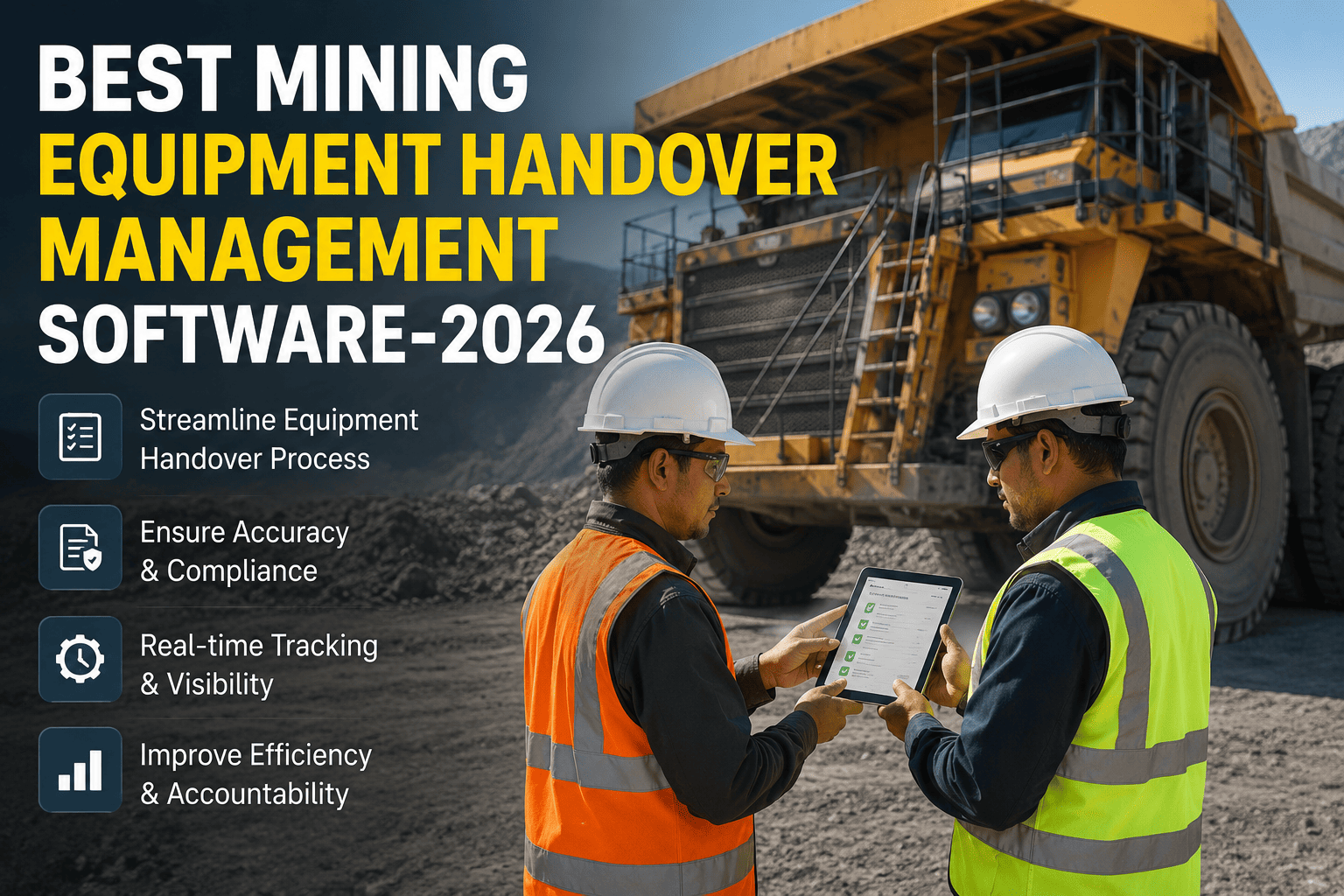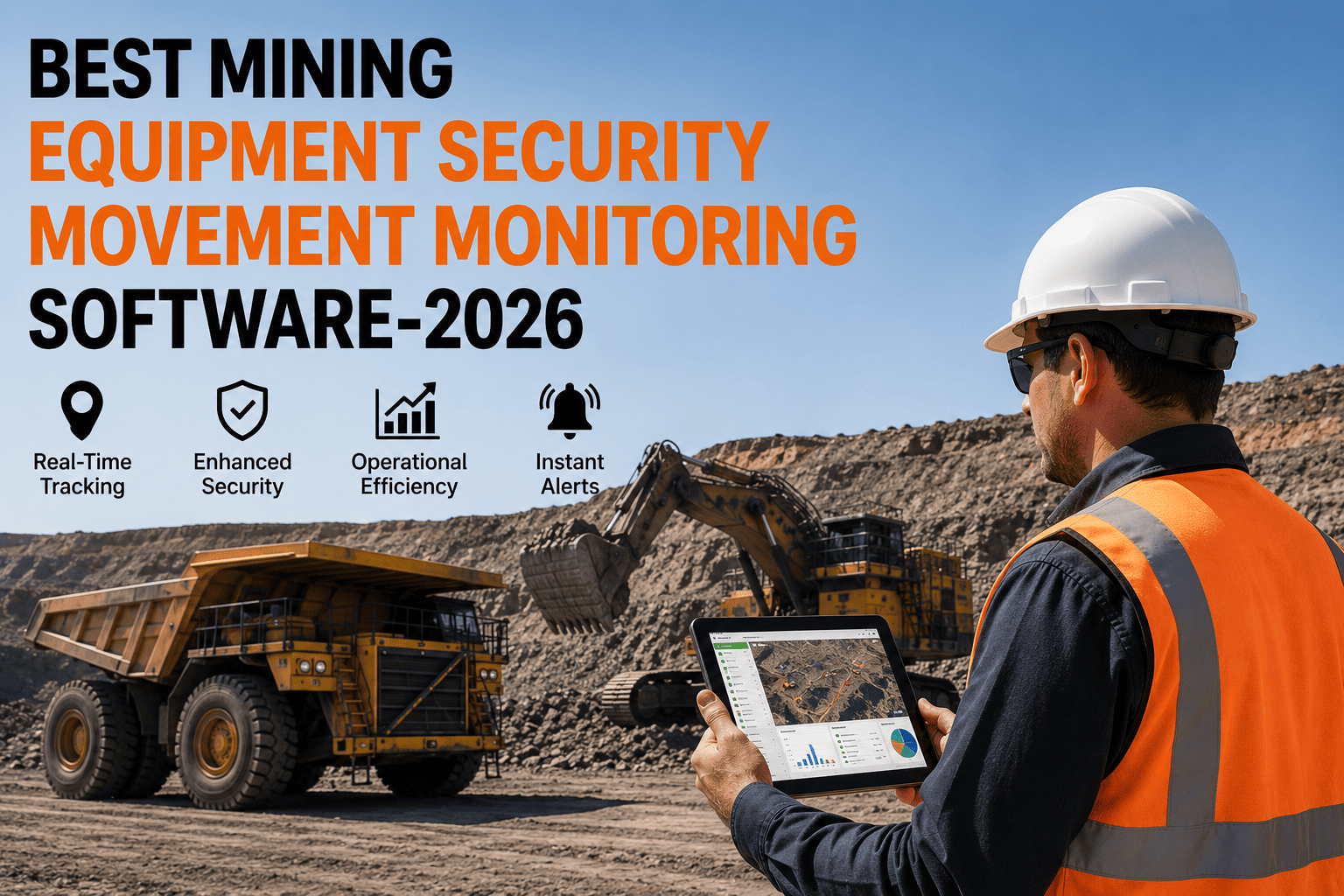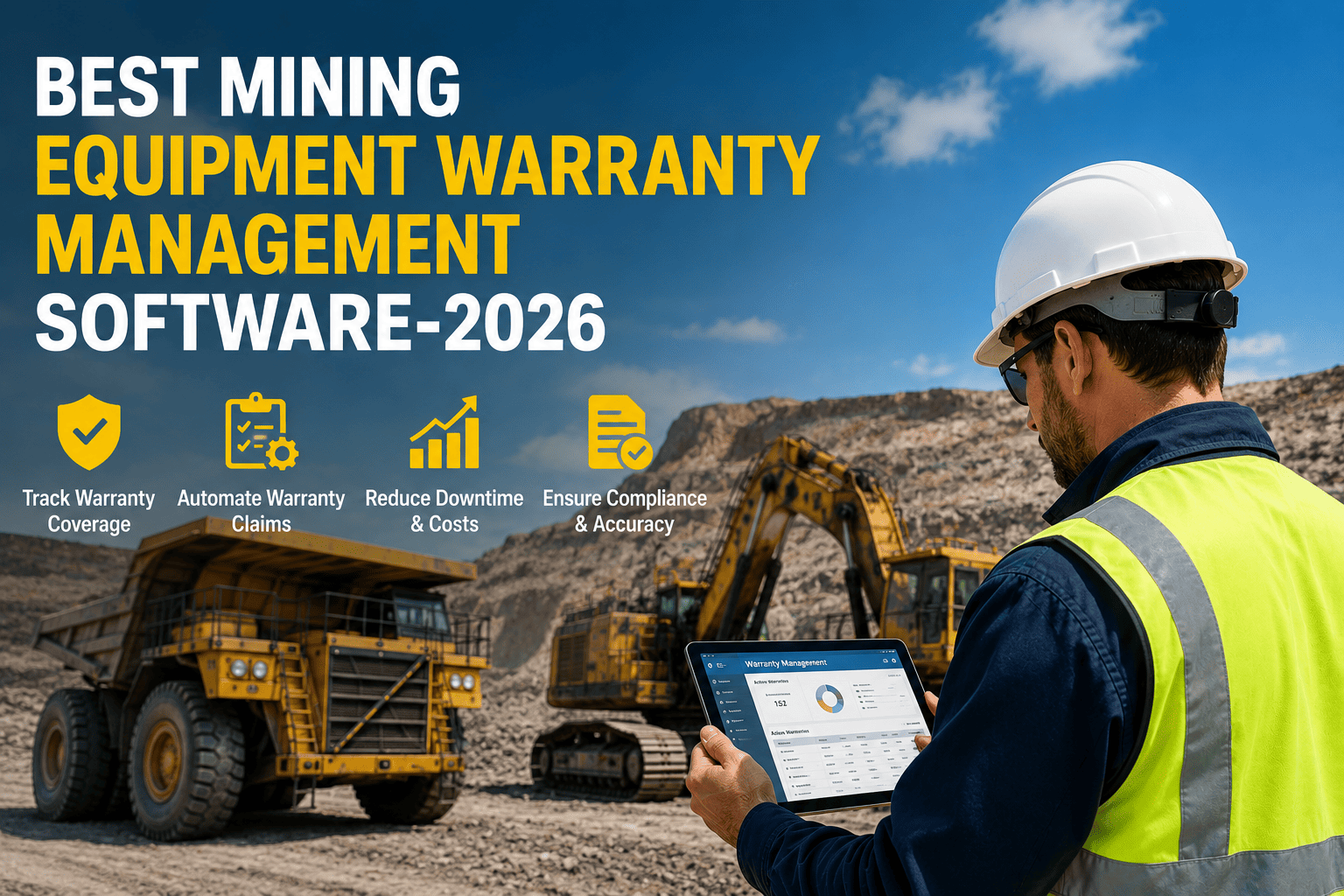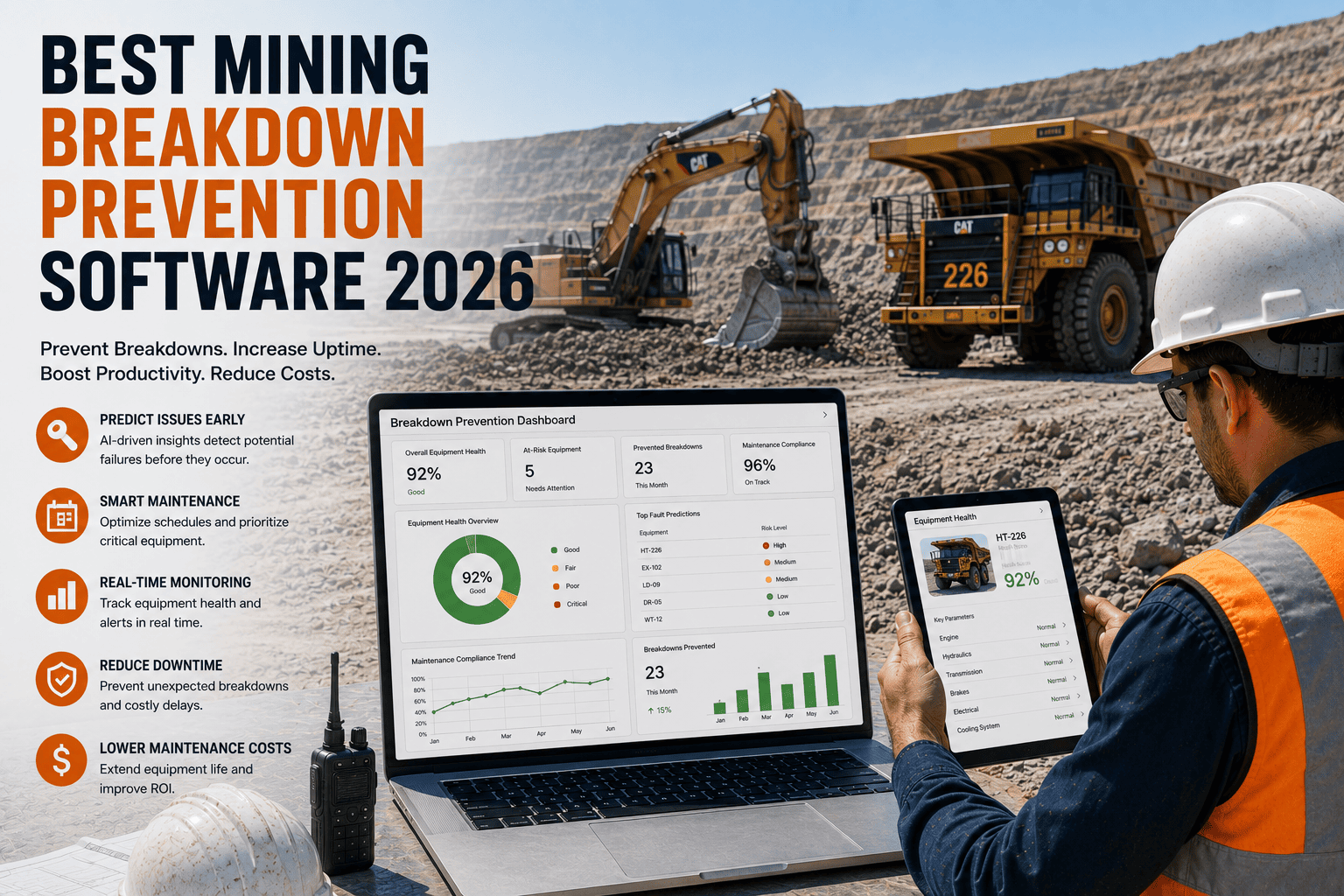
A haul truck goes down at 2 a.m., three hundred kilometers from the nearest parts depot. The crew knows the part number. They don't know if it's in stock, who's cleared to install it, or when the last inspection flagged the warning signs everyone missed. This is the moment mining equipment repair management software either earns its keep or a mine loses another shift.
Remote mines don't get the luxury of a supplier around the corner or a spare fleet waiting in reserve. Every repair decision carries a distance penalty, and every hour of guesswork compounds into lost tonnes. Choosing the right repair management platform is less about software features and more about protecting production in an environment built to punish delay.
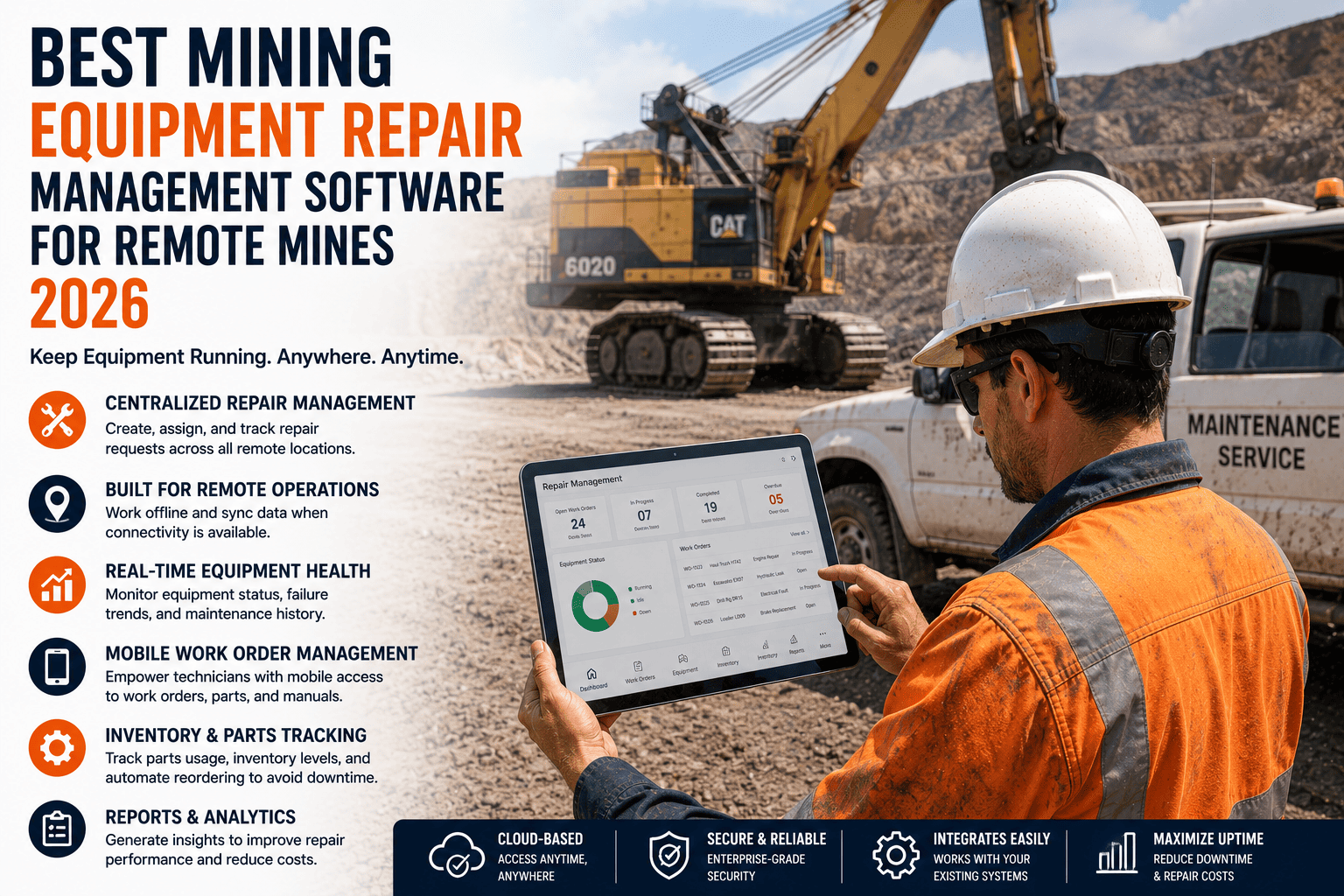
The best mining equipment repair management software for remote mines combines offline-capable work orders, condition-based diagnostics, centralized parts inventory, and automated technician scheduling in one connected platform. Mines using this approach cut unplanned downtime by 30 to 50 percent and shorten repair turnaround by tracking failures before they strand equipment mid-shift. Sign up free to see how FleetRabbit applies this to your fleet.
Why Remote Mines Break the Standard Maintenance Playbook
Software built for a city warehouse or a regional trucking yard assumes something remote mines rarely have: a reliable signal and a parts counter down the road. Isolation changes every variable in the repair equation, from how fast a technician reaches the asset to how long a replacement part sits in transit.
FleetRabbit tracks every work order, part, and technician assignment from a single dashboard, even when your site connection is unreliable. Data syncs automatically the moment signal returns, so nothing gets lost between the pit and the office.
What Repair Management Software Actually Needs to Do
Not every maintenance tool built for fleets translates to mining. Repair management software for remote mines has to hold up under conditions general-purpose platforms weren't designed for. Before comparing vendors, it helps to know exactly which capabilities move the needle on turnaround time.
Offline-First Work Orders
Technicians in a pit or underground shouldn't lose their ability to log a repair just because the connection drops. The strongest platforms store every entry locally and sync automatically once signal returns, so nothing gets rewritten from memory hours later.
Condition-Based Diagnostics
Fixed-interval maintenance replaces parts that still have life left in them, while true condition monitoring flags a developing fault before it becomes a breakdown. Vibration, temperature, and oil-analysis trends turn a guessing game into a scheduled work order.
Centralized Parts and Inventory Tracking
Knowing exactly what's on the shelf, what's in transit, and what needs reordering removes the single biggest delay in remote repairs. Automated reorder points mean a critical part is already moving before the current one fails.
Why This Matters More at Remote Sites
A missing part at a city depot means a same-day supplier run. A missing part at a remote pit can mean a machine sits idle for the length of a full shipping cycle, so inventory visibility carries more weight here than almost any other feature.
| Capability | What It Solves | Impact on Remote Mines |
|---|---|---|
| Offline Work Orders | Technicians can log repairs without live signal | No lost data, no paper backlog to re-enter |
| Condition Monitoring | Flags developing faults before failure | Repairs scheduled instead of triggered mid-shift |
| Parts Inventory Sync | Real-time visibility into stock and reorders | Cuts weeks of shipping delay to days |
| Technician Scheduling | Matches the right skill set to the right job | Reduces overtime and diagnostic guesswork |
| Service History Records | Full repair and inspection trail per asset | Reveals repeat failures worth re-engineering |
| Multi-Site Dashboards | Centralized view across every pit or operation | One team can oversee reliability fleet-wide |
Repair Turnaround: Reactive vs. Managed Maintenance
The gap between a mine reacting to breakdowns and a mine running structured repair management shows up fastest in turnaround time. The comparison below reflects patterns seen across open-pit and underground operations that shifted from spreadsheets and radio calls to a connected platform.
- Failure discovered mid-shift, work order created after the fact
- Parts availability confirmed by phone calls and guesswork
- Technician dispatched without full failure history
- Repair duration stretches into days on unplanned incidents
- Early warning flag opens a work order before failure
- Parts status and location visible in the dashboard instantly
- Technician arrives with full service and diagnostic history
- Repairs completed inside a planned maintenance window
How to Evaluate and Roll Out a Platform
Switching from disconnected spreadsheets to a single repair management system doesn't need to happen overnight, and rushing the rollout usually backfires. A phased approach protects your highest-value assets first while your team builds confidence in the new workflow.
Step One: Audit Your Worst Performers
Pull twelve months of repair records and identify which assets account for the most downtime hours. These become the pilot group where the new system proves its value fastest.
Step Two: Digitize Work Orders First
Before adding sensors or predictive layers, get every technician logging repairs in one system. Clean, consistent data is what makes every later feature useful.
Step Three: Layer in Condition Monitoring
Once work order data is reliable, add vibration, temperature, or oil-analysis tracking to your highest-cost components so failures get caught before they strand equipment.
A Realistic Timeline
Most sites complete a baseline audit within two to four weeks, get technicians comfortable with digital work orders within a month, and start seeing measurable turnaround improvements within the first ninety days. If you want a walkthrough tailored to your fleet, you can book a demo and map the rollout against your own asset list.
FleetRabbit gives your maintenance team offline-ready work orders, live parts tracking, and full service history in one dashboard built for the realities of remote mining operations. Get started with a free trial and see your first repair logged in minutes.
Frequently Asked Questions
Every remote breakdown costs more than the repair bill. FleetRabbit connects your work orders, parts inventory, and technician scheduling into one platform built for the realities of remote mining operations. See your repair turnaround improve within weeks, not quarters.