A loader that clocks in on the roster and a loader that actually earns its keep are two very different machines, and most mine sites only find out which one they have after the fuel bill and the maintenance invoice land on the same desk. Somewhere between the shift log and the ignition data sits a gap that few mines ever measure: equipment running when nobody scheduled it, machines idling for hours nobody billed, and after-hours ignitions that never show up on any supervisor's radar until something goes badly wrong. Mining equipment usage monitoring software closes that gap by turning every ignition event, idle minute, and after-hours movement into a record you can actually act on.
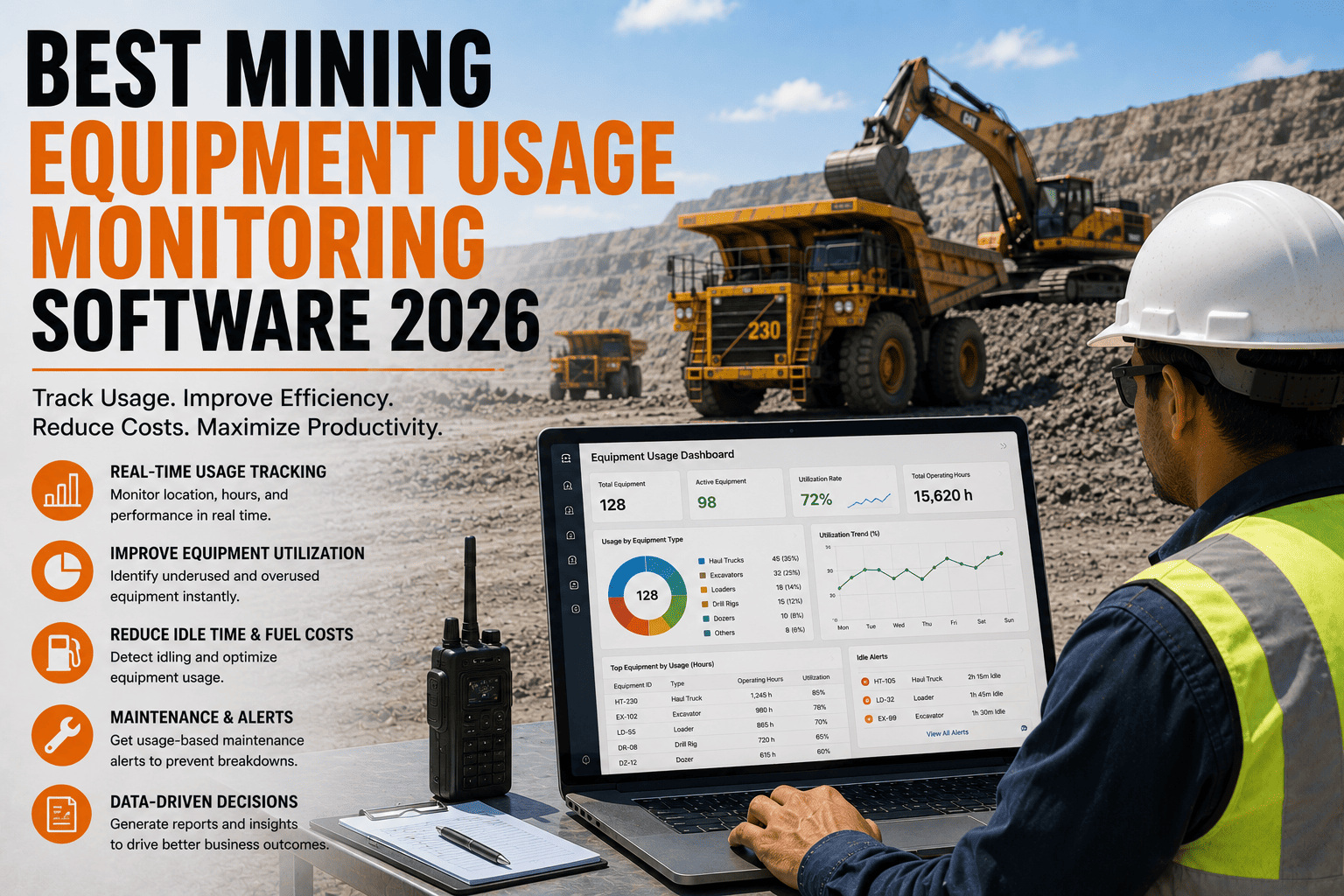
Mining equipment usage monitoring software tracks engine hours, ignition events, idle time, and location for every asset on site, flagging unauthorized or after-hours use the moment it happens. Mines using automated usage tracking commonly cut total operating costs by up to 28 percent within a year, while unplanned haul truck downtime alone can cost 5,000 to 10,000 dollars per hour. Sign up free to see how much unmonitored usage is costing your fleet.
Why "It's Probably Fine" Is the Most Expensive Sentence in Mining
Heavy equipment theft and unauthorized use cost the broader equipment industry somewhere between 300 million and 1 billion dollars a year in the United States alone, and roughly 70 percent of that activity happens between Friday evening and Monday morning, when supervisors are off site and machines are left unattended in open pits, laydown yards, and haul roads. A mine doesn't need a stolen excavator to feel that pain. A loader started at 2 a.m. by an unauthorized operator, a haul truck run off-route to move material for a side job, or a drill left idling for six hours over a weekend all quietly drain the same budget line, just without the police report.
The problem is rarely dishonesty on a grand scale. It's the absence of a system that notices. Paper logs and end-of-shift check-ins were never built to catch a 3 a.m. ignition or a machine that wandered outside its assigned pit. By the time anyone reviews the data, if anyone reviews it at all, the fuel is burned, the wear is on the undercarriage, and the trail has gone cold.
What Unmonitored Usage Actually Looks Like on Site
After-Hours Ignition
An engine starts outside the scheduled shift window with no dispatch record tied to it, often the first sign of unauthorized access.
Off-Route Movement
A haul truck or dozer crosses outside its assigned zone or pit boundary, invisible on a manual roster but obvious the instant it's geofenced.
Silent Idle Hours
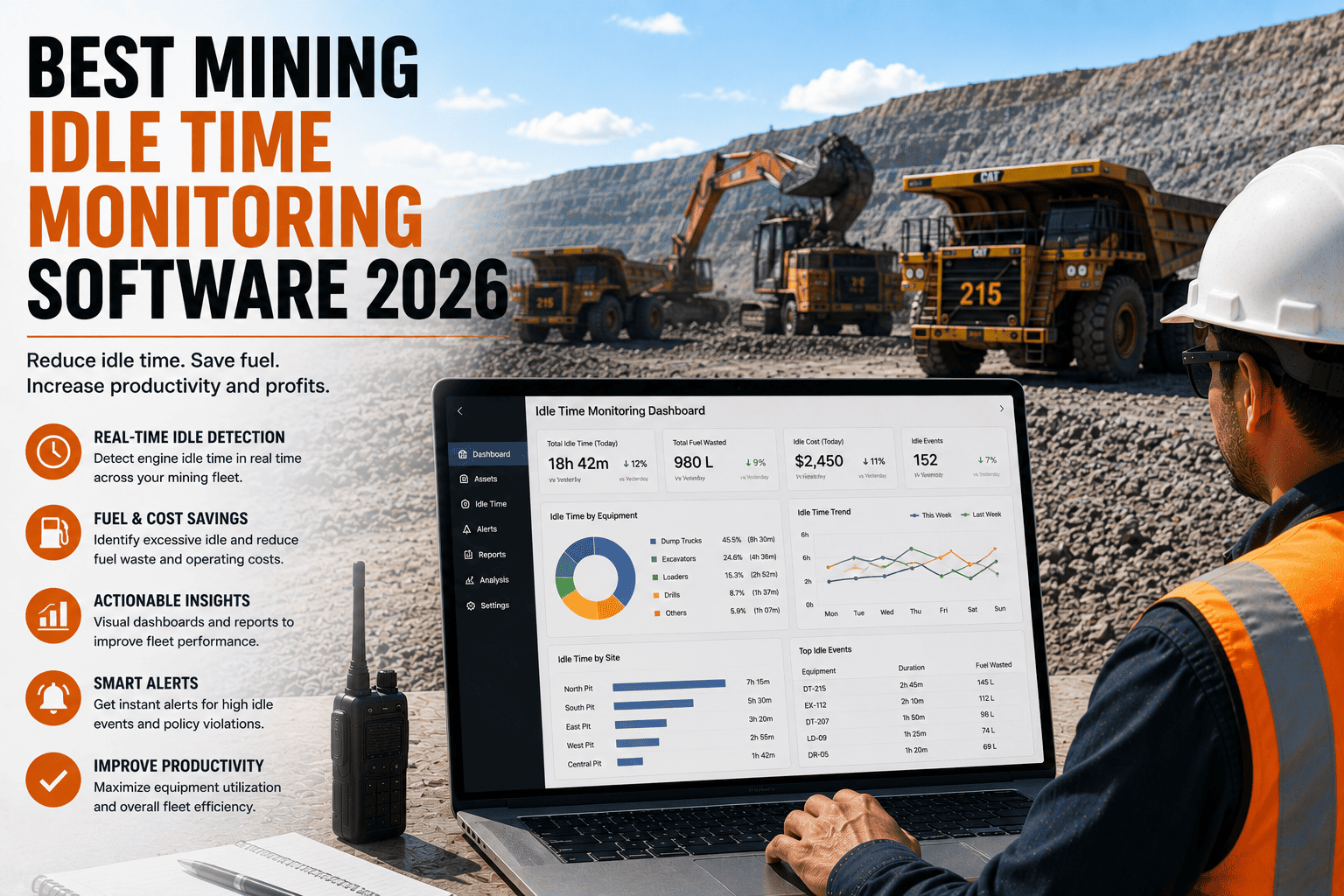
Engine-on hours that never translate into tons moved or meters drilled, quietly inflating fuel and maintenance costs shift after shift.
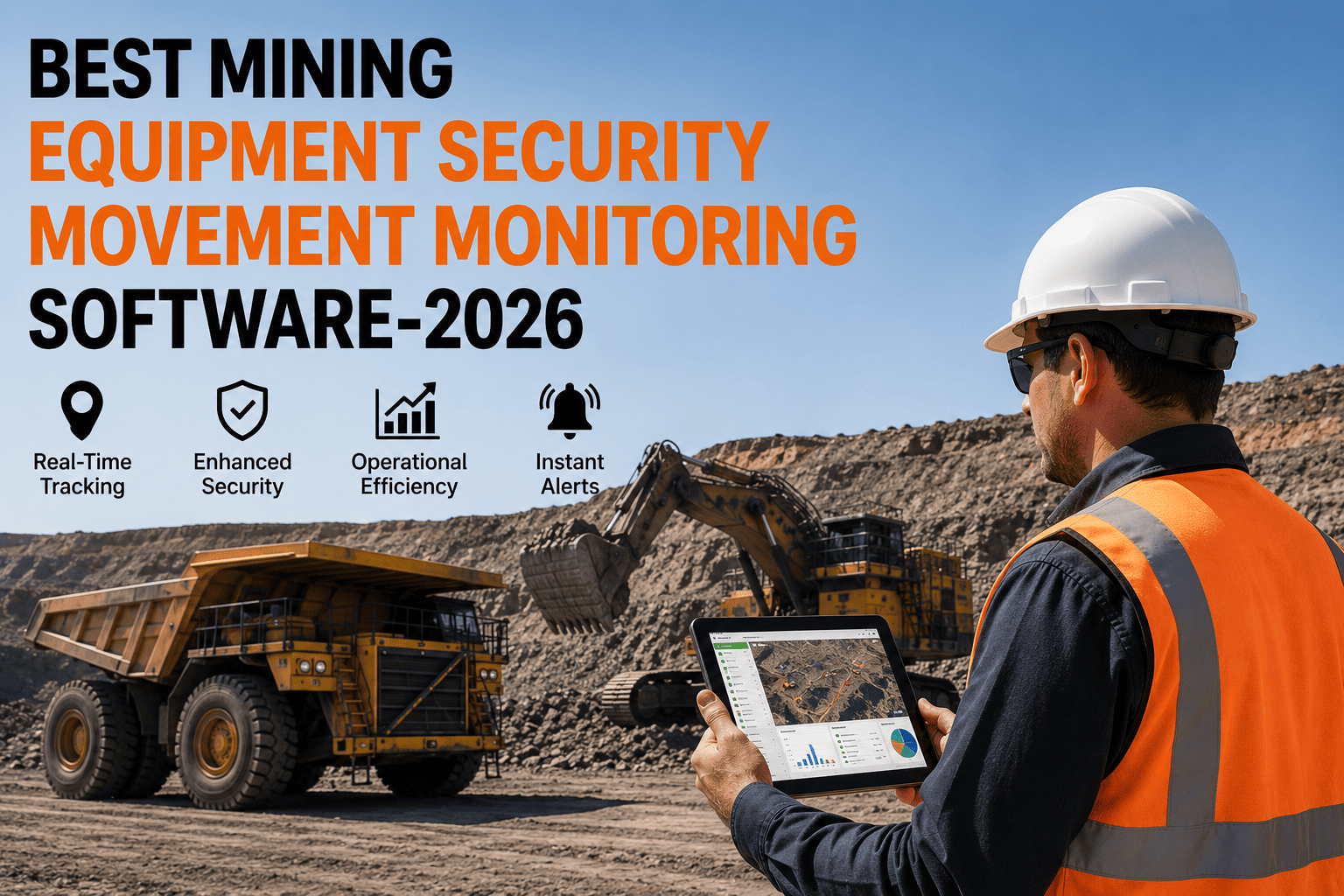
FleetRabbit logs every ignition, idle minute, and boundary crossing across your entire mining fleet, then alerts your team the moment something falls outside normal working hours or approved zones. No more discovering misuse days later during a routine review.
How Mining Equipment Usage Monitoring Actually Works
Usage monitoring software doesn't replace your telematics hardware, it makes sense of the data your hardware already produces. Every asset reports its ignition status, GPS position, and engine hours continuously, and the software layers rules on top of that raw feed so your team only sees what actually needs attention.
Every Asset Reports In
GPS, ignition state, and engine-hour data stream in continuously from every machine on every site.
Rules Compare Against Schedule
The software checks each event against approved shift windows, assigned operators, and geofenced work zones.
Alerts Fire Instantly
Any ignition, movement, or idle event outside the rules triggers an immediate alert to designated managers.
A Record Is Built Automatically
Every event is timestamped and logged, creating an audit trail for payroll, insurance, or investigations.
Manual Oversight vs. Automated Usage Monitoring
Most mines don't lack rules about who can operate what and when. What they lack is a way to enforce those rules outside of business hours, and that gap is exactly where automated monitoring earns its cost back.
| What You Need to Know | Manual Shift Logs | Automated Usage Monitoring |
|---|---|---|
| Detection Speed | Discovered at next shift check-in, often 8 to 12 hours later | Alert sent within minutes of the ignition or boundary event |
| After-Hours Visibility | None, unless a supervisor happens to be on site | 24/7 monitoring across every asset and every zone |
| Idle Time Tracking | Estimated from memory, rarely accurate | Logged automatically to the minute for every machine |
| Investigation Records | Handwritten notes, hard to verify after the fact | GPS-timestamped digital trail ready for payroll or insurance |
| Operator Accountability | Based on who signed the sheet, easy to dispute | Tied to credential-based ignition, difficult to falsify |
What to Look For in a Usage Monitoring Platform
Core Features That Actually Move the Needle
Not every telematics dashboard is built for catching misuse. When you're comparing mining equipment usage monitoring software, a few capabilities matter more than the rest.
Geofencing By Pit and Zone
Set boundaries around active work areas so any movement outside them triggers an instant alert, not a note in tomorrow's report.
Shift-Aware Alert Rules
Different rules for weekday shifts versus nights and weekends, so the system flags what's actually unusual instead of everything.
Idle-to-Working Ratio Reporting
See engine-on hours split against genuinely productive hours per asset, exposing where fuel and wear are quietly disappearing.
Operator-Linked Ignition Logs
Every start-up ties to a credential, not just a machine, making it clear who was behind the controls at any given moment.
Automated Incident Reports
Timestamped, GPS-verified reports generated the moment an alert fires, ready for insurance claims or internal review without manual assembly.
Multi-Site Dashboard
One view across every pit and every asset, instead of switching between separate portals for separate equipment brands.
What This Actually Saves You
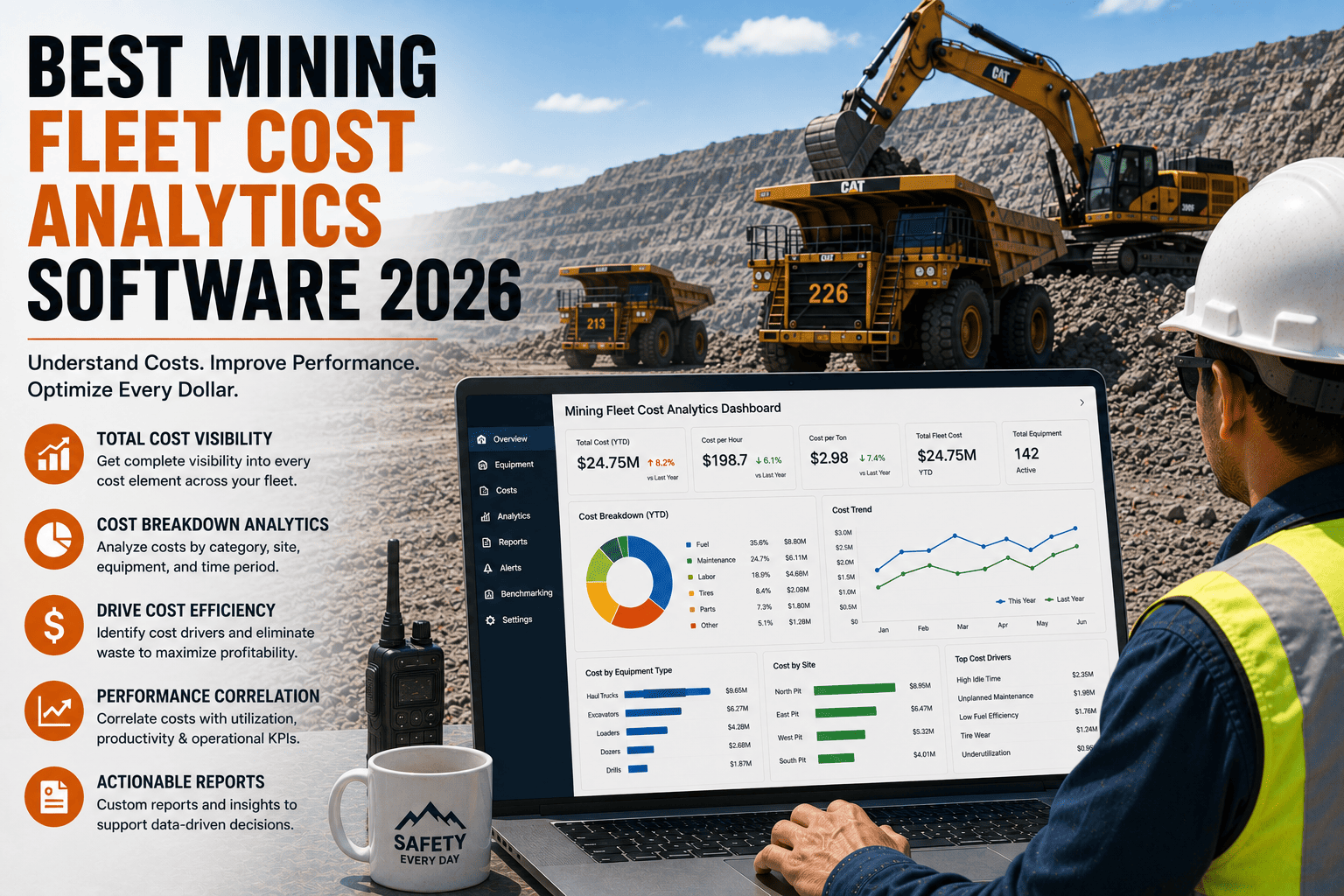
Unplanned downtime on a large mining haul truck runs 5,000 to 10,000 dollars an hour once lost haulage capacity, idle crew wages, and contract penalties are counted, and every hour a machine spends running unauthorized or idling unnoticed is an hour pulled straight out of that same budget. Mines that put automated utilization and usage tracking in place commonly report total operating cost reductions of up to 28 percent within the first year, largely by catching exactly this kind of invisible waste before it compounds across an entire fleet.
The return isn't only financial. A documented, GPS-verified usage trail also protects your team when a dispute arises over hours worked, an insurance claim needs evidence, or a safety incident requires a clear record of who operated what and when. You can book a free demo to see exactly what this looks like against your own site data before you commit to anything.
FleetRabbit brings ignition data, geofenced zones, idle-time reporting, and automated incident logs into a single dashboard built for mining fleets. See unauthorized use the moment it happens, not the next morning.
Frequently Asked Questions
FleetRabbit turns raw telematics data into instant alerts on unauthorized use, after-hours ignition, and silent idle time across your entire mining fleet. See what your equipment is really doing, on every shift, at every site.