Every fleet software pitch a mine executive sees promises efficiency, visibility, and better decisions. None of that gets budget approved on its own. What gets approved is a number: how much is this costing us right now, and how fast does the fix pay for itself. The strongest business case for mining fleet management software isn't built on features, it's built on the dollar figure of what's already leaking out of the operation every month without it.
Executives don't need to be convinced that visibility and predictive maintenance sound useful. They need a payback period stated in weeks or months, not a percentage buried in a slide deck. This guide walks through exactly where mining fleet software ROI comes from and how to build a number that survives a CFO's first question.
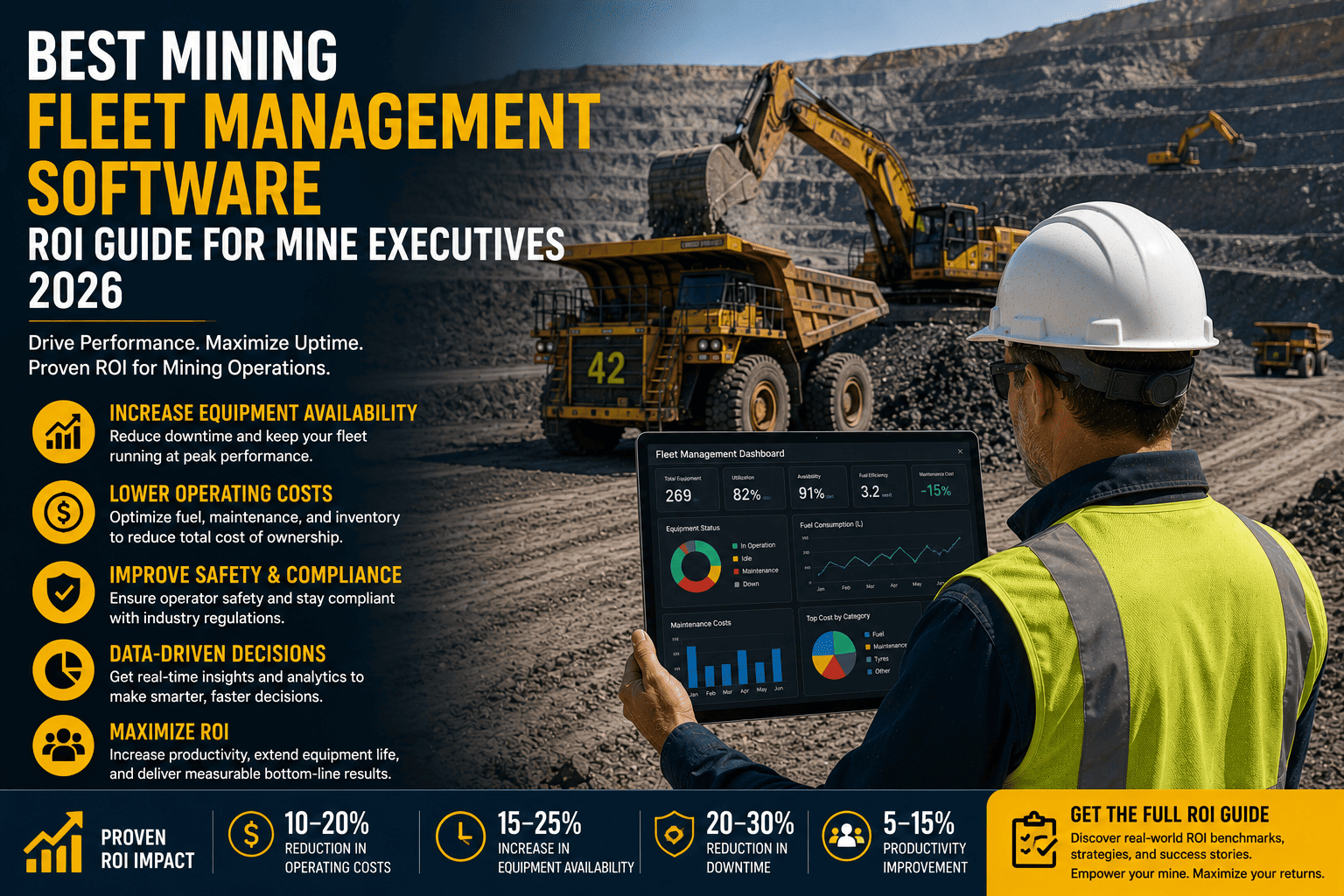
Mining fleet management software typically pays for itself in weeks, not years, because software cost is a small fraction of what unplanned downtime, emergency repairs, and compliance exposure already cost. A documented 15-truck small-mine analysis found 127000 dollars in annual preventable losses against roughly 900 dollars in annual software cost for that scale of operation. Larger operations with higher-value assets see proportionally larger and faster returns. Sign up free to start building your own baseline numbers.
Lead With What Doing Nothing Already Costs
The most persuasive number in any fleet software proposal isn't the cost of the software, it's the cost of the status quo. Before comparing platforms, put a dollar figure on what your operation is already absorbing every year through preventable losses.
FleetRabbit's analytics module establishes your baseline downtime, maintenance, and compliance costs automatically, giving you the finance-ready numbers a CFO expects instead of an industry-average guess.
Where the Return Actually Comes From
Mining fleet management software ROI isn't one number, it's the sum of several cost categories that compound once they're addressed together instead of in isolation. Here's where the return builds.
Fewer Unplanned Breakdowns
Hour-triggered preventive maintenance schedules, synced automatically from OEM telematics instead of tracked on a calendar, reduce unexpected breakdowns by up to 42 percent in documented deployments, turning haul-road failures into planned shop visits.
Lower Emergency Repair Spend
Every breakdown avoided is also an emergency repair avoided, and since those repairs run 3 to 9 times the cost of the same work done on schedule, this category alone often accounts for the largest single line in the savings model.
Higher Equipment Utilization
Live dashboards that show every asset's status without a team of analysts pulling reports free up equipment that would otherwise sit idle, adding productive hours back across the fleet without buying a single new machine.
Reduced Compliance Risk
Automated inspection and audit trails cut the administrative hours spent preparing for regulatory review and reduce the exposure to fines from missing or incomplete documentation.
Why Percentage Returns Undersell the Case
Saying a platform delivers 350 percent ROI is abstract. Saying the same platform pays for itself in 3.4 months, and every month after that is pure savings, is concrete enough to approve in a single meeting.
What Savings Look Like at Different Fleet Sizes
The percentage return stays strong across fleet sizes, but the absolute dollar savings and payback speed scale with the size and value of the assets involved.
| Operation Size | Typical Annual Savings | Typical Payback Period |
|---|---|---|
| Small Mine (10-25 units) | 25000 to 75000 dollars | Weeks |
| Mid-Size Operation (25-100 units) | 75000 to 250000 dollars | Weeks to a few months |
| Large Operation (100+ units) | 250000 to 3000000+ dollars | A few months |
A Documented Example: What the Numbers Look Like in Practice
An Arizona copper mine running 215 units implemented a unified fleet management platform and documented a 42 percent reduction in unplanned downtime, translating to 3.2 million dollars in annual savings against a 910000 dollar investment. That works out to a 352 percent return with payback in 3.4 months, built from reduced downtime, lower emergency repair costs, optimized inventory, extended equipment lifespan, and reduced insurance premiums combined.
Smaller Operations See the Same Pattern at Smaller Scale
A 15-truck small mine analysis found 127000 dollars in documented annual losses across five preventable categories, downtime, emergency repairs, citation risk, parts delays, and fuel waste, against roughly 900 dollars a year in software cost for that scale, producing a payback period measured in weeks rather than months.
FleetRabbit's dashboards start populating downtime, maintenance, and utilization data from day one of deployment, giving you a real baseline to present to leadership instead of a borrowed industry statistic.
Presenting the Case to Leadership
The strongest proposals share a common structure regardless of fleet size. Leading with dollars, not features, is what separates a proposal that gets approved from one that gets deferred to next quarter.
Frame Software Cost Against the Budget It Protects
Fleet software typically represents a small fraction of total fleet operating costs, yet it can reduce the much larger remaining budget through fewer emergency repairs and better utilization. That framing shifts the conversation from why spend more to why wouldn't we protect this much larger number.
What to Bring Into the Room
Twelve months of maintenance records, a count of emergency work orders, total unplanned downtime hours, and any compliance penalties turn a proposal from an estimate into a business case. If that history isn't available yet, a short pilot period can establish a working baseline before the full rollout. You can book a demo to walk through what that baseline would look like for your operation.
Frequently Asked Questions
Every month without unified fleet management, your operation is already paying for the problem the software solves, just in downtime, emergency repairs, and compliance risk instead of a subscription. FleetRabbit turns your fleet's actual numbers into a payback period a CFO will approve.