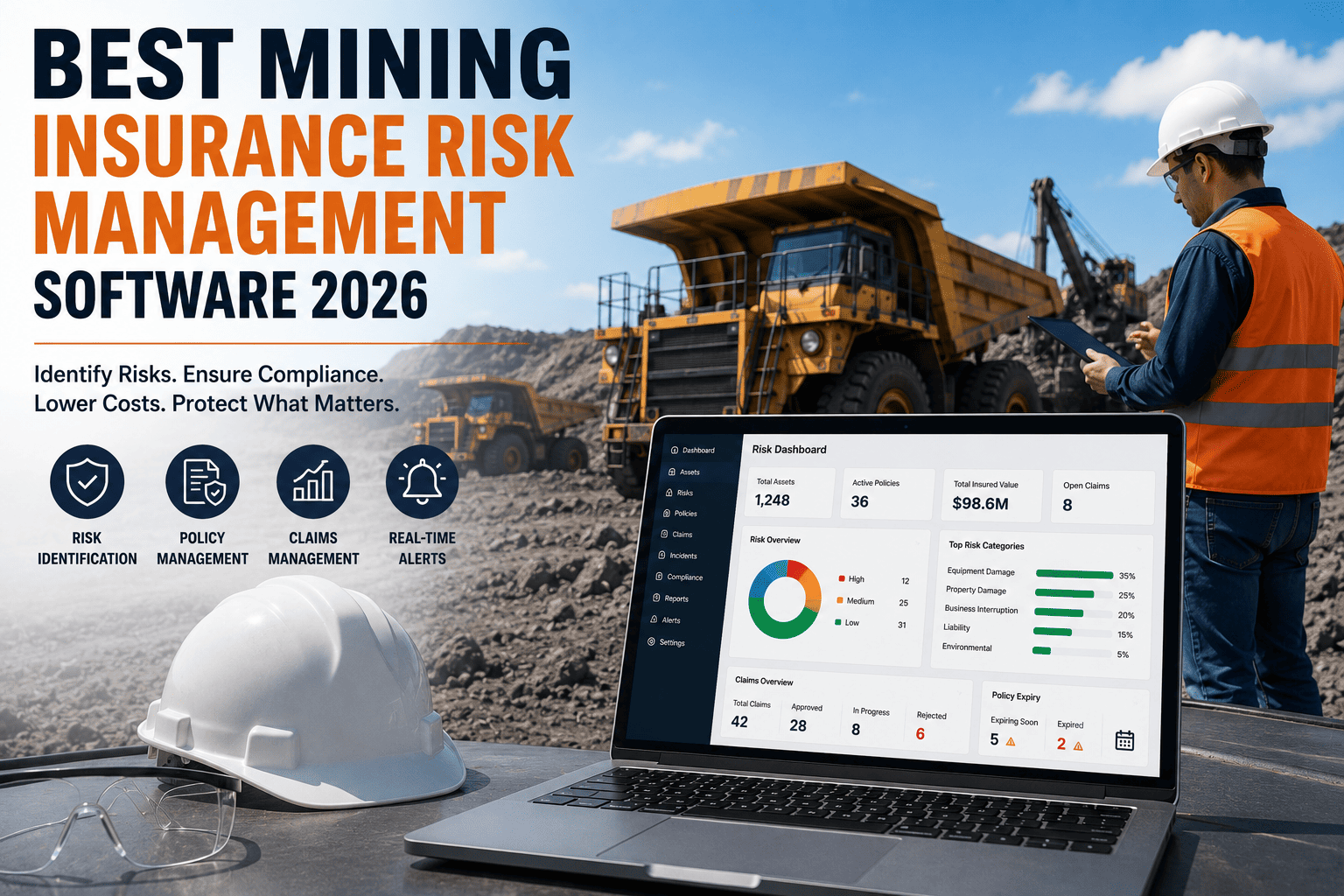
Claim frequency is the number that quietly runs every mining insurance conversation. Every recordable incident, every disputed near-miss, every gap in a compliance log adds up before anyone sits down at the renewal table. Most mining operations aren't short on safety effort, they're short on a system that turns that effort into a number underwriters can actually see. Mining insurance risk management software exists to close exactly that gap, connecting safety monitoring, incident tracking, driver coaching, and compliance reporting into one record that lowers claim frequency and proves it.
Mining insurance risk management software reduces claim frequency by combining real-time safety monitoring, structured incident and near-miss tracking, driver coaching, and automated compliance reporting into one connected system, giving fleets both fewer incidents and a stronger record to bring to every renewal. Sign up free or book a demo to map your current claims data against what underwriters look for.
The Claim Frequency Curve Most Fleets Don't See
Claim frequency doesn't rise or fall randomly. It follows a predictable curve shaped by four factors: how quickly hazards get caught, how consistently drivers get coached, how well incidents get documented, and how current compliance records stay. Software that connects all four bends that curve down, while managing them separately almost guarantees it drifts up.
Hazard Detection Speed
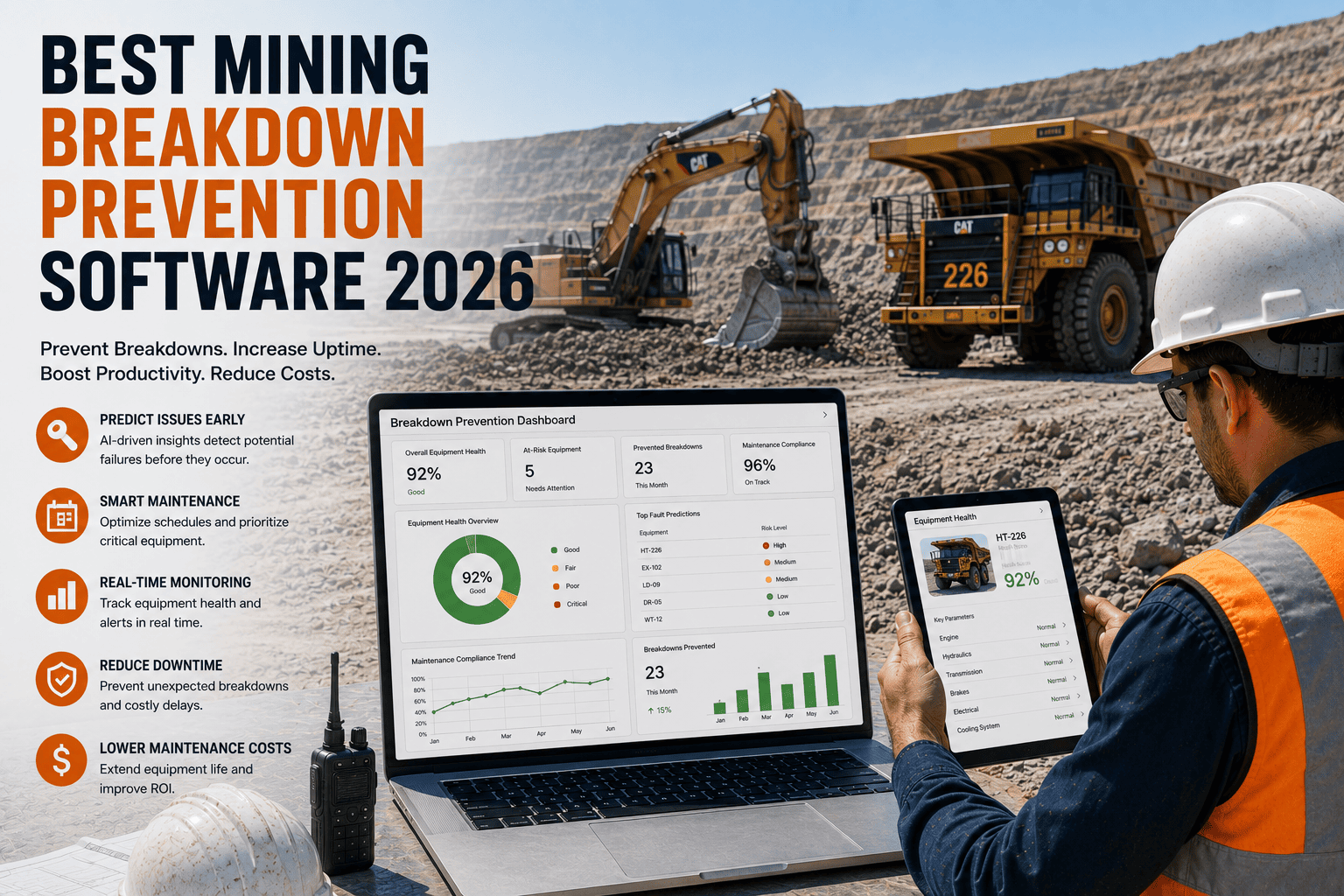
Real-time monitoring catches speed violations, geofence breaches, and equipment faults as they happen, cutting the window where a hazard can turn into an incident.
Driver Coaching Consistency
Operators who receive regular, data-backed coaching on harsh braking and zone adherence show measurably fewer repeat violations than those coached only after an incident.
Incident Documentation Depth
Claims backed by telematics, photos, and structured reports resolve faster and get disputed less, which directly affects how frequency data reads at renewal.
Compliance Record Currency
Expired certifications or missed inspections raise perceived exposure even when no incident has occurred, quietly working against your renewal terms.
FleetRabbit connects hazard detection, driver coaching, incident documentation, and compliance tracking into a single system built for both your safety team and your insurer. Sign up free to start tracking today, or book a demo to see your current claim frequency drivers mapped out.
Manual Risk Tracking Versus a Connected System
The difference between managing these four factors in separate spreadsheets and managing them in one system shows up clearly once you compare them side by side.
| Risk Activity | Manual, Disconnected Approach | Connected Software Approach |
|---|---|---|
| Hazard alerts | Reported after the fact by supervisors or drivers | Flagged automatically the moment a geofence or speed threshold is crossed |
| Driver coaching | Happens only after an incident is already filed | Ongoing, based on live scorecards updated every shift |
| Incident files | Assembled manually from separate logs and phone photos | Auto-compiled from telematics, mobile reports, and maintenance history |
| Compliance records | Tracked in spreadsheets, easy to miss an expiring certification | Automated reminders and an always-current audit trail |
| Renewal preparation | Weeks of pulling records together before the underwriter meeting | One exportable report ready whenever renewal conversations start |
What to Evaluate Before You Choose a Platform
Not every safety tool is built with insurance outcomes in mind. These are the capabilities that actually move claim frequency and renewal pricing.
Real-Time Monitoring Across Every Site
GPS tracking, geofence alerts, and equipment health signals need to cover every active site from one dashboard, not a separate login per location.
Configurable Risk Thresholds
Speed limits, restricted zones, and equipment usage rules should be adjustable by site, since a haul road threshold and a workshop threshold are never the same.
Driver Behavior Scorecards
Ongoing scoring on braking, speeding, and zone adherence turns coaching into a routine habit instead of a reaction to an incident report.
Trend Reporting by Operator
Supervisors need to see whether an operator's score is improving or slipping over weeks, not just a single snapshot.
Structured Incident and Compliance Reporting
Look for exportable, insurance-grade reports that combine incident data with compliance status, since underwriters increasingly ask for both together.
FleetRabbit turns everyday safety monitoring into an insurance-ready record, so your renewal conversation starts with data instead of estimates. Book a demo to see a sample report built from your fleet type, or sign up now and start building your record from today's shift.
Frequently Asked Questions
FleetRabbit connects safety monitoring, driver coaching, incident tracking, and compliance reporting into one system built for mining fleets and the insurers who cover them. Start free today or book a short demo to see your risk factors mapped out.