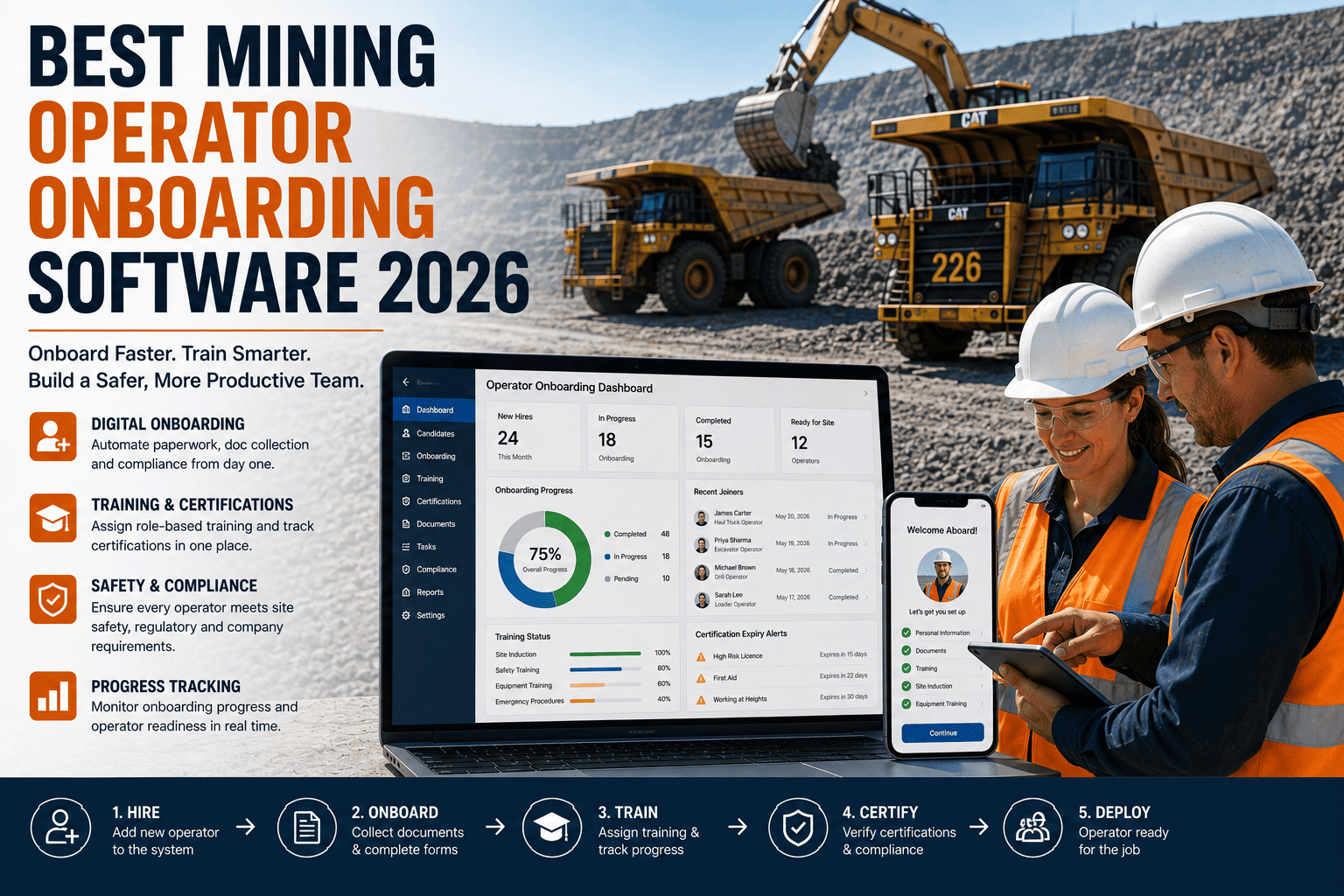
The most dangerous moment in a mining operator's career is not a decade in. It is the first few months, when a new hire is still learning how a haul truck actually handles fully loaded, how a loader behaves on wet ground, or how quickly a routine task can go wrong underground. Training reduces that risk, but training alone does not catch what happens after the classroom, once an operator is behind the controls on a real shift with real production pressure. That gap between training completion and proven safe behavior is exactly what operator safety management software is built to close.
The best mining operator safety management software in 2026 combines digital training records, real-time safety monitoring, and ongoing performance tracking so risk is visible continuously, not just during onboarding. Structured operator safety programs are linked to meaningfully fewer incidents and better equipment uptime than sites relying on training alone. Sign up free or book a demo to see how FleetRabbit tracks operator safety in real time.
Why Training Alone Does Not Close the Risk Gap
Safety training clearly moves the needle. Structured, formal training programs have been linked to meaningfully lower accident rates compared to sites with informal or inconsistent training, and regular refresher sessions reinforce procedures that would otherwise fade over months on the job. But research into what actually predicts accident rates has found something counterintuitive: years of experience alone did not show a significant independent effect once training quality was accounted for. In other words, a mine cannot simply wait for operators to "get experienced" and assume risk will fall on its own. It has to actively manage safety behavior the entire time an operator is on shift, not just during onboarding week.
The Operator Risk Curve
Classroom and Certification
New miner training covers hazard recognition, equipment operation, and emergency response, but it happens before an operator ever faces real production pressure.
First Weeks on Shift
This is where the gap between training and practice shows up most, as new operators handle live conditions, unfamiliar terrain, and equipment behavior no classroom fully replicates.
Unmonitored Routine Work
Without ongoing visibility, small unsafe habits, a rushed pre-shift check, a shortcut on a haul route, go unnoticed until they cause an incident.
Continuously Monitored Work
With ongoing performance tracking, the same small habits are visible early, giving supervisors a chance to correct behavior before it becomes an incident.
FleetRabbit tracks training completion, certification status, and ongoing performance in one system, so risk is visible on shift ten and shift one thousand, not just during orientation.
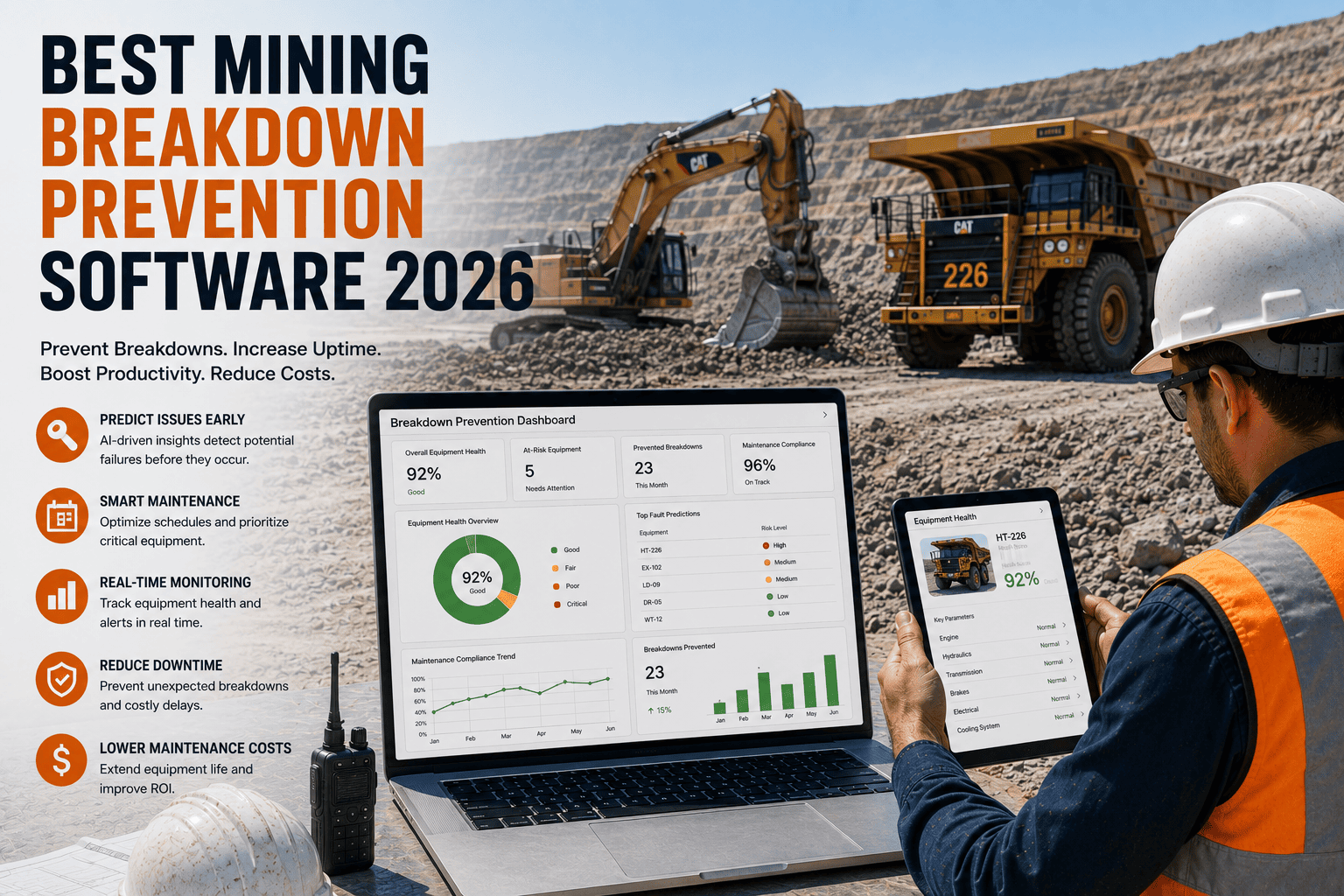
What Actually Belongs in Operator Safety Software
Mine complexity, more challenging geology, more advanced equipment, has been shown to predict higher accident rates, which means the software managing operator safety has to flex with the site, not just check a training box. The strongest platforms combine four capabilities rather than treating them as separate systems.
Four Pillars of a Complete Operator Safety Program
Digital Training Records
Every certification, refresher, and task-specific qualification tracked with expiration dates, so a lapsed credential is visible before an operator is assigned to a machine.
Real-Time Safety Monitoring
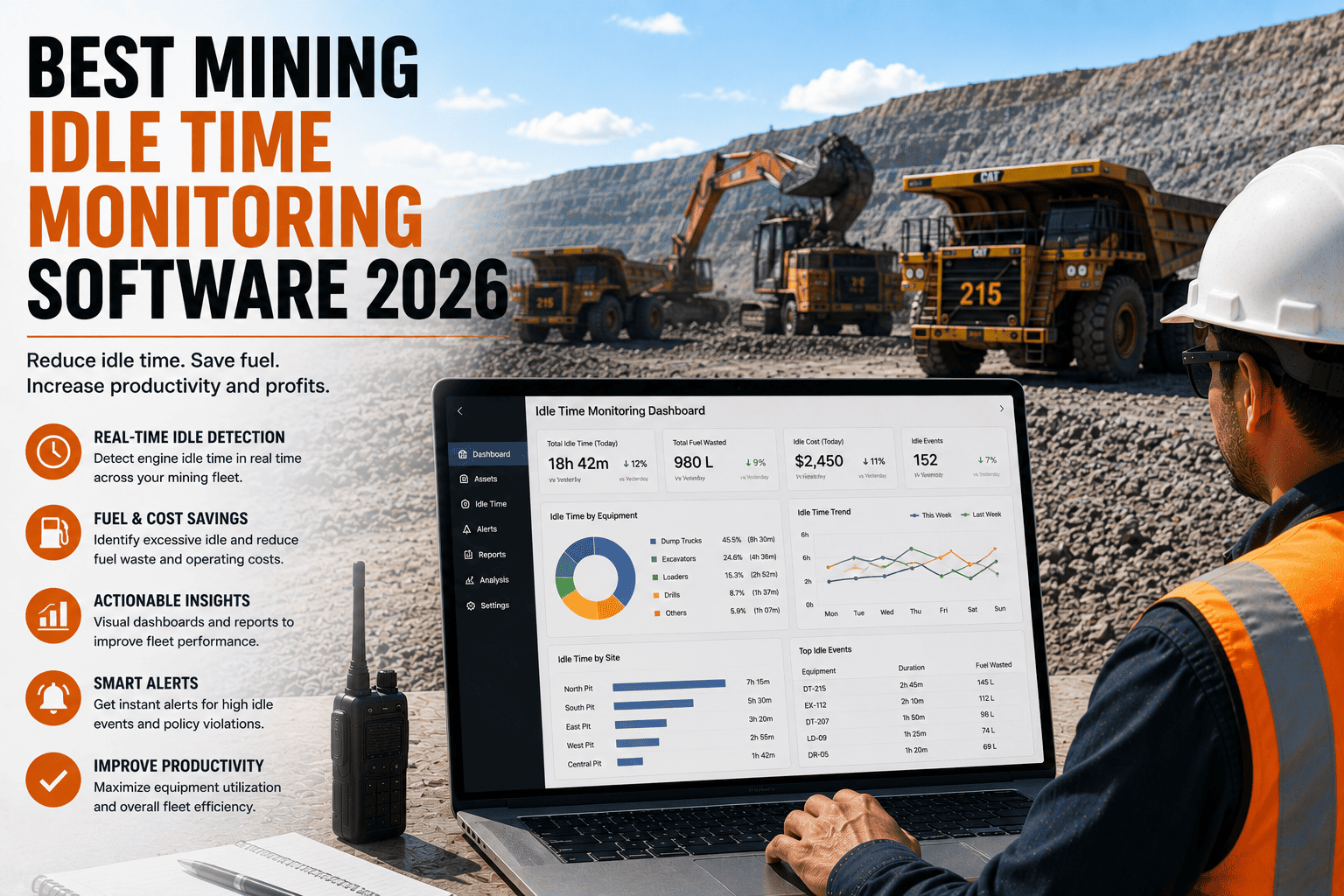
Alerts for harsh braking, speeding, excessive idling, or unsafe operating patterns as they happen, not discovered during a monthly review.
Operator Performance Tracking
Trends over weeks and months for each operator, so improvement or drift is caught early instead of assumed based on tenure.
Compliance Documentation
A complete, exportable record connecting training, monitoring, and corrective action for every operator, ready the moment it is needed.
Scattered Systems vs. One Connected Safety Platform
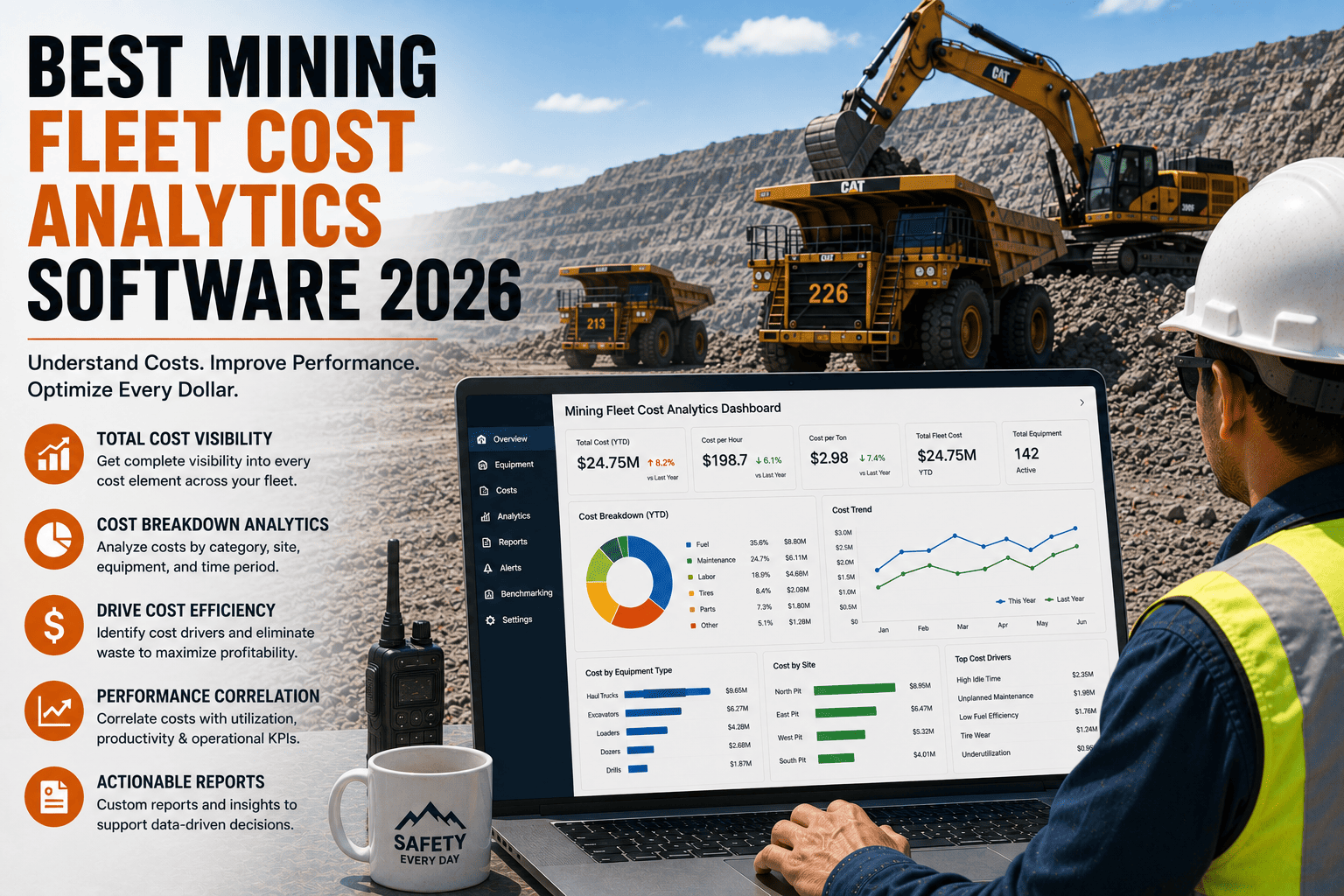
Most mining fleets already have pieces of this in place. The difference between an average safety program and a strong one usually comes down to whether those pieces talk to each other.
| Approach | How Operator Data Is Managed | Where It Falls Short |
|---|---|---|
| Training Records Only | Certifications tracked in a spreadsheet or HR system, disconnected from day-to-day operation | Fully trained operators can still develop unsafe habits with no system flagging the drift |
| Monitoring Without Training Context | Telematics flags unsafe events, but supervisors have no view of the operator's training background | Hard to tell whether an incident reflects a training gap or a one-off lapse without the full picture |
| Connected Safety Platform | Training, monitoring, and performance history linked to each operator in one system | Supervisors see the complete pattern, training status, live behavior, and trend, in one place |
Why Connected Data Changes Supervisor Behavior
When a supervisor can see that a harsh-braking event belongs to an operator whose refresher training is also six weeks overdue, the response is obvious and immediate. When those two facts live in separate systems, the connection often never gets made until after an incident, and the corrective action arrives too late to matter.
FleetRabbit links every operator's certifications, safety events, and performance trends into a single profile, so supervisors can act on patterns instead of piecing them together after an incident.
Frequently Asked Questions
The Bottom Line for Safety Managers
Training gets operators certified. It does not, on its own, keep them safe for the years that follow. The mines seeing the biggest improvements in incident rates are the ones that treat operator safety as a continuous, connected process, training, real-time monitoring, and performance tracking working together, rather than three separate checkboxes filled out once and forgotten.
FleetRabbit connects training records, real-time safety monitoring, and performance trends into one operator profile, so risk is visible from the first shift through the thousandth.