A Bus Rapid Transit line lives or dies on one promise: a bus every few minutes, reliably, in a dedicated lane where riders have planned their whole commute around not needing a printed timetable. That promise only holds if two very different systems are both working, live GPS that tells riders and dispatchers exactly where every bus is against its headway, and a maintenance program disciplined enough that a bus never gets pulled from a BRT corridor mid-shift for a preventable failure. This page covers how PM-A, PM-B, and PM-C scheduling actually work together, what ADA lift inspections require on a BRT fleet, and how schedule adherence tracking turns a headway promise into something a transit agency can actually keep.
That nesting is the part most fleets get wrong, because skipping a PM-A when a PM-B is already scheduled leaves the safety-critical checklist undone even though it looks like the bus just had service. A PM-C is not a separate inspection, it is everything in A and B plus deeper mileage-driven checks, and a maintenance program that treats the three classes as independent categories instead of a ladder is the one that shows up short at an FTA triennial review. Agencies ready to schedule all three classes correctly against real mileage can sign up and see the ladder enforced automatically instead of tracked on a spreadsheet.
Connect your BRT fleet and let PM-A, PM-B, and PM-C scheduling run against actual mileage and duty cycle automatically.
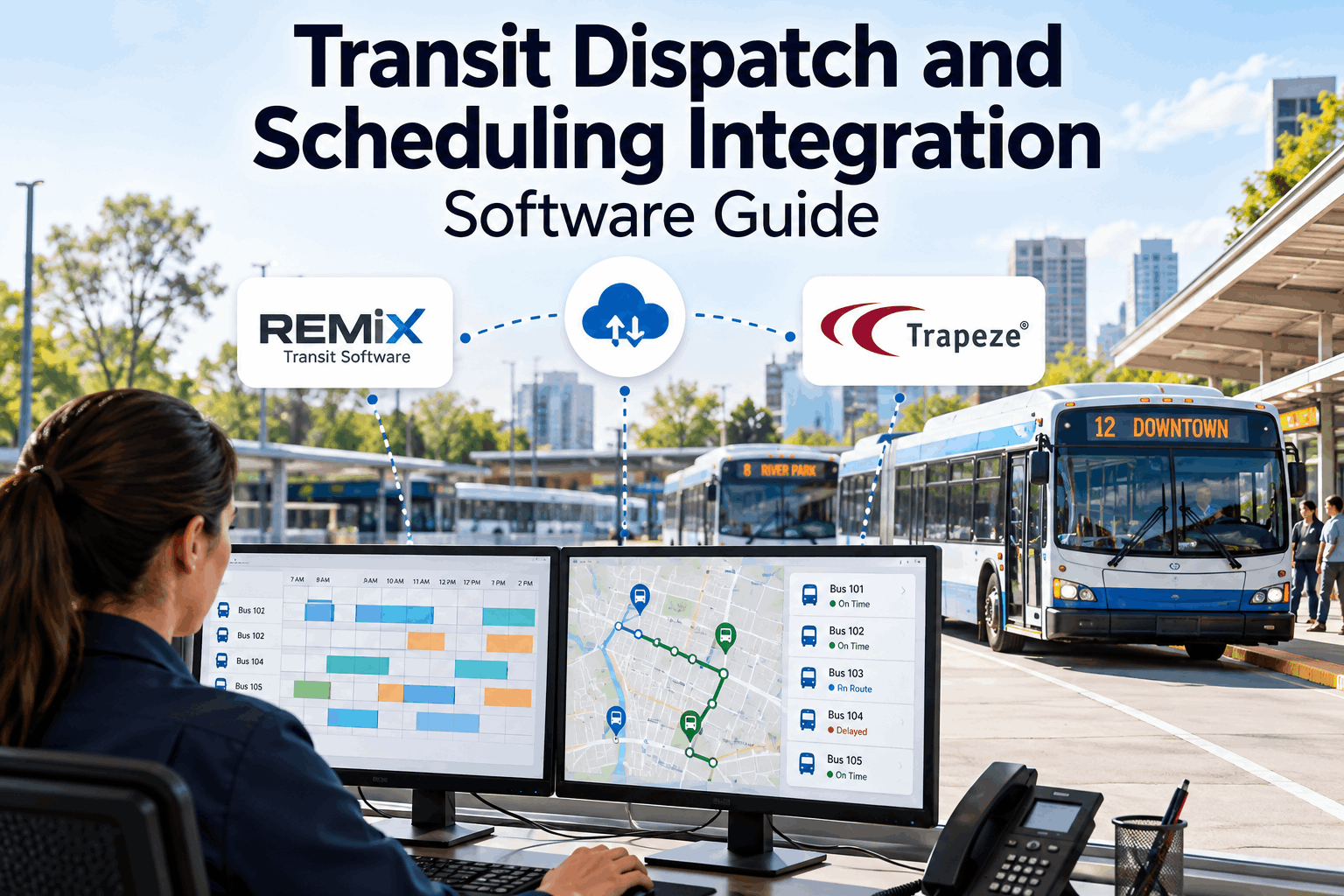
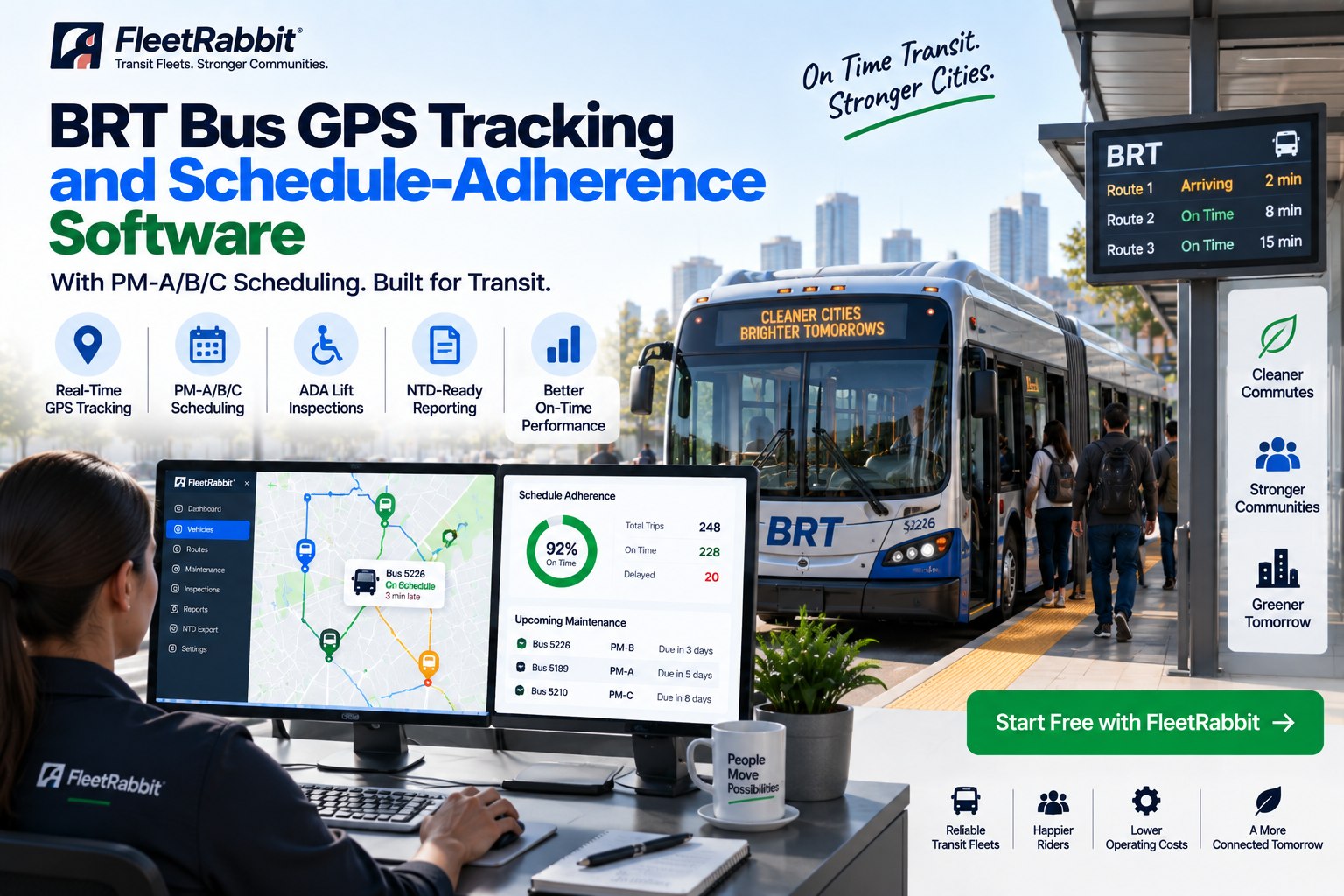
Stop 6 running three minutes late is the exact moment a BRT line's real value proposition, arrive-without-checking-a-schedule frequency, starts to erode for riders standing at every stop behind it. Live GPS feeding a schedule-adherence view lets dispatch see that variance the moment it opens up and adjust headway before it compounds into bunching further down the corridor. That kind of live correction is what agencies are actually evaluating when they book a demo of schedule-adherence tracking against their own BRT route.
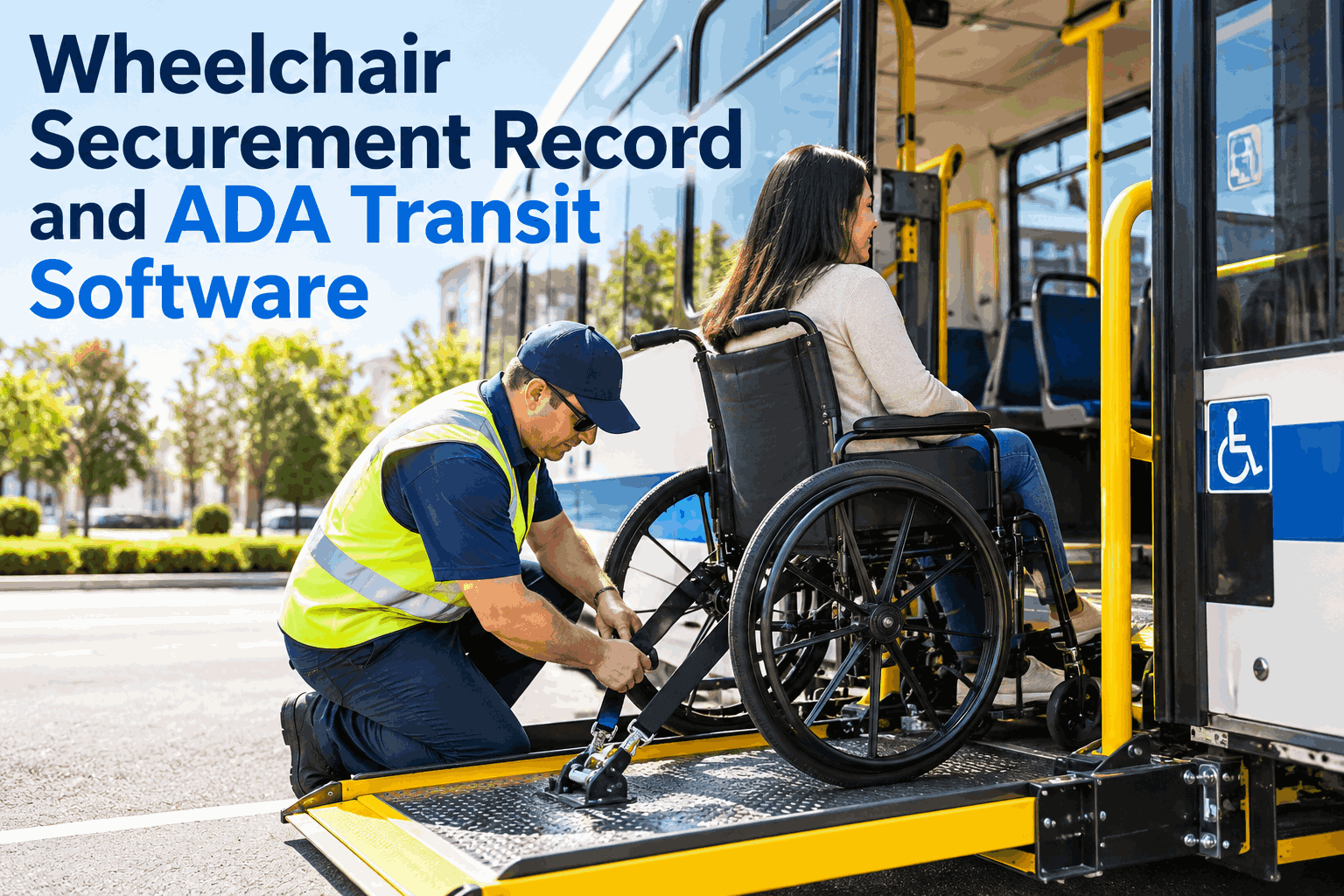
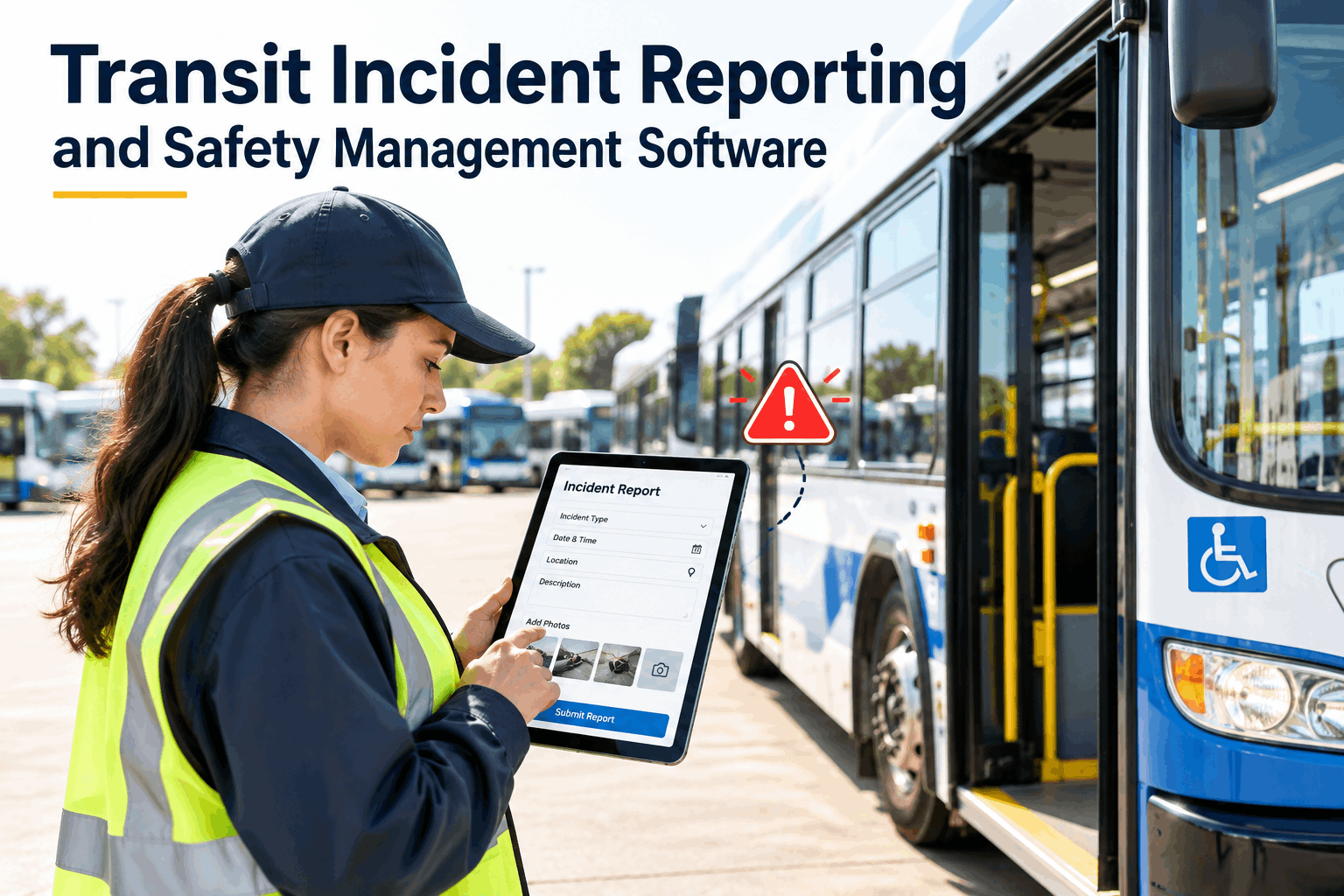
An ADA lift that fails during boarding is not just a maintenance ticket, it is a rider left at the curb and a documentation gap that shows up immediately in an FTA compliance review. Tying that daily function check to the same system tracking PM-A, PM-B, and PM-C means a lift defect gets logged and routed the same way a brake issue would, instead of living in a separate paper binder that nobody cross-references until an audit asks for it.
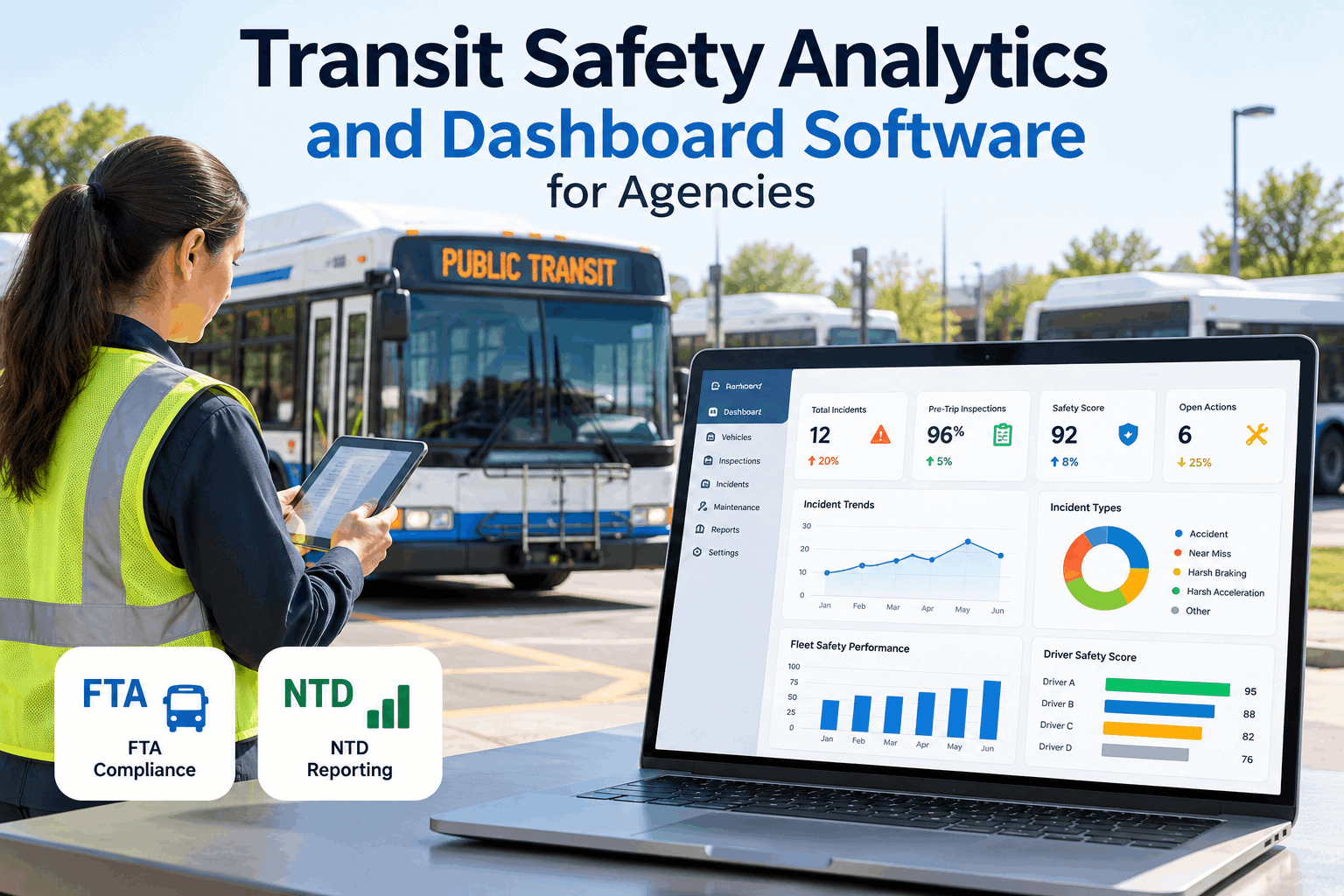
Falling short of that 80 percent PM completion threshold is the single most common finding in an FTA triennial review, and it usually is not because the maintenance work did not happen, it is because nobody could prove it happened on schedule with actual dates and technician sign-offs attached. A system that tracks PM completion in real time turns that number from a scramble in the weeks before an audit into something an agency already knows on any given Tuesday.
- PM-A, B, and C tracked as separate, easy-to-miss categories
- Schedule adherence estimated from driver radio calls
- ADA lift checks logged on paper, rarely cross-referenced
- NTD and FTA reports compiled by hand before every deadline
- PM-A/B/C scheduled as one ladder against real mileage
- Live GPS shows headway variance at every stop in real time
- ADA lift checks logged alongside every other PM record
- NTD-ready data exports in one click, any day of the year
The difference between those two columns is the difference between an agency that finds out about a PM gap during a triennial review and one that already closed it months earlier. BRT service depends on both a bus showing up on headway and a bus that never breaks down on the dedicated lane it is running in, and both depend on the same underlying discipline: real data, tracked continuously, not reconstructed after the fact. If your agency is still splitting PM classes, ADA checks, and schedule data across separate systems, this is a good time to sign up and bring them together.
Book a demo and see PM-A/B/C scheduling, ADA lift checks, and NTD-ready reporting running on one BRT fleet dashboard.