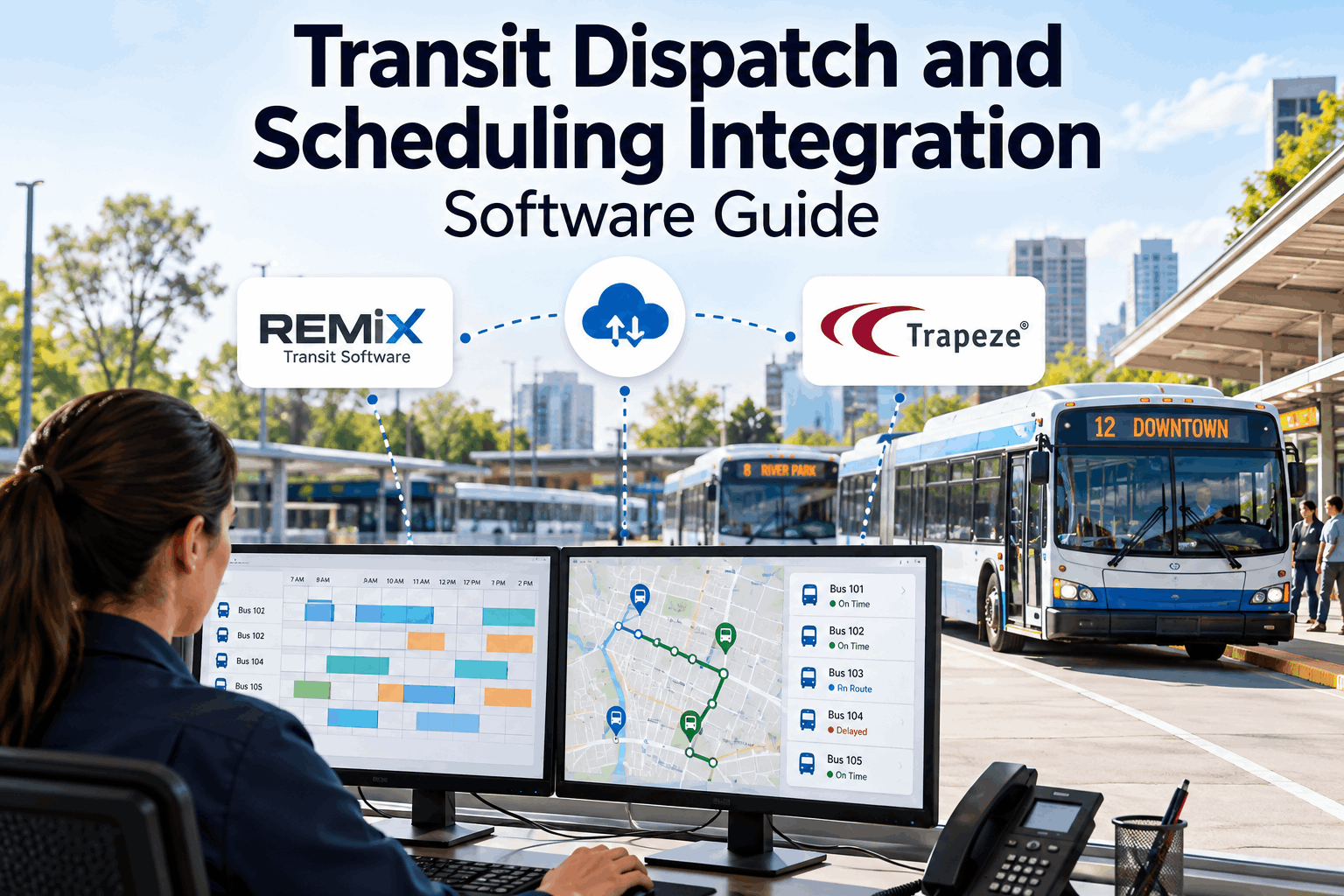
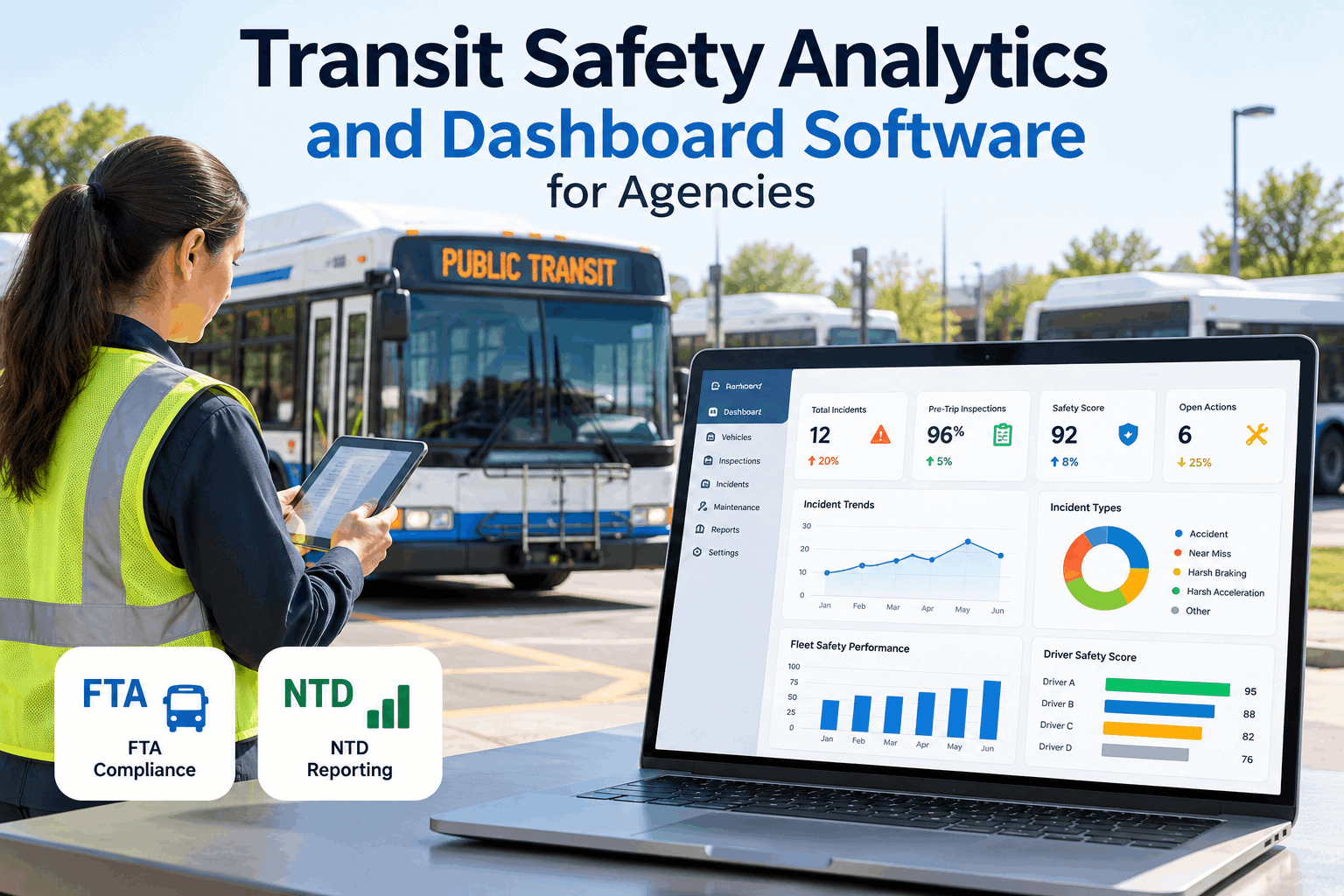
Transit Dispatch and Scheduling Integration Software Guide
Public transit operations directors, agency ITS engineers, municipal scheduling planners, and bus maintenance superintendents wrestle with an operational rift: the communication disconnect between fixed-route scheduling software and garage maintenance management. In standard agency structures, dispatch suites like Trapeze, Remix, or Optibus assign runs in complete isolation from shop floor realities. A scheduler assigns bus #402 to a 14-hour arterial block, completely unaware that the bus is just twelve miles away from exceeding its mandatory 10% preventive maintenance variance window under Federal Transit Administration (FTA) Title 49 CFR Part 625 Transit Asset Management (TAM) standards, or that its primary J1939 CAN-bus telemetry flagged a continuous coolant temperature drift. When dispatchers assign mechanically compromised or maintenance-overdue rolling stock to peak commuter corridors, in-service mechanical stalls occur, passenger loads get stranded, garage overtime escalates, and formula grant apportionments tracked through the National Transit Database (NTD) face audit clawbacks. Unified transit dispatch and scheduling integration software closes this gap by connecting intelligent CAD/AVL run-assignments, live CAN-bus diagnostics, and automated maintenance gatekeeper work orders into a synchronized operational pipeline. Automatically block red-tagged buses from daily route pull-out runs, preserve the strict FTA 10% PM window, ensure 100% ADA lift accessibility, and synchronize vehicle revenue miles directly to annual NTD filings without human spreadsheet errors. Book a Demo to see our transit dispatch and scheduling integration software in action.
CAD/AVL & GTFS-RT Live SynchronizationFTA 49 CFR Part 625 & NTD ReadyRemix, Trapeze & Optibus Interoperability
Transit Dispatch and Scheduling Integration Software Guide
The modern engineering handbook for integrated public transit operations: bridge scheduling engines with garage repair queues, automate gatekeeper maintenance blocks before morning pull-out, enforce J1939 CAN-bus odometer syncing, and protect civic linehaul reliability.
Real-Time Pull-Out Gate LockoutAutomated Deadhead vs. Revenue TrackingJ1939 Active DTC Triage Engine1-Click NTD A-90 Data Exports
CAD/AVL, Scheduling & Garage Maintenance API Circuit
99.9%
On-Time Morning Pull-Out
Automated vehicle health cross-checks prevent defective buses from staging at departure gates.
100%
FTA 10% PM Compliance
Continuous J1939 odometer streaming prevents vehicles approaching service limits from taking line blocks.
0
ADA Wheelchair Denials
Buses with unverified or defective ADA ramps are automatically reassigned to standby maintenance bays.
$5
Per Transit Vehicle / Mo
Transparent public sector software pricing with zero locked long-term enterprise RFP markups.
Connect Dispatch Scheduling and Maintenance to Protect Transit Formula Grants
Bridge CAD/AVL dispatch runs with real-time shop floor work orders, automate 10% FTA PM intervals, and streamline NTD passenger-mile reporting for just $5/asset/month.
The Costly Systemic Friction of Siloed Transit Dispatch and Shop Floors
Municipal mass transit agencies and regional transit authorities operate on thin margin buffers where a single in-service failure cascades into late terminal departures, skipped passenger headway stops, and driver overtime. When an agency operates its computerized dispatch and automated vehicle location (CAD/AVL) systems separate from its maintenance management software, critical operational blind spots emerge. Schedulers assign buses based solely on passenger capacity or route block length without knowing if a coach is approaching a critical transmission fault code or an overdue safety inspection. Sign up to automate dispatch and maintenance interoperability across your transit fleet.
Friction 01
The Strict FTA 10% PM-A/B/C Window Violation Trap
Federal Transit Administration oversight requires all preventive maintenance to occur within a strict 10% mileage variance of the manufacturer's established benchmark (e.g., a 6,000-mile inspection must occur between 5,400 and 6,600 miles). When scheduling software dispatches a bus with only twenty miles remaining before it hits the 6,600-mile threshold onto a 150-mile all-day run, the bus completes its route in violation of federal rules. Lacking real-time integration, agencies accumulate Triennial Review audit findings that jeopardize federal formula grant funding. Book a demo to inspect our automated 10% PM variance engine.
Friction 02
Dispatching Defective ADA Ramps and Civil Liability
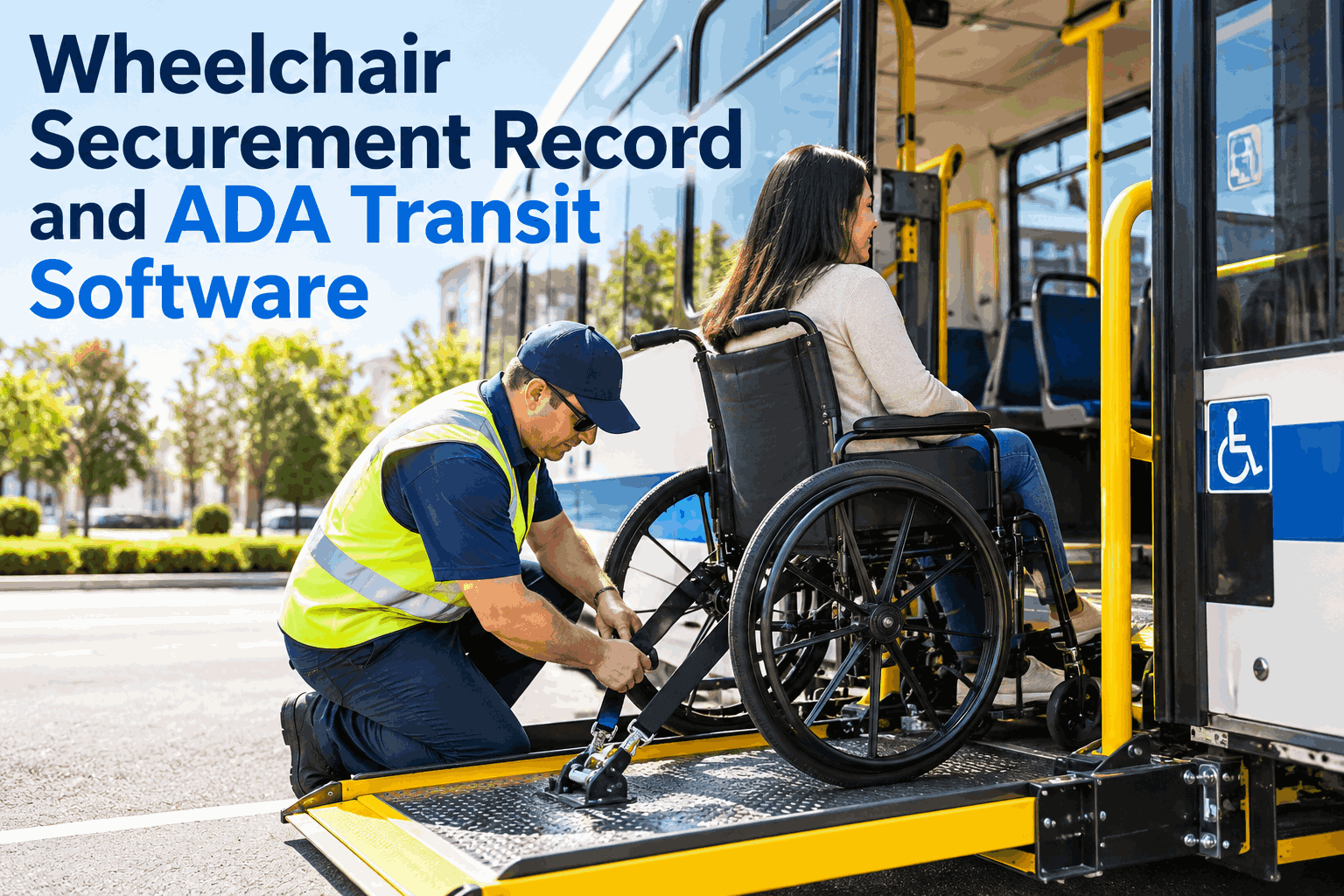
Under Americans with Disabilities Act (ADA) Title II regulations, public transit providers cannot operate vehicles in revenue service with defective wheelchair boarding lifts or deployment interlocks. In disconnected agencies, when a driver flags a sticking ramp switch during morning pre-trip inspections, paper slips often sit on the shop desk while dispatchers assign the vehicle to a high-frequency bus route, risking roadside boarding denials, civil rights complaints, and federal fines.
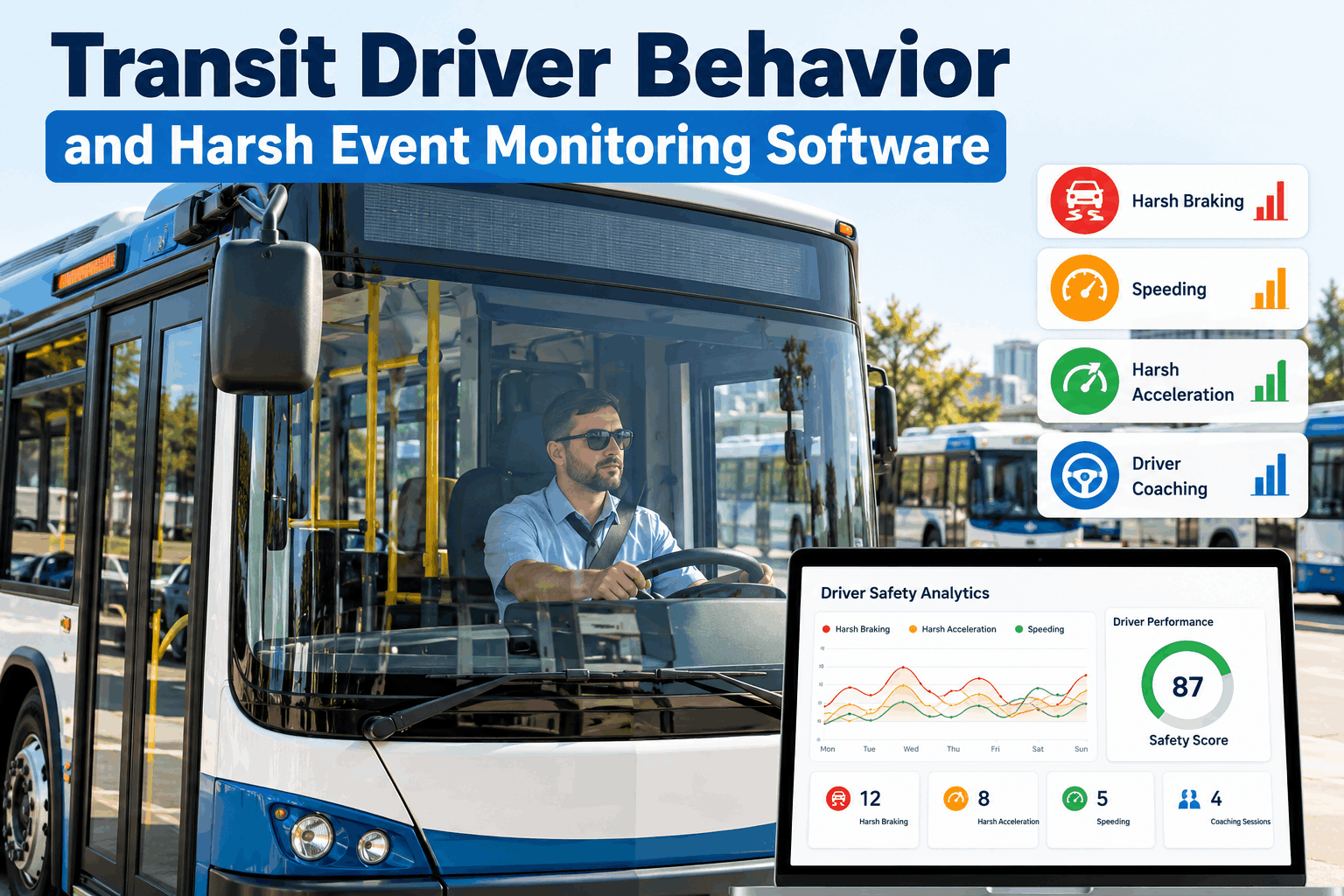
Modern heavy-duty transit buses continuously broadcast J1939 diagnostic trouble codes (DTCs)—such as cooling loop pressure loss, DPF soot loading, or brake stroke travel alerts. When dispatch software lacks live telematics integration, schedulers assign buses with active amber fault lamps to demanding arterial corridors. The bus enters emergency limp-mode mid-route, stranding eighty passengers, causing headway delays, and requiring a $1,200 heavy-duty tow back to the central maintenance facility. Sign up to deploy automated J1939 fault-code dispatch blocks.
Friction 04
Inaccurate NTD Actual vs. Revenue Mileage Reconciliation
National Transit Database annual reporting requires agencies to accurately separate total actual vehicle miles, vehicle revenue miles, and deadhead miles. When dispatch schedules operate on theoretical timetable estimates while shop records rely on handwritten hubodometer readings, transit finance departments spend months manually auditing spreadsheets to reconcile mileage variations, risking compliance delays. Book a demo to inspect our NTD-ready automated mileage auditing engine.
The Tiered Transit Maintenance Service Matrix: PM-A, PM-B, and PM-C Schedules
To preserve rolling stock reliability, ensure compliance with FTA Transit Asset Management (TAM) requirements under 49 CFR Part 625, and guarantee seamless dispatch assignment, transit agencies schedule fleet servicing through structured preventive maintenance tiers. Sign up to calibrate your agency's preventive maintenance intervals.
Preventive Maintenance Tier
Mileage / Operating Benchmark
Chassis, Powertrain & Safety Inspection Scope
Dispatch Assignment & Compliance Target
PM-A: Safety & Lubrication Sweep
Every 3,000 Miles / 150 Hours
Chassis grease lubrication; air brake pushrod stroke measurement; optical passenger door brake interlock test; ADA wheelchair flip-ramp deployment cycle; tire tread depth audit; emergency exit window latch test.
Verify daily pre-trip standards, prevent brake drum heat glazing, guarantee ADA passenger accessibility, and clear vehicle for peak-hour split blocks.
Maintain heavy stop-and-go linehaul reliability, prevent electrical brownouts under full passenger A/C loads, and protect engine warranties within strict 10% windows.
PM-C: Heavy Structural & Overhaul
Every 12,000 Miles / 12 Months
PM-A & PM-B scope PLUS: complete suspension torque audit; steering drag link and kingpin wear check; transmission filter replacement; cooling system vacuum flush; monocoque subframe ultrasonic crack inspection; annual state DOT safety audit.
Comprehensive structural integrity certification, roll-stability verification, State of Good Repair (SGR) compliance, and annual state operating permit renewal.
The 4 Architectural Pillars of Transit Dispatch & Maintenance Integration
Open API Interoperability (Remix, Trapeze, Optibus)
Connect directly to existing industry-standard transit scheduling systems via robust REST APIs and GTFS-RT protocol feeds. The software automatically ingests daily run paddles, driver shift assignments, and route block durations, matching them instantly against the live maintenance availability status of every vehicle in the fleet.
Pillar 02
Automated Gatekeeper Defect & Red-Tag Lockout
When an operator flags a safety-critical defect during morning pre-trip inspections—or if on-board telematics detect a critical fault code—the platform red-tags the coach instantly. The vehicle is blocked in the dispatch console, preventing schedulers from assigning it until shop technicians close the work order. Sign up to deploy automated pull-out gatekeeper lockouts.
Pillar 03
Live J1939 Odometer & 10% FTA PM Window Sync
Capture verified odometer and engine runtime data directly through vehicle diagnostic ports. The software compares scheduled route block distances against remaining mileage buffers, automatically alerting dispatchers if assigning a bus to an all-day block will cause it to exceed its mandatory 10% preventive maintenance window.
Pillar 04
Automated NTD Revenue-Mile & TAM SGR Reporting
Differentiate actual vehicle revenue service miles from non-revenue deadhead transit between garages and route terminals. Generate 1-click validated National Transit Database (NTD) annual report modules, formatted for submission to the Federal Transit Administration without manual spreadsheet data entry. Book a demo to inspect our automated NTD compliance dossiers.
The Step-by-Step Dispatch Pull-Out & Auto-Reassignment Pipeline
The software ingests daily route paddles from Trapeze or Remix, cross-referencing block lengths against vehicle PM-A/B/C mileage buffers and maintenance clearances.
Step 02
Driver Pre-Trip & Telematics Sync
The driver completes the guided digital walkaround on a yard tablet, cycling the ADA ramp while J1939 telematics stream engine diagnostic codes to dispatch.
The software reallocates the driver's morning run to a pre-cleared backup coach from the spare vehicle pool, and stages a priority work order in the maintenance garage.
Platform Comparison: Disjointed Systems vs. Fleet Rabbit Platform
Metro Transit District Eliminates Pull-Out Bottlenecks Across 74 Transit Coaches
Operating 74 clean-diesel and compressed natural gas (CNG) transit buses carrying over 28,000 daily commuters across a metropolitan service area, Metro Area Regional Transit District suffered from severe coordination gaps between operations and maintenance. Dispatchers using scheduling software routinely assigned coaches to 12-hour route blocks that caused vehicles to exceed their mandatory 10% preventive maintenance window, triggering formal deficiency findings during their FTA Triennial Review. Furthermore, paper pre-trip inspection slips delayed morning yard departures, causing missed commuter headways and costing over $40,000 annually in emergency heavy-duty towing for in-service breakdowns.
By implementing Fleet Rabbit at $5/asset/month, the transit authority integrated live vehicle maintenance status directly with their dispatch run-assignment engine. Connected J1939 telematics pulled true vehicle odometer readings automatically, scheduling PM-A, PM-B, and PM-C services precisely within the 10% FTA window. Mobile yard tablets required photo-verified pre-trip inspections, automatically red-tagging vehicles with defective ADA ramps or active fault codes and reassigning drivers to pre-cleared backup buses. Over 12 months, on-time morning gate pull-out compliance rose to 99.8%, in-service road calls dropped by 72%, and the agency passed its subsequent FTA Triennial Review with a clean audit record, while saving $96,000 in eliminated emergency towing, reduced technician overtime, and streamlined NTD reporting.
Frequently Asked Questions
How does FleetRabbit integrate with existing transit scheduling suites like Trapeze or Remix?
FleetRabbit features an open API architecture designed to connect with industry-standard transit scheduling and dispatch suites (including Trapeze, Remix, and Optibus). The software ingests daily route paddles, vehicle run assignments, and timetable blocks, cross-referencing scheduled mileage requirements against vehicle maintenance availability and PM window thresholds. If a vehicle is assigned to a run that will breach its maintenance window, FleetRabbit flags the conflict and suggests a replacement from the active spare pool.
What is the "10% rule" enforced during FTA Triennial Reviews?
Under Federal Transit Administration (FTA) oversight, transit agencies receiving federal grant funds must perform scheduled preventive maintenance inspections within a strict 10% variance window of the manufacturer's established benchmark. For example, if a transit bus requires PM-A servicing every 6,000 miles, the inspection must occur between 5,400 and 6,600 miles. At least 80% of all maintenance records must demonstrate compliance within this window to avoid an audit deficiency finding during federal Triennial Reviews.
How does automated gatekeeper lockout protect public transit passengers?
When an operator flags a safety-critical defect during morning pre-trip inspections—such as an inoperable ADA wheelchair lift, cracked windshield, or leaking air brake line—or if on-board J1939 telematics detect a critical engine fault, FleetRabbit red-tags the vehicle in the system. The bus is locked from route assignment in the dispatch console, preventing dispatchers from sending the coach into passenger service until shop technicians repair the defect and close the work order.
Can drivers complete pre-trip inspections in metal-sided transit depots without cellular coverage?
Yes. FleetRabbit features an offline-first mobile architecture. Drivers can perform complete multi-point pre-trip walkarounds, take high-resolution defect photos, and verify safety hardware inside metal-clad bus maintenance facilities, concrete parking decks, or underground staging bays without internet access. All data caches securely on the mobile device and automatically synchronizes to central dispatch the moment cellular or garage Wi-Fi connectivity returns.
What are the pricing details and contract terms for FleetRabbit's software?
FleetRabbit is priced at a transparent flat rate of $5 per active transit asset per month billed annually. This gives complete access to dispatch scheduling integration, J1939 telematics syncing, FTA 10% PM-A/B/C window tracking, automated gatekeeper defect lockouts, and 1-click NTD mileage reporting exports. We provide a 14-day free live trial on up to 3 vehicles with zero setup fees or long-term locked enterprise contracts.
Ready to Integrate Dispatch Scheduling and Maintenance Across Your Fleet?
Automate pull-out gatekeeper lockouts, maintain strict FTA 10% PM compliance, and streamline NTD reporting for just $5/asset/month.