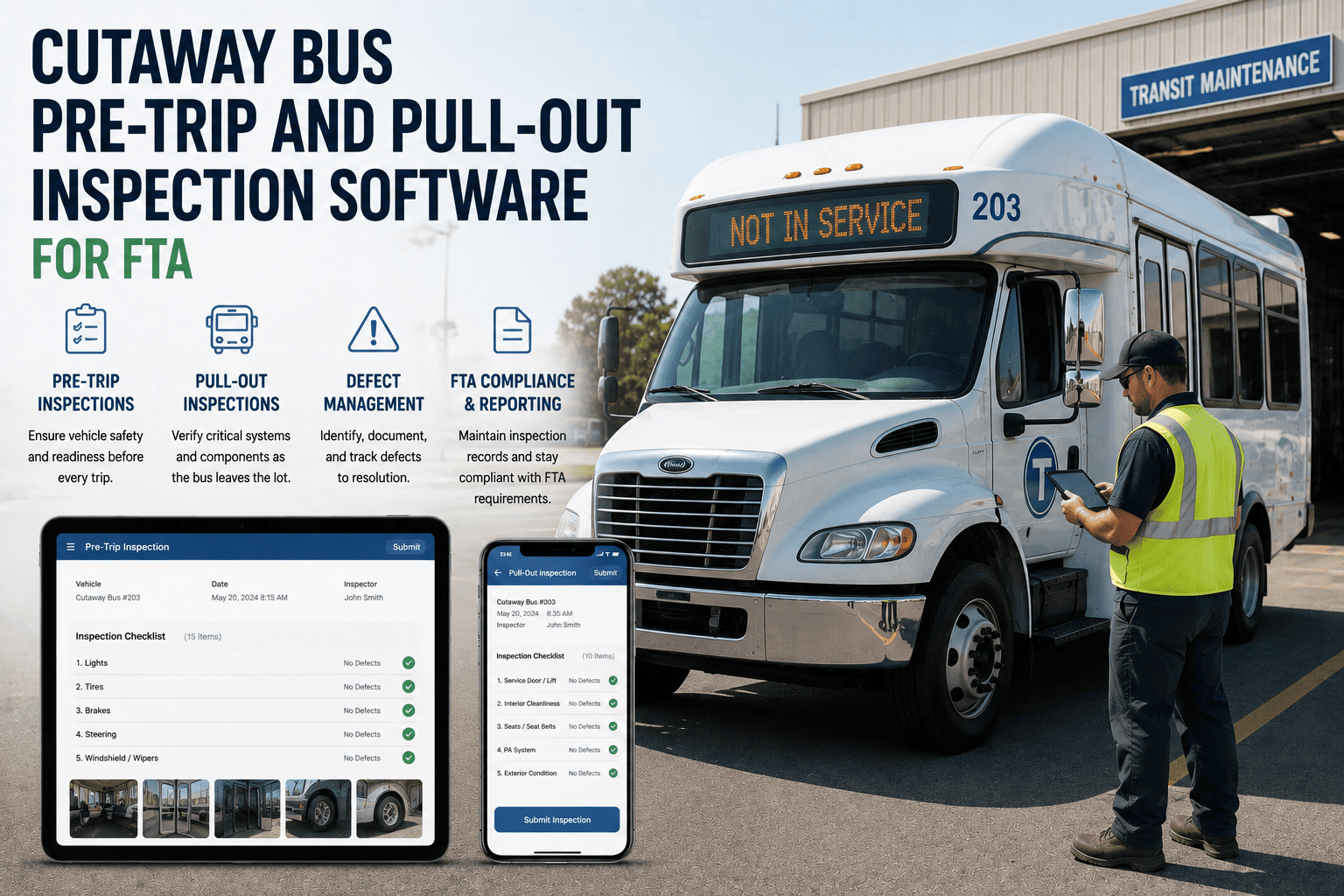
A cutaway bus does not fail on the highway. It fails in the yard, twenty minutes before pull-out, when a driver is rushing through a paper checklist and a technician is three vehicles behind on morning inspections. For paratransit and rural transit agencies running cutaway fleets, the gap between a compliant inspection and a rubber-stamped one decides whether a bus makes it out the gate on time and whether that agency survives its next FTA triennial review.
Why Cutaway Buses Play by Different Rules
Cutaway buses sit in an odd spot in a transit fleet. They are built on a commercial chassis but carry the passenger-facing obligations of a full-size transit vehicle, including ADA lift or ramp requirements under 49 CFR 37.163 and daily driver certification duties under 49 CFR 396.13. That means a cutaway pre-trip walkaround has to cover the same brakes, tires, steering, and lighting checks as any commercial vehicle, plus a working wheelchair lift, secure passenger seating, and a farebox or fare system that will not jam mid-route. Agencies that treat cutaways like light trucks with extra seats tend to be the ones flagged during Vehicle and Equipment Management reviews.
This is exactly where a purpose-built cutaway bus inspection software platform earns its keep. Instead of a generic fleet checklist, it accounts for the lift cycling, the shorter PM intervals typical of chassis-based vehicles, and the documentation trail FTA auditors expect to see without having to ask twice.
PM-A, PM-B, and PM-C: The Rhythm Behind Every Reliable Pull-Out
Most transit PM programs run on a tiered interval system, commonly called A, B, and C checks, spaced across mileage bands recommended by the chassis manufacturer and reinforced by FTA Circular 9400.1 guidance on documented maintenance intervals. Missing the rhythm does not just risk a breakdown mid-route, it directly lowers the PM completion percentage that auditors use to judge whether a fleet is being maintained on schedule.
Short Interval Check
Fluids, filters, belts, and safety-critical fastener checks on a tight mileage cycle, usually the first line of defense against small issues turning into road calls.
Mid Interval Check
Everything in an A-check plus deeper attention to brakes, steering linkage, and suspension components that wear faster on stop-heavy paratransit routes.
Extended Interval Check
A full-system inspection covering transmission, exhaust, cooling, and structural points, timed to catch fatigue before it becomes a state-of-good-repair problem.
Running this cycle on paper works until a fleet crosses a few dozen vehicles, and then the interval tracking starts slipping. This is where teams typically book a demo to see how automated scheduling keeps every cutaway on its correct A, B, or C clock without a spreadsheet in sight.
ADA Lift Inspections: The Item Auditors Look For First
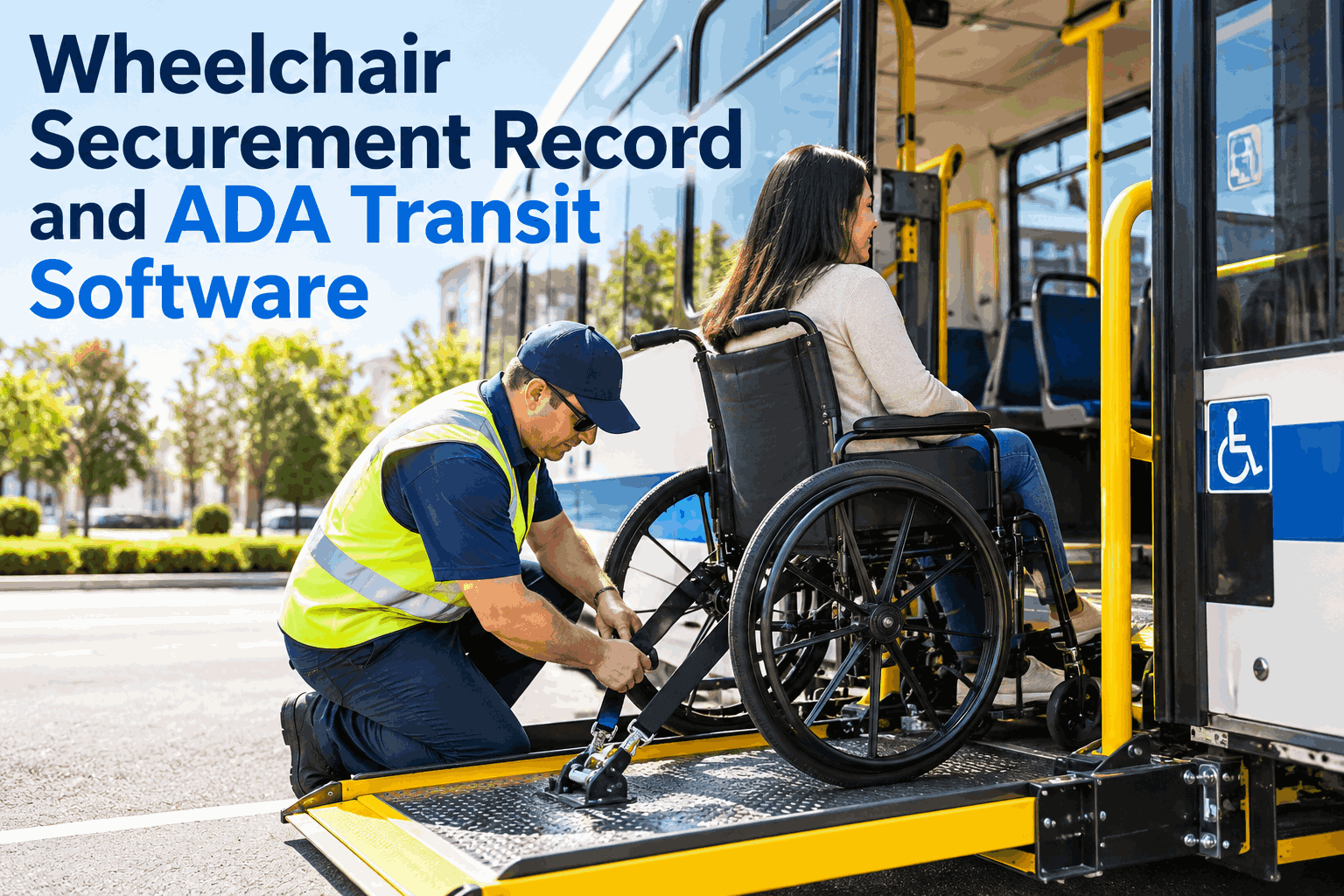
Wheelchair lifts and ramps are one of the most commonly cited gaps in FTA triennial reviews, largely because agencies confirm a lift visually instead of physically cycling it. Best practice calls for a daily deploy-and-stow test logged with a timestamp and technician or driver identifier, backed by a separate monthly functional inspection. A missing lift log on a single vehicle can be enough to trigger a broader documentation review.
Driver physically deploys and stows the lift before pull-out, not just a visual check
Result is logged digitally with time, date, and driver ID attached automatically
Any fault routes straight into a work order before the bus is cleared to leave
Monthly functional test sits alongside daily logs in one searchable ADA record
Agencies that want to stop reconstructing ADA lift history from memory during an audit usually sign up for a system that captures every cycle the moment it happens, rather than at the end of a shift when details get fuzzy.
Stop Reconstructing Compliance After the Fact
FleetRabbit turns pre-trip and pull-out inspections into a live, audit-ready record instead of a stack of paper waiting to be lost. See what a fully digital cutaway bus workflow looks like for your yard.
Pull-Out Readiness Is a Timing Problem, Not Just a Safety One
Even a fully compliant inspection is a liability if it finishes after the bus was supposed to leave the yard. Pull-out readiness software exists to close that timing gap by giving dispatch a live view of which vehicles have cleared pre-trip, which are stuck on an open defect, and which drivers still have an unsigned DVIR sitting from the day before, since federal rules require the prior day's report to be reviewed and certified before a new trip begins.
The goal is not just faster inspections. It is a single dashboard where a dispatcher can see fleet status at a glance instead of walking the yard or calling technicians one by one. Agencies exploring this can book a demo to see a live pull-out board built specifically around cutaway and paratransit operations.
Minimum PM completion rate FTA auditors expect agencies to demonstrate
Compliance areas examined during a full FTA triennial review
Typical record retention window auditors expect for inspection history
From Yard Checklist to NTD Submission
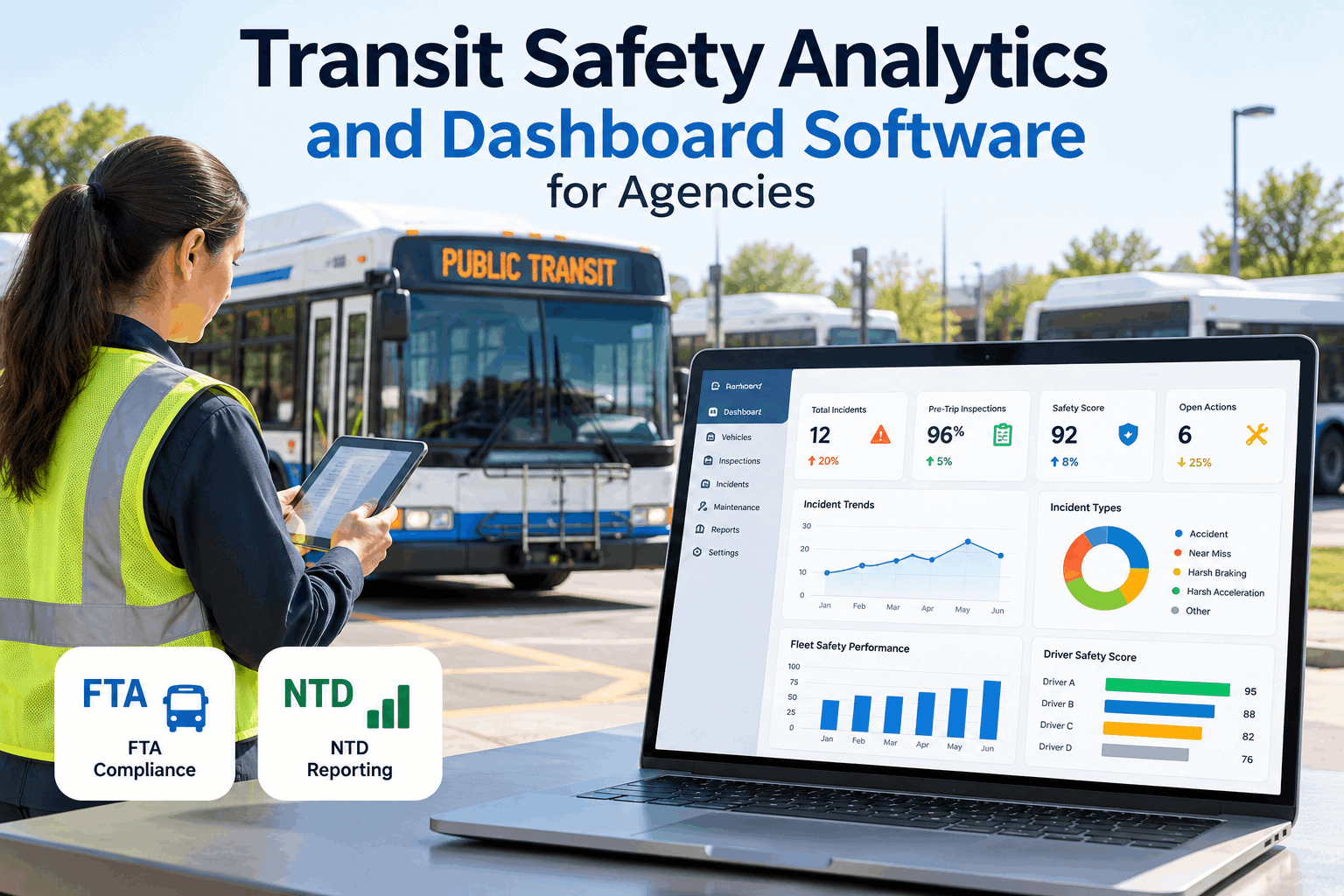
Every pre-trip check, PM record, and lift log an agency generates eventually feeds two places: the FTA triennial review and the annual National Transit Database submission that influences formula funding. Agencies still pulling this data from paper folders routinely spend weeks assembling a single NTD report, and small transcription errors compound into bigger audit findings. A connected transit fleet management software layer removes that manual step by keeping every inspection, defect, and repair timestamped and exportable from day one.
This is also where fleet age and condition tracking matters. Agencies are expected to monitor vehicles against federal minimum useful life benchmarks and feed that data into state-of-good-repair scoring, which directly affects capital replacement funding requests. Teams that want this reporting handled automatically instead of rebuilt every audit cycle can sign up and connect their existing fleet data in a single afternoon.
What FleetRabbit Actually Automates
Digital Pre-Trip Checklists
Cutaway-specific inspection forms covering brakes, lift cycling, and passenger systems, completed on a driver's device before pull-out.
PM-A/B/C Scheduling
Automatic interval tracking by mileage or date, so no A, B, or C check quietly slips past due.
ADA Lift Logs
Time-stamped deploy-and-stow records tied to driver ID, ready to export the moment an auditor asks.
Live Pull-Out Dashboard
A real-time view of every vehicle's readiness status so dispatch never guesses which bus can leave.
One-Click NTD Export
Inspection and maintenance history structured for annual reporting without a manual data rebuild.
Defect-to-Work-Order Routing
A flagged issue during pre-trip becomes a work order automatically, closing the loop before it is forgotten.
Ready to see it against your own fleet numbers? Book a demo and walk through a real pull-out scenario with your team.
Give Your Yard a Compliance Head Start
Fewer missed PMs, faster pull-outs, and an NTD submission that takes hours instead of weeks. That is what a purpose-built cutaway bus inspection platform is meant to deliver.
Frequently Asked Questions
What makes cutaway bus inspections different from regular fleet inspections
Cutaway buses combine a commercial chassis with passenger transit obligations, so inspections must cover standard mechanical items alongside ADA lift cycling, passenger seating checks, and fare system function, none of which apply to a typical light-duty vehicle inspection.
How often should PM-A, PM-B, and PM-C checks happen
Intervals vary by chassis manufacturer and agency policy, but most programs follow tiered mileage or time bands, with A-checks most frequent and C-checks reserved for deeper, less frequent system reviews.
Why do ADA lift inspections need to be daily
A lift that looks fine visually can still fail mechanically when cycled, which is why best practice calls for physically deploying and stowing it every day rather than relying on a glance during pre-trip.
What happens during an FTA triennial review
FTA examines up to 23 compliance areas every three years, with vehicle and equipment management among the most scrutinized, checking PM completion rates, inspection records, and defect resolution documentation.
How does inspection software help with NTD reporting
By keeping every inspection, PM record, and defect timestamped from the moment it happens, the same data can be exported directly into an NTD submission instead of being manually rebuilt from paper records.
Can this software fit a small paratransit fleet, not just a large transit agency
Yes, the same interval tracking, lift logging, and pull-out dashboard scale down cleanly for smaller cutaway and paratransit fleets, where a single missed inspection has an outsized impact on daily service.