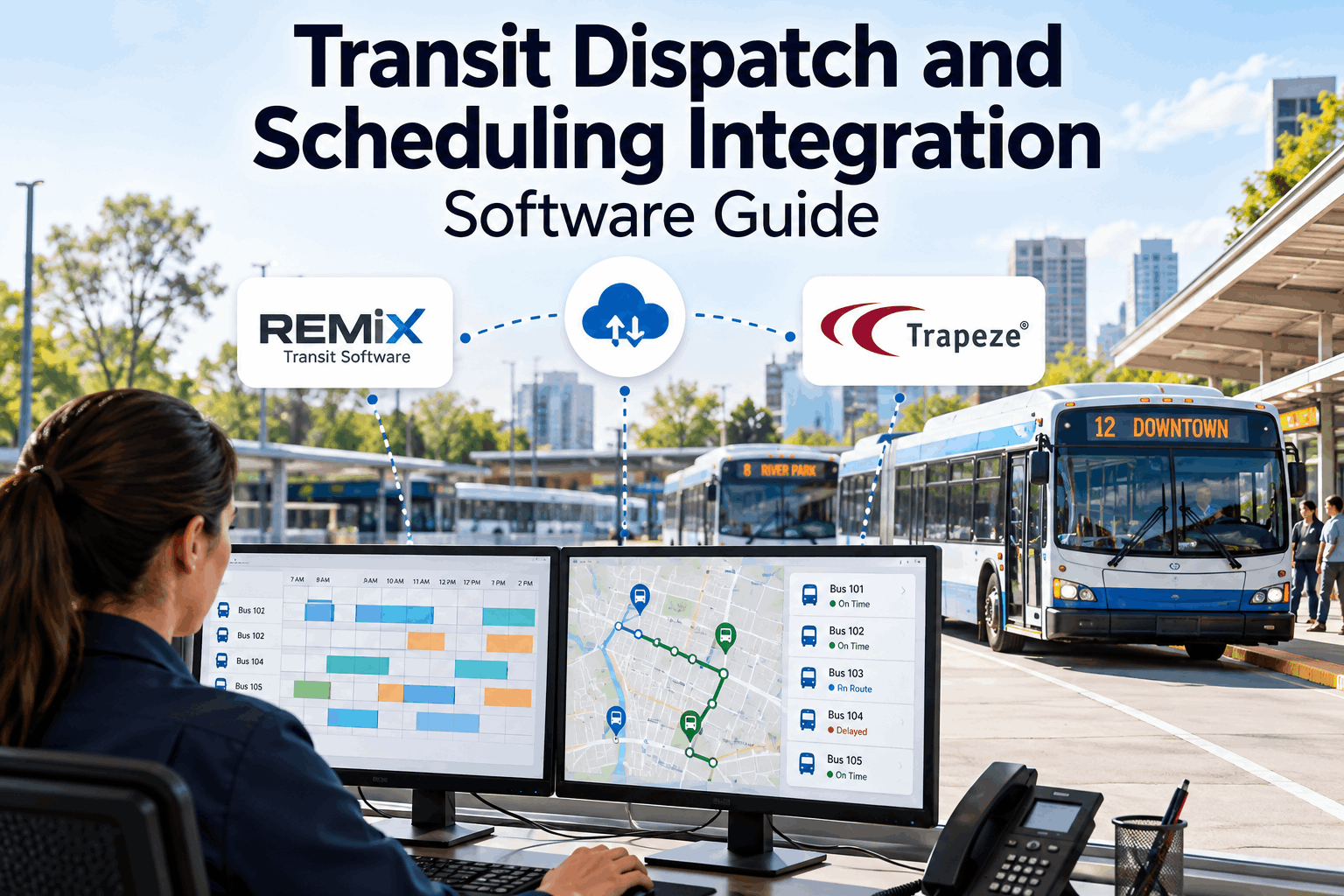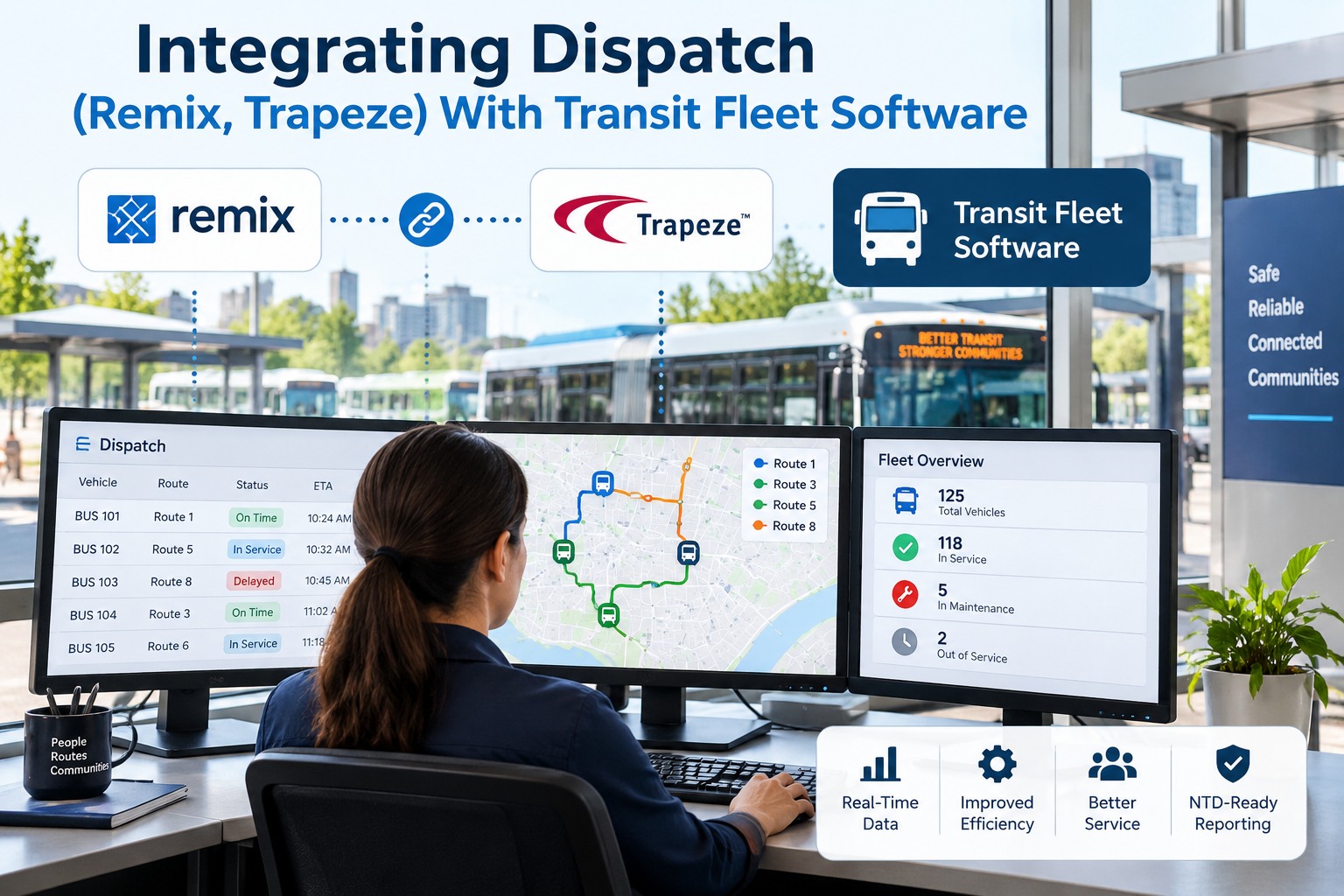
Public transportation systems cannot afford disconnects between live route dispatchers and maintenance bays. When Computer-Aided Dispatch and Automated Vehicle Location (CAD/AVL) systems like Remix, Trapeze, or Optibus remain isolated from your fleet maintenance platform, vital operational telemetry falls through the cracks: odometers lag, safety defects miss the shop floor, and National Transit Database (NTD) mileage reconciliations turn into bureaucratic nightmares. FleetRabbit delivers a bi-directional integration layer connecting route dispatch directly with digital maintenance operations and work order boards. See how our real-time transit dispatch bridges eliminate communication silos—book a technical demonstration or sign up to start your technical trial today.
Transit Dispatch Software Integration: 2026 Setup Guide
The transit systems architect’s framework for connecting CAD/AVL scheduling, bidirectional vehicle fault holds, live GTFS-RT telemetry streams, and cloud maintenance CMMS systems without data latency.
Core Functional Pillars of Dispatch-to-Maintenance Convergence
A resilient integration bridges scheduling, live tracking, and shop repair tracking so maintenance planners and dispatch controllers operate from a unified source of truth.
Automated Revenue & Deadhead Meter Sync
Ingest real-time odometer readings and engine runtime hours from CAD/AVL streams directly into FleetRabbit. Service intervals update automatically, eliminating end-of-month manual clerical catch-up.
Automated Pull-Out Safety Interlocks
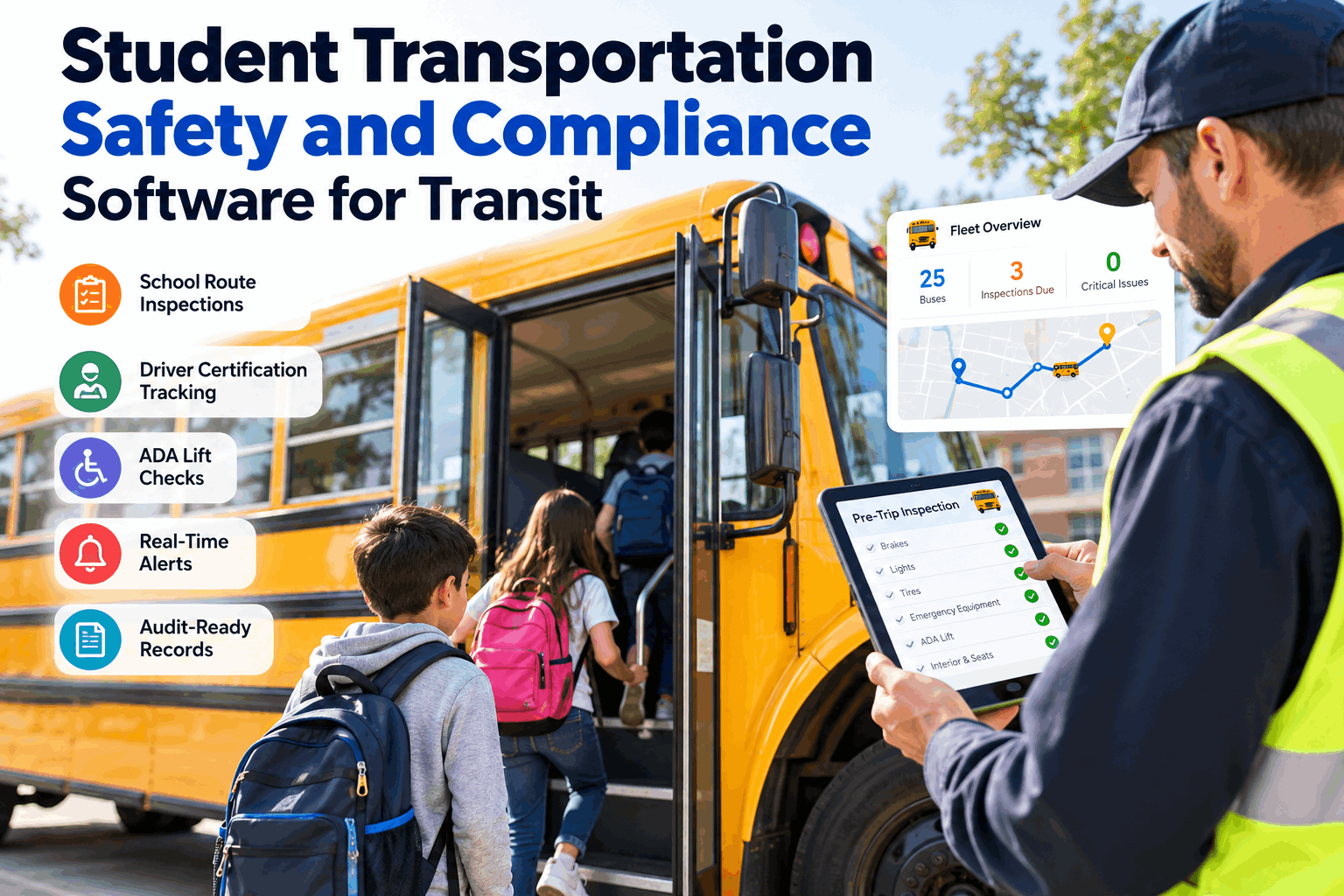
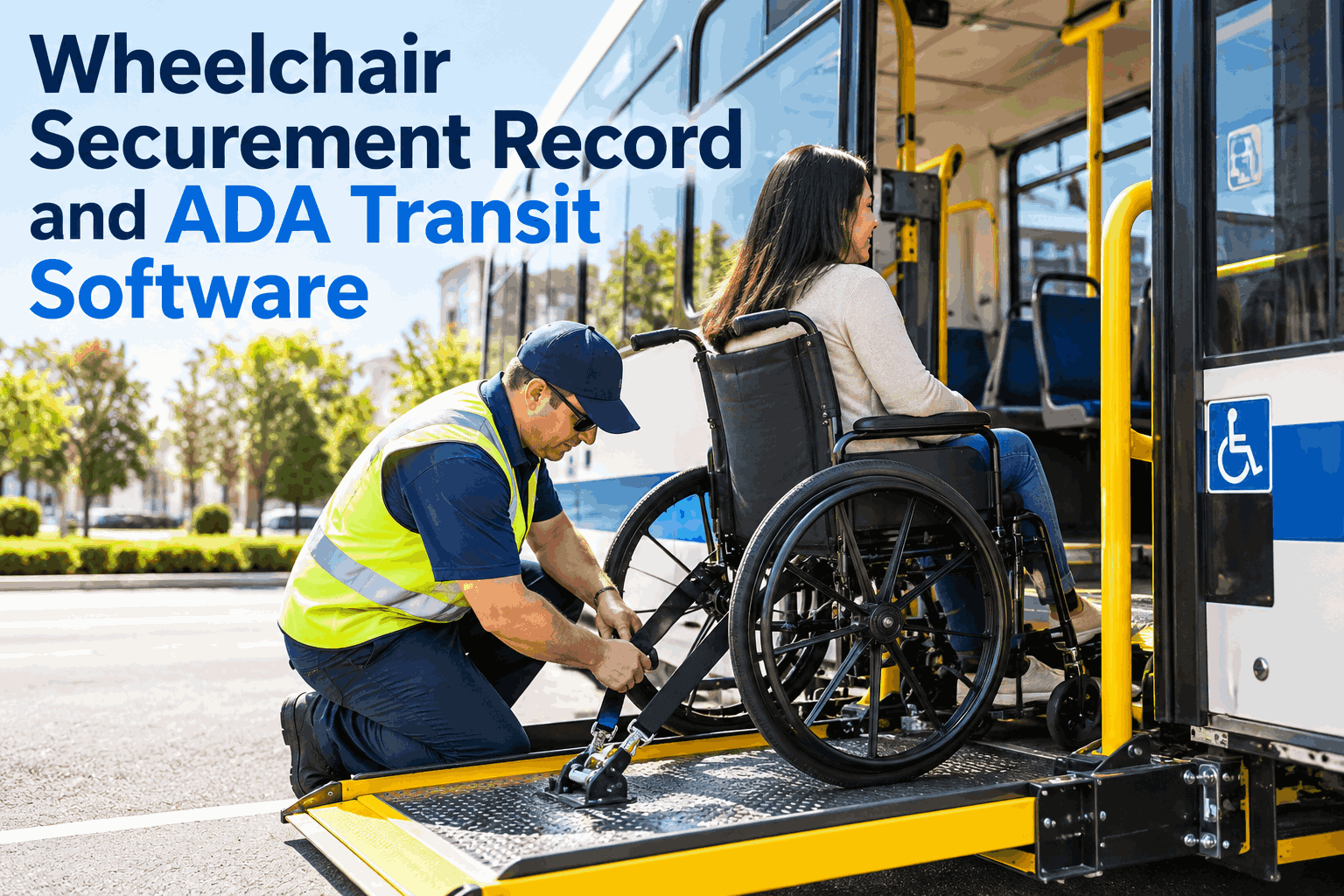
When an operator notes a critical defect on their digital inspection—such as an inoperable wheelchair lift or braking alert—FleetRabbit locks the bus in Trapeze or Remix dispatch queues until a certified mechanic signs off.
One-Click NTD A-90 & SGR Data Pipeline
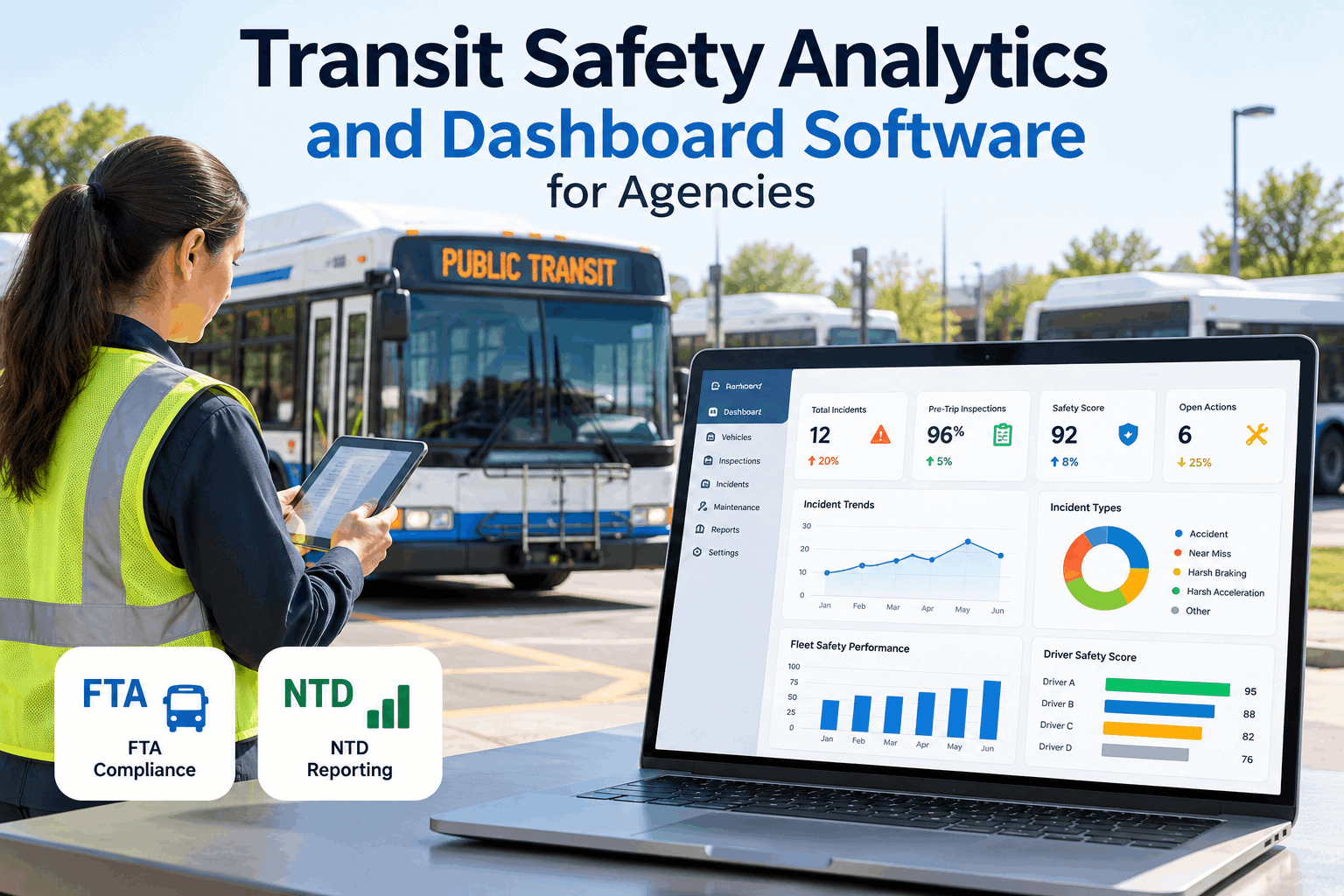
Consolidate unlinked passenger trips, revenue route miles, deadhead hours, and major mechanical breakdown road calls into standardized tables configured for FTA National Transit Database reporting.
Dynamic Spare Ratio & Yard Optimization
Synchronize live garage work orders with morning run boards to calculate accurate pull-out readiness scores, preventing unexpected coach shortages during peak municipal commuting hours.
Integration Architecture: From CAD/AVL Streams to Garage Work Orders
Modern transit architectures decouple real-time dispatch telematics from core enterprise databases using asynchronous event queues and secure REST APIs.
Remix, Trapeze, Optibus & GTFS-RT
Generates high-frequency location pings, operator run sign-ins, scheduled headway logs, and trip revenue mileage states.
Ingestion Broker, VIN Normalizer & Buffer
Filters duplicate GPS points, matches internal bus radio IDs with VIN chassis master records, and caches transactions during field cellular drops.
Preventive PM Engines, Mobile Work Cards & NTD DB
Calculates dynamic PM service countdowns, generates line-item mechanics tasks, and compiles historical NTD compliance ledgers.
Need an Architectural Assessment for Your Agency's Dispatch Stack?
Review technical API specifications, data mapping templates, and security boundary designs tailored to your transit agency’s IT infrastructure.
Operational Comparison: Siloed Systems vs. FleetRabbit Unified Ecosystem
Evaluating standard manual dispatch workflows against integrated API synchronization demonstrates significant savings in labor and risk reduction.
| Operational Parameter | Siloed Dispatch & Separate CMMS | FleetRabbit Integrated Ecosystem | Agency Impact |
|---|---|---|---|
| Odometer Capture | Manual end-of-shift clipboard logs or Excel exports | Continuous real-time synchronization via API | Recovers 12+ administrative hours weekly per garage |
| Safety Defect Enforcement | Verbal alerts or magnetic whiteboard notices | Automated run-block hold in dispatch roster | Eliminates dangerous run pull-outs of defective buses |
| NTD Road Call Logs | Manual cross-referencing between CAD radio logs and work orders | Single-click audit exports mapped directly to NTD criteria | Protects federal formula grant funding eligibility |
| Component Swap History | Fixed VIN records fail to track rotating sub-assemblies | Modular serial tracking for gearboxes, fareboxes, and lifts | Ensures manufacturer warranty recovery on replaced parts |
Common Dispatch Integration Hurdles and Solutions
Resolving operational and data bottlenecks early protects passenger safety, project schedules, and agency procurement budgets.
CAD/AVL systems frequently track transit coaches by route block or operational call numbers, while maintenance shops track physical chassis VINs.
Our intelligent cross-referencing schema dynamically links radio tags, internal agency numbers, and VIN records to synchronize data without altering dispatch rosters.
Hundreds of revenue vehicles hitting cloud CAD/AVL servers during peak 5:00 AM pull-outs create latency spikes and delayed gate clearances.
FleetRabbit deploys asynchronous ingestion queues and store-and-forward local caching, processing telemetry bursts with zero disruption to gate-side mobile inspections.
Failing to isolate transit depot deadhead travel from scheduled route service causes inaccurate wear metrics and audit red flags on FTA compliance filings.
Our platform ingests route status flags alongside GPS miles, automatically parsing passenger service miles from garage deadhead transit for verified reporting.
Dispatchers operating under high-stress headway schedules resist toggling back and forth between secondary software interfaces.
Defect locks and vehicle availability badges sync directly back into your primary Trapeze or Remix screens, keeping dispatch workflows entirely frictionless.
Frequently Asked Questions
Synchronize Your Agency’s Dispatch and Maintenance Ecosystem
Eliminate manual clerical tracking, prevent defective coach pull-outs, and ensure audit-ready NTD compliance by connecting your transit software stack with FleetRabbit.