Municipal transit agencies, regional public transit authorities, and metropolitan bus operators rely on diesel-electric hybrid transit buses (such as Gillig Low Floor Hybrid, New Flyer Xcelsior Hybrid, and Nova Bus LFS HEV) to reduce urban emissions while maintaining demanding fixed-route headways. However, managing hybrid bus maintenance involves far more than servicing conventional internal combustion engines. Hybrid transit buses utilize complex dual powertrains that combine high-voltage (600V+) energy storage systems (ESS), traction motor generators, DC-to-DC converters, dynamic rooftop cooling loops, and high-wear regenerative braking blending systems alongside clean diesel engines. When transit authorities track maintenance using disconnected spreadsheets, legacy municipal garage software, or reactive roadside trouble calls, critical hybrid systems fail unexpectedly. High-voltage battery pack degradation, inverter coolant degradation, and brake blending imbalances lead to roadside deadhead breakdowns, compromised Federal Transit Administration (FTA) State of Good Repair (SGR) ratings, and costly National Transit Database (NTD) mechanical failure reporting penalties. Implementing dedicated hybrid transit bus maintenance software unifies real-time SAE J1939 CAN-bus diagnostic telemetry, meter-based preventive maintenance (PM) scheduling, battery state-of-health tracking, and automated FTA and NTD compliance ledgers. By detecting hybrid powertrain drift before passenger stranding occurs, maintenance directors maintain high rolling-stock availability and lower per-revenue-mile maintenance costs. To examine how hybrid bus predictive maintenance modernizes your garage operations, book a technical demonstration with our transit engineering specialists or configure your hybrid bus fleet profiles immediately through our free platform sign up.
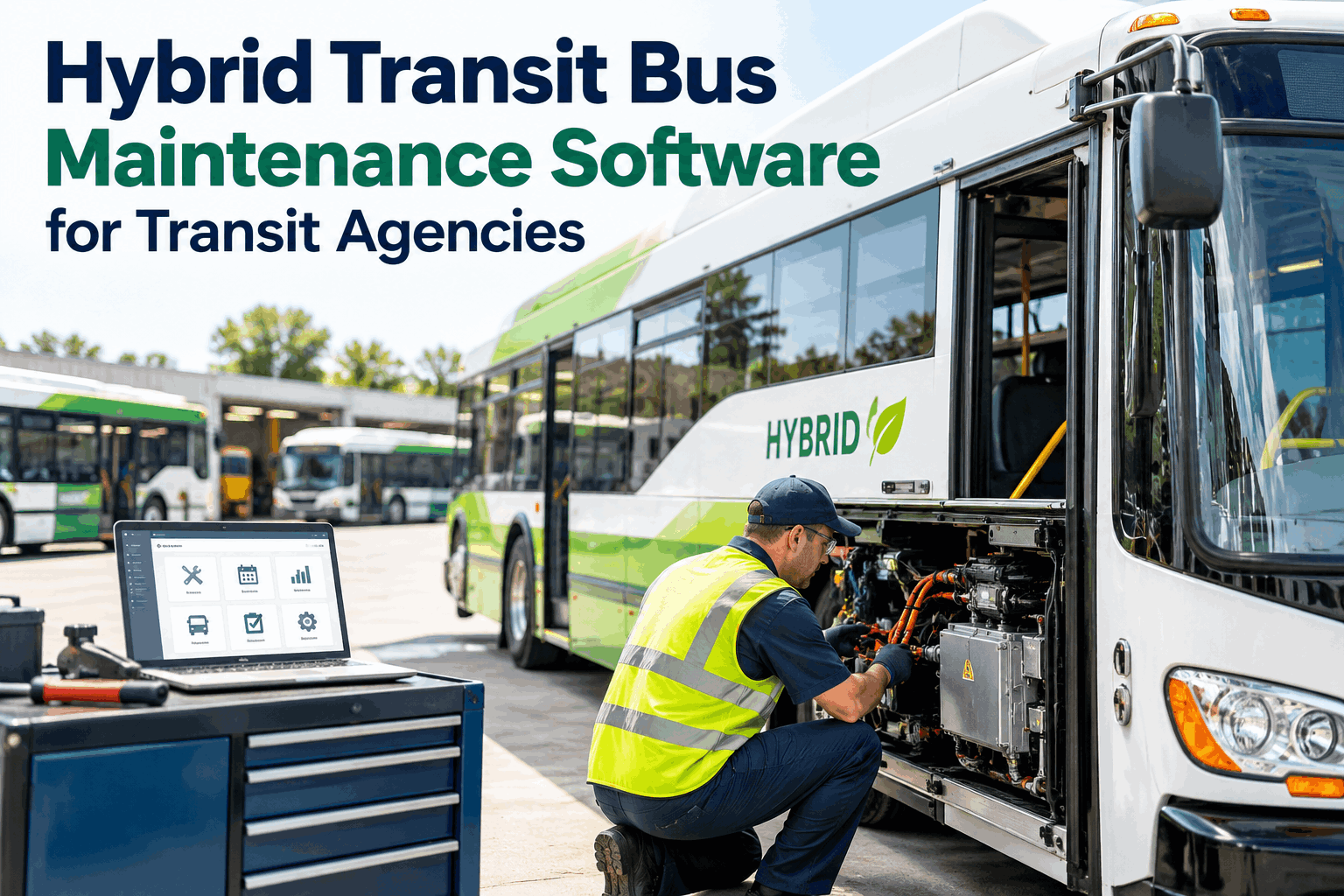
Hybrid Transit Bus Maintenance Software for Transit Agencies
An advanced engineering and maintenance management blueprint for transit directors, rolling stock superintendents, and certified master mechanics. Master dual-powertrain diagnostics, high-voltage battery life tracking, automated brake-wear inspections, and audit-ready NTD reporting.
Modernize Your Transit Agency's Hybrid Bus Maintenance Operations
Eliminate unexpected in-service deadheads, track high-voltage battery health, automate brake wear and cooling loop inspections, and streamline FTA and NTD compliance reporting starting from $3/vehicle/month with no hardware lock-in.
The Dual-Powertrain Challenge in Hybrid Municipal Bus Maintenance
Operating a municipal transit agency with a fleet of hybrid diesel-electric transit buses requires maintaining two completely distinct engineering systems on a single chassis. Traditional diesel transit bus maintenance focuses on turbochargers, exhaust gas recirculation (EGR) valves, diesel particulate filters (DPFs), and automatic transmissions. In a hybrid transit bus, however, the diesel engine functions primarily as an onboard auxiliary generator or in parallel with a high-torque electric traction motor. Maintenance shops must simultaneously service 600V to 800V DC energy storage system (ESS) lithium-ion or ultracapacitor packs, dual liquid cooling loops, traction power inverters, and sophisticated brake blending electronic control units (ECUs). When transit agencies rely on generic fleet management software, maintenance schedulers lack visibility into hybrid-specific wear factors. An undetected cooling leak in the rooftop inverter circuit can overheat power electronics during a summer afternoon rush hour, triggering an automatic powertrain derate that causes buses to crawl on busy expressways. Furthermore, failure to properly calibrate regenerative braking systems causes mechanical S-cam air brakes to absorb excess thermal shock, accelerating brake pad wear and inflating maintenance costs. Dedicated hybrid transit bus software bridges this gap by continuously polling high-voltage battery cell balance, motor generator temperature curves, and regenerative efficiency. Maintenance superintendents and operations planners can explore predictive hybrid powertrain monitoring by scheduling an interactive transit bus fleet software demonstration or configure custom agency preventative maintenance intervals directly through our quick platform sign up.
High-Voltage ESS Battery State-of-Health Tracking
Continuously tracks battery pack capacity retention, individual cell voltage balance, and internal thermal gradients across charge-discharge cycles. Predicts battery end-of-life curves to help agencies plan multi-thousand-dollar module overhauls before transit failures occur.
Inverter & Traction Motor Thermal Loop Triage
Monitors independent high-voltage cooling loops, electric water pumps, and rooftop heat exchanger fans. Automatically detects glycol flow degradation and thermal drift, alerting technicians to flush heat exchangers before inverters suffer heat stress.
Regenerative Braking Blending & Air Friction Wear
Correlates vehicle deceleration rates with electric motor energy recapture and pneumatic foundation brake stroke measurements. Alerts mechanics when regenerative blending drops below target thresholds, preserving brake pads and reducing brake dust.
Automated FTA Transit Asset Management (TAM) & NTD Audits
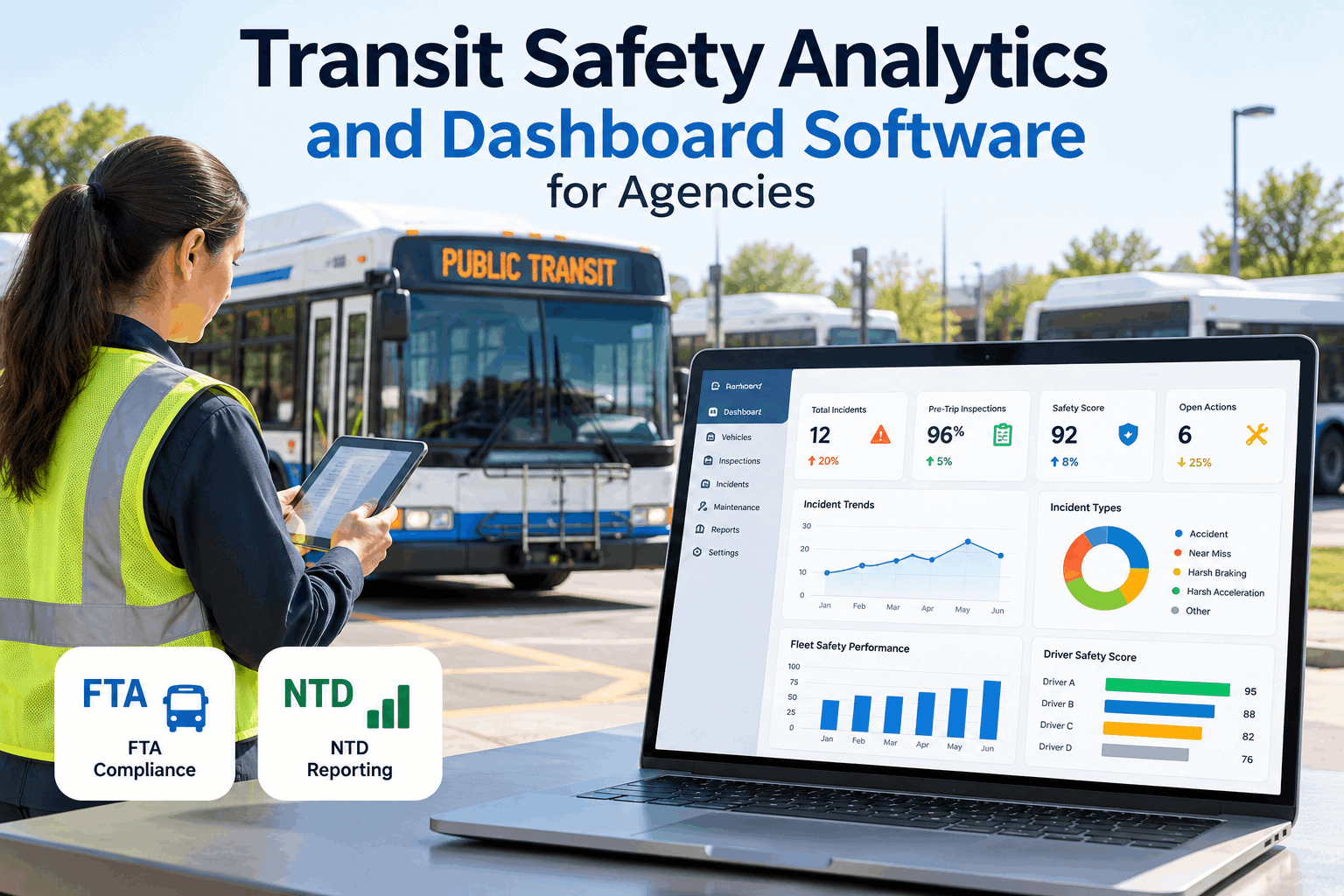
Automatically compiles mandatory annual National Transit Database (NTD) mechanical failure records (Major Mechanical Failures and Other Mechanical Failures), classifying breakdowns by subsystem to defend federal Section 5307 and Section 5339 formula capital funding.
Direct Technical Matrix: Legacy Garage Software vs. FleetRabbit Hybrid Transit Engine
Managing a fleet of hybrid buses using legacy municipal garage work order systems or paper mechanic inspection forms forces maintenance supervisors to rely on educated guesses. Traditional systems treat a hybrid bus like a standard diesel vehicle, ignoring high-voltage battery cell resistance, traction inverter telemetry, and DC-DC converter status until a bus is stranded mid-route. Review how generic maintenance software compares directly against FleetRabbit's specialized hybrid transit bus maintenance platform across primary public transit operational criteria. Transit authority executives and maintenance directors can evaluate custom PM workflows by scheduling an executive transit software evaluation demo or explore our pre-configured hybrid diagnostic tools via our self-service sign up.
| Transit Maintenance Dimension | Legacy Municipal Garage Software & Paper Sheets | FleetRabbit Hybrid Transit Bus Platform | Transit Agency & Taxpayer Advantage |
|---|---|---|---|
| High-Voltage Battery Degradation Tracking | Unmonitored; batteries run until unexpected roadside failure | Continuous cell-level capacity retention & internal resistance | Enables multi-year planned battery pack rebuild budgeting |
| Hybrid Powertrain Fault Interception | Drivers report fault only when dashboard stop light flashes | Real-time SAE J1939 CAN-bus diagnostic code extraction | Stops minor inverter heat anomalies from becoming road failures |
| Brake Blending Wear Calibration | Manual periodic inspection of mechanical friction lining | Automated calculation of electric regenerative energy vs. air wear | Reduces transit foundation brake maintenance expenses by 60% |
| National Transit Database (NTD) Reporting | Weeks of manual clerical work reconciling roadside logs | 1-click automated Major Mechanical Failure (MMF) exports | Guarantees compliance with FTA formula grant requirements |
| Mechanic High-Voltage Qualification Gating | Paper safety checklists; unverified technician sign-offs | Work orders require verified high-voltage safety credentials | Protects shop personnel and ensures OSHA electrical compliance |
4-Stage Complete Hybrid Transit Maintenance Sequence
FleetRabbit standardizes public transit rolling stock maintenance into an automated, four-stage workflow that connects pre-trip mobile inspections, real-time highway telematics, certified garage work orders, and federal compliance reporting. To explore how this automated cycle keeps your buses in revenue service, book an operational transit maintenance walkthrough demo with our team.
Driver Pull-Out eDVIR & ESS Pre-Check
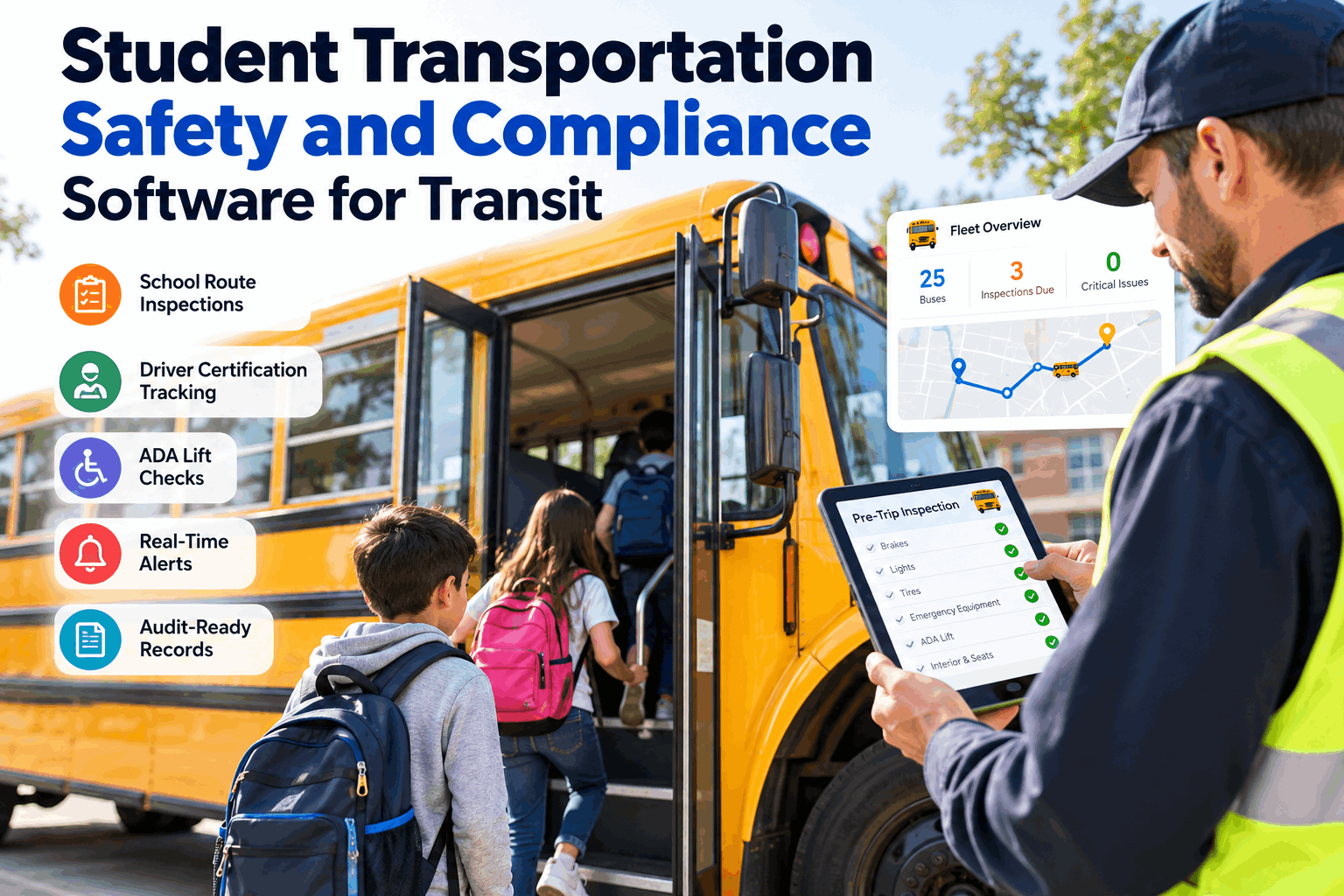
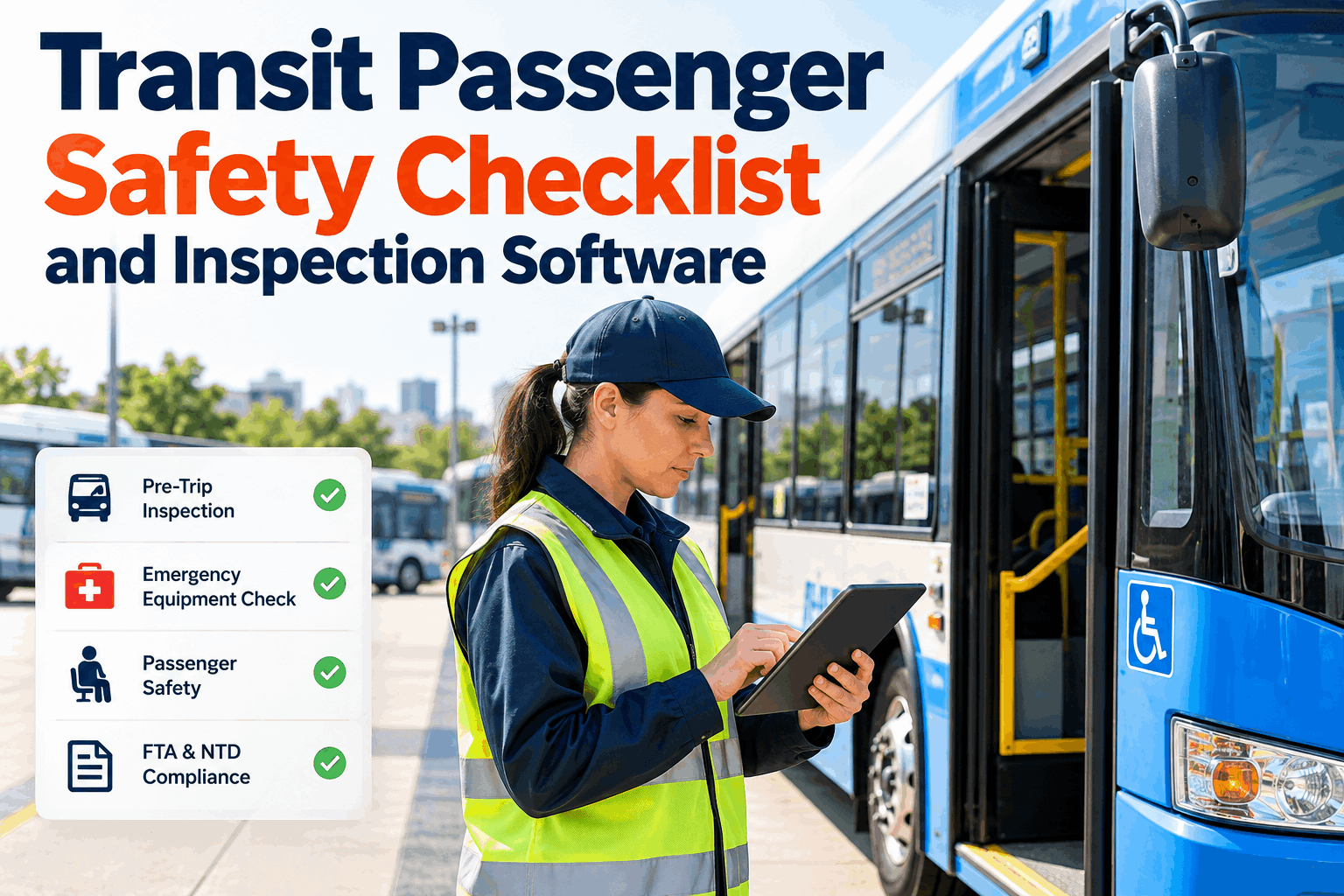
Transit operators execute digital walkarounds on mobile tablets, verifying tire pressures, wheelchair lift hydraulics, air brake reservoir build times, and dashboard high-voltage insulation status before leaving the garage.
Real-Time CAN-Bus Corridor Telematics
While operating on fixed routes, onboard telematics poll engine RPM, high-voltage battery state-of-charge, inverter temperature, and regenerative braking ratios every 30 seconds, streaming data directly to central dispatch.
Automated Diagnostic Fault Triage
If an operational anomaly occurs (such as an inverter coolant temperature spike or high battery internal resistance), the system alerts dispatch, notifies the garage, and stages replacement parts before the bus completes its loop.
Certified Garage Sign-Off & NTD Audit Sync
Certified transit technicians complete repairs, log labor hours, scan replacement components, and sign off electronically. Completed work orders automatically update the agency's annual NTD mechanical failure report and FTA SGR files.
Financial Capital Stewardship: Eliminating Hybrid Fleet Budget Drains
Operating a fleet of hybrid transit buses without specialized maintenance software creates compounding financial losses across roadside towing bills, premature high-voltage battery pack replacements, unbudgeted mechanic overtime, and compliance penalties. When a hybrid bus suffers a roadside failure along a busy transit corridor, the agency incurs heavy towing costs, deploys replacement buses, disrupts passenger schedules, and logs an NTD mechanical failure that can affect federal funding formulas. Identifying these common operational drains helps transit executives build an airtight business case for automated hybrid bus maintenance software before municipal transit boards and regional transportation commissions. Calculate your agency's exact cost recovery by booking an operational transit assessment demo or get started directly via our rapid platform sign up.
Top Causes of Transit Agency Budget Waste in Hybrid Bus Fleets
Hybrid Transit Engineering Strengths
Standardizes fault codes and telemetry from Allison H 40/50 EP, BAE Systems HybriDrive, and Cummins hybrid power systems into unified data models.
Schedules preventive maintenance based on engine runtime, traction motor hours, and brake cycles rather than simple calendar schedules.
Integrates directly with standard vehicle telematics gateways, onboard routers, and municipal ERP accounting software without expensive black-box commitments.
ROI & Capital Replacement Framework for Transit Authorities
When transit agency leadership evaluates maintenance management software, board members and city planners must measure financial return across vehicle uptime, component longevity, regulatory compliance, and operating cost per passenger-mile. FleetRabbit delivers quantifiable financial return across all primary public transit maintenance categories. To review your agency's customized rolling-stock savings forecast, schedule an executive briefing demo with our transit team or start modernizing your transit garage operations today with a free account.
High-Voltage Battery Optimization
Continuous thermal and cell-balance tracking extends battery pack operating life by up to 3.5 years, delaying expensive $40,000+ battery rebuild cycles.
Friction Brake Savings
Calibrating regenerative braking blending ensures electric motors handle initial deceleration, extending mechanical brake pad and drum service intervals by over 60%.
FTA Formula Grant Protection
Automated, accurate National Transit Database reporting ensures mechanical breakdown metrics reflect true performance, defending crucial federal formula capital grants.
Frequently Asked Questions: Hybrid Transit Bus Maintenance Software
How does hybrid transit bus maintenance differ from conventional diesel bus maintenance?
While conventional diesel buses focus on engine oil, transmissions, and mechanical brakes, hybrid transit buses feature dual powertrains: a smaller diesel engine paired with high-voltage (600V+) lithium-ion or ultracapacitor battery packs, electric traction motors, power inverters, DC-to-DC converters, and regenerative braking blending systems. Maintenance software must track electrical and thermal parameters across both systems to prevent in-service failures.
How does the software track high-voltage battery health (State of Health) in real time?
FleetRabbit connects directly to the hybrid system’s electronic control unit (ECU) via SAE J1939 CAN-bus ports. The software continuously reads pack voltage, individual cell balance, internal resistance, charge-discharge cycle counts, and battery pack temperatures. By comparing these values against baseline degradation curves, the platform flags capacity decay and alerts technicians to rebalance or replace modules before a road failure occurs.
How does the software assist transit agencies with National Transit Database (NTD) reporting?
Under Federal Transit Administration (FTA) rules, transit agencies must report all Major Mechanical Failures (MMFs) and Other Mechanical Failures (OMFs) that occur during revenue service. FleetRabbit automatically tags roadside events with time, location, bus number, and diagnostic fault codes, generating pre-formatted NTD annual reports that eliminate weeks of manual administrative reconciliation.
Can FleetRabbit integrate with our existing transit CAD/AVL and enterprise ERP software?
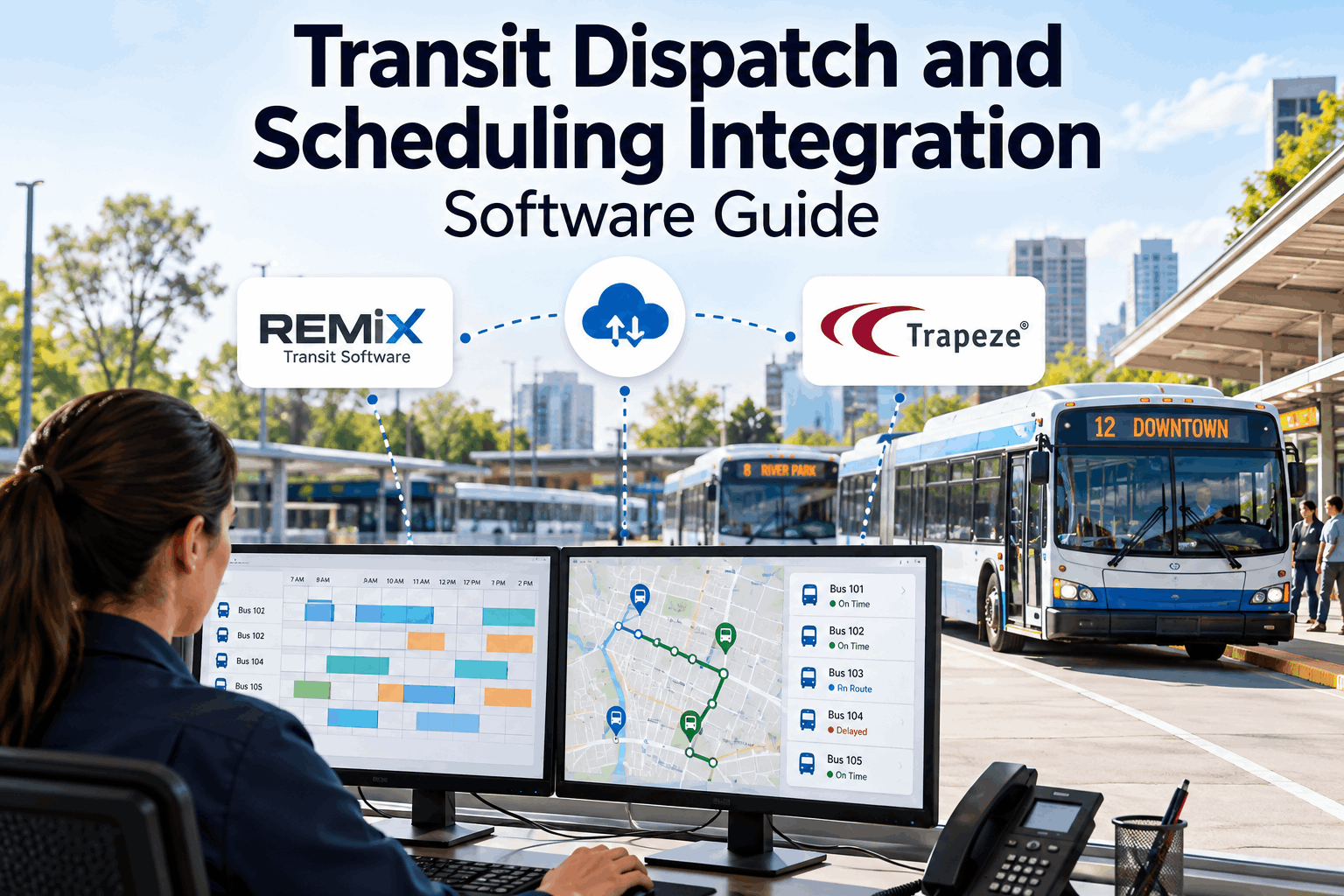
Yes. FleetRabbit features pre-built REST APIs and automated webhooks that connect seamlessly with municipal and transit enterprise platforms—including Computer-Aided Dispatch/Automated Vehicle Location (CAD/AVL) software, Trapeze, Clever Devices, Tyler Technologies, SAP, and Workday—ensuring maintenance statuses and parts inventory sync in real time.
Upgrade Your Agency's Hybrid Transit Bus Fleet Operations Today
Eliminate unexpected in-service deadheads, protect high-voltage battery systems, automate preventive maintenance scheduling, and ensure complete FTA compliance. Deploy FleetRabbit today with zero proprietary hardware lock-in.