A 2-hour brake service booked at 7:40 AM doesn't just take a bus off the road — it takes a bus off the road during the exact window when losing it costs the most riders. Impact-aware PM scheduling software fixes the part of maintenance planning that mileage and calendar triggers alone can't: knowing which vehicle, on which route, at which hour, is safe to pull. Sign up free to run your own service windows through FleetRabbit, or book a demo to see impact-aware scheduling against your real route map.
Impact-Aware PM Scheduling: Book Maintenance Around Your Service Windows, Not On Top of Them
Mileage and calendar tell you a bus is due. Impact-aware PM scheduling software tells you whether now is actually a safe time to take it — weighing route criticality, spare availability, and peak ridership before the work order ever gets booked.
What Makes a PM Schedule "Impact-Aware"
A fixed calendar or a raw mileage counter treats every vehicle the same. Impact-aware PM scheduling software treats every work order differently, because it's weighing three things a spreadsheet can't see at once.
Route Criticality
A bus on a high-frequency peak route costs more to pull than one on a low-ridership midday loop — the schedule should know the difference before booking the work order.
Spare Ratio & Availability
PM only slots in safely if a spare can actually cover the run. Agencies typically hold 10–15% of the active fleet in reserve for exactly this purpose.
Parts & Shop Capacity
A PM booked without the brake kit or a free bay on hand just becomes a bus sitting idle — impact-aware scheduling checks readiness before it commits a slot.
What Impact-Blind Scheduling Actually Costs
Deferred and mistimed maintenance is already a documented national problem: the FTA has reported a transit maintenance backlog north of $105 billion, and fleets without disciplined, well-timed PM programs run 30–50% more road calls than peers who plan around service windows.
How FleetRabbit Scores a Work Order Before It Books It
Every PM due date FleetRabbit generates carries an impact score before it ever hits the shop calendar — a simple read on whether now is a low-impact moment to pull that specific vehicle.
Let FleetRabbit find the safe window for you
Impact-aware PM scheduling checks route criticality, spare coverage, and shop readiness before a work order ever lands on a peak-hour slot — set up on your fleet in under two weeks.
Three Ways to Schedule PM — Only One Reads the Room
Every vehicle serviced on the same rotating date regardless of route load or spare status.
Work order fires when a vehicle hits its due threshold, independent of what else is happening that day.
Due-date triggers combined with route criticality, spare coverage, and shop readiness before booking.
Common Questions
Does impact-aware scheduling delay maintenance that's actually overdue?
No — safety-critical PM is never deferred. Impact-aware scheduling optimizes the window within the due date, not whether the service happens; it looks for the nearest low-impact slot, not a later one.
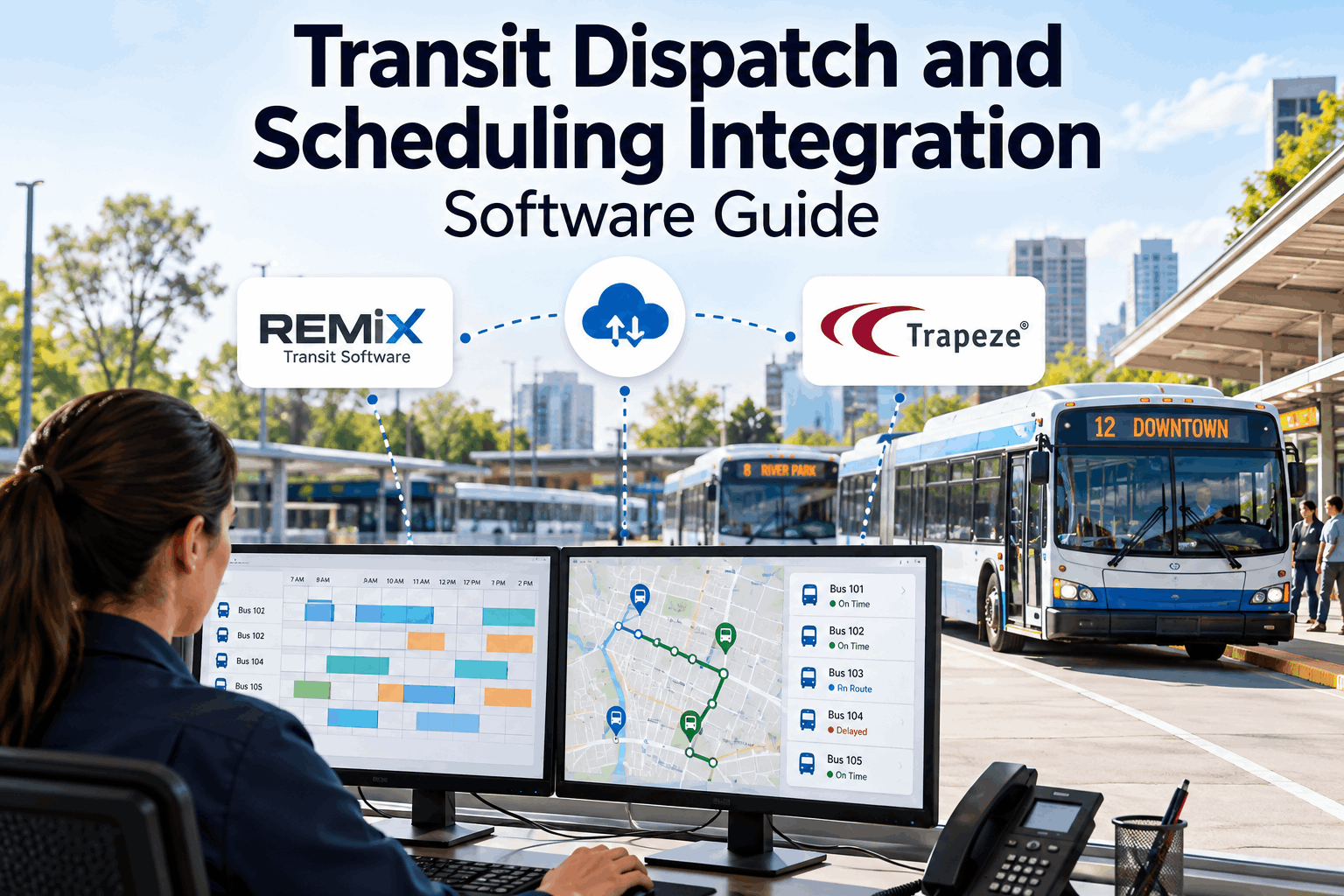
How does this connect to our dispatch and route schedule?
FleetRabbit reads route assignments and ridership patterns alongside PM due dates, so the scheduling engine knows which hours are low-impact for each specific vehicle rather than applying one blanket off-peak window fleet-wide.
What if no spare is available for a needed PM?
The work order is held and flagged rather than booked blind, so a dispatcher or maintenance manager can make the call instead of a bus disappearing from a route with no coverage.
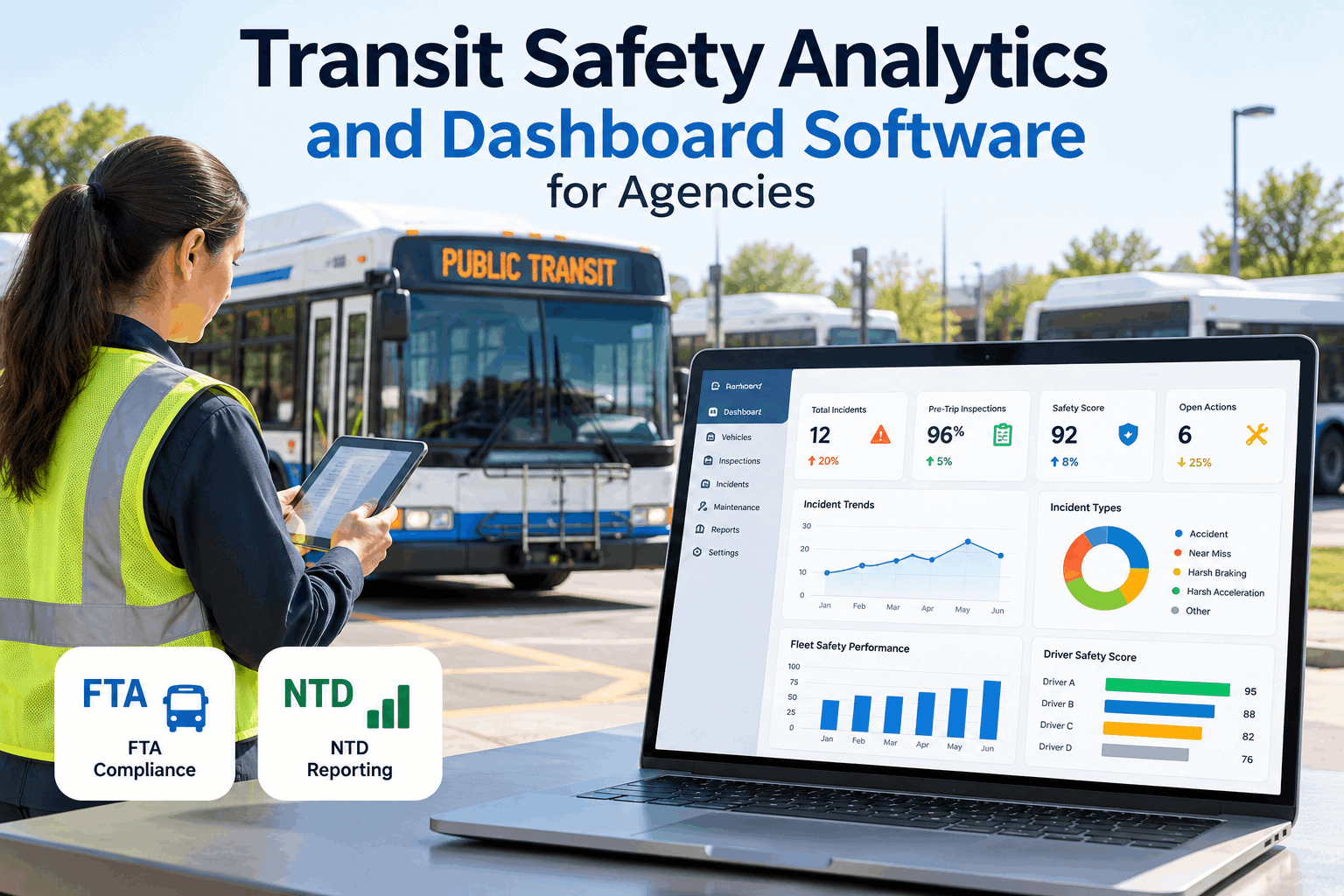
Can this data feed our NTD and FTA compliance reporting?
Yes. Every scheduled and completed PM stays tied to the vehicle record, so state-of-good-repair documentation and Triennial Review packages pull from the same data impact-aware scheduling already tracks.
Stop losing peak-hour buses to poorly timed maintenance
FleetRabbit schedules PM around your actual service windows — not just a due date — so the buses your riders count on stay on the road when it matters most.