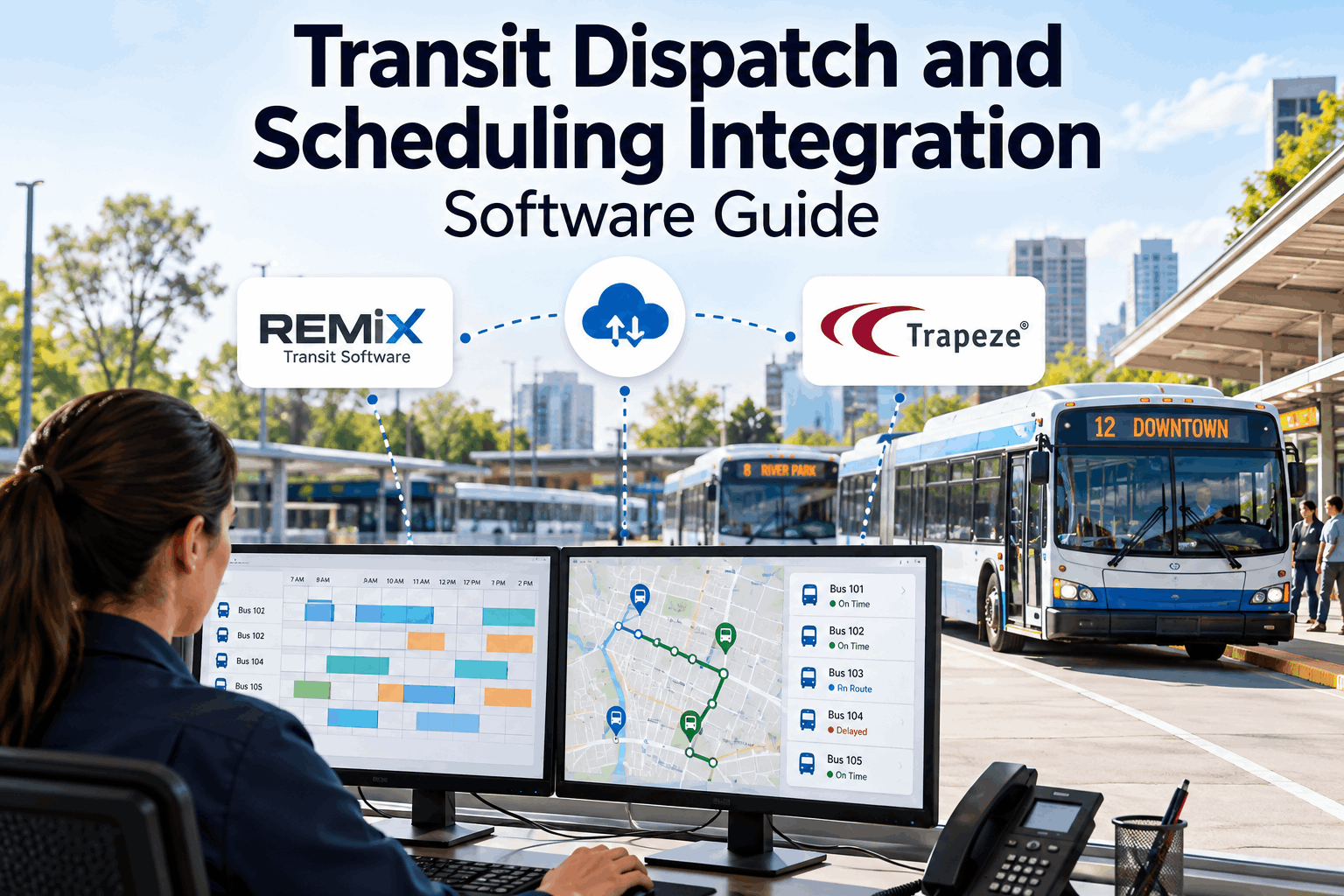
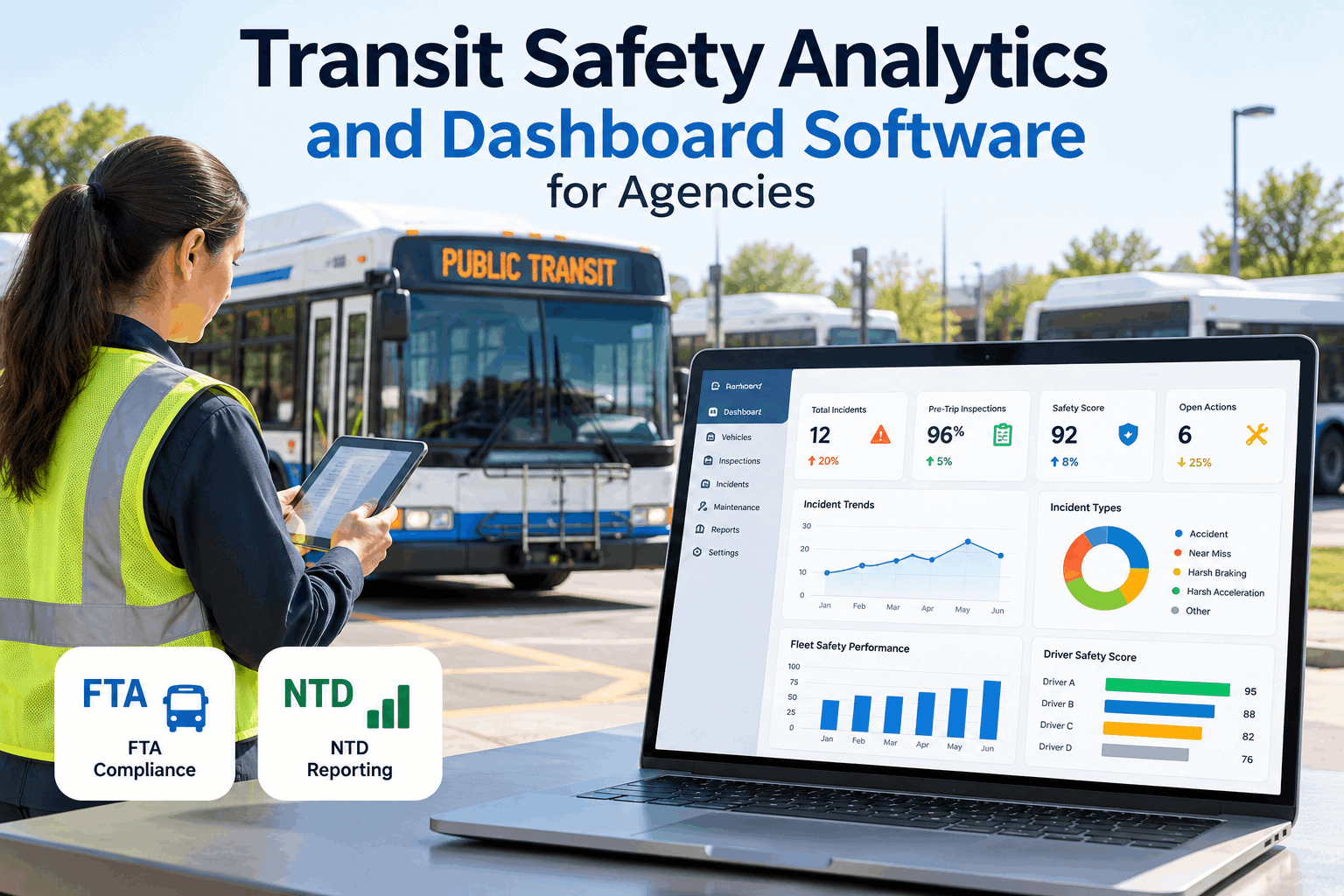
Regional transit authorities, countywide commuter operators, intercity coach networks, and multi-facility metropolitan bus systems contend with complex synchronization hurdles across distributed operating bases. Balancing revenue rolling stock between downtown terminal garages, suburban satellite yards, and regional overhaul shops demands dynamic visibility into vehicle availability, deadhead repositioning costs, and Federal Transit Administration compliance milestones. When regional transit networks run across isolated shop spreadsheets, local whiteboard yard maps, or independent dispatch logs, agencies encounter asymmetric spare ratios, unauthorized inter-yard part cannibalization, morning pull-out shortfalls, and chaotic federal grant reporting. Implementing enterprise multi-depot transit fleet coordination software centralizes regional asset allocation, automates cross-facility work orders, and synchronizes fleet availability directly with central dispatch control. To see how our platform stabilizes multi-facility networks, book a live demo with our transit coordination specialists or configure your regional maintenance facilities immediately via our free account sign up.
Multi-Depot Transit Fleet Coordination Software for Agencies
Synchronize regional garage operations, balance active vehicle spare ratios, track cross-facility parts transfers, and ensure 100% on-time AM pull-outs across every regional operating base.
Harmonize Yard Dispatch and Maintenance Across Your Regional Footprint
Balance operating spare ratios, eliminate cross-depot parts delays, and compile audit-proof NTD reliability tables starting at $3/vehicle/month with no hardware lock-in.
The Multi-Garage Operating Barrier: Depot Siloing, Imbalanced Spares, and Deadhead Waste
Regional transit systems operating out of multiple divisions regularly battle operational siloing. When satellite facilities manage vehicle availability independently, one garage suffers peak-hour vehicle cancellations while an adjacent facility parks surplus low-floor coaches. Technicians frequently order duplicate emergency components from suppliers unaware that identical assemblies sit idle in another depot's parts room. When coaches require warranty recalls or specialized high-voltage BEB diagnostics, uncoordinated transfer orders generate expensive deadhead runs without tracking mechanic availability. Regional transit leadership can overcome facility fragmentation by booking a multi-depot workflow demo or activate multi-facility asset directories directly through our quick platform sign up.
Cross-Depot Vehicle Reallocation
Dynamically level vehicle spare ratios across facilities. When unexpected mechanical hold tags threaten pull-outs at one division, dispatchers can orchestrate scheduled bus transfers to prevent cancelled revenue runs.
Inter-Facility Parts Visibility
Search replacement components, rebuilt transmissions, brake assemblies, and HVAC units across every regional depot warehouse. Request digital inter-facility transfers to prevent duplicate supplier rush fees.
Centralized Overhaul Management
Route major mid-life rebuilds, structural rust remediation, and high-voltage battery service to centralized overhaul shops while keeping satellite divisions focused on rapid turnaround cycle inspections.
Unified NTD Breakdown Audits
Standardize major and minor mechanical road call reporting across every regional division. Eliminate subjective yard-level classifications to ensure clean, audit-ready data for Federal Transit Administration submittals.
Operational Benchmark: Fragmented Garages vs. FleetRabbit Multi-Depot Platform
Managing multi-facility passenger networks using siloed garage databases and verbal status updates creates systemic fleet failure vectors. Compare disjointed depot operations with an integrated multi-facility cloud architecture. Transit executives can examine cross-garage maintenance workflows by setting up an in-depth regional platform demo or explore our multi-facility administrative tools with our self-service portal sign up.
| Fleet Coordination Area | Isolated Garage Logs & Spreadsheets | FleetRabbit Multi-Depot Transit Engine | Regional Authority Outcome |
|---|---|---|---|
| Regional Fleet Availability | Delayed morning phone checks between dispatchers | Single-pane live dashboard across every yard bay | Eliminates missed morning pull-outs |
| Parts Room Redistribution | Local parts hoarding and duplicate purchasing | Federated inventory searches with digital transfer manifests | Eliminates emergency rush freight costs |
| Deadhead Repositioning | Unmonitored transit miles without maintenance ties | Deadhead tracking linked to route transfers and work tickets | Minimizes non-revenue operational costs |
| Technician Resource Balancing | Overloaded central bays alongside idle satellite staff | Cross-depot work ticket routing based on technician bay capacity | Maximizes skilled labor utilization |
| Asset Lifecycle & TAM Plans | Fragmented records across incompatible databases | Unified asset history compliant with FTA TAM standards | Secures federal capital grant eligibility |
The 4-Stage Multi-Depot Resource Routing Architecture
FleetRabbit coordinates passenger transit assets from individual depot intake bays through inter-facility transfer lanes to ensure consistent revenue readiness across all service zones.
Depot Ingestion & Triage
Returning revenue coaches undergo digital post-trip defect evaluation at local yards, routing routine PMs to division stalls and flagging major failures.
Regional Capacity Routing
When local stalls exceed capacity, vehicles route to regional centers with open technician bays, generating digital transport manifests.
Federated Parts Check-Out
Bays draw components from the nearest depot inventory stockroom. The platform logs internal transfer accounting entries automatically.
Central Yard Release
Completed repairs update central dispatch records instantly, confirming regional pull-out clearance across all operating divisions.
Operating Friction Vectors: Where Multi-Yard Transit Networks Lose Efficiency
Uncoordinated transit authorities leak substantial funding each fiscal cycle through unmonitored deadhead moves, localized component stockpiling, and unbalanced technician workloads. Identifying these operational problem areas provides clear justification for administrative software modernization. Evaluate your agency's regional coordination potential by booking an authority fleet evaluation demo or access the multi-facility environment immediately via our free account sign up.
Leading Contributors to Multi-Depot Resource Waste
Multi-Depot System Controls
Grant division managers dedicated oversight of local garages while empowering central operations directors with fleetwide operational control.
Balance Battery Electric Bus (BEB) charging assignments across facilities to manage peak utility demand tariffs and guarantee state-of-charge pull-out.
Centralize OEM warranty claim filing across facilities, recovering manufacturer credits for recurring component failures across your fleet.
Deployment Plans for Multi-Depot Regional Transit Operations
FleetRabbit provides multi-facility configuration plans structured to match small suburban operators up to major multi-county transit networks. Compare operational tiers below, register your regional maintenance leads through our quick platform sign up, or request a complete multi-depot operational analysis by booking an interactive authority demo.
Division Dual
Cross-yard work order tracking, shared parts inventory visibility, basic PM scheduling, and consolidated monthly maintenance summaries.
Regional Transit Pro
Live regional pull-out boards, inter-facility parts transfers, automated NTD breakdown classification, and deadhead route tracking.
Enterprise Regional
Multi-agency federated tenant sync, CAD/AVL API integration, municipal ERP accounting connections, and dedicated public transit engineers.
Frequently Asked Questions on Multi-Depot Fleet Coordination
How does the software handle inter-depot parts transfers and inventory valuation?
When a division requests a component from an overhaul depot, FleetRabbit generates an electronic transfer manifest. Upon barcode receiving at the destination garage, the part value and stocking quantity balance automatically across division balance sheets without manual ledger entry.
Can dispatchers at one garage assign vehicles belonging to an adjacent facility?
Yes. The platform provides unified dispatch views while maintaining asset ownership tags. Dispatchers can borrow a coach from an adjacent garage's surplus line during severe morning service crunches, logging inter-garage loan agreements automatically.
How does FleetRabbit standardize NTD reporting across separate division managers?
The platform replaces subjective maintenance log entries with guided breakdown forms. Road calls must be categorized using standardized FTA mechanical failure definitions before closing work orders, providing reliable regional NTD reports with zero audit adjustments.
Does the software support shared maintenance teams traveling between satellite yards?
Yes. Mobile technicians can log into any terminal or mobile tablet across the agency's footprint. The software recognizes their technician profile, displays work orders queued for that specific location, and attributes labor hours to the host division automatically.
Achieve Seamless Control Across Every Regional Transit Garage
Eliminate inter-facility bottlenecks, stabilize morning pull-outs, and ensure every public transit dollar is managed across your operating footprint. Launch today with no proprietary hardware lock-in.