Public transit properties, non-emergency medical transportation (NEMT) operators, and regional demand-response authorities operate under intense scrutiny where passenger dignity, safety, and strict statutory compliance converge. Delivering origin-to-destination specialized transit requires synchronizing on-demand ride booking, door-to-door driver manifest updates, electronic wheelchair lift cycle verification, and rigorous preventive maintenance intervals (PM-A/B/C) across specialized cutaway buses and accessible vans. When paratransit dispatchers and garage superintendents operate through disconnected scheduling spreadsheets, paper pre-trip inspection slips, and standalone maintenance logs, agencies face catastrophic roadside lift failures, missed on-time passenger pickup windows, Americans with Disabilities Act (ADA) compliance infractions, and painful National Transit Database (NTD) audit adjustments. Deploying modern paratransit demand-response fleet management software unifies wheelchair ramp duty cycles, live transit CAN-bus diagnostics, driver walkarounds, and federal compliance reporting inside one centralized operations console. To see how our platform elevates specialized passenger transit operations, book a live demonstration with our paratransit software team or launch your dispatch depot right away through our free platform sign up.
Fleet Management Software for Paratransit and Demand-Response Agencies
Unify wheelchair lift hydraulic cycle tracking, scheduled PM-A/B/C service tiers, dynamic on-demand ride dispatch, and 1-click NTD report compilation in a single, audit-ready operational console.
Protect Passenger Safety and Guarantee Federal ADA Compliance
Automate wheelchair accessibility inspections, streamline PM-A/B/C fleet maintenance, and compile NTD demand-response datasets starting from $3/vehicle/month with no proprietary hardware lock-in.
Core Operational Challenges Facing Paratransit and Demand-Response Fleets
Operating a demand-response public transit network involves variable route structures and intense physical equipment demands that fixed-route city buses never encounter. Cutaway chassis and converted accessibility vans constantly navigate uneven residential driveways, tight cul-de-sacs, and multi-point turns that strain suspension components, tie rods, and braking assemblies. Simultaneously, mechanical wheelchair lifts deploy up to dozens of times per shift, demanding rigorous hydraulic pressure verifications, interlock safety checks, and emergency backup pump audits to prevent passenger strandings. Agency directors can review these specialized requirements with a transit systems engineer by scheduling a personalized software walkthrough demo or configure test demand-response routes through our instant account sign up.
ADA Compliance & Wheelchair Lift Duty Cycles
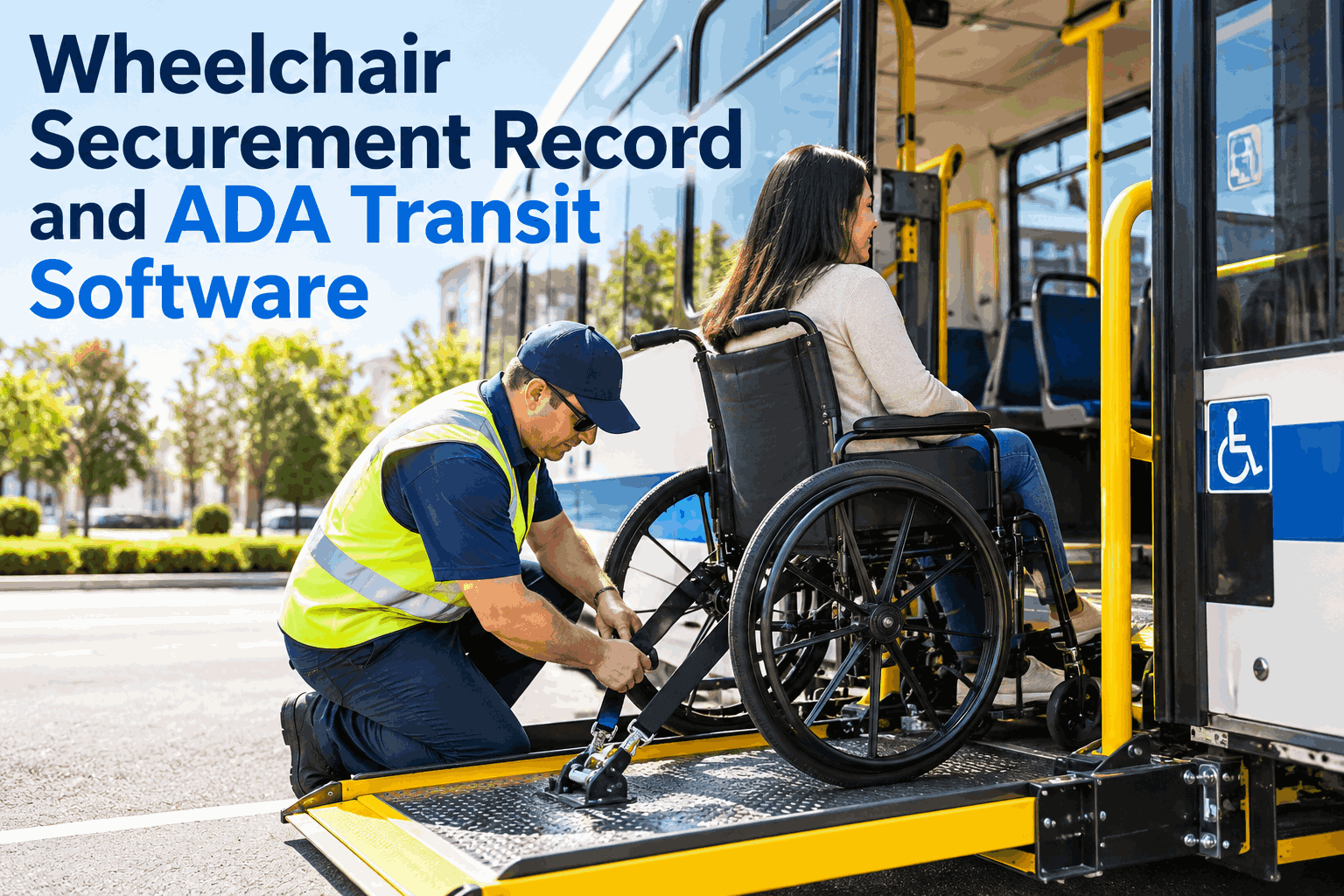
Federal regulations mandate that all accessibility lifts, ramps, securement tie-downs, and interlock systems operate in perfect working order. FleetRabbit monitors mechanical lift activations directly through auxiliary telematics inputs, enforcing mandatory pre-trip physical cycle walkarounds with photographic proof before any cutaway vehicle can clear the terminal gate.
Rigorous PM-A, PM-B, and PM-C Service Tiers
Demand-response assets require multi-tiered preventive maintenance far beyond standard passenger vehicles. The platform tracks mileage and operating engine run hours to schedule PM-A safety inspections (3,000 miles), PM-B fluid and hydraulic overhauls (6,000 miles), and PM-C complete chassis structural certifications (12,000 miles) automatically.
Dynamic Manifesting & On-Time Pickup Windows
Last-minute cancellations, passenger boarding delays, and traffic congestion disrupt static manifests. FleetRabbit continually updates stop sequences on the driver's mobile console, balancing pickup windows and notifying waiting riders to reduce passenger no-shows and vehicle idling.
Automated NTD Demand-Response Reporting
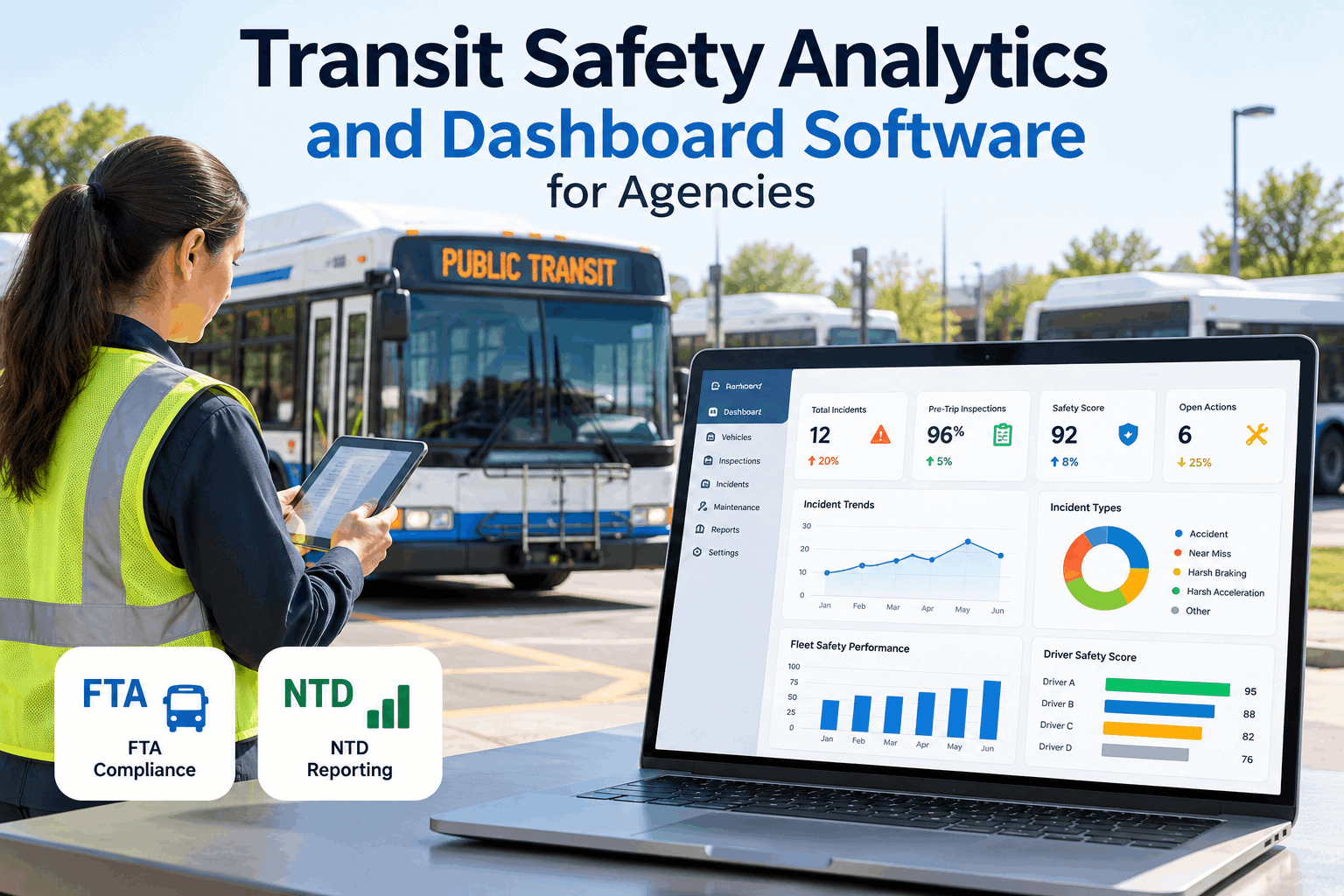
Demand-response reporting requires meticulous separation between deadhead positioning miles and actual passenger-on-board revenue miles (VRM/VRH). FleetRabbit matches GPS geofencing with driver boarding timestamps, automatically generating auditable datasets for NTD Form B-10 and Form A-30 submissions.
Performance Matrix: Manual Trip Sheets vs. FleetRabbit Paratransit Intelligence
Relying on manual driver logbooks, paper inspection tags, and static dispatch manifests leads to missed pickup windows, costly roadside tow fees, and audit non-compliance findings. Review how purpose-built demand-response fleet management software transforms passenger transit performance across essential administrative and mechanical criteria. Operations managers can evaluate live performance benchmarks by booking an online paratransit demo or test multi-vehicle cutaway tracking directly via our quick platform sign up.
| Management Dimension | Paper Logs & Legacy Paratransit Spreadsheets | FleetRabbit Paratransit & Demand-Response Engine | Agency & Rider Benefit |
|---|---|---|---|
| Wheelchair Lift Inspection | Checkbox on paper slips; unverified physical cycles | Mandatory mobile photo audit & auxiliary sensor cycle log | Zero in-service lift breakdowns |
| PM-A/B/C Service Tracking | Manual whiteboard notes; missed intervals common | Automated engine-hour & mileage trigger work orders | Extends cutaway service life by 3+ years |
| Deadhead vs. Revenue Mileage | Manual driver trip logs with high human error | Automated geofence & passenger boarding GPS tracking | Airtight NTD federal audit defense |
| Roadside Breakdown Triage | Driver calls dispatch via phone; passenger stranded | Instant CAN-bus DTC alerts & backup dispatch routing | 45% faster passenger transfer & recovery |
| Pre-Trip Vehicle Gate Release | Unmonitored departures without verified checks | Automated gate clearance tied to defect-free eDVIR | 100% roadworthy fleet departures |
4-Stage Paratransit Service Lifecycle: From Depot Gate to Rider Destination
FleetRabbit standardizes passenger transit workflows across the operating day, ensuring every vehicle departure, boarding event, and maintenance checkpoint is digitally logged under certified safety protocols.
Pre-Trip Accessibility eDVIR
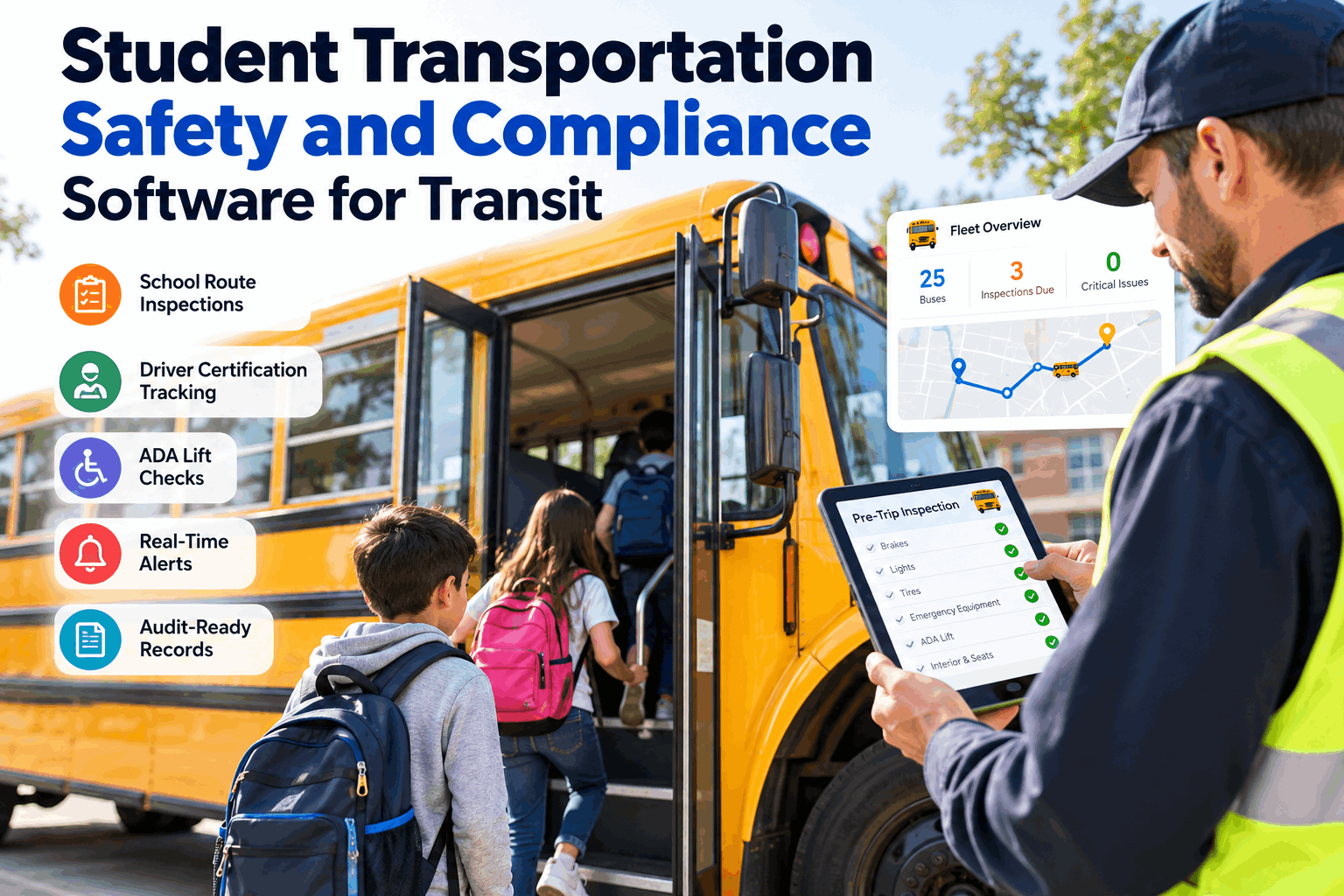
Drivers complete electronic inspections on standard mobile devices, verifying wheelchair tie-down belts, interlock switches, lift deployment cycles, and cabin emergency exits before gate release.
Manifest Loading & Dynamic Routing
The system uploads passenger manifests to the driver mobile app, sequencing pickups based on passenger mobility requirements, wheelchair space capacity, and live traffic corridors.
Door-to-Door Passenger Check-In
Drivers log passenger boarding with time-stamped, geofenced accuracy. Auxiliary lift sensors verify deployment events, recording true vehicle revenue hours and miles automatically.
Depot Return, Post-Trip & NTD Export
Upon return, vehicle mileage and diagnostic fault codes sync with central maintenance bays. All passenger trips, fuel expenditures, and service hours compile into NTD-compliant reporting ledgers.
Paratransit Capital Recovery: Eliminating Operating Budget Waste
Operating converted cutaway buses and high-top accessible vans without integrated maintenance tracking creates compounding budget leaks across fuel, overtime labor, and premature vehicle retirement. Review the primary operational cost drivers and see how our connected software recovers agency capital on every route. Calculate your agency's exact cost recovery by requesting an executive consultation demo or start testing your fleet immediately via our self-service sign up.
Top Causes of Demand-Response Fleet Cost Overruns
Paratransit Platform Capabilities
Monitors electrical current draw, hydraulic cycle counts, and stow-lock status to catch mechanical wear early.
Works with existing OBD-II, J1939 CAN-bus devices, or standard driver mobile smartphones with no expensive hardware lock-in.
Compiles passenger trip summaries, revenue mileage, and vehicle breakdown logs formatted directly for federal reporting.
Deployment Packages for Paratransit and Demand-Response Agencies
Whether you operate a small rural community demand-response service or manage an extensive metropolitan paratransit fleet with hundreds of cutaway buses, FleetRabbit provides flexible subscription tiers tailored to your agency's scale. Explore service packages below, register your transit staff via our portal sign up, or book an executive operational walkthrough by scheduling a specialized platform demo.
Paratransit Starter
Mobile driver pre-trip inspection checklists, manual ride logging, basic PM-A safety inspection notifications, and passenger trip records.
Demand-Response Pro
Auxiliary wheelchair lift cycle monitoring, PM-A/B/C automated shop work orders, live passenger pickup dispatch radar, and 1-click NTD report compiling.
Enterprise Specialized Transit
Multi-garage maintenance synchronization, custom scheduling software API connectors, electric accessible van battery tracking, and dedicated FTA compliance support.
Frequently Asked Questions for Paratransit and Transit Directors
How does FleetRabbit verify Americans with Disabilities Act (ADA) wheelchair lift compliance?
FleetRabbit combines mobile driver inspection workflows with connected auxiliary sensor inputs. Drivers must complete and photograph a physical lift deployment, interlock verification, and securement check during their pre-trip inspection. Additionally, auxiliary sensors log each active cycle, ensuring equipment is maintained in accordance with ADA Title II and FTA 49 CFR Part 37 guidelines.
How does the platform distinguish between deadhead travel and revenue miles for NTD reporting?
The system utilizes automatic geofencing around depot terminals and designated service zones paired with driver boarding timestamps. Movement from garage parking to the first passenger pickup point is categorized as deadhead travel, while all subsequent passenger transportation is automatically tracked as Vehicle Revenue Miles (VRM) and Vehicle Revenue Hours (VRH) for NTD reporting.
Can FleetRabbit integrate with third-party passenger scheduling software?
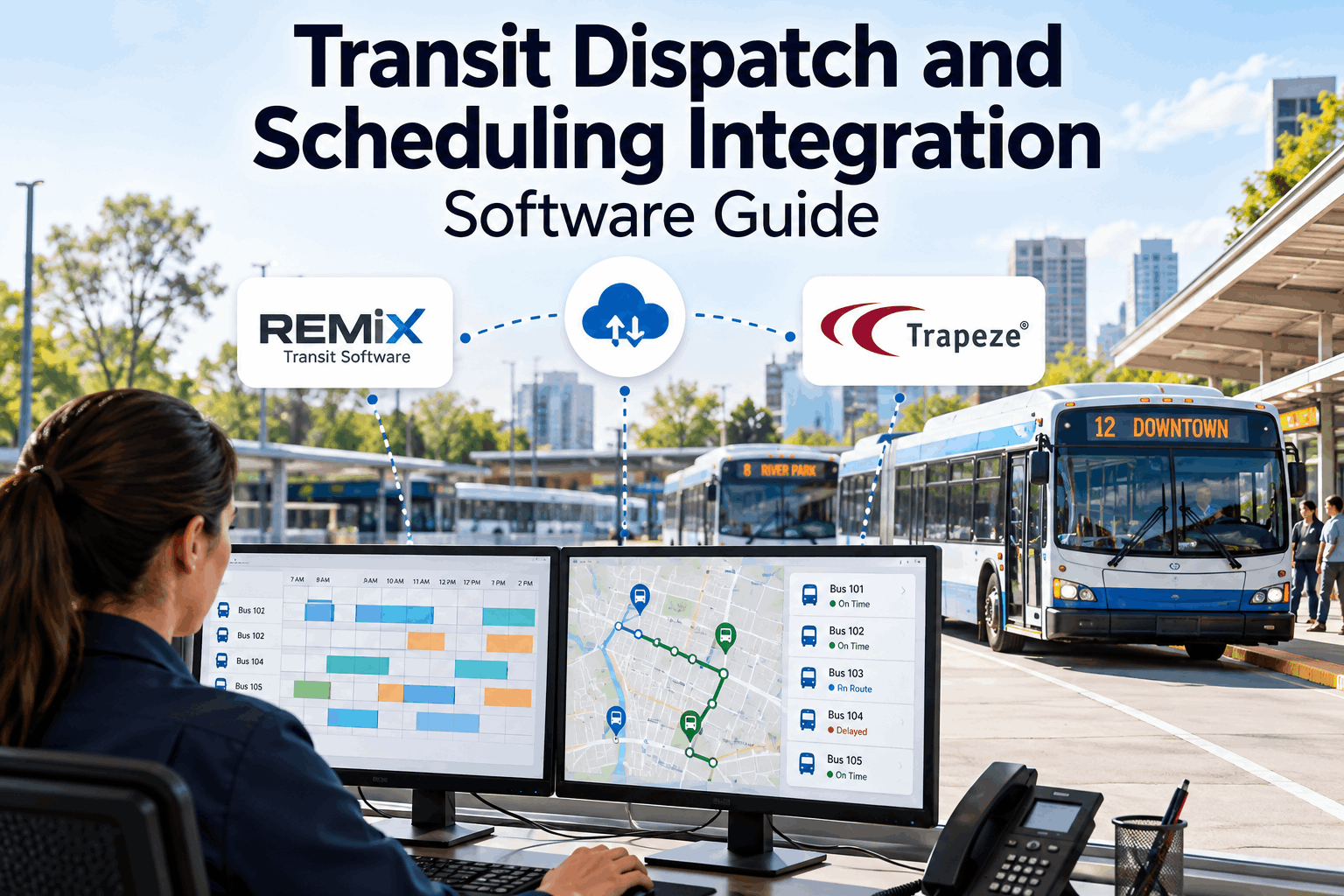
Yes. FleetRabbit features standard REST APIs and webhook connectors that integrate with third-party demand-response scheduling tools (such as Trapeze, TripMaster, or Ecolane). The platform ingests passenger manifests while feeding live vehicle diagnostic health, odometer readings, and lift availability back to dispatchers.
How are PM-A, PM-B, and PM-C service intervals managed across cutaway vehicles?
FleetRabbit continuously tracks vehicle engine operating hours and mileage via CAN-bus telematics. When assets approach pre-set thresholds (e.g., 3,000 miles for PM-A, 6,000 miles for PM-B, or 12,000 miles for PM-C), the system automatically creates a prioritized preventive maintenance work order and reserves necessary parts in the depot inventory.
Modernize Your Paratransit and Demand-Response Operations Today
Ensure passenger safety, protect federal transit grant funding, and maintain complete mechanical reliability across every accessible vehicle in your fleet. Get started with FleetRabbit today with zero proprietary hardware lock-in.