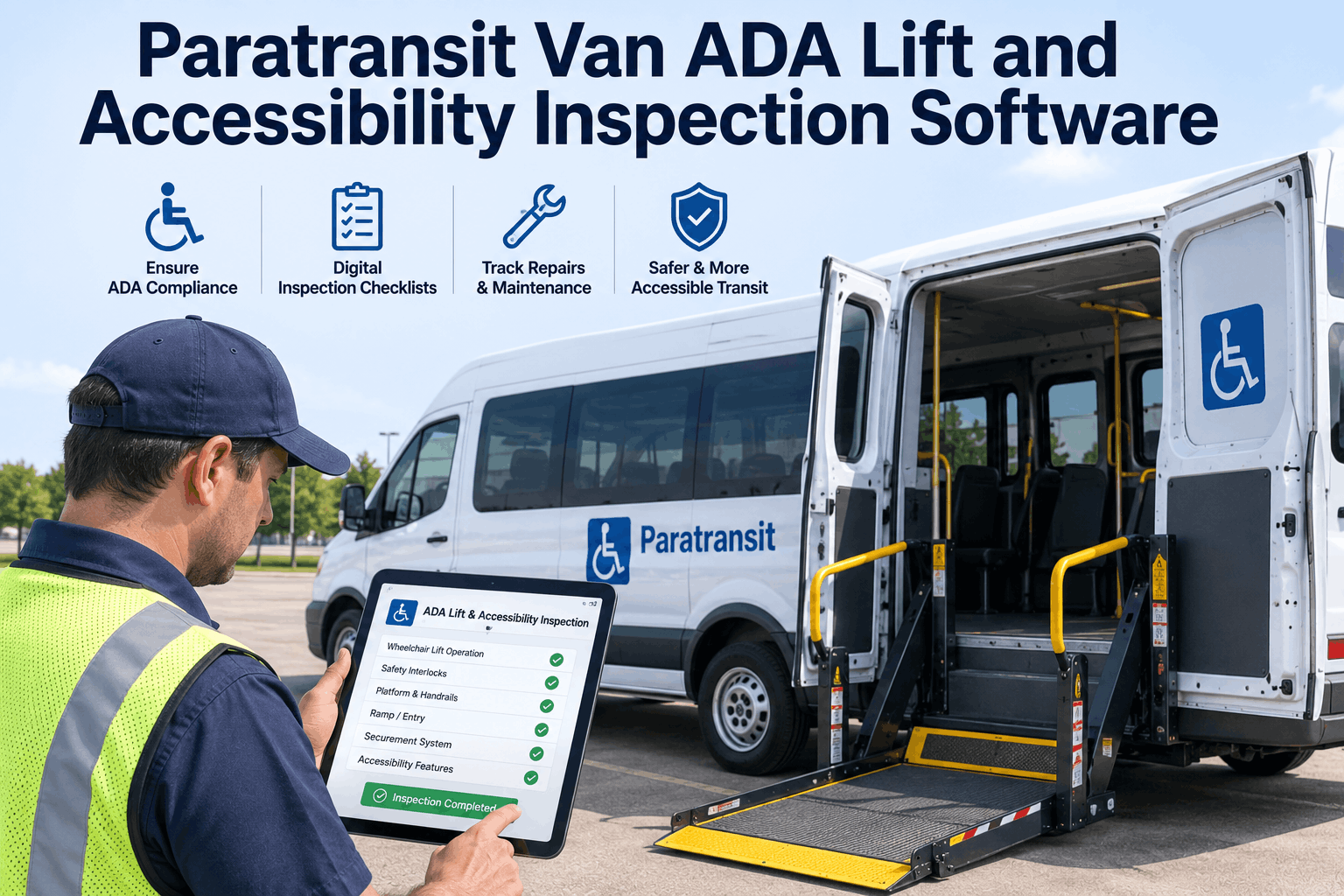
A wheelchair lift that fails mid-route isn't a maintenance inconvenience for a paratransit agency, it's a federal compliance event with a clock already running. Under 49 CFR 37.163(f), an inoperative lift on a route with more than a 30-minute headway to the next accessible vehicle triggers a legal obligation to get alternative transportation to that rider in under 30 minutes. Paratransit van ADA inspection software exists because agencies can't manage that kind of obligation on a clipboard, and because FTA triennial reviewers are asking pointed questions about pre-trip lift records that most legacy systems simply weren't built to answer.
Why Paratransit Vans Carry a Different Kind of Maintenance Obligation
A standard fleet vehicle that misses a service interval is a maintenance risk. A paratransit van with an undocumented or inoperative wheelchair lift is a civil rights compliance failure, and the two get treated very differently by regulators, riders, and the agency's own board. FTA guidance is explicit that transit providers must create and follow a system of regular and frequent maintenance checks of lifts and ramps, not just service the vehicle on the same interval as a standard van. That distinction is exactly what generic fleet maintenance tools tend to miss.
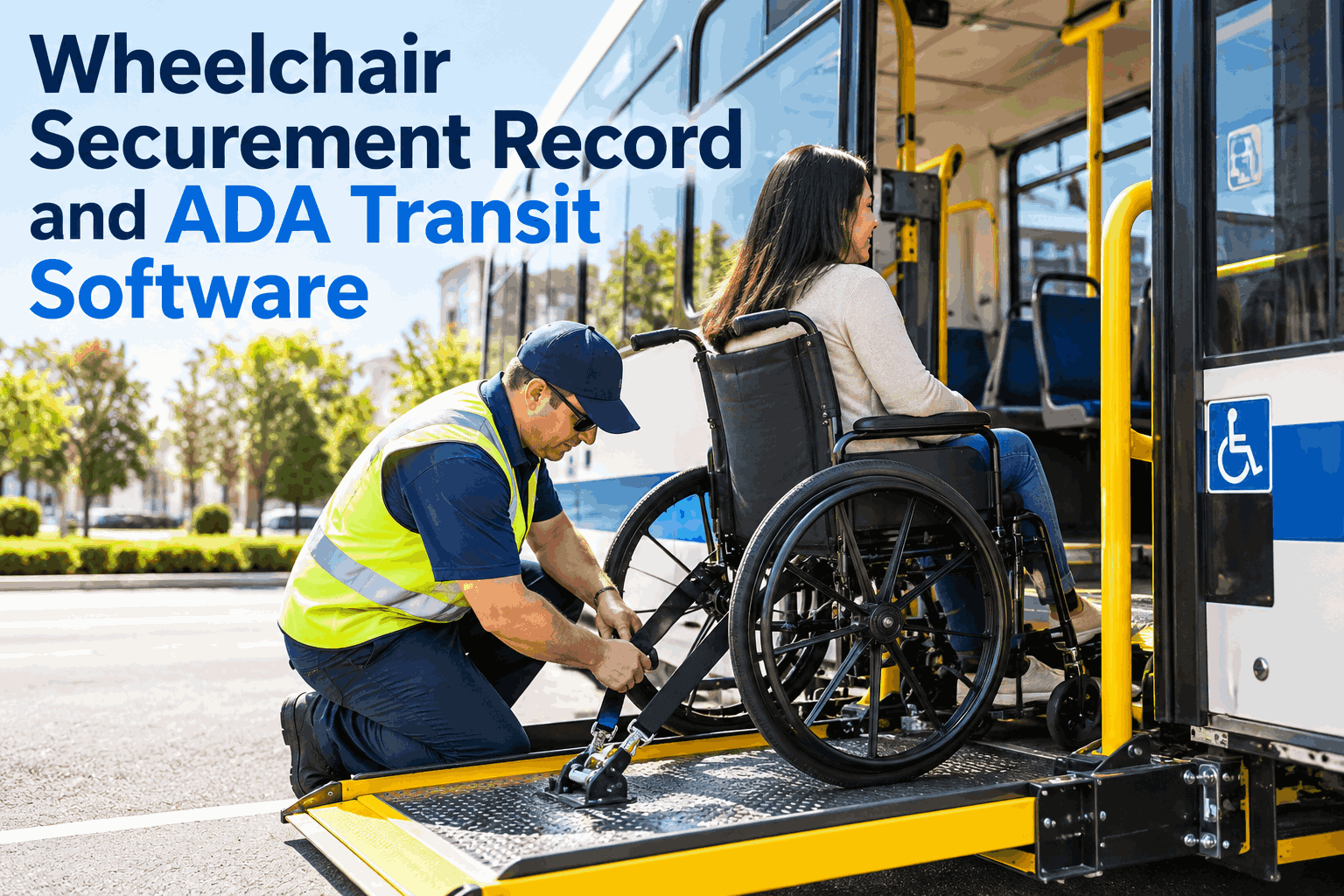
Paratransit van ADA inspection software treats the lift, the ramp, the securement system, and the vehicle's mechanical PM schedule as related but separate compliance items, each with its own documentation trail. Agencies that sign up typically find that the biggest early win isn't catching more lift failures, it's finally having a single, defensible record of every inspection that already happened.
The PM-A / PM-B / PM-C Ladder for Paratransit Fleets
Fluids, filters, belts, and a full lift deployment cycle: power up, extend, lower, raise, and stow.
Deeper mechanical inspection plus lift interlock diagnostics, securement anchor checks, and hardware torque verification.
Full manufacturer-recommended service, load-tested lift inspection, and a complete compliance-document refresh.
Layering ADA lift checks onto each PM tier, rather than tracking them separately, keeps mechanical and accessibility compliance moving on the same documented schedule instead of drifting apart.
Keep Every Lift Cycle on the Record, Automatically
FleetRabbit ties PM-A, PM-B, and PM-C scheduling directly to ADA lift and ramp inspections, so nothing gets serviced on paper only. Sign up to start building your compliance record today, or book a demo to see NTD-ready reporting on a live paratransit fleet.
The 30-Minute Rule Isn't Optional, and It Isn't Forgiving of Bad Records
When a lift fails in the field, federal ADA regulations don't leave room for improvisation. If the headway to the next accessible vehicle exceeds 30 minutes, the agency must arrange alternative accessible transportation to that rider in under 30 minutes. Meeting that window depends entirely on dispatch knowing, immediately, which vehicle failed, what the nearest accessible alternative is, and whether that alternative's own lift was last confirmed operative. Any delay in that chain of information becomes a delay a stranded rider experiences directly.
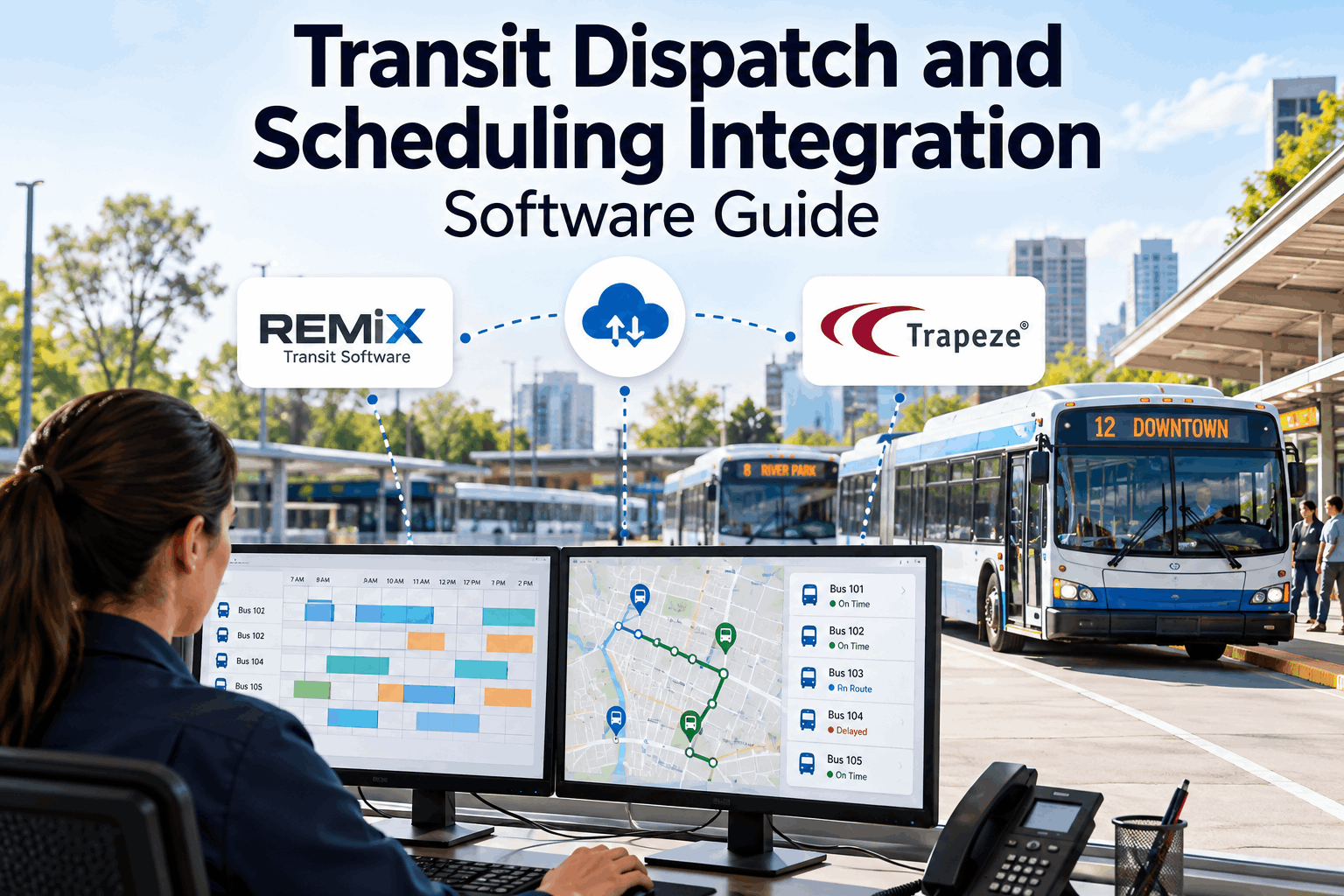
This is where digital inspection records stop being a compliance nicety and start being an operational necessity. A dispatcher working from a system that knows every van's current lift status in real time can act in seconds. A dispatcher working from yesterday's paper inspection sheet is guessing. Agencies that want to close that gap before their next audit can book a demo and see how real-time lift status feeds directly into dispatch.
What Happens in the First 30 Minutes After a Lift Failure
Failure logged
Driver reports the inoperative lift; the vehicle is flagged out of service in the system immediately.
Headway checked
Dispatch confirms whether the next accessible vehicle on the route is under or over the 30-minute headway threshold.
Alternative dispatched
If the threshold is exceeded, a road supervisor, extra-board driver, or contracted paratransit vehicle is sent to the rider.
Incident documented
The failure, response time, and resolution are recorded together, forming the exact record an FTA review will ask for.
What FTA Reviewers and NTD Reporting Actually Ask For
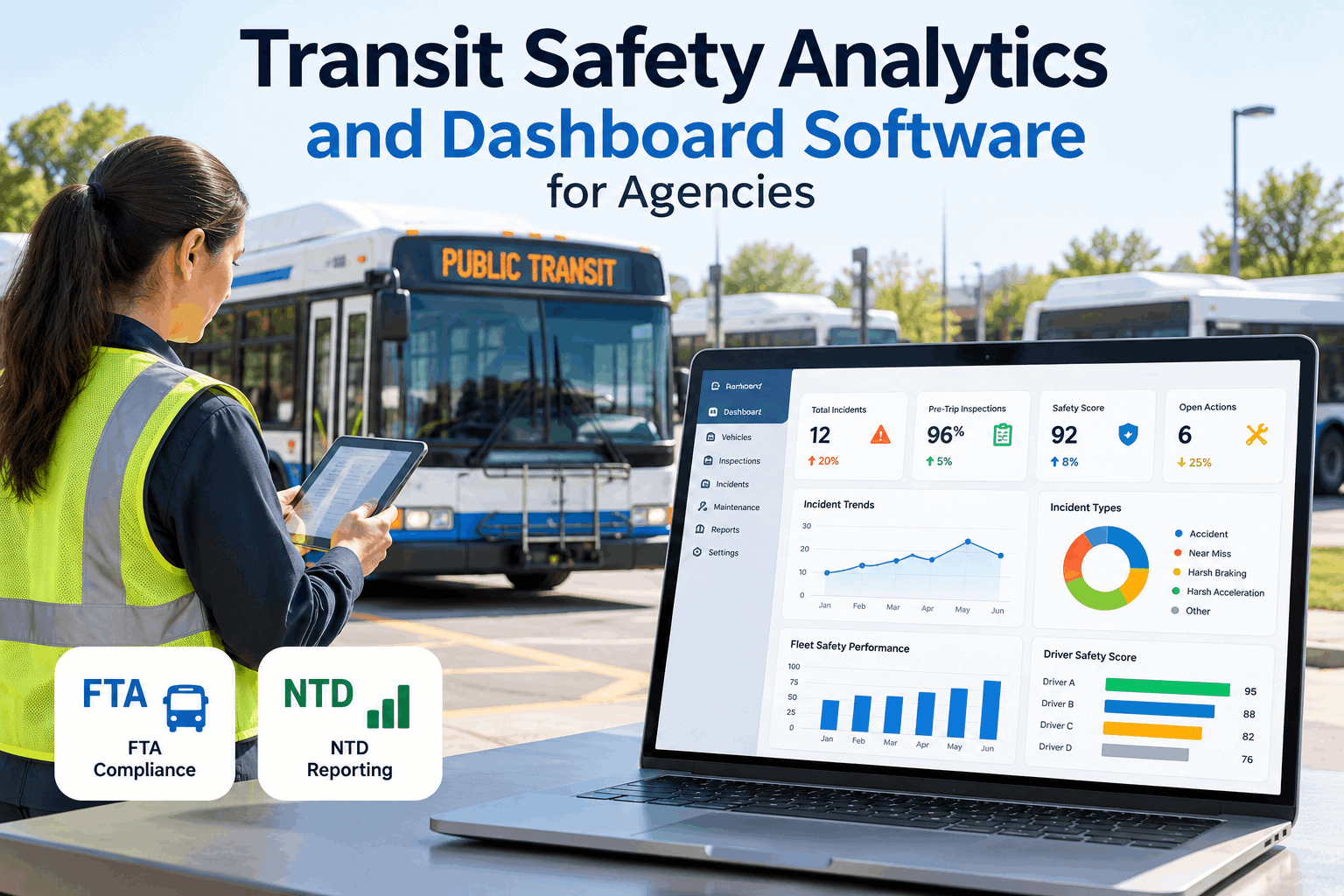
FTA triennial reviews focus heavily on documentation, not just outcomes. Reviewers look for daily pre-trip lift inspection records with timestamps and driver identification, defect reports tied to resolution tracking, out-of-service incident reports showing how alternative transportation was arranged, and operator training records confirming drivers know the lift procedures. Missing documentation is treated as a finding on its own, even when the underlying maintenance was actually performed. The same underlying data also feeds National Transit Database reporting, which means a record built once for compliance can serve both purposes without duplicate entry.
Agencies still relying on paper logs or disconnected spreadsheets often discover the documentation gap only during a review, when it's too late to fix retroactively. Building that record continuously, starting now, is the only way to walk into a triennial review with confidence instead of hoping nothing got missed. Agencies ready to close that gap can sign up and start generating audit-ready records from day one.
The FTA Audit Record Checklist
Daily pre-trip lift inspections
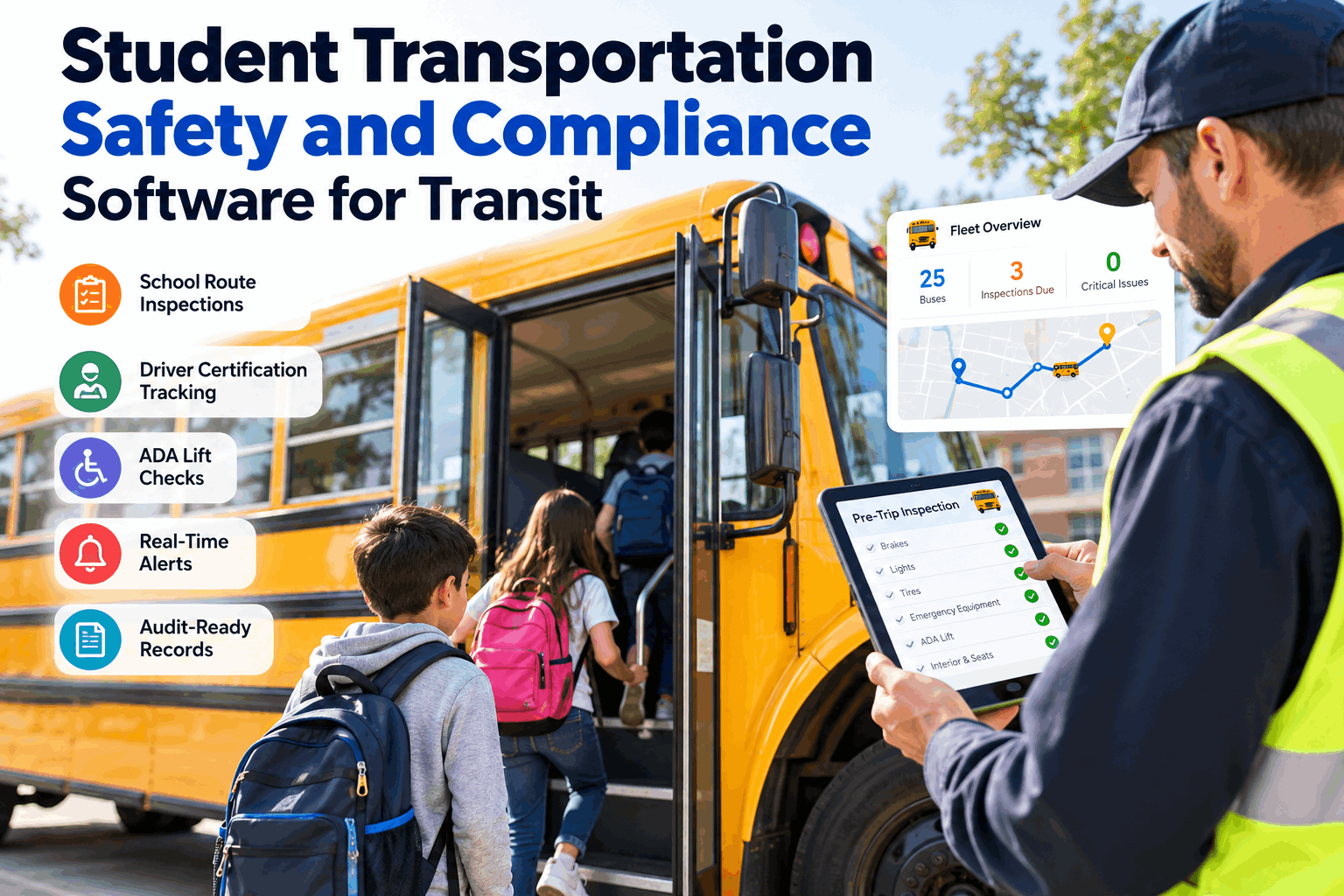
Timestamped, tied to a specific driver, covering a full deployment cycle rather than a visual check.
Defect and repair tracking
Every reported issue linked to its resolution, with parts and labor recorded against the vehicle.
Out-of-service incident reports
Documentation showing exactly how alternative transportation was arranged and how quickly.
Operator training records
Confirmation that every driver has been trained on lift operation and ADA passenger assistance procedures.
Moving From Paper Logs to Pull-Out Ready Confidence
The goal isn't just passing a review once every three years, it's knowing on any given morning that every van scheduled to pull out has a current, valid lift inspection on file. That kind of pull-out readiness is difficult to maintain manually across a fleet of any real size, but straightforward once inspections, PM scheduling, and dispatch status all live in the same system. Agencies weighing a move away from paper can book a demo and walk through what pull-out readiness would look like with their own fleet data.
Walk Into Your Next FTA Review With Every Record Ready
PM-A/B/C scheduling, ADA lift and ramp inspections, and NTD-ready reporting, all built for how paratransit fleets actually operate. See it live today.
Frequently Asked Questions
What is paratransit van ADA inspection software?
It's a fleet management platform built for paratransit agencies that ties wheelchair lift and ramp inspections directly to PM-A, PM-B, and PM-C maintenance scheduling, producing the timestamped, driver-identified records FTA reviewers and NTD reporting require.
What does a daily pre-trip lift inspection actually need to cover?
FTA best practice calls for a full deployment cycle before every day of revenue service, powering the lift up, extending it, lowering it, raising it, and stowing it, not just a visual walk-around. The check needs to be logged with a timestamp and the driver's identification.
What happens if a lift fails while a van is out on a route?
Under 49 CFR 37.163(f), if the headway to the next accessible vehicle exceeds 30 minutes, the agency must arrange alternative accessible transportation to the affected rider in under 30 minutes. Dispatch needs real-time visibility into which vehicles have a working lift to meet that window.
What do FTA triennial reviewers focus on for ADA compliance?
Reviewers look closely at documentation: daily pre-trip lift records, defect reports linked to repairs, out-of-service incident reports, exception period justifications, and operator training records. Missing paperwork is treated as a finding even when the maintenance itself was done correctly.
Does this data also support National Transit Database reporting?
Yes. Because inspection, maintenance, and incident records are captured continuously in one system, the same underlying data can be used for NTD reporting without re-entering information from paper logs.
How quickly can an agency get its fleet onto this kind of system?
Most agencies connect their first vehicles and begin logging PM and ADA lift inspections within days, with dispatch integration and NTD-ready reporting following shortly after. Sign up to get started, or book a demo to see the full workflow before committing.