Real-time downtime tracking
Van status updates the moment a defect is logged, not at the next scheduled check.
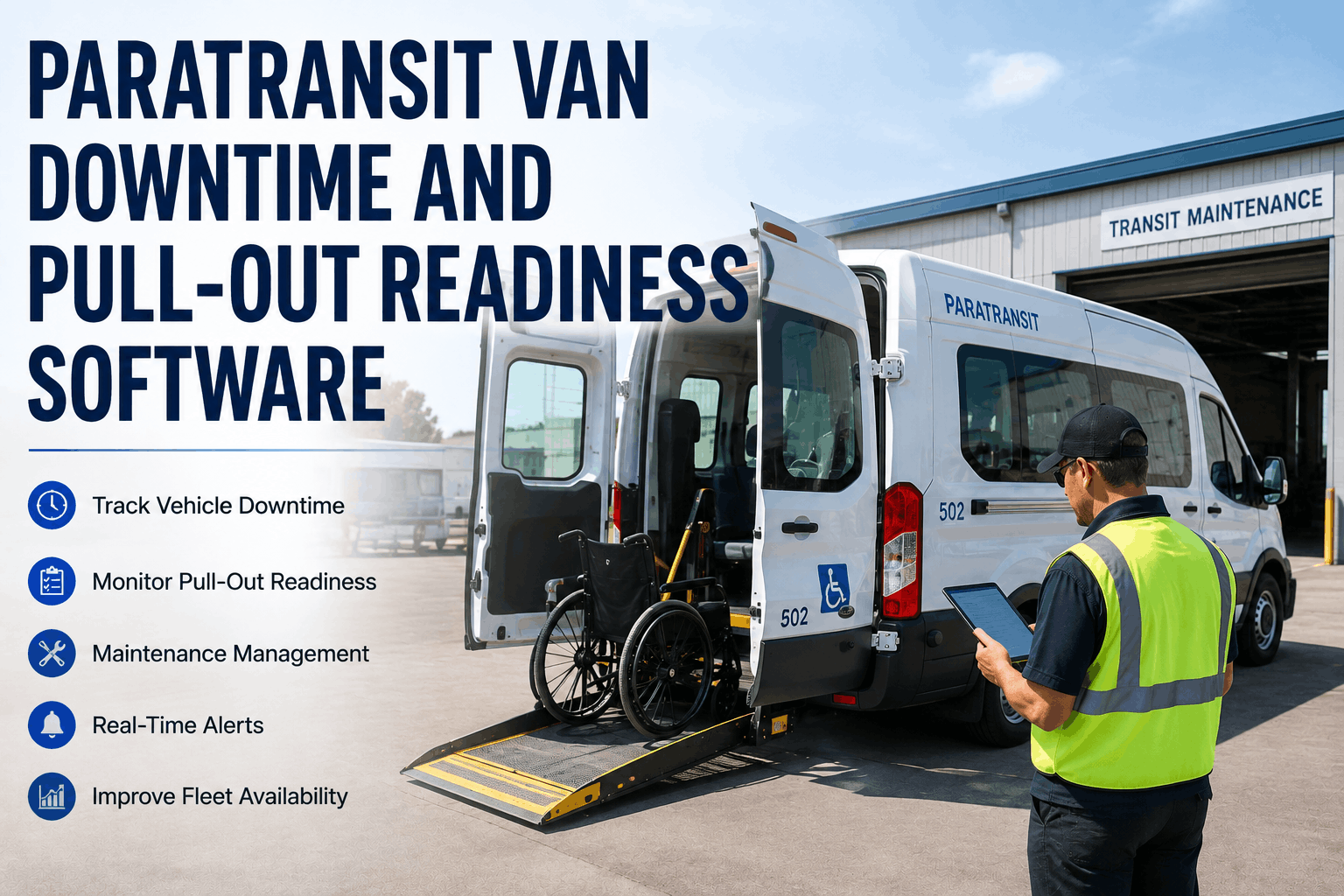
A fixed-route bus pulls out once at the start of a shift and runs the same loop all day. A paratransit van never gets that luxury: it's dispatched on demand, all day long, to a rider who booked a ride the day before and is standing at the curb waiting. When a van goes down at 1 p.m. instead of 6 a.m., there's no scheduled pull-out to catch the problem, just a dispatcher scrambling and a passenger left without a ride. Paratransit van downtime tracking software exists to catch that gap before dispatch does.
Run too far below that spare ratio and one van going down mid-shift can drop a route's coverage below what an agency reported to the National Transit Database. Agencies that sign up for real-time downtime tracking keep that number defensible instead of discovering it during a funding review.
A driver's pre-trip happens once, before the bus leaves the yard, and the vehicle runs its assigned loop for the rest of the shift. A problem discovered mid-route is unusual, and there's a predictable window to catch issues before service starts.
A van might complete its morning trips clean, then develop a problem before its 1 p.m. pickup, with a rider who booked that trip specifically because no other option was accessible. Downtime here isn't a morning event, it's a continuous state that has to be tracked in real time. Agencies that book a demo want to see how a van's status updates the moment a defect is logged, not at the next scheduled check.
See real-time downtime tracking, PM-A/B/C scheduling, and ADA lift inspections in one NTD-ready dashboard.
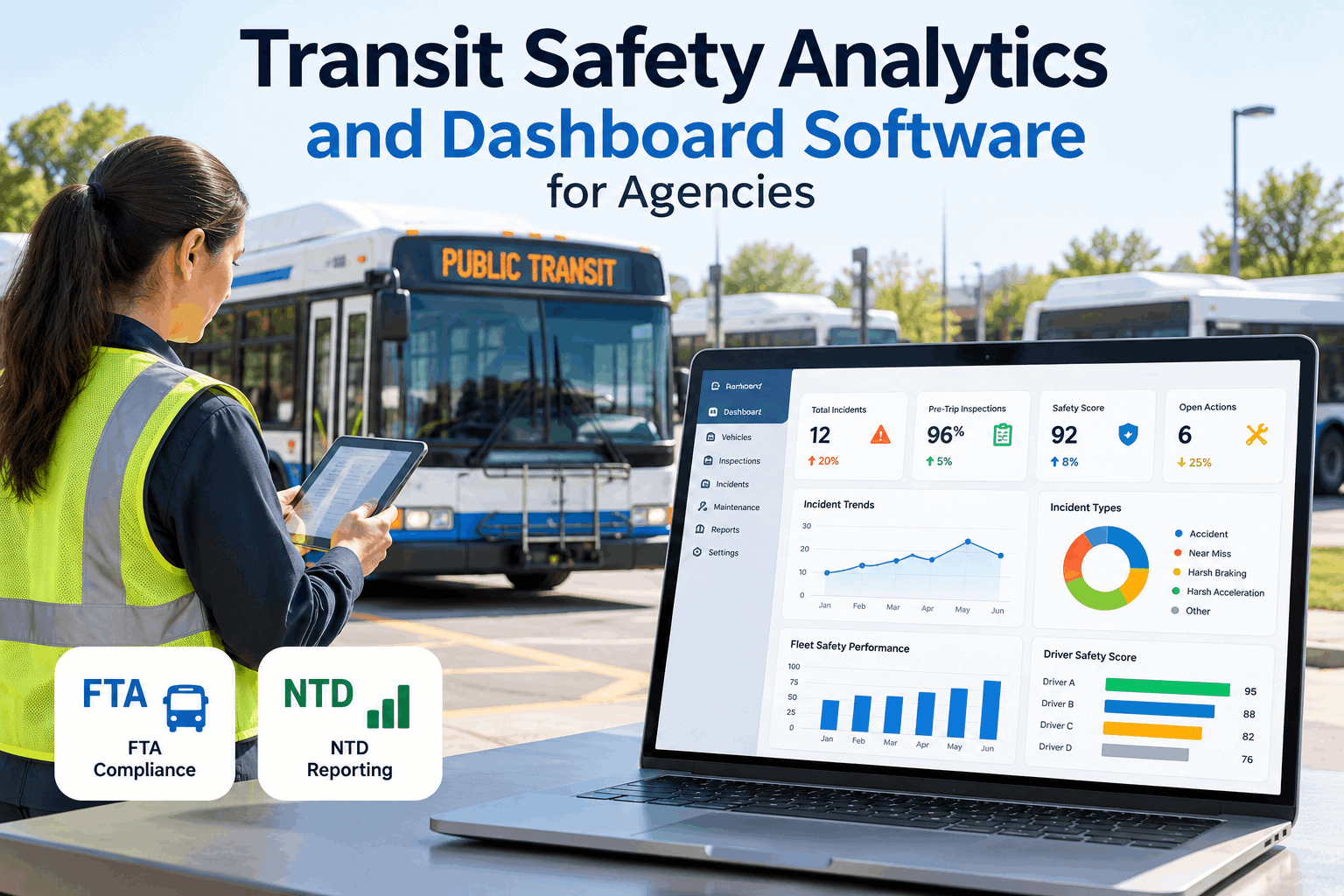
The National Transit Database collects vehicle revenue miles and hours alongside asset and maintenance data, and that data determines federal funding apportionment. A van sitting down for repairs that never gets logged properly doesn't just hide a maintenance problem, it can distort the exact numbers an agency's funding depends on. Missing or inaccurate NTD reporting can put an agency's eligibility for federal funds at risk.
Fleets that sign up for downtime tracking get a record built automatically from real inspection and repair data, in the format NTD reporting actually needs.
Current PM-A/B/C tier confirmed against real mileage, not a shop wall chart
ADA lift or ramp cycled and confirmed operative for the day's accessible trips
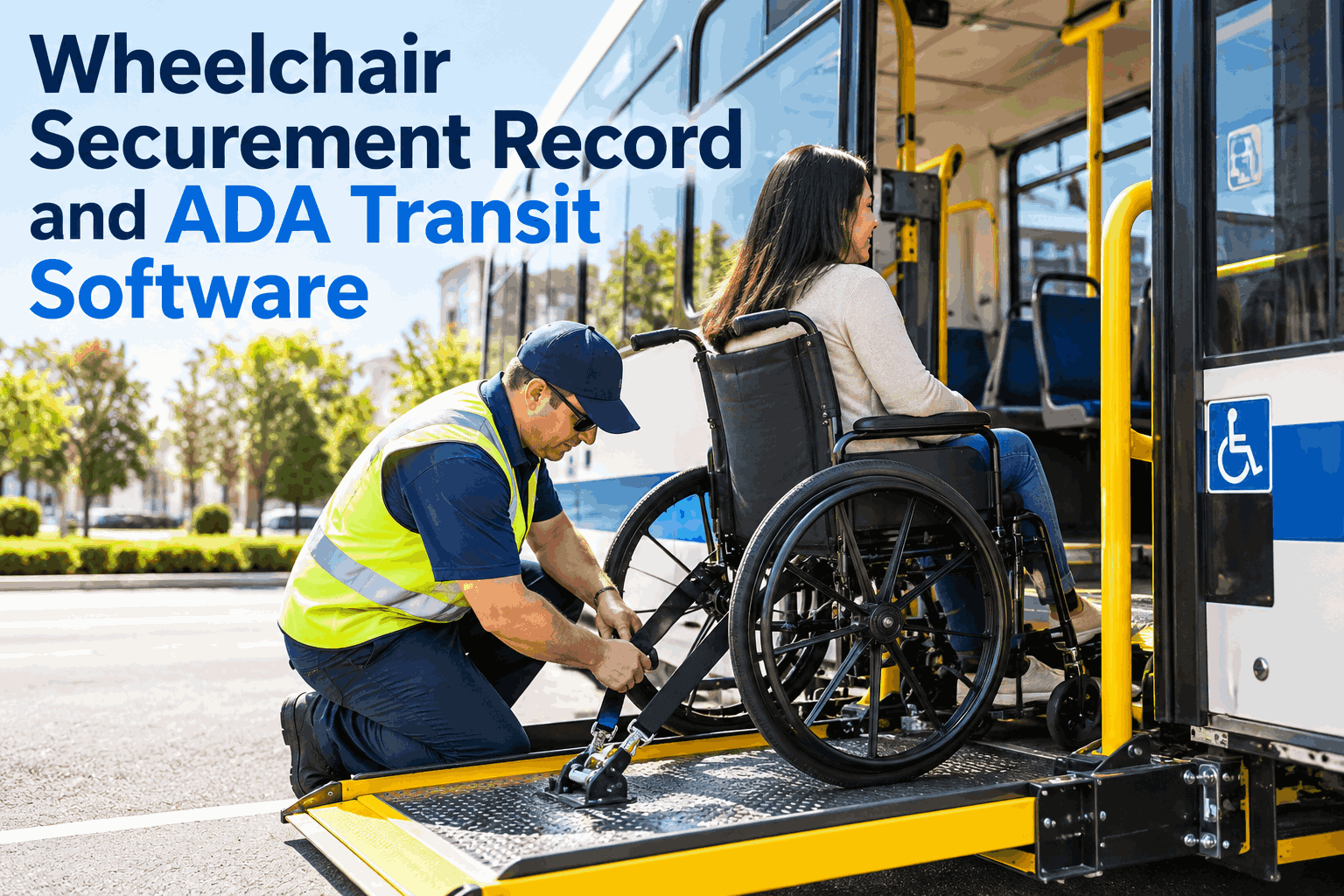
Wheelchair securement points inspected and confirmed functional
Fuel or charge level sufficient for the full day's dispatch schedule, not just the first run
Van status updates the moment a defect is logged, not at the next scheduled check.
Stacking PM tiers triggered automatically so a van's service status is always current.
Daily lift and securement checks logged with timestamp for every accessible van.
Downtime, mileage, and maintenance data structured for National Transit Database reporting.
See active versus spare vehicle counts at a glance, before a shortfall affects dispatch.
A live view of which vans are cleared to run before dispatch has to find out the hard way.
A van finishes its morning runs clean, then develops a brake issue before its next pickup, and a dispatcher only finds out when the driver calls in from the road. With real-time status tracking, that same defect gets logged and flagged the moment it's reported, so a spare can be dispatched before a rider is left waiting at the curb. Agencies running this way describe fewer missed pickups and a downtime record that's already accurate when NTD reporting season comes around. If your dispatch team is still finding out about van problems from a phone call, a short book a demo session will show what real-time visibility looks like on your own fleet.
Set up your first paratransit van in FleetRabbit and see downtime tracking and pull-out readiness running from day one.
A fixed-route bus pulls out once and runs a set loop. A paratransit van is dispatched on demand throughout the day, so a van going down mid-shift can strand a rider with no scheduled check to catch it first.
FTA guidance suggests a spare ratio of around 20 percent for fleets of 50 or more vehicles, meaning enough spare vehicles are held back to cover vans that are down for maintenance without disrupting service.
The National Transit Database collects vehicle revenue miles, hours, and asset condition data that determines federal funding apportionment. Inaccurate downtime records can distort that data and put reporting accuracy, and funding eligibility, at risk.
Current PM tier status, ADA lift and securement checks, and fuel or charge sufficient for the full day, not just the first trip, since a van may be dispatched again hours after its last check.
Yes. Flagging a defect the moment it's reported lets dispatch send a spare vehicle before a rider is left waiting, rather than finding out only when the driver calls in.
Most agencies start with a portion of their fleet to confirm downtime and PM tracking against current records, then expand fleet-wide. A demo is the fastest way to see a timeline for your fleet.