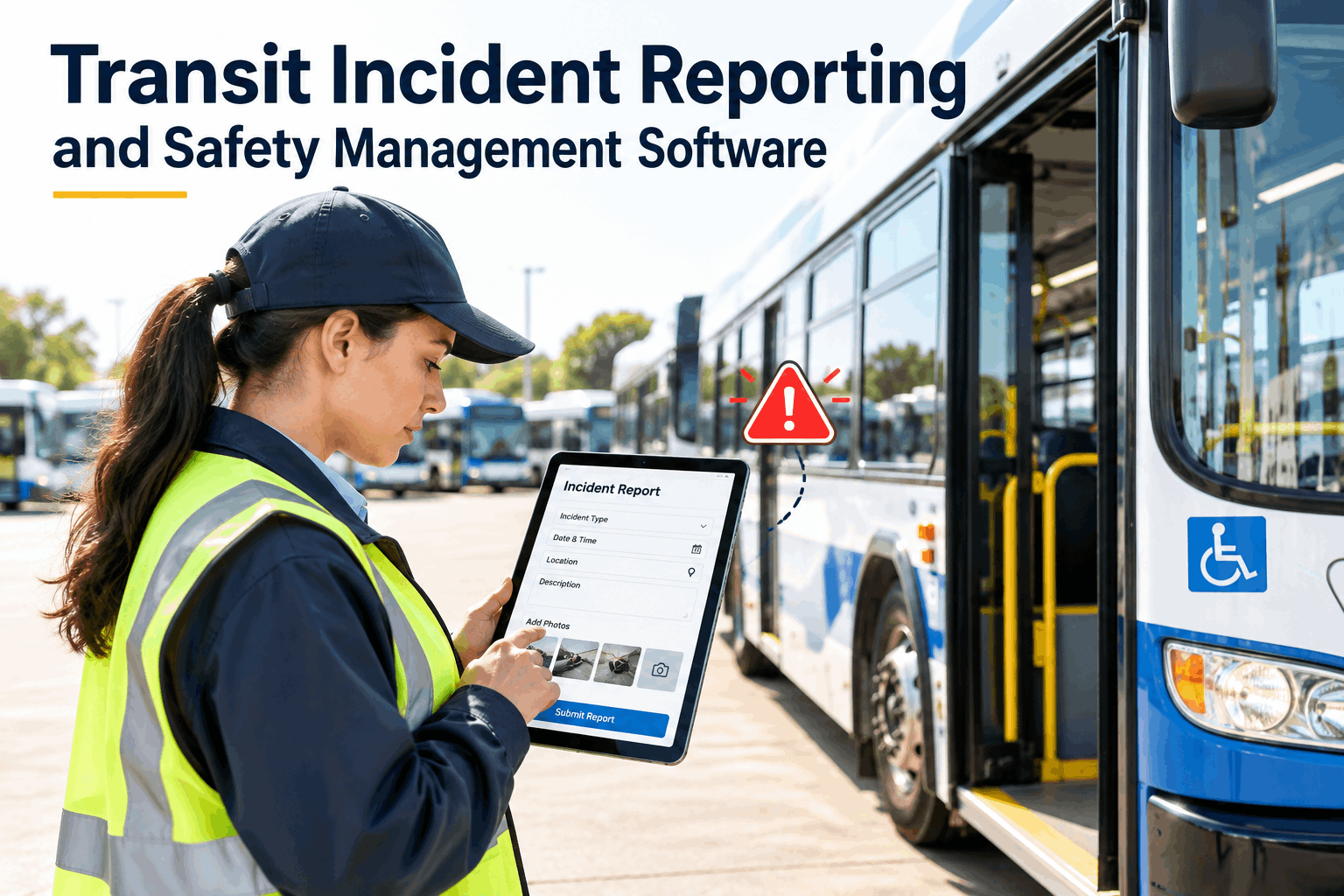
Regional and metropolitan transit authorities manage immense complexity across dense urban corridors and expansive commuter feeder networks. Keeping hundreds of 40-foot low-floor city coaches, 60-foot articulated buses, zero-emission battery-electric fleets, and accessible paratransit cutaways synchronized every morning requires complete interoperability between multi-depot garages, central computer-aided dispatch (CAD/AVL), and federal regulatory reporting systems. When metro transit systems rely on fragmented legacy databases, paper Driver Vehicle Inspection Reports (DVIRs), and isolated maintenance boards, agencies face catastrophic morning pull-out failures, headway bunching, Title II Americans with Disabilities Act (ADA) wheelchair ramp violations, and penalized National Transit Database (NTD) Section 5307 formula allocations. FleetRabbit provides dedicated regional and metro transit fleet management software that unites automated pull-out release gates, wheelchair lift hydraulic telemetry, multi-tiered PM-A/B/C service schedules, and one-click NTD report compilation into a single, cohesive cloud environment. To explore how our platform transforms regional transit efficiency, book a live consultation demo with our metro transit team or configure your multi-depot property immediately with our free platform sign up.
Fleet Management Software for Regional and Metro Transit Systems
Coordinate multi-depot morning pull-outs, automate ADA accessibility tracking, orchestrate severe-duty PM-A/B/C maintenance schedules, and generate 1-click NTD-compliant federal filings across heavy urban transit operations.
Modernize Your Regional and Metropolitan Transit Fleet Today
Coordinate multi-division garages, guarantee complete federal ADA compliance, and eliminate NTD reporting hurdles starting at $3/vehicle/month with no hardware lock-in.
High-Capacity Transit Complexities in Metropolitan Corridors
Operating a high-density regional or metro transit network involves managing relentless urban wear on vehicles under non-negotiable community schedules. Unlike smaller community shuttles, metropolitan buses face thousands of door open-close cycles, continuous curb kneeling, sudden stop-and-go acceleration, and intense passenger loads across 20-hour service spans. If a single bus breaks down in an exclusive bus rapid transit (BRT) lane or highway HOV corridor during morning rush hour, upstream headways collapse across entire city sectors. Transit directors can evaluate these systemic pressures by requesting a tailored metro operations demo or evaluate automated garage service scheduling directly through our quick platform sign up.
Multi-Divisional Pull-Out Synchronization
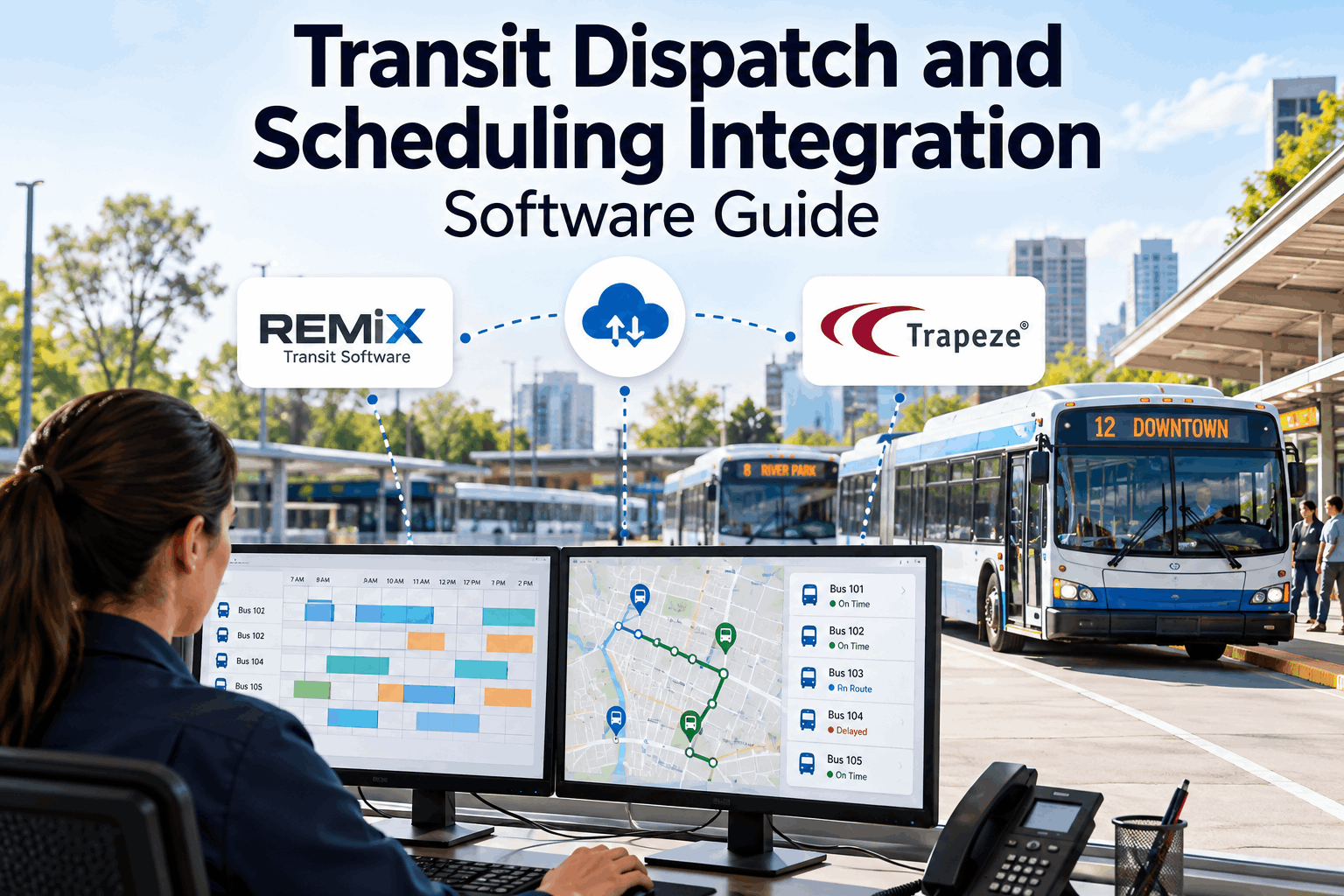
Metropolitan authorities operate out of multiple maintenance facilities, each responsible for dozens of peak-period route launches. FleetRabbit consolidates division status boards, enforcing digital inspection clearance gates so dispatchers can identify mechanical defects and assign backup coaches 30 minutes before routes depart.
Full Title II ADA Wheelchair Ramp Reliability
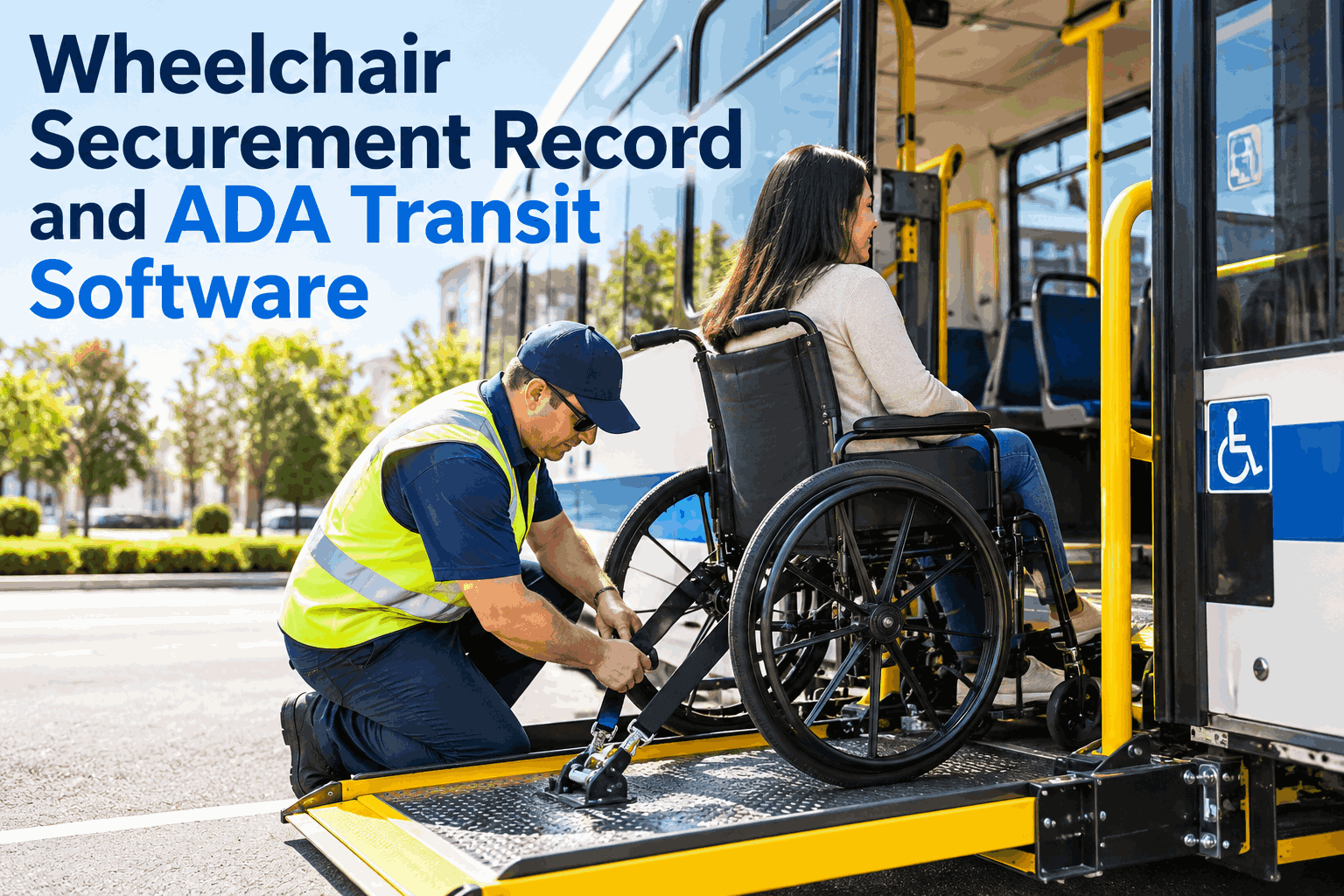
Metropolitan transit properties face continuous oversight regarding wheelchair ramps, electronic kneeling valves, and passenger securement bays. FleetRabbit monitors mechanical lift duty cycles directly via auxiliary telematics sensors and requires photographic proof of physical deployment during mobile pre-trip walkarounds.
Rigorous Severe-Duty PM-A/B/C Shop Schedules
Urban stop-and-go duty cycles accelerate brake disc wear, transmission fluid thermal breakdown, and articulated joint strain. FleetRabbit links live J1939 CAN-bus diagnostics with engine run hours, automatically staging PM-A safety checks, PM-B fluid flushes, and PM-C structural overhaul work orders before in-service roadside stalls occur.
Operational Comparison: Legacy Transit CAD Systems vs. FleetRabbit
Most metropolitan transit properties maintain expensive legacy computer-aided dispatch (CAD/AVL) systems that focus purely on bus locations while leaving fleet garage operations trapped in paper logbooks, manual whiteboards, and siloed spreadsheets. Review how unifying vehicle telemetry with garage work orders elevates performance across critical transit benchmarks. Operations managers can explore our unified maintenance architecture by booking a scheduled consultation demo or test multi-depot driver walkaround tools via our rapid account sign up.
| Metro Transit Operational Dimension | Siloed CAD & Paper Maintenance Binders | FleetRabbit Regional & Metro Transit Platform | Agency Taxpayer Advantage |
|---|---|---|---|
| NTD Annual Data Assembly | 6 to 10 weeks of cross-department manual tabulations | 1-click compilation of certified Section 5307 datasets | Saves 300+ compliance staff hours |
| Multi-Depot Pull-Out Clearance | Radio calls, clipboard gates, and paper slips | Digital gate release radar tied to defect-free eDVIR | Zero unverified bus departures |
| Deadhead vs. Revenue Mile Tracking | Estimated via static schedules with high error margins | Automated GPS geofence and CAN-bus odometer sync | Maximizes federal formula grant subsidies |
| Wheelchair Ramp Verification | Checkbox on paper slips; physical cycles unverified | Auxiliary sensor cycle count & photo-verified eDVIR | Eliminates in-service passenger lift stalls |
| PM-A/B/C Maintenance Adherence | Manual whiteboard notes; frequent interval slips | Automated engine-hour & CAN-bus DTC work orders | Extends coach service life by 4+ years |
The 4-Stage Metropolitan Transit Operational Workflow
FleetRabbit standardizes transit fleet monitoring across the operating day, ensuring every vehicle departure, scheduled revenue trip, and garage maintenance event is digitally documented under certified federal data models.
Multi-Depot eDVIR & Pull-Out Clearance
Drivers use standard mobile devices to complete electronic pre-trip walkarounds, testing wheelchair ramps, kneeling valves, brake air systems, and emergency exits before gates open.
Geofenced Corridor Revenue Tracking
As coaches exit terminal depots and cross into designated transit corridors, GPS geofences automatically distinguish non-revenue deadhead repositioning from active passenger revenue service.
In-Flight CAN-Bus Diagnostic Monitoring
Continuous telematics stream diagnostic trouble codes (DTCs), transmission temperatures, and hybrid/EV battery discharge metrics to depot mechanics, pre-staging service bays before buses return.
Automated NTD & TAM Ledger Compilation
Upon shift completion, daily deadhead miles, revenue operating hours, maintenance labor, and component expenditures compile into structured NTD and FTA Transit Asset Management records.
Metropolitan Transit Capital Preservation: Eliminating Hidden Operating Waste
Operating high-capacity transit buses without synchronized maintenance software creates compounding financial leaks across unmonitored depot idling, emergency roadside towing, and redundant reserve coach purchases. Identifying these cost drivers allows general managers and transit boards to defend capital requests before regional transportation commissions and city councils. Measure your agency's exact savings potential by arranging a tailored consultation demo or initiate platform onboarding directly through our quick platform sign up.
Analysis of Metro Transit Operating Budget Waste
Regional Transit System Capabilities
Monitors electrical load, hydraulic cycle counts, and kneeling valve performance to catch mechanical fatigue early.
Connects via existing J1939 CAN-bus telemetry modems, in-cab farebox computers, or standard mobile driver devices.
Monitors kilowatt-hour energy efficiency, regenerative braking rates, and depot charging status across zero-emission transit fleets.
Transit Asset Management (TAM) and Federal Compliance Architecture
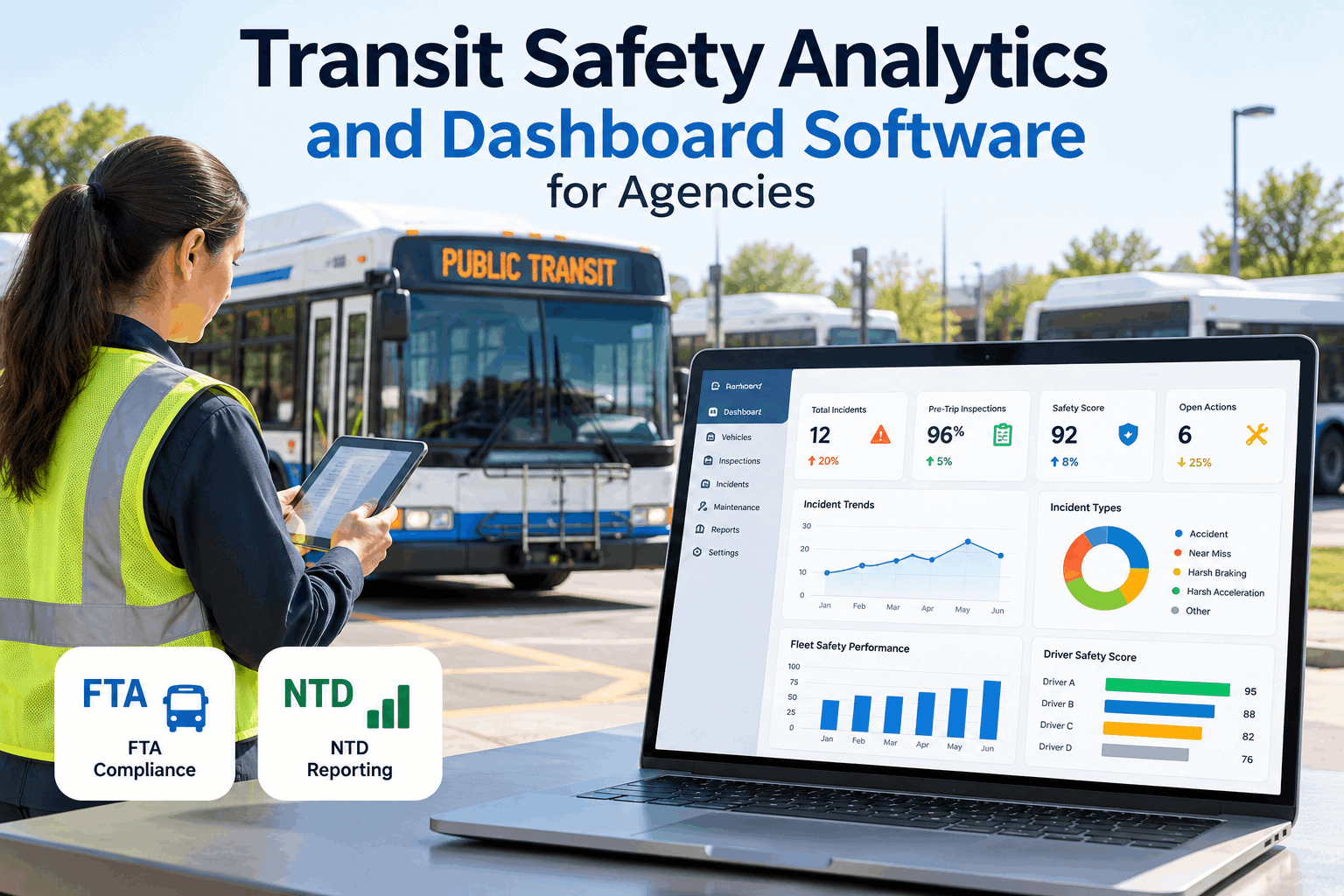
Regional and metro transit properties must adhere to strict federal oversight under the FTA's Transit Asset Management (TAM) rule (49 CFR Part 625) and National Transit Database (NTD) standards. FleetRabbit replaces fragmented spreadsheets with an auditable compliance architecture that monitors the State of Good Repair (SGR) across your entire revenue vehicle inventory.
Objective Condition Scoring
The platform translates real-time maintenance histories, overhaul investments, and mechanical breakdowns into objective 1-to-5 Transit Economic Requirements Model (TERM) scores, ensuring capital assets meet federal State of Good Repair standards.
Pre-Formatted Federal Datasets
Automate compilation for NTD Form A-30 (Revenue Vehicle Inventory), Form S-10 (Safety & Security Events), and Form R-20 (Maintenance Performance), reducing administrative overhead from weeks to minutes.
ULB Forecasting & Lifecycle Planning
Track capital vehicles against their FTA Useful Life Benchmark (ULB) based on age, operating hours, and cumulative mileage. The system projects exact replacement timelines to defend multi-year capital bonding requests.
Frequently Asked Questions for Regional and Metro Transit Directors
How does FleetRabbit support multi-depot pull-out coordination across a large transit property?
FleetRabbit consolidates vehicle readiness across all operating divisions onto a single interactive dispatch radar. Dispatchers can filter by division to view passed mobile eDVIRs, active diagnostic trouble codes, and assigned drivers, enabling immediate vehicle substitutions 30 minutes before morning pull-out.
How does the software separate deadhead travel from revenue service for NTD reporting?
The platform pairs vehicle GPS geofences with connected vehicle CAN-bus odometers. When a bus departs the garage and travels to its starting terminal, the mileage is categorized as deadhead travel. Once it enters its revenue service corridor, the system automatically begins logging Vehicle Revenue Miles (VRM) and Hours (VRH).
Can FleetRabbit integrate with our agency's existing CAD/AVL dispatch platform?
Yes. FleetRabbit features standard REST APIs and webhook connectors that integrate with leading CAD/AVL systems. The platform ingests route dispatch events while sending live vehicle mechanical health, odometer readings, and ADA ramp availability back to central dispatchers.
How does the platform manage zero-emission electric buses (ZEBs)?
FleetRabbit provides unified telemetry for electric buses alongside diesel and CNG coaches. The platform monitors high-voltage battery State of Charge (SoC), energy consumption rates, depot charging status, and regenerative braking efficiency to prevent mid-route depletion.
Achieve 100% Operational Reliability Across Your Metro Fleet
Eliminate missed morning pull-outs, automate wheelchair accessibility compliance, and streamline federal NTD reporting. Experience FleetRabbit today with zero proprietary hardware lock-in.