Public transit properties, regional transit authorities, suburban commuter lines, and paratransit operators navigate tight spare ratio caps set by the Federal Transit Administration (FTA). Balancing a compliant 20% peak-to-base spare buffer while ensuring full run-block pull-out every morning requires precision coordination between depot maintenance bays and street operations. When transit garages track coach road-readiness via disconnected whiteboards, sticky notes, or spreadsheet trackers, dispatchers inadvertently assign buses with open defect tickets, ADA lift failures are caught at the departure gate, and unnecessary contingency vehicles sit idle. Modern spare-bus and fleet-availability management software unifies active bay repair states, digital DVIR signoffs, battery-electric state-of-charge tracking, and line pull-out queues in one centralized command screen. To observe how our platform optimizes spare capacity, book a live demo with our transit specialists or launch your depot configuration immediately through our free account sign up.
Optimize Your Transit Fleet Spare Factor and Protect Service Pull-Outs
Eliminate yard launch bottlenecks, maintain strict FTA spare ratio compliance, and ensure every passenger run-block departs on time starting at $3/vehicle/month.
The Transit Availability Dilemma: Hidden Out-of-Service Assets and Turnbacks
Transit agency directors must satisfy peak vehicle requirements (PVR) each morning while adhering to strict regional spare percentage ceilings. When dispatch software operates in a silo from the shop garage floor, yard masters lack live visibility into overnight PM completions, campaign recalls, and driver defect hold-orders. Mechanics may complete a minor air valve adjustment at 04:30 AM, but because the vehicle remains digitally tagged out of service, dispatchers frantically pull a cold backup or abandon a scheduled run-block entirely. Discover how automated yard orchestration eliminates service cancellations by requesting an interactive spare ratio demo or configure operational staging buffers via our direct system sign up.
Live Pull-Out Readiness Queue
Sync open maintenance repair orders directly with the morning dispatch roster. Buses clear from maintenance bays to the ready line instantly as mechanics sign off safety checks on garage floor tablets.
Automated Spare Ratio Guardrails
Monitor active rolling stock counts against FTA Peak Vehicle Requirement rules in real time. Receive early automated flags when excessive scheduled inspections threaten to breach your maximum allowed spare cap.
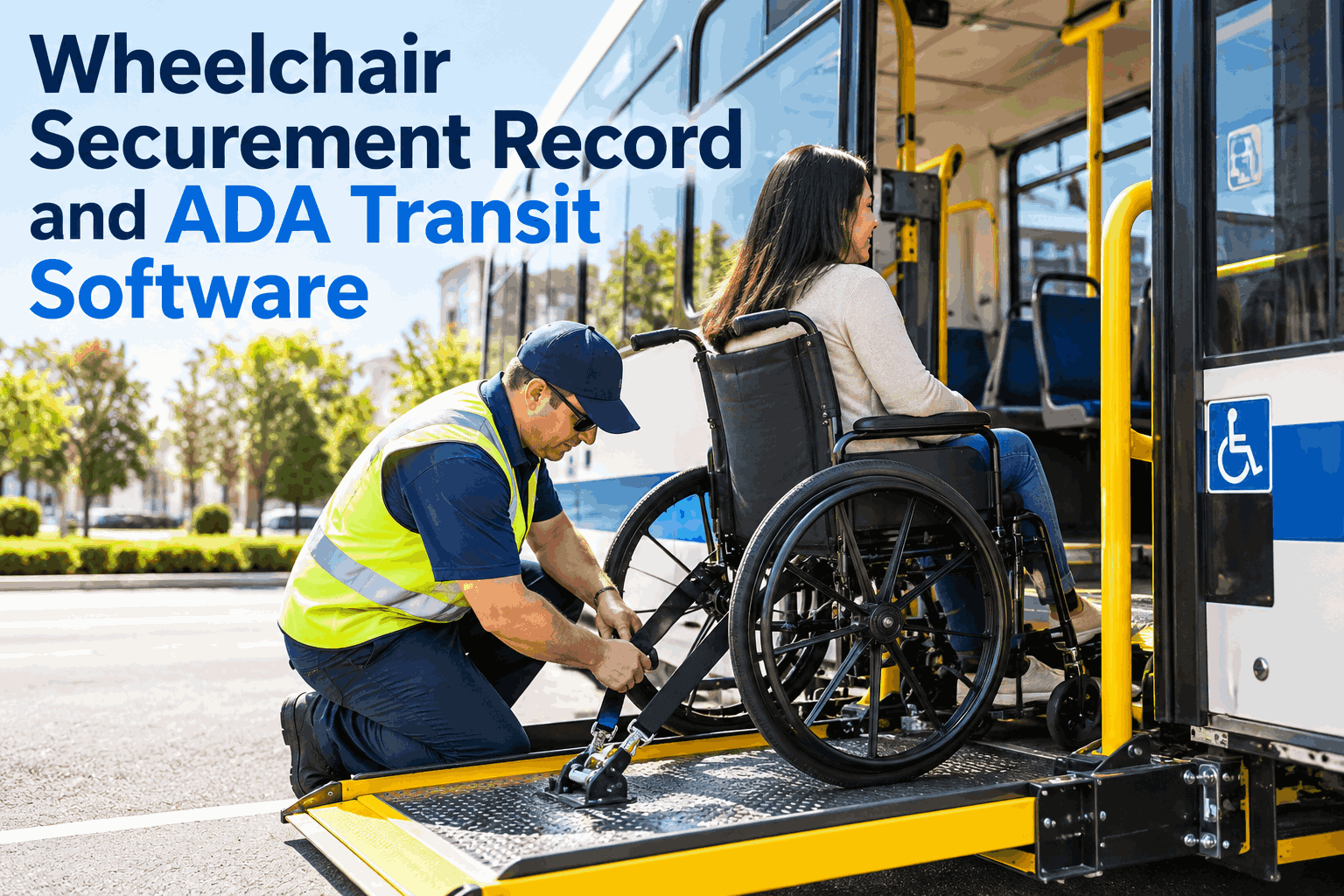
Documented Monthly ADA Lift Audits
Track wheelchair ramp cycle verifications, interlock cutoffs, and hydraulic pressures electronically. Vehicles with unverified accessibility equipment are barred from automated dispatch assignment.
Hot Spare Dynamic Staging
Identify standby coaches parked in staging lanes based on fuel level, passenger capacity, and vehicle type. Enable dispatchers to deploy quick replacement assets within minutes of a roadside defect.
Operational Comparison: Manual Yard Boards vs. FleetRabbit Availability Engine
Operating a transit bus depot with dry-erase yard boards, printed gate manifests, and walkie-talkie radio checks creates costly launch delays and unassigned trips. Evaluate the structural difference between outdated dispatch methods and digitized transit fleet orchestration. Property managers can assess our pull-out dashboard by choosing to schedule an availability workflow demo or start testing readiness rules using our self-service portal sign up.
| Fleet Readiness Dimension | Legacy Yard Clipboards & Boards | FleetRabbit Availability Platform | Transit Agency Operating Outcome |
|---|---|---|---|
| Pull-Out Status Visibility | Manual radio check-ins & yard runner checks | Real-time digital status push from maintenance bays | 100% on-time yard gate rollouts |
| FTA Spare Ratio Calculation | Calculated retroactively on quarterly spreadsheets | Continuous real-time calculation vs PVR minimums | Prevents federal fleet cap penalties |
| ADA Lift Verification | Paper vehicle logs; forgotten inspection cycles | Automated pre-trip interlock check & digital proof | Guarantees zero accessibility violations |
| Battery-Electric Bus (BEB) Staging | Guesswork on state-of-charge vs route distance | Telematics range matching to assigned run block | Eliminates mid-route tow-ins from dead batteries |
| Midday Breakdown Swaps | Scrambling through the yard to find a road-ready coach | Automated hot-spare lane locator with run pairing | Restores passenger headway in under 10 minutes |
The 4-Step Yard Synchronization and Staging Lifecycle
FleetRabbit tracks transit vehicle flow from afternoon maintenance intake to morning line launch, giving agency dispatchers clear authority over every coach on the property.
Defect Ingestion & Triage
Drivers complete mobile post-trip DVIRs at the gate. Safety items immediately generate work orders, tagging out coaches and updating yard availability maps in seconds.
Overnight Bay Sequencing
Maintenance supervisors prioritize repairs against morning line-up needs. Preventive maintenance, quick bulb swaps, and brake adjustments are sequenced for rapid morning release.
Staging & Digital Clearing
As bays finish inspection checklists, coaches move to designated ready or hot spare lanes. The platform verifies accessibility compliance and fuel/charge levels before line clearing.
Gate Launch & Audit Log
Dispatchers assign verified road-ready buses to drivers via touchscreen terminals. Full service availability histories export to NTD compliance ledgers automatically.
Availability Drain Vectors: Where Transit Authorities Bleed Service Hours
Uncoordinated depot yards lose hundreds of revenue service hours annually through avoidable turnbacks, slow bay releases, and mismanaged battery range reserves. Isolating these bottlenecks provides agency leadership with a compelling justification for software deployment. Evaluate your municipality's spare fleet optimization potential by reserving an operational depot demo or launch your yard staging dashboard with our free account sign up.
Primary Sources of Transit Fleet Service Loss
Transit Fleet Management Features
Pair assigned block route mileage with real-time battery SoC to ensure zero mid-route range failures on zero-emission lines.
Equip operators with gate kiosk check-ins that pair their employee badge directly to their cleared vehicle assignment.
Coordinate spare vehicle transfers between central heavy-maintenance shops and satellite commuter satellite garages.
Transit Agency Service Tiers and Deployment Options
FleetRabbit offers flexible fleet-availability software packages engineered for municipal micro-transit cutaways, university loops, and large metropolitan transit districts. Review our operational tiers below, register your supervisory personnel via our quick system sign up, or request a complete depot process review by arranging an agency operations demo.
Yard Starter
Mobile defect tracking, digital yard board, daily pull-out readiness alerts, and basic spare ratio calculation reports.
Transit Fleet Pro
Live bay-to-gate sync, automated hot spare sequencing, monthly ADA lift inspection logs, and FTA compliance auditing.
Metro Enterprise
Multi-depot rebalancing, CAD/AVL API synchronization, BEB battery charging telemetry, and dedicated compliance support.
Frequently Asked Questions on Spare Bus Availability
How does FleetRabbit help maintain FTA spare ratio compliance?
The system calculates active spare ratios daily by dividing standby rolling stock by required peak vehicle requirements (PVR). If scheduled PM inspections or out-of-service repairs cause your spare buffer to stray from the mandated 20% cap, automated alerts inform management before audits occur.
How are monthly ADA wheelchair lift inspections documented?
Technicians perform structured inspection passes using mobile shop tablets, recording hydraulic pressure checks, emergency manual release operations, and threshold interlock tests. The platform maintains a permanent audit trail, ensuring every bus assigned to a revenue block satisfies federal accessibility laws.
Can dispatchers prevent drivers from leaving the yard with unresolved defects?
Yes. If a pre-trip inspection uncovers a safety-critical red-tag item, FleetRabbit locks the coach's status instantly. The asset cannot be assigned to an active operator terminal or cleared for gate departure until a lead shop technician certifies that the work order is closed.
Does the platform integrate with on-board telematics and CAD/AVL software?
Yes. FleetRabbit offers modular APIs and telematics hooks that exchange vehicle location, odometer data, and engine fault codes directly with major transit dispatch systems, syncing maintenance clearance logs with your central transit CAD/AVL consoles.
Achieve Total Transparency Across Your Morning Fleet Pull-Out
Prevent missed run blocks, automate federal spare ratio tracking, and safeguard public transit reliability with FleetRabbit's unified platform. Get started today with no expensive hardware lock-in.