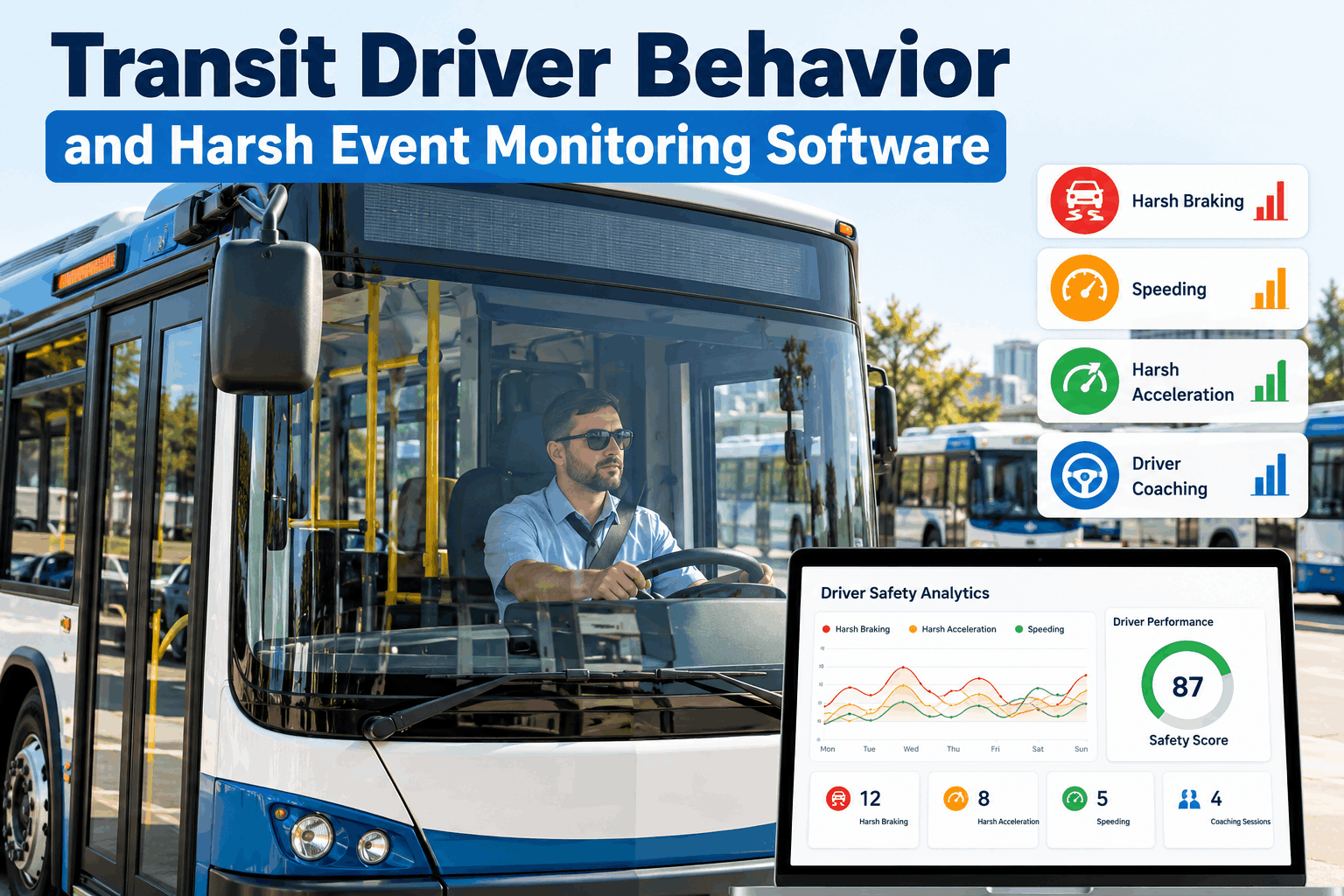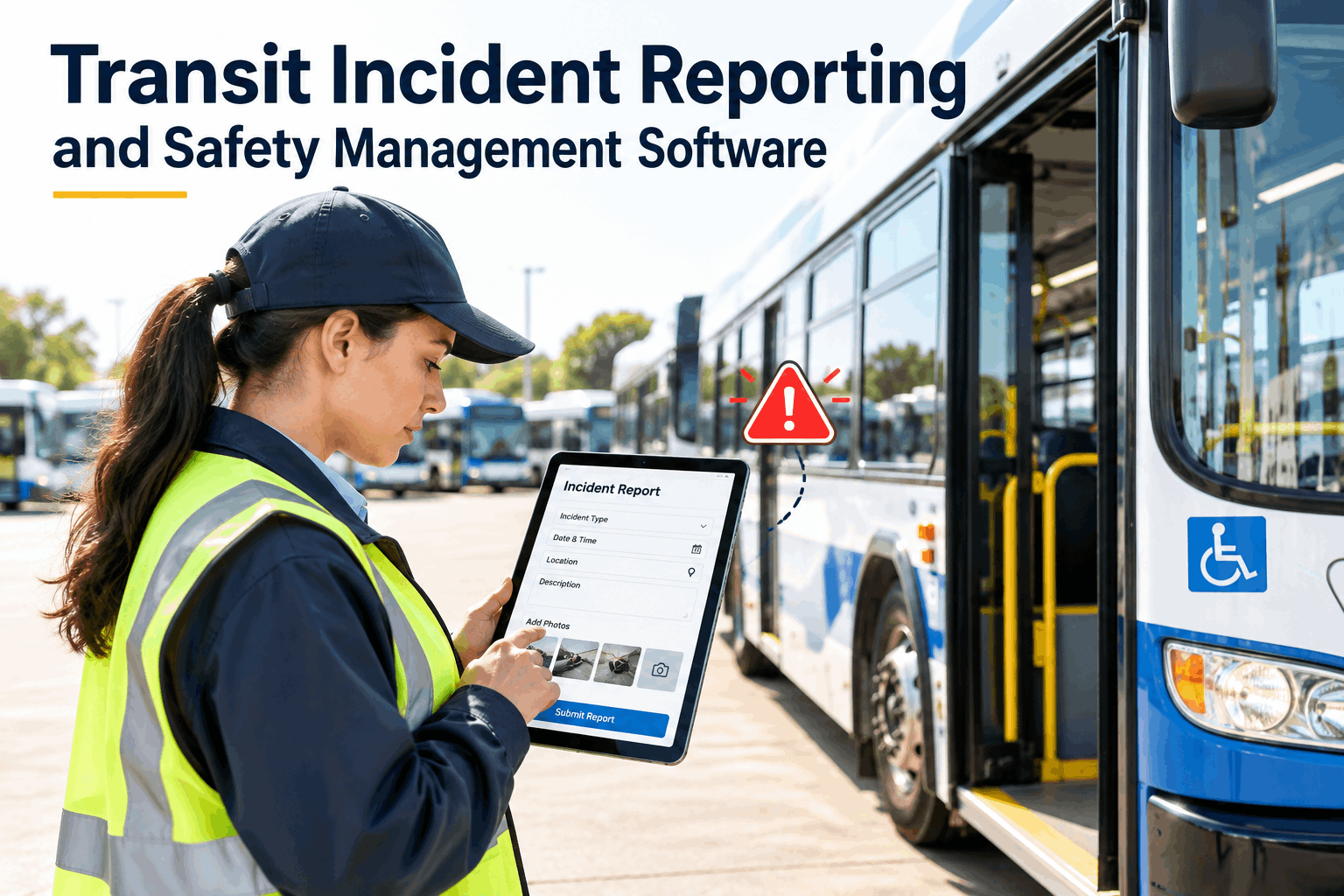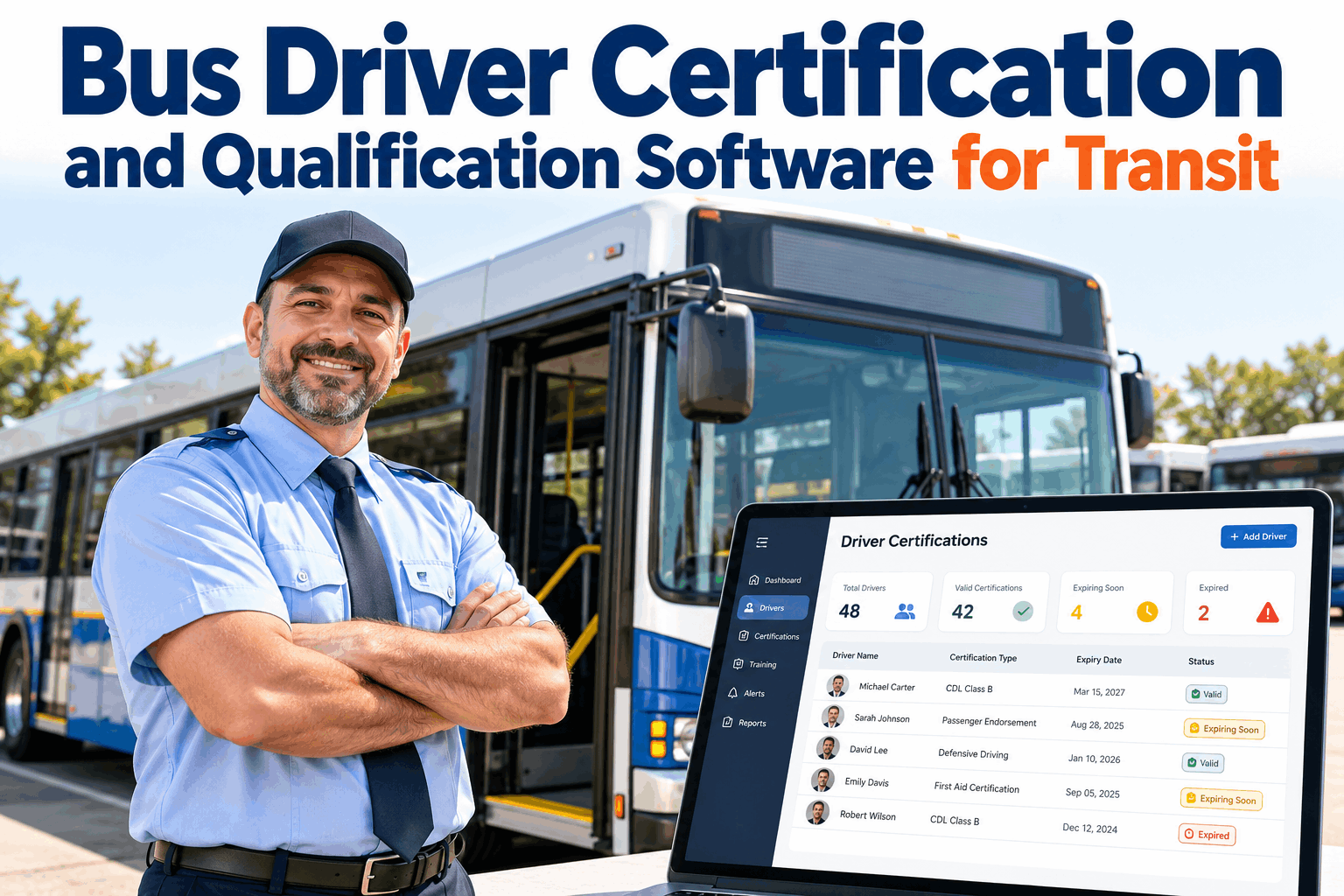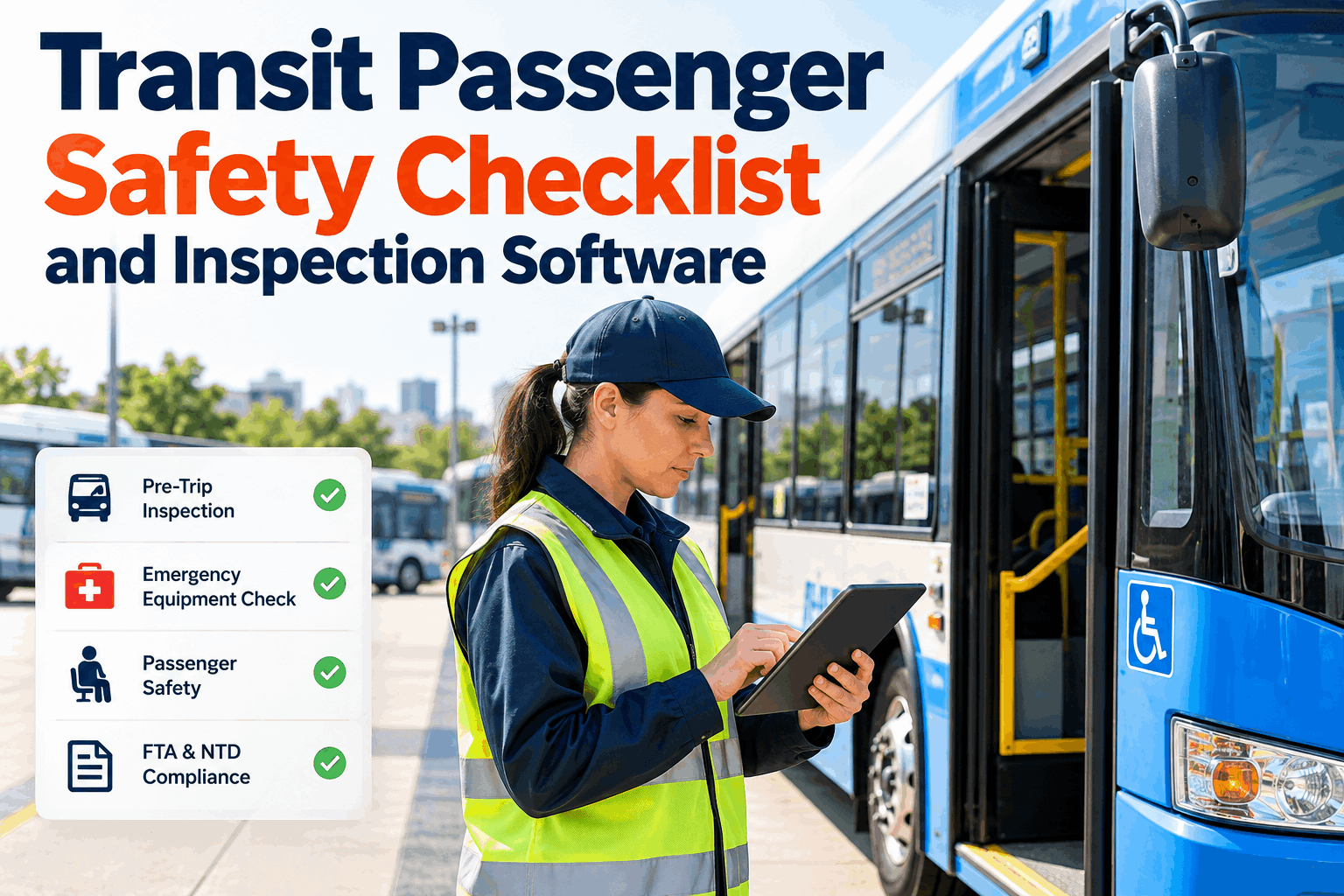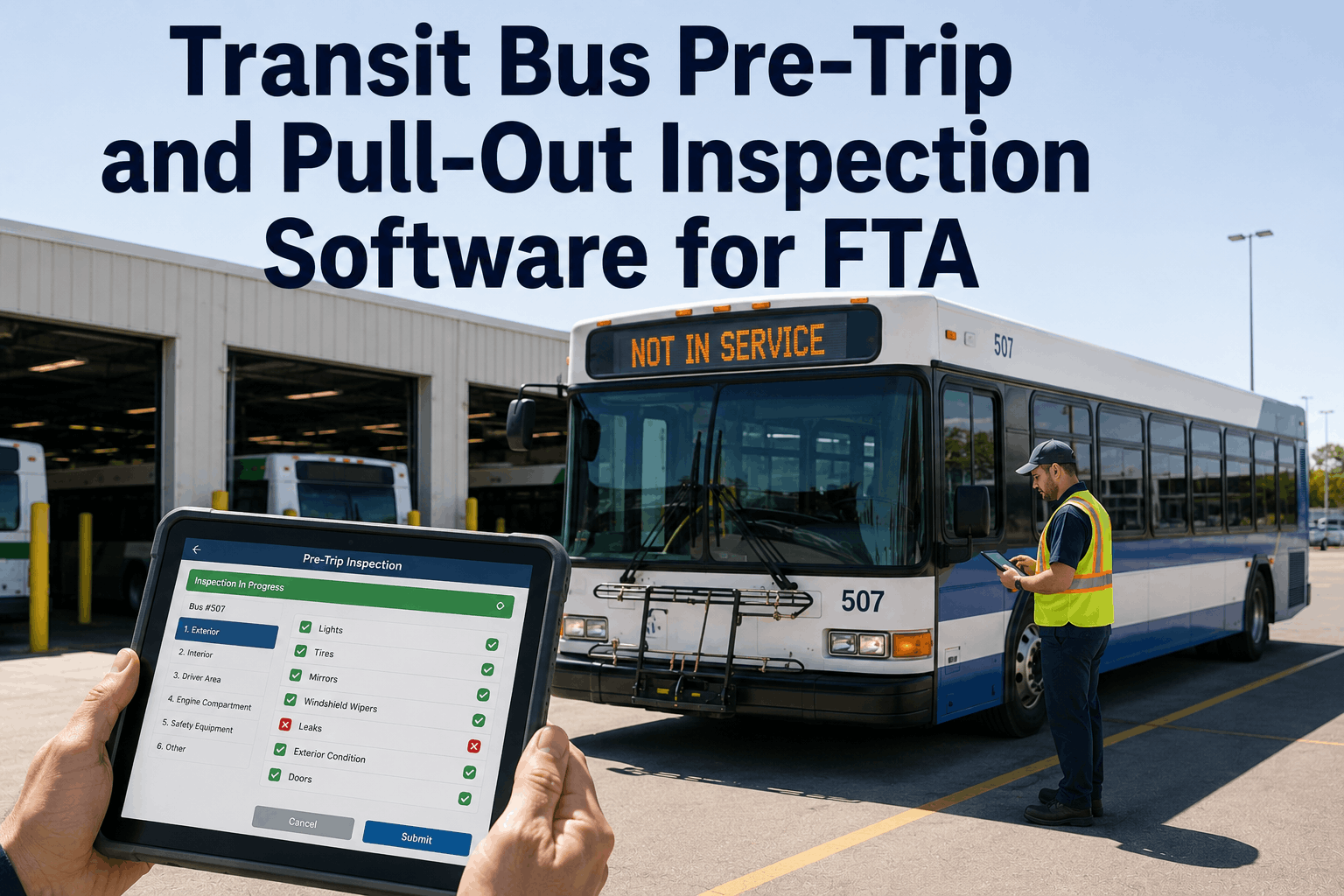
At 5:02 AM a driver walks a cold bus in the dark with a flashlight and four minutes before pull-out. What they find in that walk-around decides whether a wheelchair rider gets picked up on time or a bus limps back to the yard mid-route. FleetRabbit's transit bus inspection software turns that walk-around into a guided pre-trip and pull-out process, so every zone gets checked, every defect gets routed instantly, and nothing leaves the yard on a hope.
Under 49 CFR 396.11 and 396.13, a driver cannot start a new pre-trip until the prior day's DVIR has been reviewed and certified, and every commercial bus driver has to be satisfied the vehicle is safe under 49 CFR 392.7 before it moves. As of March 2026, FMCSA's rule under 49 CFR 396.11 and 396.13 formally authorizes electronic DVIRs, closing the door on paper being treated as the only defensible record. Agencies that sign up replace the clipboard with a guided digital walk-around that cannot be signed off with a zone left unchecked.
The five-zone pre-trip walk
Transit buses carry checks a standard truck inspection was never built for
Front Door & Farebox
Door cycle, farebox function, driver barrier
Kneeling System
Full kneel and return, air pressure hold
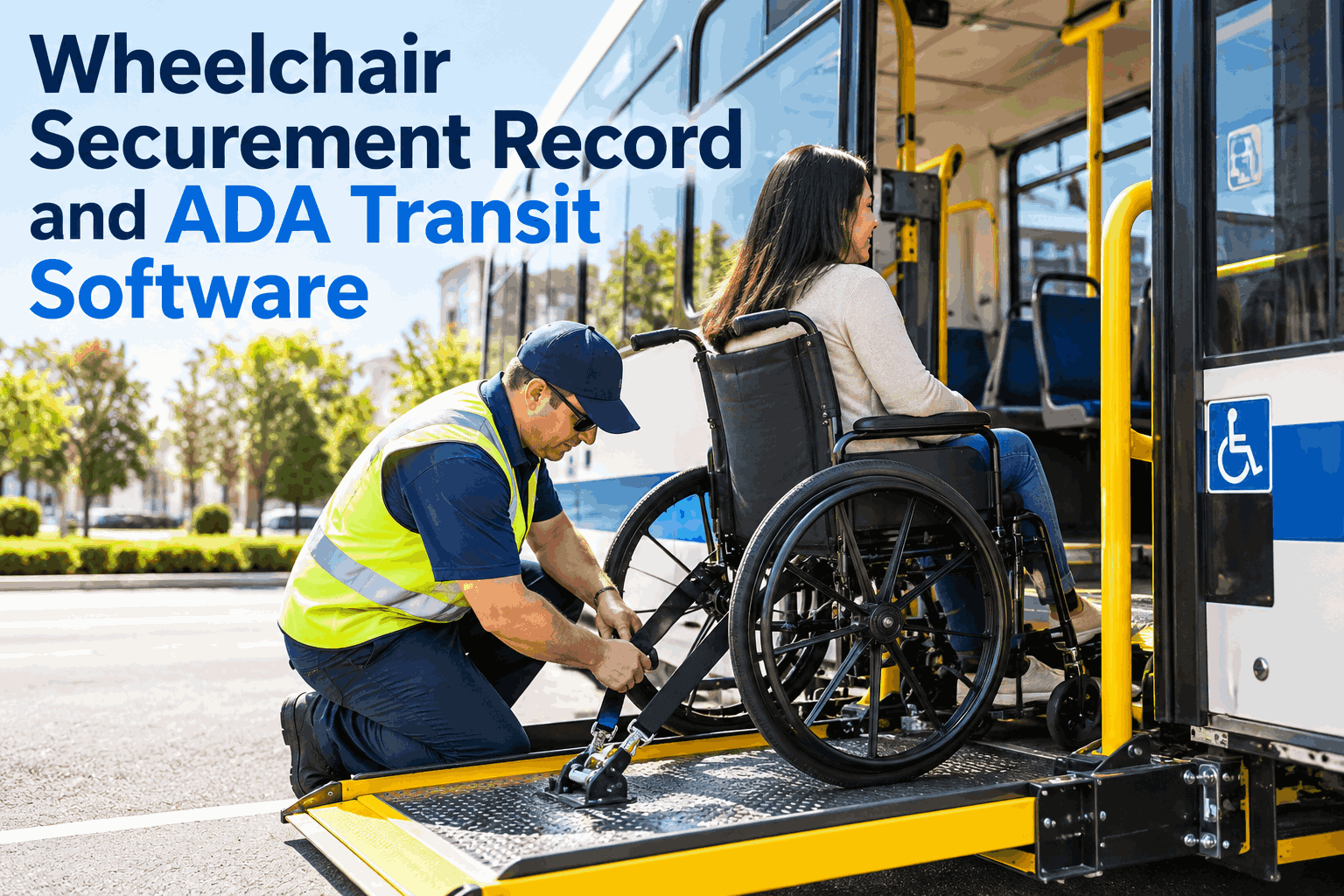
Wheelchair Lift Bay
Deploy, load simulate, stow, interlock check
Rear Door & Exits
Emergency exits, rear door sensor, signage
Interior & Cab
Brakes, steering, mirrors, lights, horn
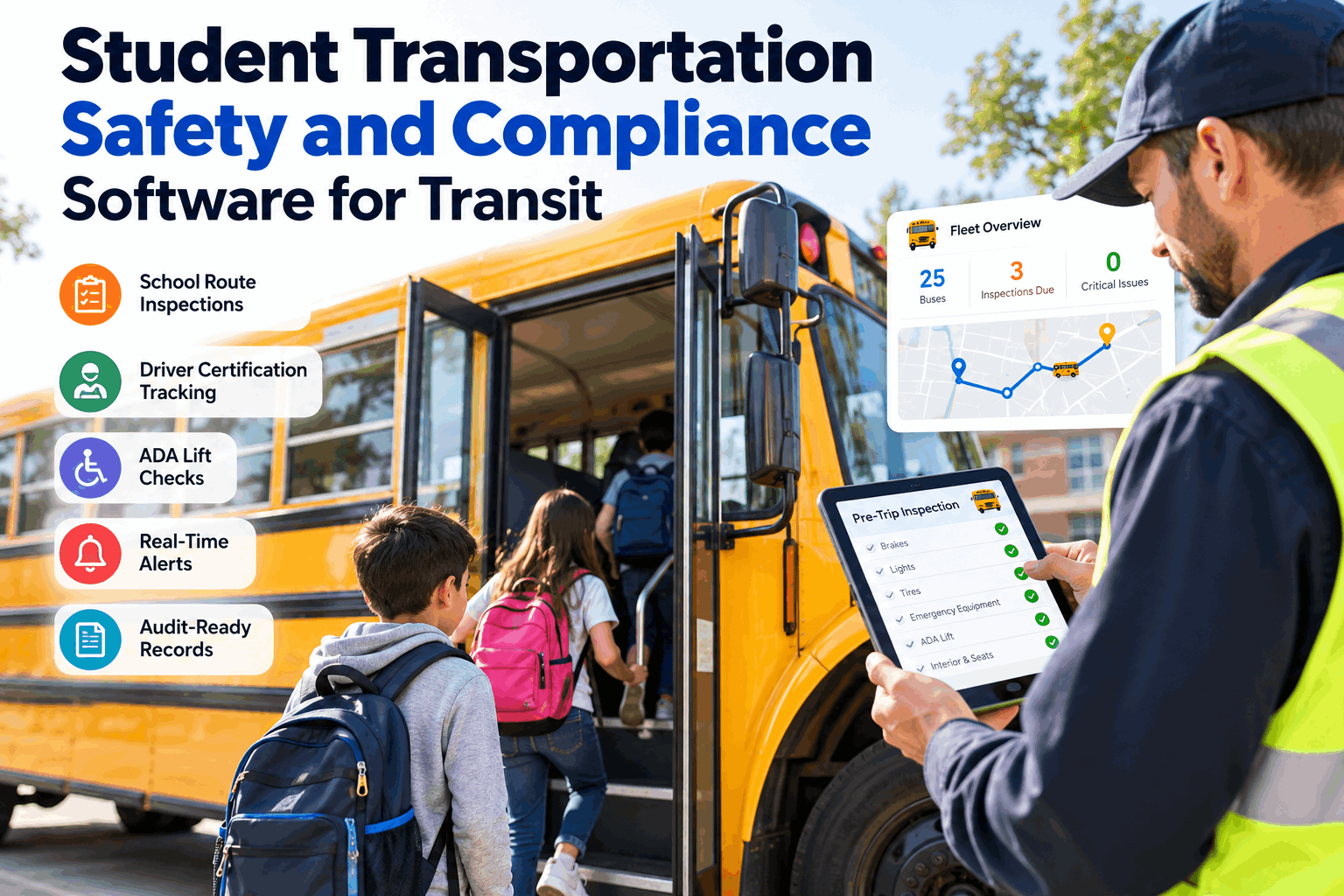
FleetRabbit builds the walk-around as a guided sequence on the driver's phone or tablet, zone by zone, so nothing gets skipped in the dark. Fleets that book a demo usually bring their worst paper DVIR from last month to compare against it.
From flagged defect to pull-out decision
A soft brake pedal at 5:04 AM should not sit in a backlog until Thursday
5:02 AM
Driver starts guided pre-trip walk-around
5:04 AM
Soft brake pedal flagged and logged with severity
5:05 AM
Safety-critical item routes to maintenance instantly
5:09 AM
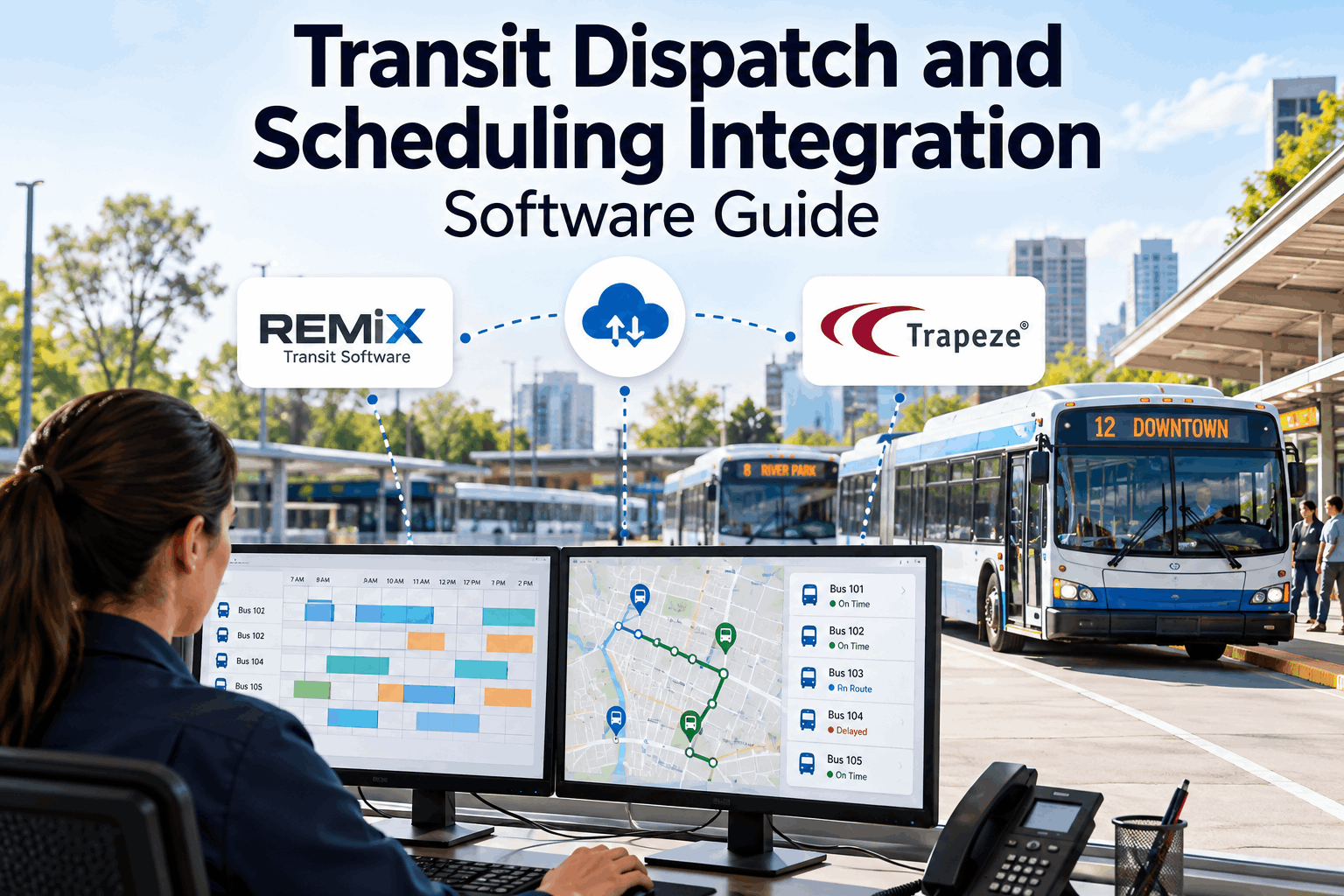
Dispatch sees the bus greyed out on the pull-out list
5:14 AM
Spare bus cleared for pull-out, no guesswork
Zero-tolerance items like brakes, steering, and emergency equipment should never be a judgment call made by a rushed dispatcher. When a driver signs up for FleetRabbit's digital DVIR, every safety-critical defect auto-generates a work order and blocks that bus from the pull-out list until a technician clears it.
Stop finding out about a grounded bus after it left the yard
See your own pull-out list running through FleetRabbit, live.
Why the walk-around matters more than it looks
18.1%
Of inspected vehicles placed out of service during the 2025 CVSA International Roadcheck
41%
Of those out-of-service violations traced back to brake defects
60%
Faster inspection time once fleets move from paper to a digital DVIR
Nearly every one of those violations is an item a proper transit pre-trip walk-around is designed to catch before the bus ever reaches a scale house. Agencies that book a demo often start there — walking through their own roadside inspection history against FleetRabbit's checklist.
Give every driver a pre-trip walk that cannot be signed off half-done
Free trial for your drivers, or a live walkthrough with your own fleet data.
Common questions
What is the difference between a pre-trip inspection and a DVIR
The pre-trip inspection is the physical walk-around a driver performs before pulling out. The DVIR is the written or digital record of that inspection, including any defects found, required under 49 CFR 396.11. One is the act, the other is the proof.
Are electronic DVIRs legally valid for transit agencies
Yes. FMCSA's rule effective March 23, 2026 explicitly authorizes electronic DVIRs under 49 CFR 396.11 and 396.13, so a digital signature and timestamped record carry the same weight as a paper form, with the added benefit of instant retrieval during an audit.
How often should the wheelchair lift be cycled during pre-trip
FTA best practice calls for a full deployment cycle before every day of revenue service, not a visual check. That means powering up, extending, lowering, raising, and stowing the lift under load simulation, every single morning.
What happens when a driver flags a safety-critical defect
A brake, steering, or emergency equipment defect should trigger a zero-tolerance rule. With FleetRabbit, that defect routes to maintenance the moment it is logged and blocks the bus from the pull-out list until a technician resolves and clears it.
How long do DVIR records need to be kept
Standard DVIR records are generally kept for at least three months, while annual inspection records need roughly fourteen months of retention. A digital system like FleetRabbit stores every record indefinitely, so retention windows stop being something anyone has to track manually.