Municipal transit agencies, regional bus authorities, and commuter rail feeder networks operate under relentless regulatory scrutiny and public accountability. Maintaining high morning pull-out reliability while managing stringent Federal Transit Administration (FTA) oversight demands complete synchronization between dispatch desks, maintenance depot bays, and federal reporting systems. When transit properties rely on disconnected scheduling programs, manual paper Driver Vehicle Inspection Reports (DVIRs), and siloed garage databases, agency leadership faces unbudgeted deadhead mileage, missed peak headway windows, and grueling National Transit Database (NTD) annual filing audits. Modern cloud-native transit analytics software automates schedule adherence tracking, bridges vehicle CAN-bus health directly to garage work orders, and compiles audit-ready NTD compliance datasets in real time. To discover how our platform eliminates transit reporting friction, book a live demonstration with our public transit specialists or configure your agency routes with our free platform sign up.
Automate NTD Reporting and Eliminate Morning Service Disruptions
Coordinate transit dispatchers, depot technicians, and compliance directors inside one intuitive cloud console starting from $3/vehicle/month with no hardware lock-in.
The Multi-Layered Challenge of Transit Operations & Federal Oversight
Passenger transit authorities manage a continuous operational loop where mechanical condition directly impacts passenger headway and federal funding eligibility. Failing to dispatch scheduled revenue vehicles on time leads to passenger overcrowding, community complaints, and city council intervention. Simultaneously, federal grant funding hinges directly on producing accurate, auditable vehicle revenue miles (VRM), vehicle revenue hours (VRH), unlinked passenger trips (UPT), and Transit Asset Management (TAM) asset condition ratings. When transit systems rely on fragmented spreadsheets and manual logbooks, agencies face audit write-downs and administrative fatigue. Transit directors can streamline federal reporting by scheduling a tailored transit analytics demo or evaluate live scheduling metrics through our quick platform sign up.
Automated Vehicle Revenue Mileage (VRM & VRH)
Manually separating deadhead yard travel from true revenue service hours wastes hundreds of staff hours and introduces human reporting error. FleetRabbit ingests geofenced route schedules and vehicle CAN-bus odometers to automatically segment deadhead and revenue miles according to NTD specifications.
Morning Pull-Out Assurance & Gate Triage
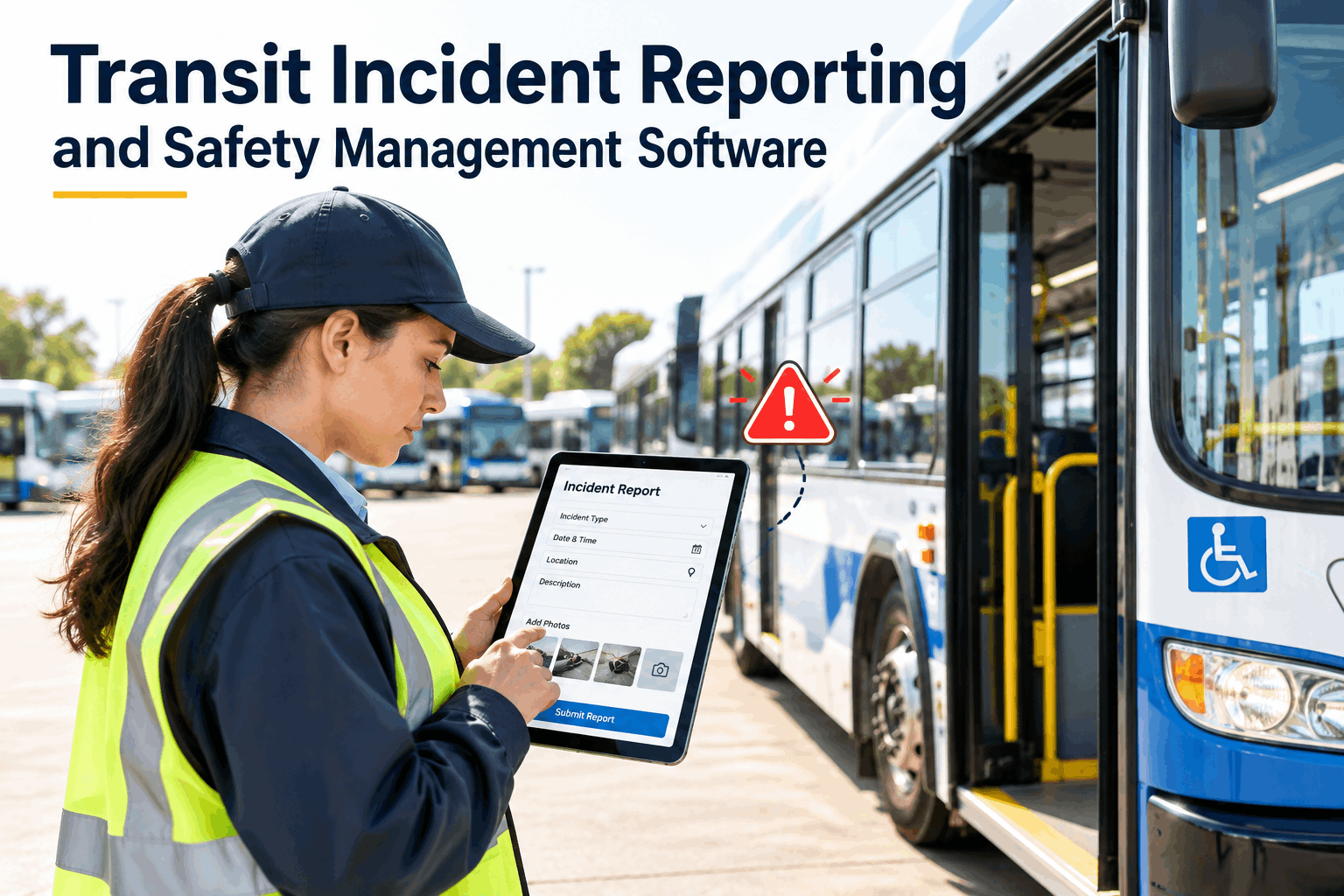
A single missing driver or overlooked hydraulic defect at 05:30 AM causes delayed school and work commutes across entire municipal corridors. Digital mobile walkarounds with mandatory photo verification feed directly into dispatch boards, automatically queuing backup vehicles before route gaps emerge.
Transit Asset Management (TAM) & SGR Scoring
Under FTA TAM rules, agencies must maintain detailed capital inventories with verified State of Good Repair (SGR) condition ratings using the TERM scale. The platform tracks component lifecycles, cumulative overhaul spend, and mechanical failures, generating ready-to-submit TAM asset dossiers.
Major Mechanical Breakdown Logging (Safety Event)
NTD safety reporting requires precise categorization of major mechanical system failures that cause revenue vehicle tow-ins or service cancellations. FleetRabbit links roadside work orders, wrecker dispatch timestamps, and mechanic repair root causes directly to federal reporting forms.
Performance Matrix: Legacy Transit Tools vs. FleetRabbit Connected Intelligence
Traditional computer-aided dispatch (CAD) and legacy garage software operate in separate databases, forcing compliance analysts to manually merge route manifests with maintenance invoices. See how unified transit fleet analytics elevates agency performance across core federal and operational benchmarks. Transit general managers can evaluate live compliance modules by requesting a demonstration session with our engineers or explore dispatch dashboards directly via our self-service sign up.
| Transit Operations Metric | Legacy Siloed CAD & Paper Garages | FleetRabbit Transit Platform | Agency Taxpayer Advantage |
|---|---|---|---|
| NTD Annual Data Assembly | 4 to 8 weeks manual staff reconciliation | 1-click compilation of certified datasets | Saves 250+ administrative staff hours |
| Peak Morning Pull-Out Verification | Radio calls, manual clipboard gates | Automated eDVIR gate release radar | Zero unmonitored bus departures |
| Deadhead vs. Revenue Mile Tracking | Estimated based on static route distance | Geofenced CAN-bus odometer validation | Maximized federal formula grant funding |
| Roadcall & Mechanical Failure Triage | Paper service slips; delayed triage | Real-time J1939 fault code broadcast | 38% faster roadside recovery time |
| Triennial Audit Preparation | Frantic multi-binder document searches | Centralized, timestamped cloud archive | Eliminates FTA audit findings |
4-Stage Transit Lifecycle: Gate Release to Federal Compliance
FleetRabbit standardizes transit fleet monitoring across the operating day, ensuring every vehicle departure, revenue trip, and maintenance event is captured under certified data models.
Pre-Trip Walkaround & Gate Clearance
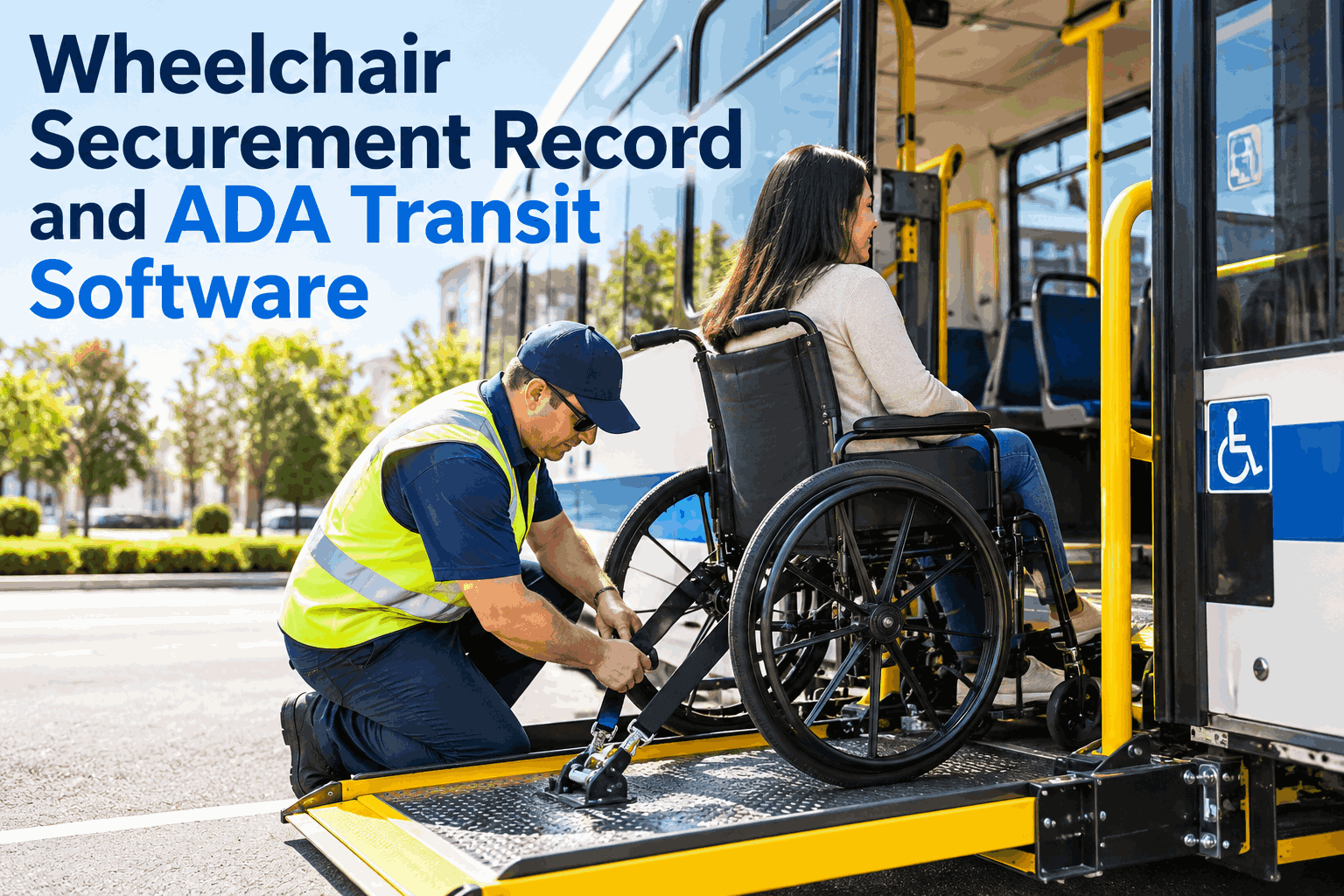
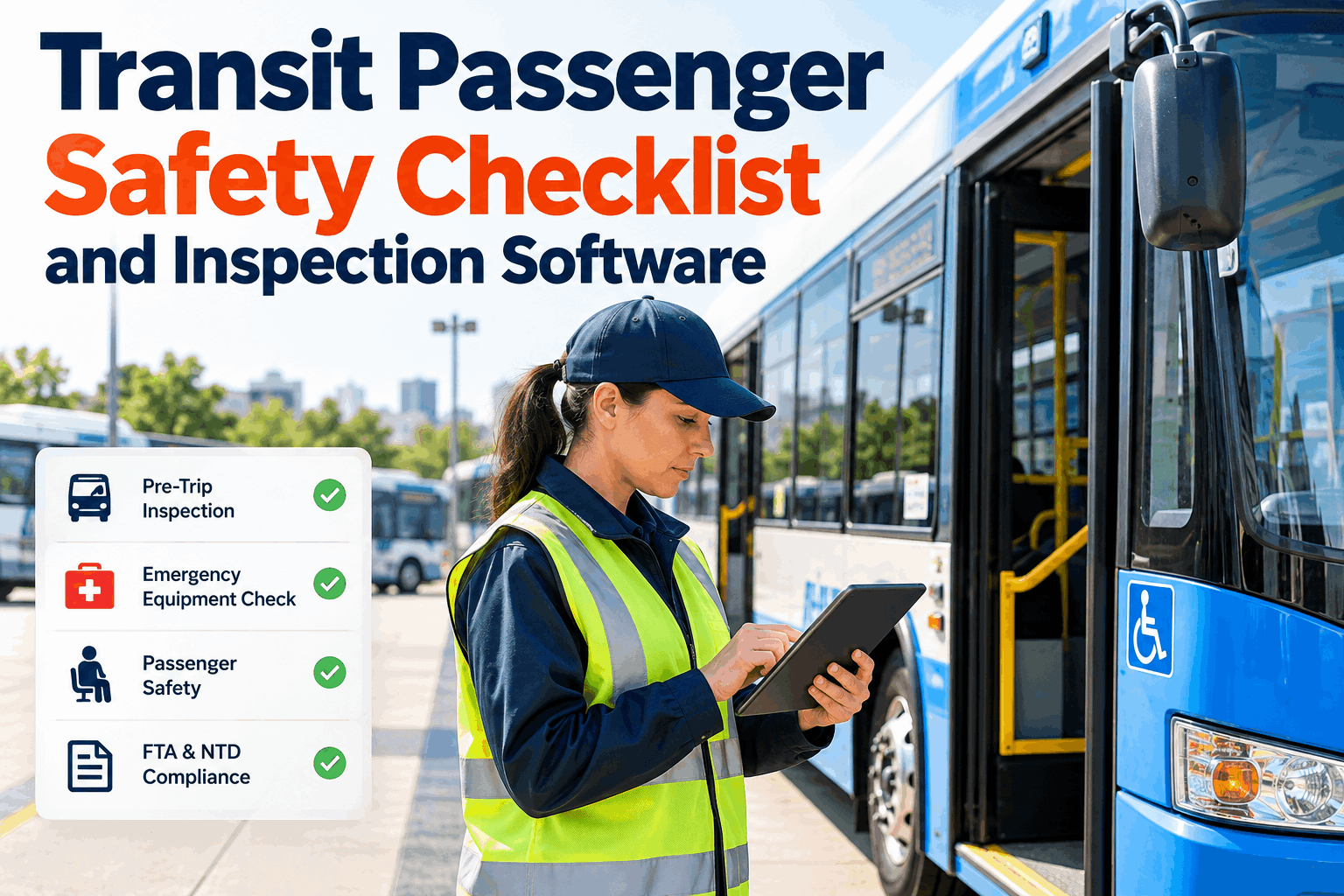
Drivers complete electronic vehicle inspections on standard mobile devices, verifying wheelchair ramp function, emergency exits, and brake air pressures. Passed units clear the gate automatically.
Geofenced Route & Headway Analytics
As vehicles transition from depot deadhead travel to scheduled revenue corridors, the system automatically begins tracking stop dwell times, passenger loads, and headway variances against target timetables.
Depot Health Sync & Service Bay Alert
Continuous engine telematics stream diagnostic trouble codes (DTCs), transmission temperatures, and hybrid battery performance back to central shop foremen, pre-staging maintenance bays before evening returns.
Automated NTD Ledger Export
At end-of-day, completed revenue miles, idle fuel burn, maintenance expenditures, and driver hours compile into structured NTD reporting formats ready for municipal and federal submission.
Transit Capital Recovery: Eliminating Operating Budget Drain
Uncontrolled deadhead travel, inefficient idling at transit hubs, and delayed defect remediation place immense strain on public transit appropriations. Understanding these root causes allows executive directors to present clear business cases to regional transit commissions and city councils. Measure your agency's potential cost recovery by arranging a tailored consultation demo or begin self-onboarding right away through our quick platform sign up.
Analysis of Public Transit Budget Waste Factors
Transit Compliance Capabilities
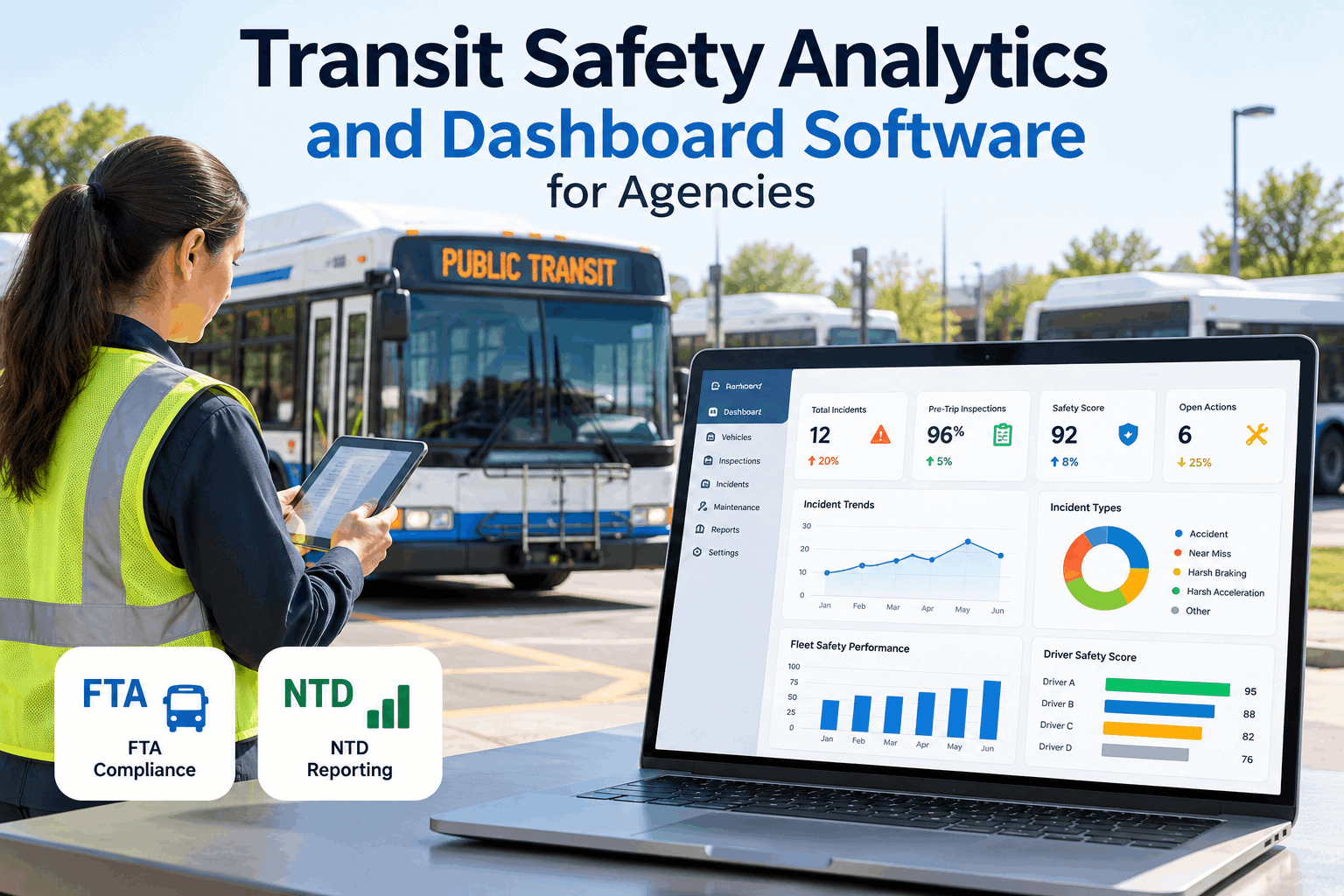
Generates pre-formatted datasets for NTD forms A-30, S-10, R-20, and F-30, eliminating manual spreadsheet re-entry.
Integrates seamlessly with existing in-cab modems, farebox computers, or standard OBD/J1939 diagnostic gateways.
Monitors kilowatt-hour discharge rates, regenerative braking efficiency, and depot charging status across zero-emission fleets.
Deployment Packages for Passenger Transit Authorities
Whether you manage a municipal paratransit service, a university shuttle system, or a multi-modal metropolitan regional transit authority, FleetRabbit provides flexible deployment packages matching your service scale. Explore deployment configurations below, register your agency leads through our system sign up, or request a complete multi-depot operational review by scheduling an executive transit demo.
Community Transit Starter
Mobile driver pre-trip walkarounds, passenger trip logging, scheduled maintenance alerts, and automated vehicle condition reports.
Transit Operations Pro
Peak morning pull-out radar, CAN-bus vehicle diagnostic triage, automated deadhead versus revenue mile classification, and one-click NTD report compilation.
Enterprise Metro Authority
Multi-depot garage synchronization, custom CAD/AVL API connectors, electric bus battery health monitoring, and dedicated FTA compliance support.
Frequently Asked Questions on Transit Analytics and NTD Compliance
How does FleetRabbit calculate Vehicle Revenue Miles (VRM) automatically?
FleetRabbit pairs continuous GPS geofences with connected vehicle CAN-bus odometer feeds. When a transit bus exits the depot and enters its designated revenue route corridor, the system automatically begins logging revenue miles. Movement inside yards, maintenance test runs, or transit positioning is classified as deadhead travel according to NTD definitions.
How does the platform support FTA Transit Asset Management (TAM) compliance?
The software tracks capital asset values, service lives, and physical condition ratings on the standard 1-to-5 TERM scale. Maintenance events, rebuild invoices, and road call records update each asset's State of Good Repair (SGR) rating, producing audit-ready TAM dossiers for federal reviews.
Can our maintenance team monitor electric buses alongside diesel coaches?
Yes. FleetRabbit provides a unified fleet dashboard that monitors high-voltage battery State of Charge (SoC), kilowatt-hour energy efficiency, charging station status, and diesel engine diagnostics in one centralized interface.
Does FleetRabbit replace our existing CAD/AVL dispatch system?
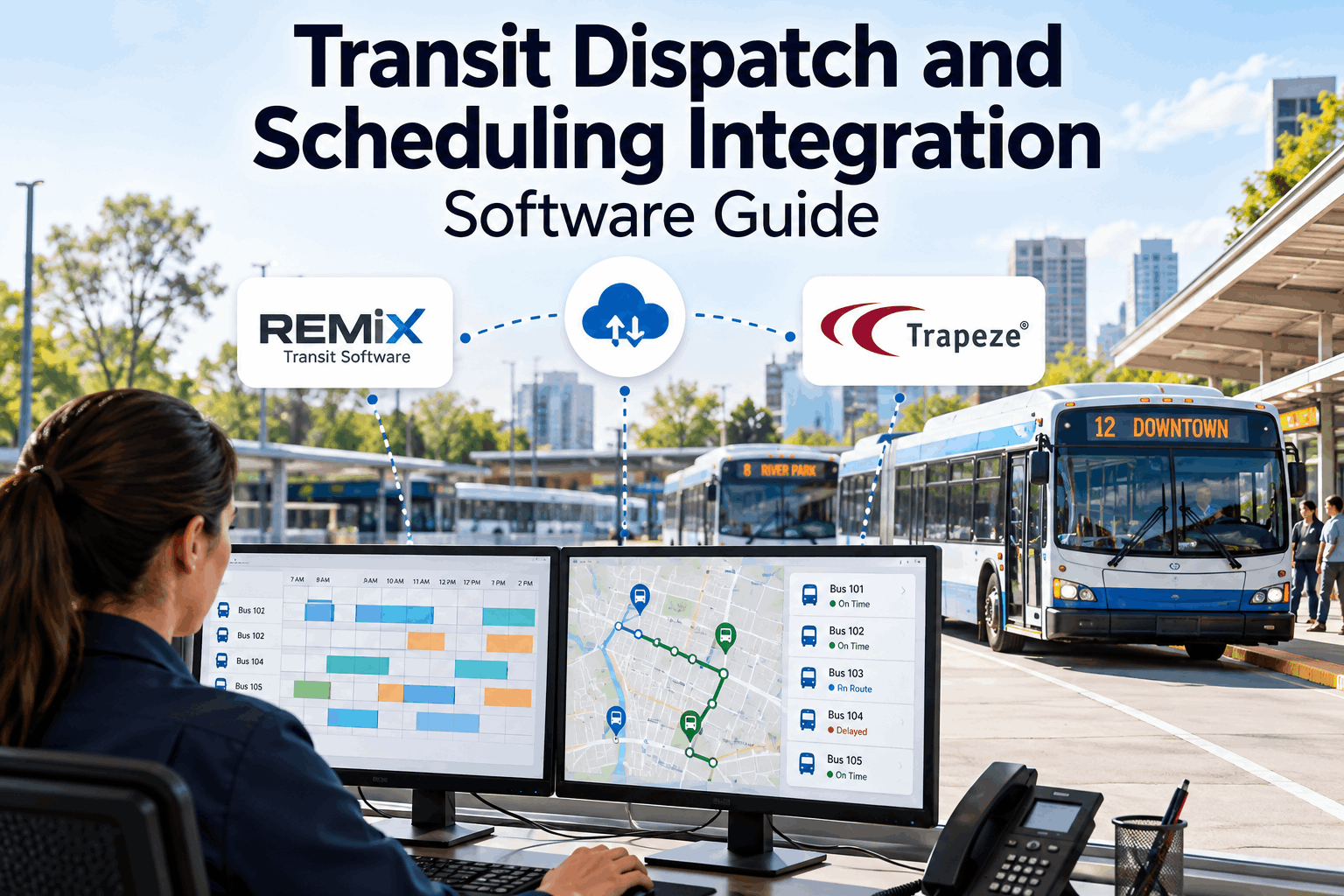
No, FleetRabbit is designed to work alongside your existing CAD/AVL software. It integrates via standard APIs to ingest dispatch feeds, pairing operational headway data with garage maintenance work orders, driver safety walkarounds, and federal NTD reporting ledgers.
Upgrade Your Transit Operations with Connected Analytics
Eliminate missed morning pull-outs, streamline federal reporting, and ensure every public transit dollar is accounted for. Experience FleetRabbit today with zero proprietary hardware lock-in.