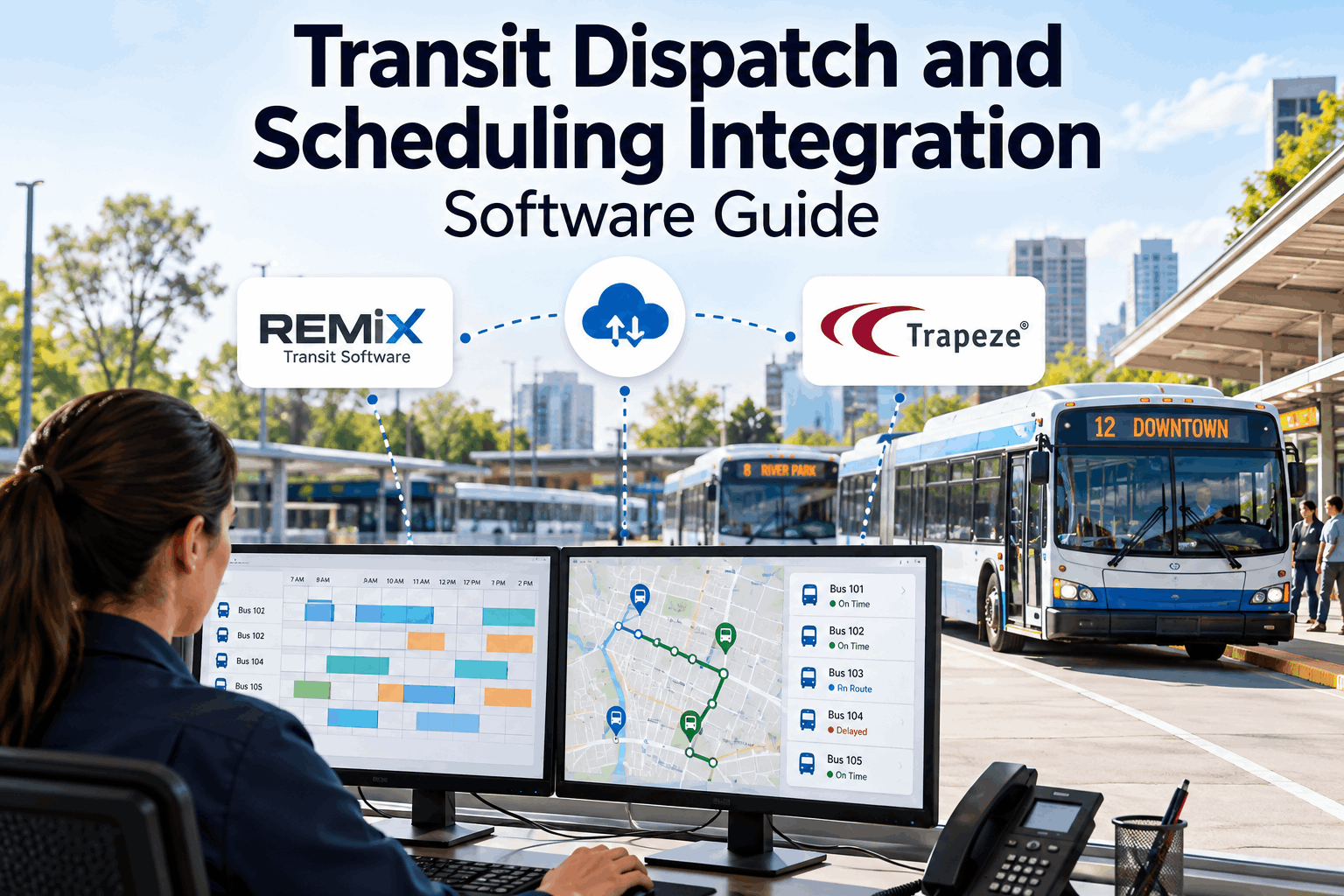
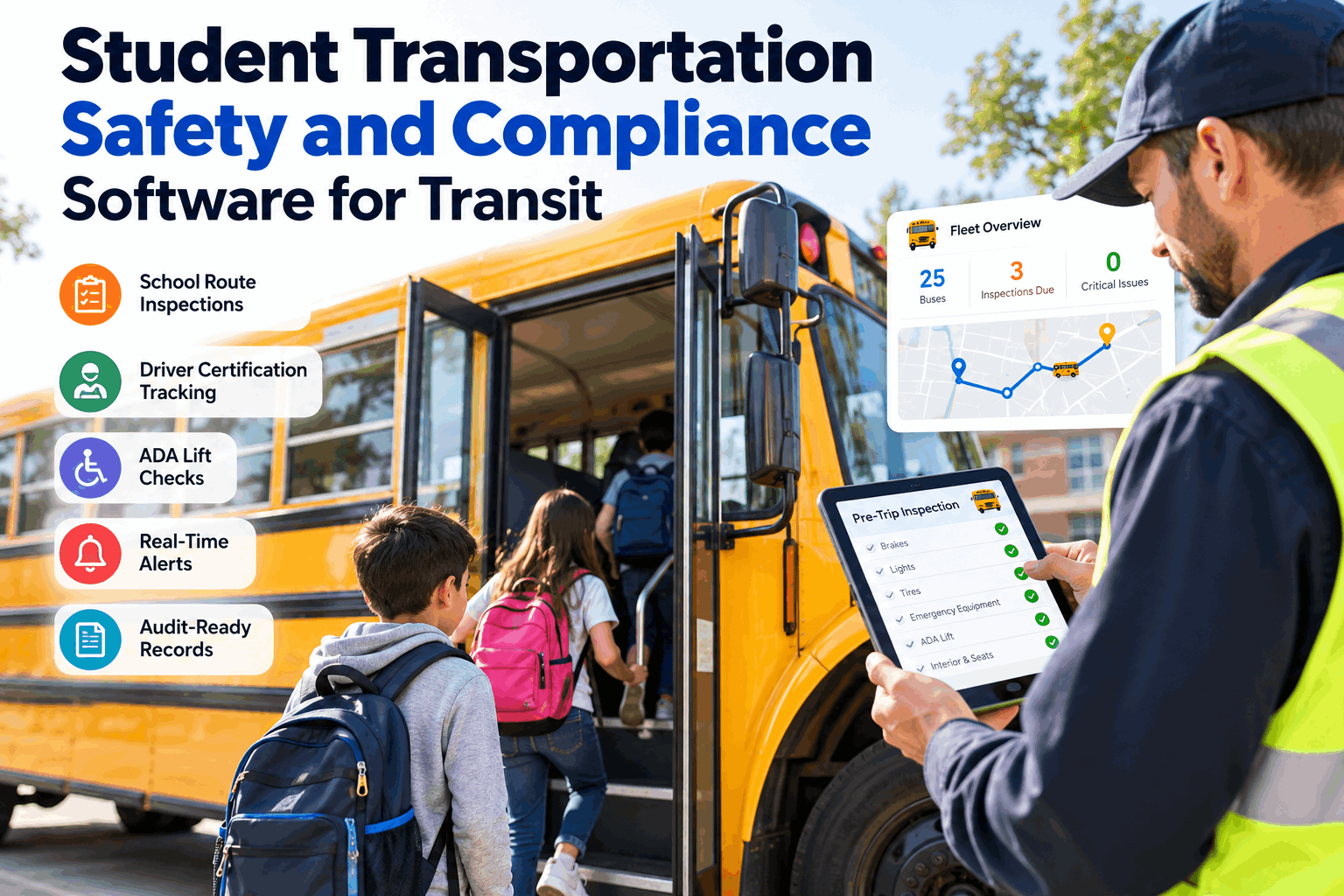
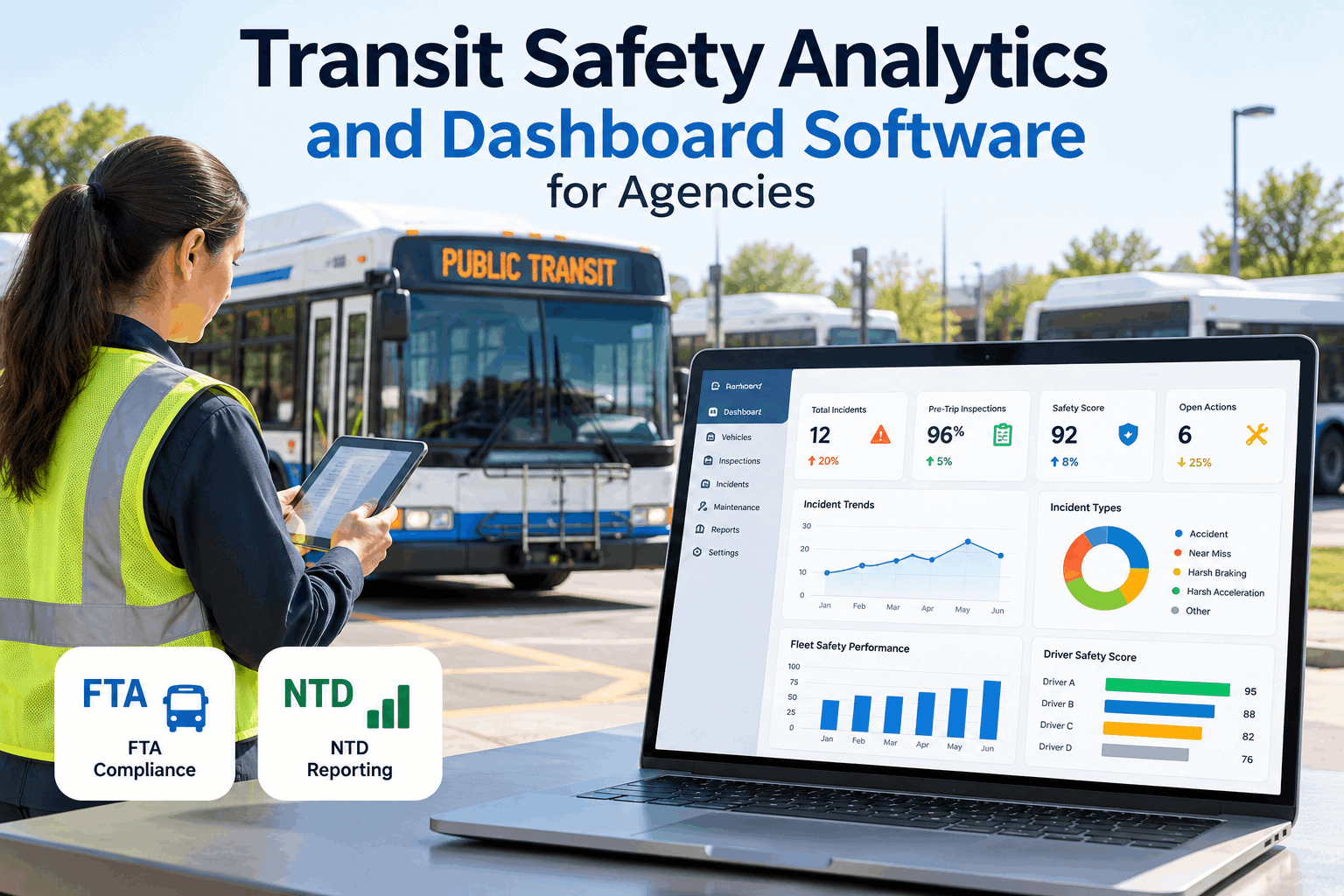
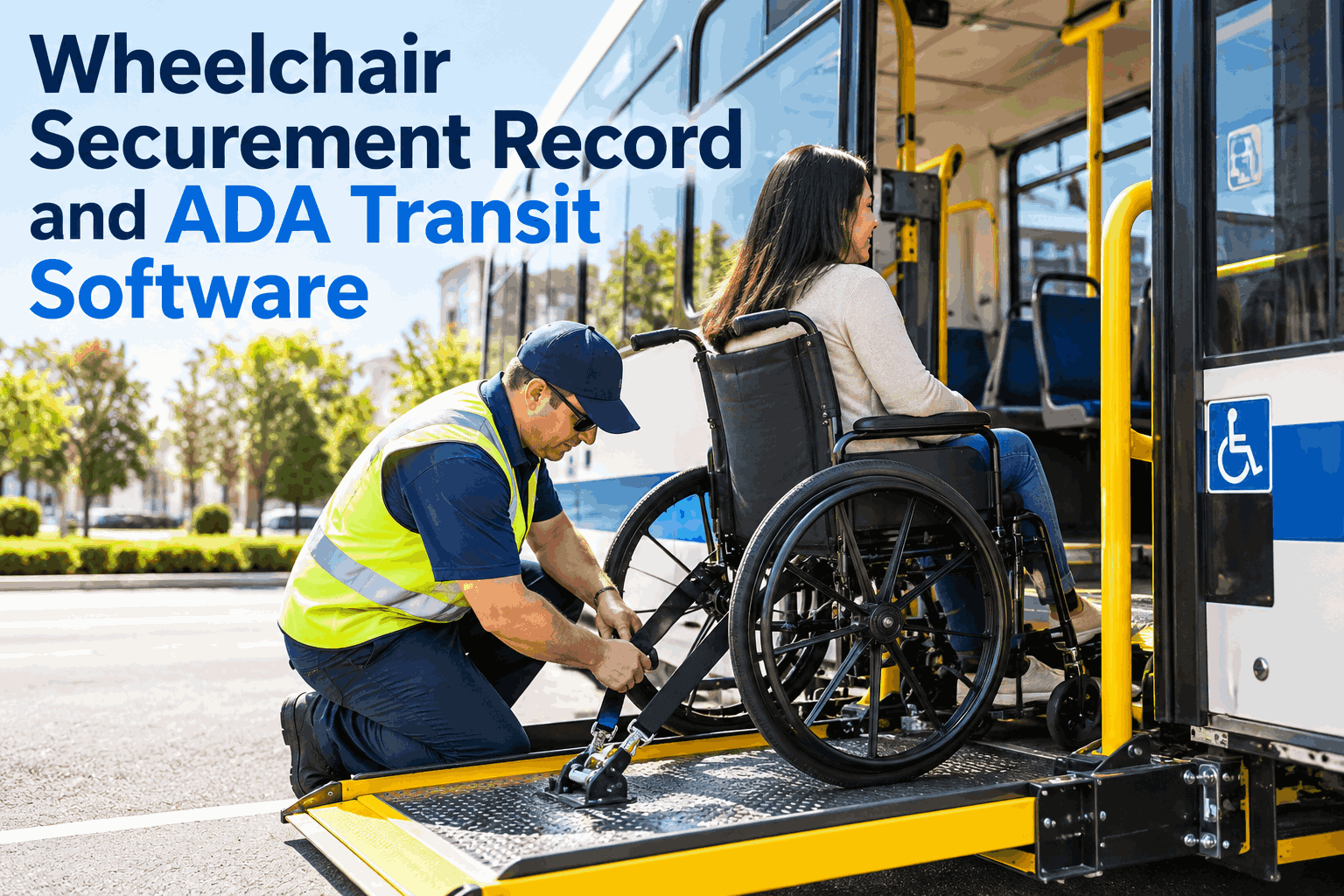
Municipal bus operators, regional transit authorities, paratransit providers, and rail shuttle services encounter unforgiving operational margins when tracking maintenance across heavy-duty passenger fleets. Coordinating scheduled PM inspections, unexpected roadside defects, technician shift assignments, and National Transit Database (NTD) mechanical breakdown records requires strict adherence to morning pull-out deadlines. Operating transit shops with paper defect cards, disconnected repair whiteboards, or generic maintenance trackers results in missed run blocks, unrecorded deadhead maintenance hours, and audit friction during federal compliance reviews. Dedicated transit work order software standardizes mobile pre-trip driver defect intake, prioritizes urgent safety repairs, and automatically synchronizes asset availability directly with yard dispatchers. To discover how our unified platform secures on-time pull-outs, book a live demo with our transit specialists or configure your maintenance bays immediately with our free platform sign up.
Transit Work Order and Shop-Management Software for Agencies
Eliminate bay-floor bottlenecks, automate SGR state-of-good-repair records, align mechanic work orders with morning pull-out schedules, and capture NTD-ready data in real time.
Modernize Your Transit Maintenance Operations and Pull-Out Reliability
Streamline shop workflows, eliminate road calls, and automate NTD asset reporting starting at $3/vehicle/month with no proprietary scanner lock-in.
The Transit Agency Dilemma: Red-Tags, Missed Pull-Outs, and Manual NTD Audits
Passenger transit maintenance departments manage heavy operational stakes that municipal utility garages rarely face. A single delay in releasing a 40-foot articulated coach or paratransit cutaway can trigger collapsed route frequency, cascade driver overtime, and degrade passenger trust. Maintenance bays frequently run disconnected from the dispatch window: technicians lack visibility into early morning vehicle assignments, while dispatchers assign buses without noticing pending brake or air-system safety defects. Without digitized, standardized shop tracking, transit directors lose hundreds of hours reconciling vehicle miles, road failure classifications, and maintenance work logs for Federal Transit Administration compliance reviews. Agency supervisors can observe how our tools bridge this shop-to-dispatch divide by requesting an interactive work order demo or configure multi-facility maintenance queues through our direct system sign up.
Driver DVIR & Work Order Creation
Turn pre-trip and post-trip electronic inspections into prioritized repair orders. Safety-critical faults automatically flag the yard dispatch board and assign mechanic work orders before morning pull-out.
Live Dispatch Yard Status Sync
Keep maintenance supervisors, lead mechanics, and dispatchers aligned. As technicians close brake adjustments or wheel-chair ramp repairs on tablet interfaces, vehicles update to available status immediately.
Automated NTD Breakdown Tagging
Log and classify major and minor mechanical failures per Federal Transit Administration reporting standards. Capture road call response times, tow requirements, and root causes without manual end-of-year data wrangling.
State of Good Repair (SGR) Tracking
Monitor lifecycle component health, structural rebuild milestones, and preventive maintenance intervals. Manage FTA Transit Asset Management (TAM) performance targets across all rolling stock classes.
Operational Comparison: Manual Shop Boards vs. FleetRabbit Work Order Intelligence
Operating a transit maintenance facility using dry-erase boards, clipboard defect tickets, and unintegrated shop software leaves agencies exposed to missed revenue service miles, roadside fires, and contentious union grievance reviews. Compare the structural difference between legacy transit maintenance practices and modern digital work order orchestration. Maintenance directors can evaluate our transit-specific PM schedules by scheduling an in-depth agency demo or begin configuring work order templates via our free portal sign up.
| Transit Maintenance Dimension | Whiteboards & Generic Garages | FleetRabbit Transit Work Order Engine | Agency Impact |
|---|---|---|---|
| Dispatch Alignment | Phone calls & delayed verbal handoffs | Instant bay-to-yard digital availability feed | Zero missed AM pull-outs |
| Road Failure Tracking | Paper service logs filed away manually | Automated major/minor NTD breakdown classification | Audit-proof FTA compliance |
| Driver Defect Ingestion | Paper carbon copies left on engine hoods | Instant mobile DVIR push to maintenance queues | Instant safety-critical containment |
| Shop Floor Labor Tracking | Estimated hours written on work orders | Touchscreen mechanic clock-in per repair task | Accurate bay wrench-time metrics |
| Preventive Inspection Adherence | Chasing mileage sheets across depots | Odometer-driven automated PM interval locks | Prevents component warranty forfeitures |
The 4-Phase Transit Maintenance & Revenue Readiness Cycle
FleetRabbit standardizes transit bus maintenance from initial driver sign-in to evening revenue pull-in, maintaining total data integrity across your entire passenger fleet.
Driver Pre-Trip & Defect Push
Drivers conduct electronic inspections via mobile tablets. Non-safety defects queue for scheduled maintenance, while critical braking, steering, or emergency exit faults hold the vehicle immediately.
Bay Triage & Parts Allocation
Supervisors review incoming faults, assign bay stalls, and attach needed repair kits—from HVAC blowers to air suspension valves—directly linking used components to the vehicle asset tag.
Technician Execution & QC Signoff
Mechanics follow digital inspection checklists, track labor down to the minute, record torque specs, and log quality control inspections before releasing the coach from the service stall.
Dispatch Release & NTD Capture
Cleared work orders automatically update the yard dispatch board for route assignment, while component failure classifications feed annual NTD safety reporting metrics.
Where Transit Garages Lose Maintenance Efficiency and Federal Grant Capital
Uncoordinated transit garages leak significant operational budgets each year through avoidable roadside breakdowns, chaotic parts inventory searching, and disorganized regulatory recordkeeping. Addressing these maintenance hurdles provides agency executives with a concrete business case for modernization. Discover your agency's efficiency potential by scheduling an operational shop assessment or test maintenance tracking immediately through our free tier sign up.
Leading Causes of Lost Revenue Service Hours in Passenger Fleets
Transit-Grade Shop Features
Schedule seasonal compressor, condenser, and heating system audits to satisfy passenger comfort standards and climate guidelines.
Track mandatory accessibility cycle counts, hydraulic pressure checks, and emergency interlock verifications per federal rules.
Manage specialized service checklists for CNG fuel tanks, hydrogen fuel cells, and Battery Electric Bus (BEB) high-voltage powertrains.
Transit Agency Service Tiers and Deployment Configurations
FleetRabbit provides work order tracking configurations designed to support local township demand-response providers, university shuttle networks, and major regional transit authorities. Review our software packages below, onboard your shop personnel using our quick platform sign up, or request an evaluation of your garage operations by setting up an executive transit software demo.
Transit Basic
Core electronic work orders, mobile driver defect reporting, basic PM reminder alerts, and parts chargeout tracking.
Agency Fleet Pro
Live yard dispatch pull-out status, automated NTD mechanical breakdown tagging, technician touchscreen clocks, and warranty tracking.
Enterprise Transit
Multi-depot maintenance routing, CAD/AVL CAD-dispatch integration, TAM state-of-good-repair analytics, and dedicated support.
Frequently Asked Questions on Transit Work Order Software
How does FleetRabbit assist with annual National Transit Database (NTD) reporting?
FleetRabbit automatically classifies road calls and mechanical failures into NTD Major Mechanical Failures and Minor Mechanical Failures during the repair closing process. At year-end, agencies generate certified NTD asset and failure summaries with a single click, eliminating manual logbook audits.
Can yard dispatchers see vehicle readiness before assigning routes?
Yes. The platform provides a real-time Dispatch Pull-Out Board that shows whether a coach is cleared, held for safety items, or currently undergoing open repairs in a maintenance bay. Dispatchers avoid assigning out-of-service vehicles to revenue runs, protecting route reliability.
Does the software support battery-electric and hybrid transit buses?
Yes. FleetRabbit includes configurable maintenance routines for electric buses, hybrid drives, and conventional diesel coaches. Track state-of-charge data, thermal battery loop inspections, high-voltage interlocks, and regenerative braking systems alongside standard chassis PMs.
Can our mechanics use rugged tablets or smartphones on the shop floor?
Yes. Mechanics can access FleetRabbit through any modern web browser or mobile tablet. They can clock into work order tasks, look up digital OEM wiring schematics, scan parts barcodes, and record inspection notes directly at the vehicle without walking back to a desktop computer.
Achieve Total Transparency Across Your Transit Shop Floor
Eliminate missed pull-outs, automate federal reporting, and keep your passenger fleet operating safely across every scheduled revenue mile. Launch today with no hardware lock-in.