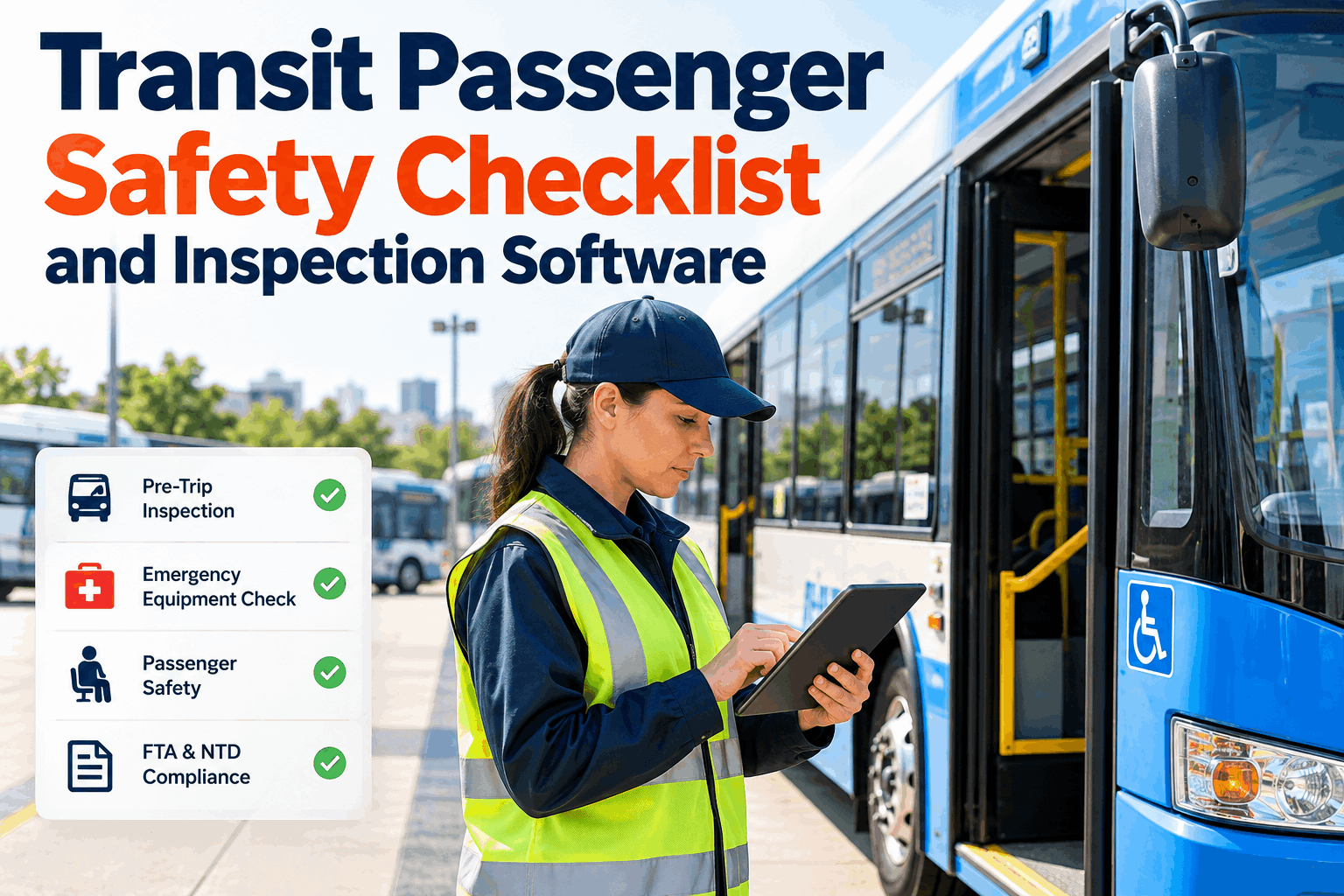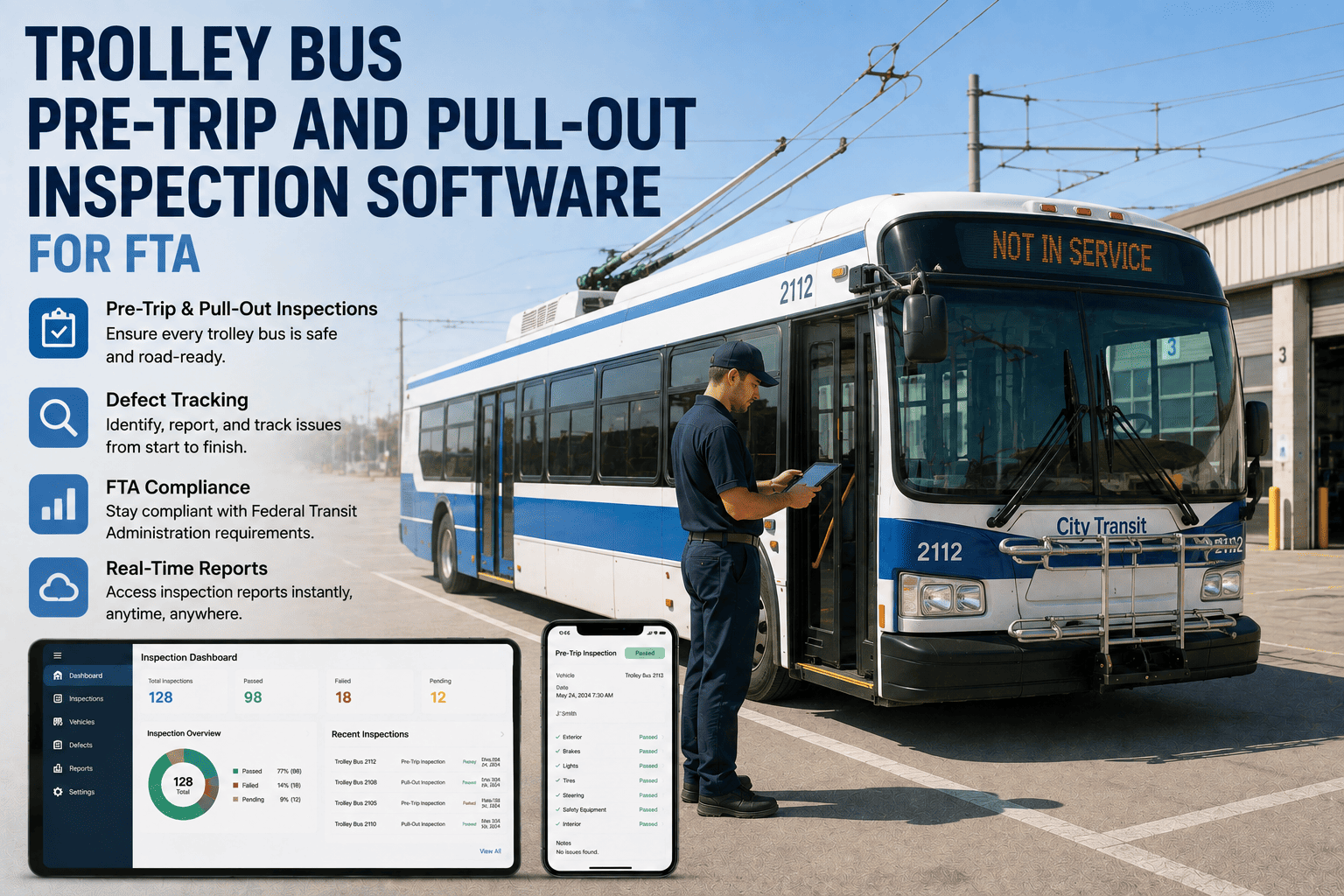
A trolley bus adds a layer to pre-trip inspection that a diesel or battery bus never has to deal with, an active electrical connection to the overhead wire that has to be checked before the vehicle draws a single amp. Miss a worn pole shoe or a grounding fault during pull-out and the result is not just a mechanical breakdown, it is a dewirement in the middle of a route or, worse, an electrical hazard for the driver and riders. FleetRabbit builds pre-trip and pull-out inspection specifically around what a trolley bus actually needs, not a generic diesel checklist with the word trolley swapped in. Agencies ready to see that difference can sign up and load their trolley fleet today.
Because a trolley bus is powered by an overhead line rather than an onboard tank, pull-out has to happen in a specific sequence, electrical safety first, then the standard vehicle checks, then a short road test before it takes on riders.
Yard power-up check
Confirm insulation resistance, grounding continuity, and that the traction motor and controller respond normally before poles ever touch the wire.
Pole and pantograph contact
Inspect pole shoes or pantograph contacts for wear, confirm spring tension holds steady contact, and watch for arcing on connection.
Short road test
A brief test run through the yard confirms smooth power delivery, braking response, and that the poles track the wire cleanly through turns.
Skipping straight to the road test without the electrical check first is exactly how a marginal insulation fault or a worn pole shoe turns into a mid-route dewirement. FleetRabbit enforces the order digitally, so a driver cannot mark pull-out complete without stepping through all three stages.
Four systems carry almost all of the electrical risk on a trolley bus, and each one needs its own dedicated inspection point rather than being folded into a general electrical check.
Trolley poles and pantograph
Shoe or contact wear, spring tension, and pole rope condition all affect how reliably the bus stays connected to the wire.
Insulation resistance and grounding
A degraded insulation reading is often the earliest warning sign of a developing electrical fault long before it becomes visible.
Traction motor and controller
Unusual noise, jerky acceleration, or inconsistent regenerative braking response often points to controller or motor wear.
Dewirement response readiness
Pole retrieval ropes, insulated gloves, and the driver's re-wiring procedure all need to be checked and ready before departure.
Agencies running mixed trolley and diesel fleets often try to force both types through the same checklist, which either wastes time on diesel buses or leaves gaps on trolley buses. Operators who want a checklist that actually splits by vehicle type can book a demo and see how FleetRabbit handles it.
Give trolley buses the pre-trip process they actually need
Electrical checks, pole contact inspection, and a guided pull-out sequence, all tracked digitally.
Pre-trip checks catch what changes day to day, but they still sit inside the wider PM-A, PM-B, PM-C schedule that governs deeper electrical and mechanical service.
| Tier | What it adds for a trolley bus |
|---|---|
| PM-A | Pole shoe wear check, brake inspection, fluid and tire condition |
| PM-B | Deeper insulation testing, controller diagnostics, suspension review |
| PM-C | Full traction motor service, structural inspection, annual electrical certification |
Keeping pull-out checks and the PM-A/B/C schedule in one connected system means a repeated pole wear flag at pull-out can automatically pull PM-B forward instead of waiting for the calendar to catch up. Fleets ready to connect the two can sign up and see it linked end to end.
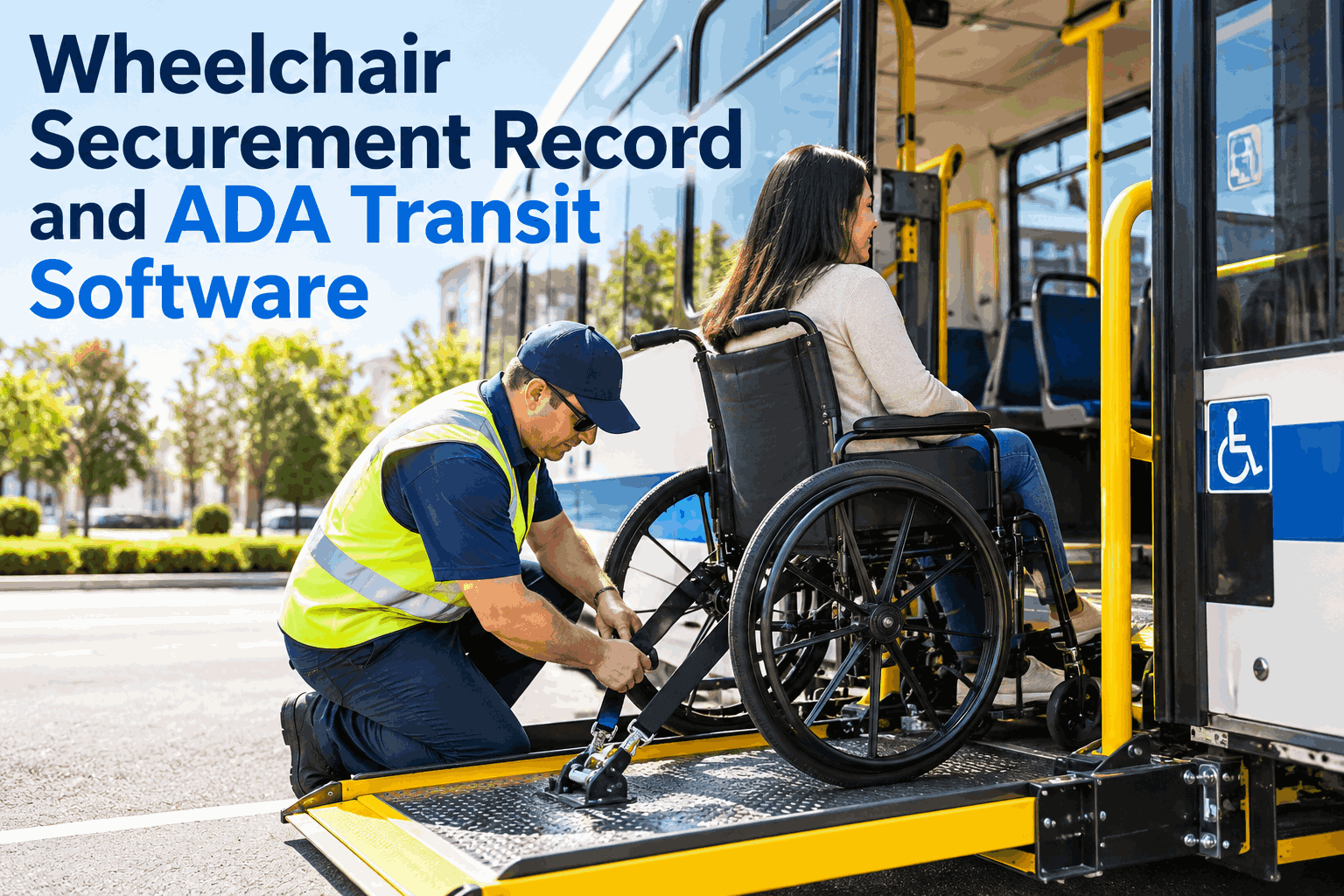
For trolley buses serving ADA riders, the wheelchair lift or ramp check remains a required part of every pull-out, regardless of the electrical checks already underway.
Full cycle test
Deploy and stow confirmed before the bus leaves the yard.
Interlock check
Vehicle movement blocked while the lift is extended.
Securement points
Tie-down anchors tested for tension and locking.
| Task | Manual process | FleetRabbit |
|---|---|---|
| Electrical pull-out sequence | Left to driver habit, easy to skip a stage | Enforced three-stage digital sequence |
| Pole and insulation checks | Buried inside a generic vehicle checklist | Dedicated trolley-specific inspection points |
| PM-A/B/C linkage | Tracked separately from daily checks | Pull-out flags can trigger PM tiers automatically |
| ADA lift pull-out check | Logged inconsistently | Required step before pull-out clears |
Teams that want to see this comparison against their own trolley roster can book a demo and bring their fleet numbers.
No more paper checklists for electrical pull-out safety
Digitize every trolley bus pre-trip stage from pole contact to road test.
Frequently asked questions
Why does a trolley bus need a different pre-trip process than a diesel bus
It draws power directly from overhead wires through trolley poles or a pantograph, which introduces electrical risks like insulation faults and pole wear that a diesel checklist does not cover.
What is a dewirement
It happens when a trolley pole loses contact with the overhead wire, which can interrupt power and, if the driver is not prepared, create a safety hazard during reconnection.
Why check insulation resistance during pre-trip
A declining insulation reading is often the earliest sign of a developing electrical fault, long before it causes a visible problem, so catching it early prevents a bigger failure later.
How does the pull-out sequence connect to PM-A/B/C scheduling
Repeated issues flagged during pull-out, like pole wear or controller irregularities, can be used to pull a PM-B or PM-C service forward instead of waiting for the next scheduled interval.
Does the ADA lift check still apply to trolley buses
Yes, any trolley bus equipped with a wheelchair lift or ramp needs the same daily functional cycle test and interlock confirmation as any other transit vehicle.