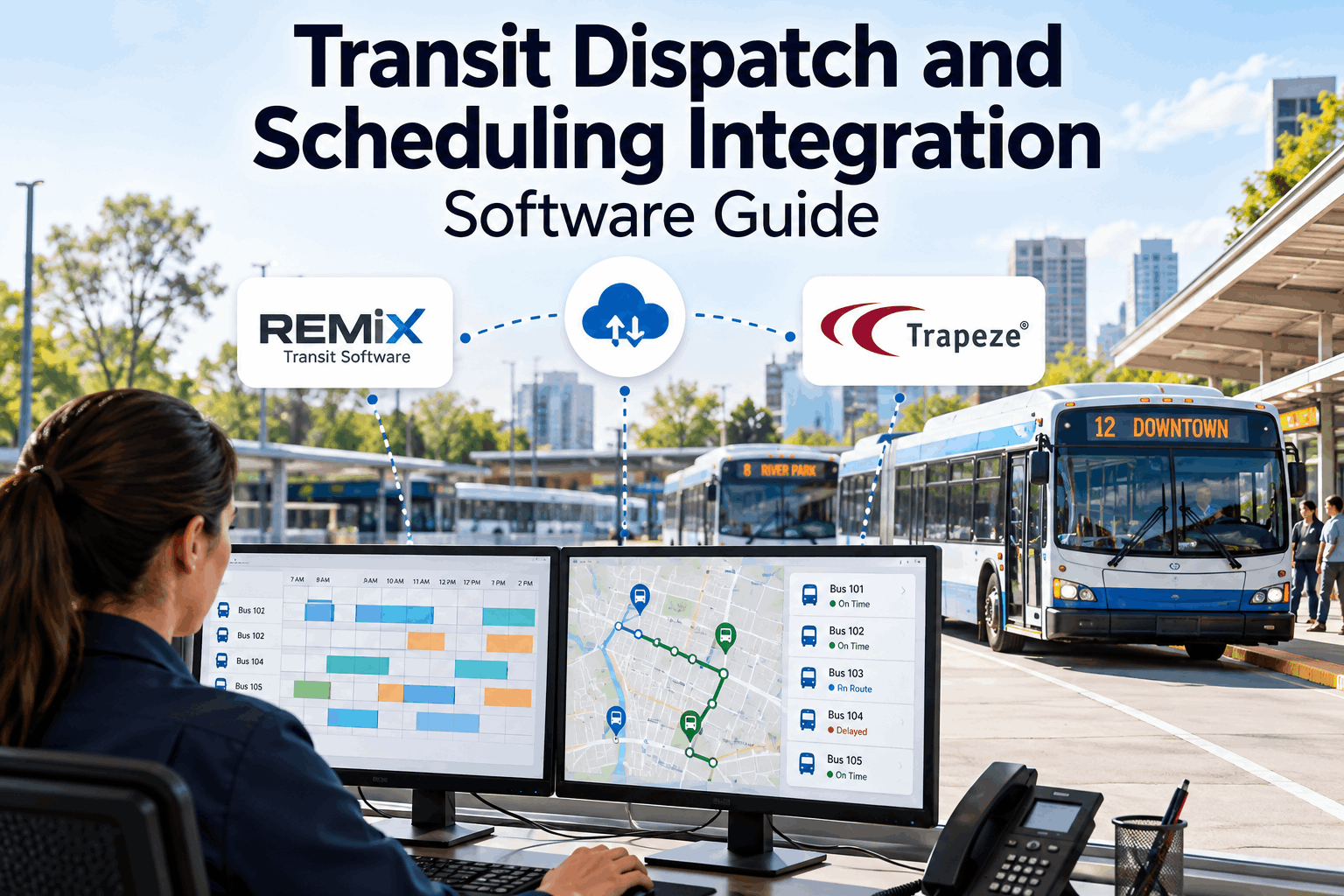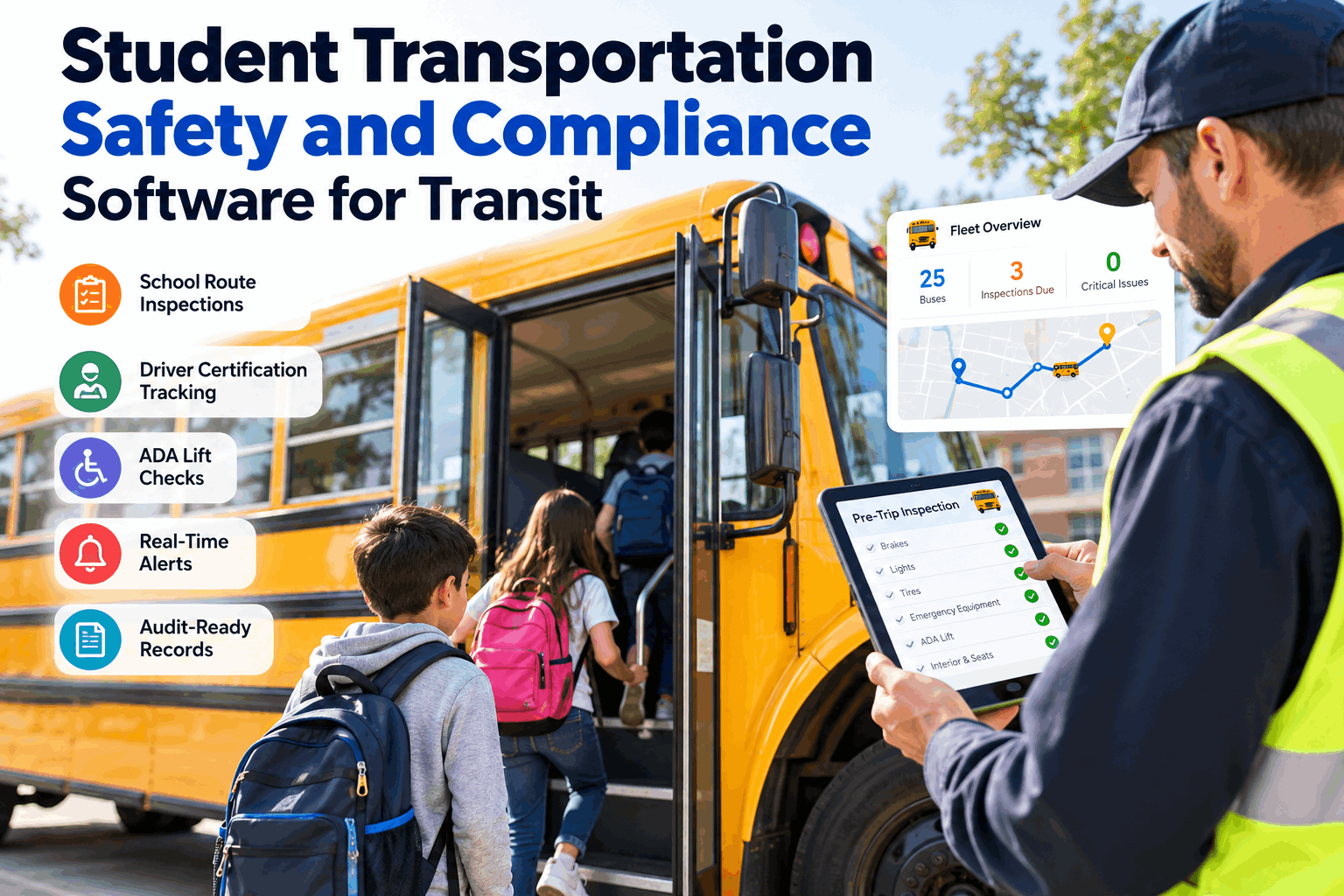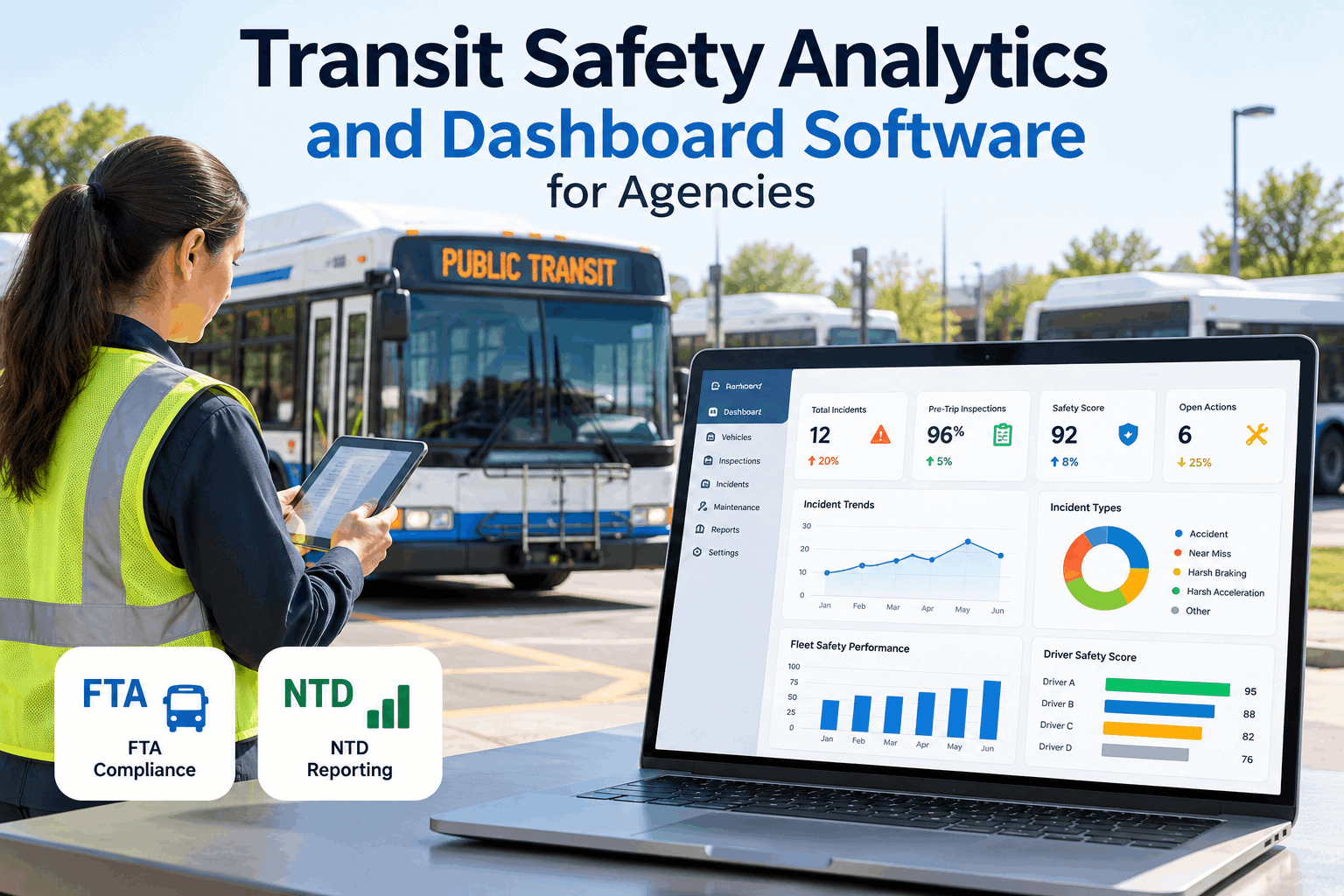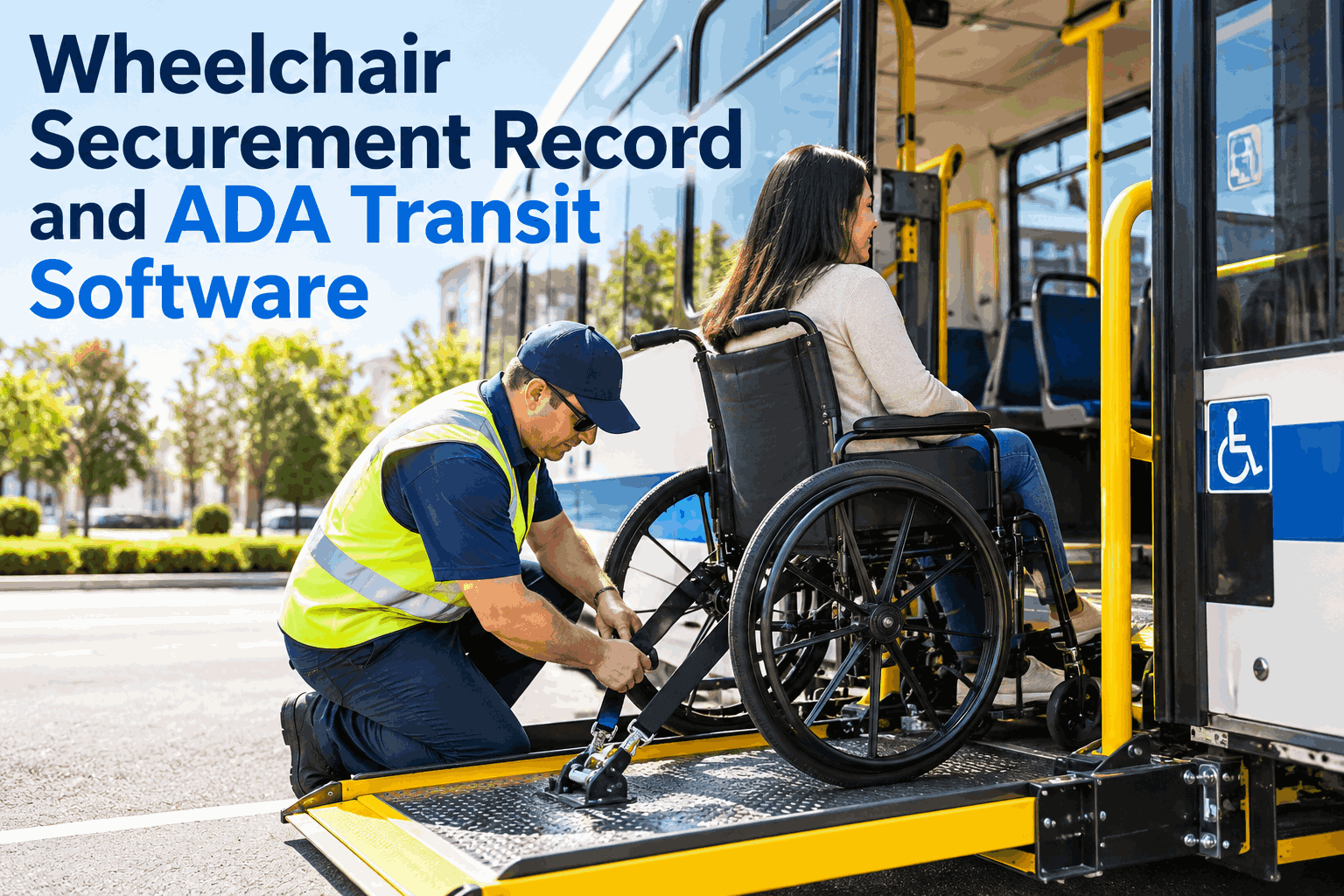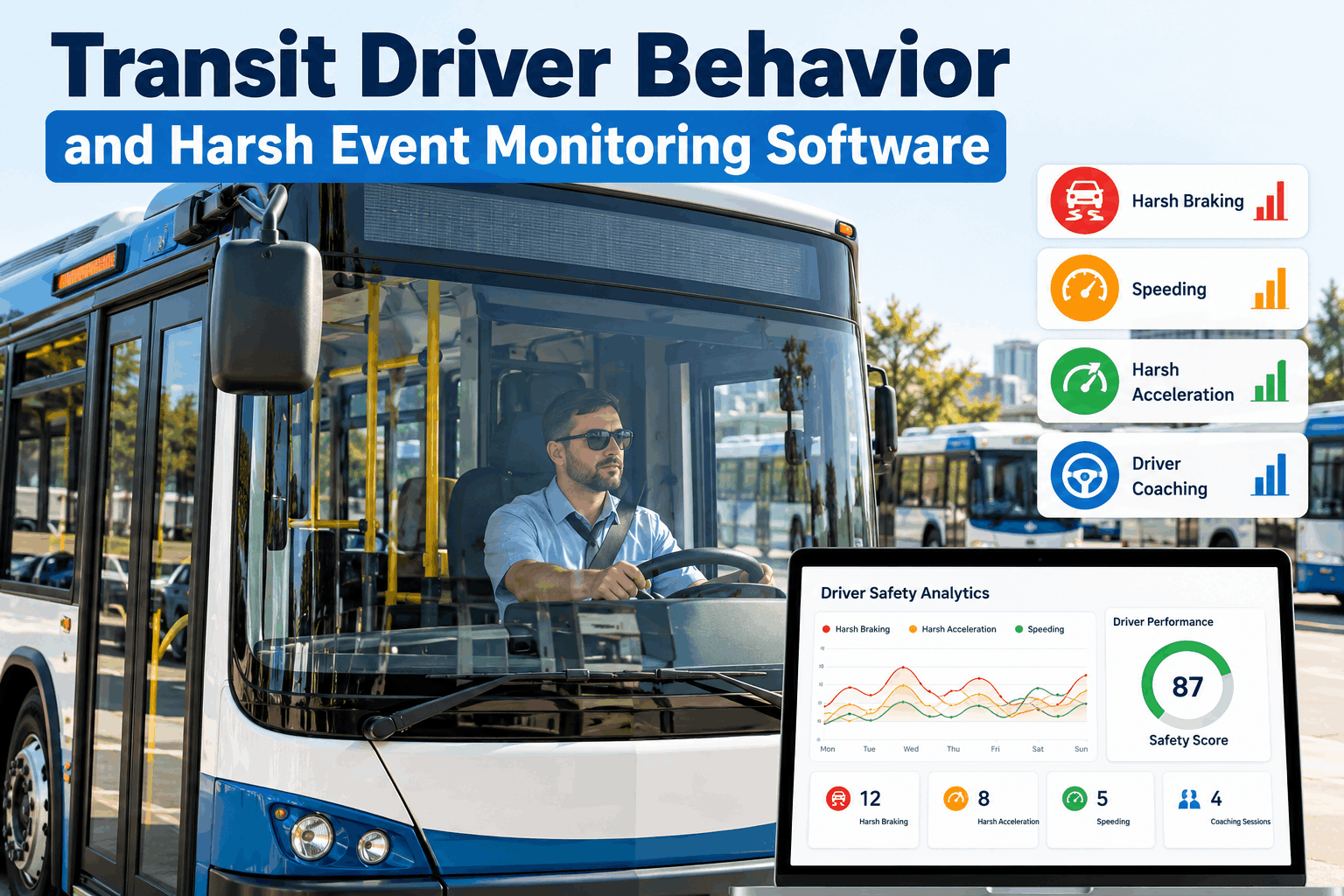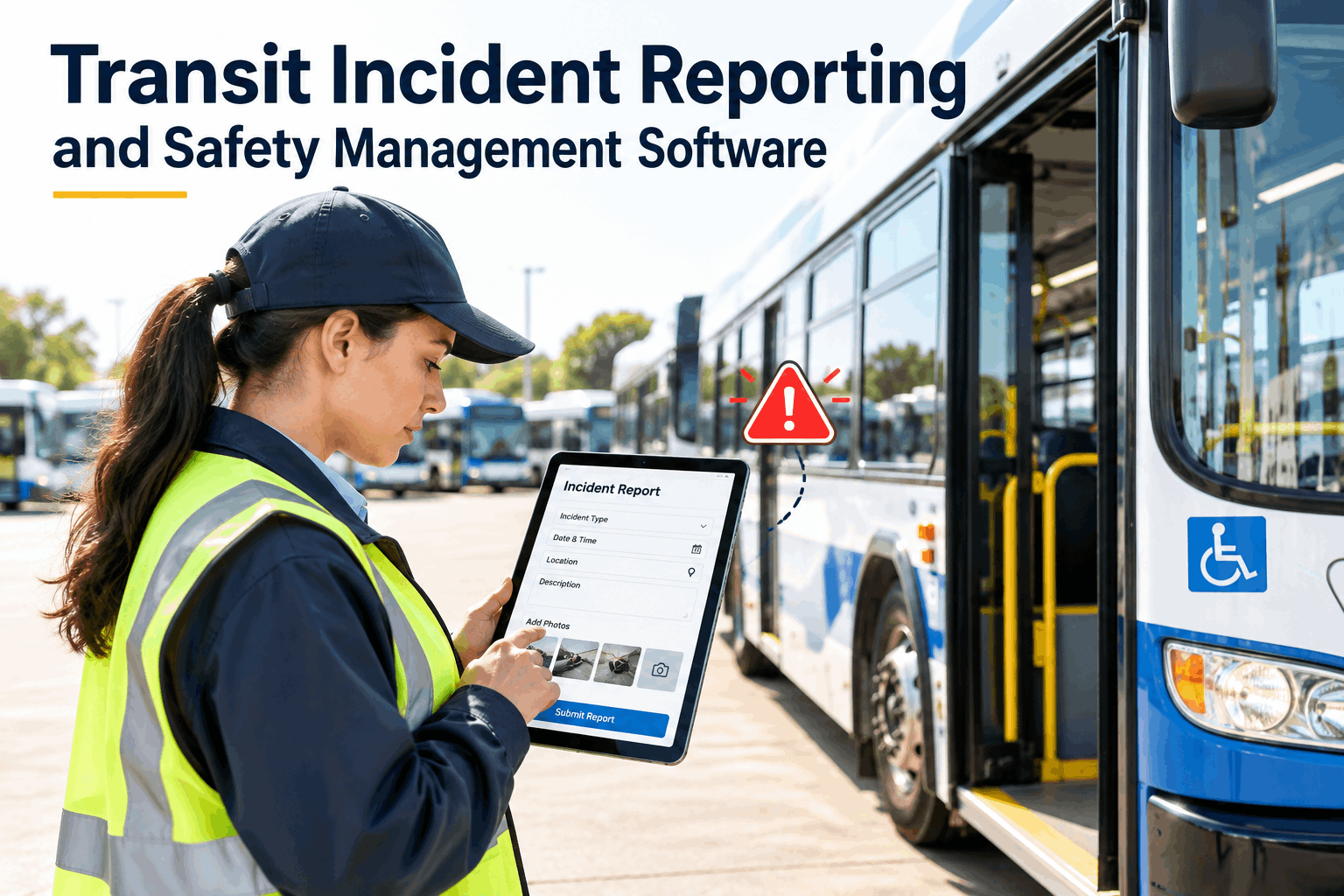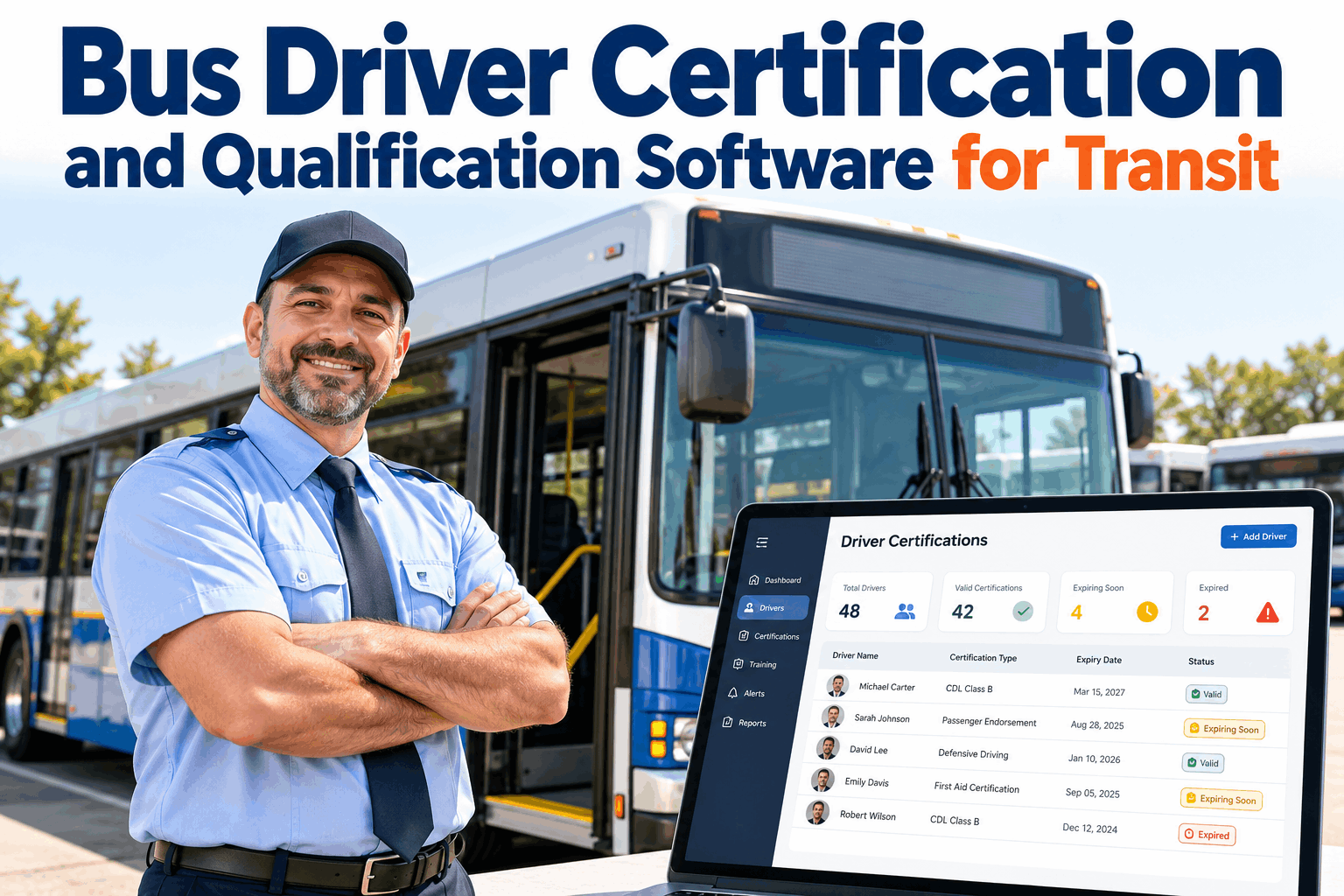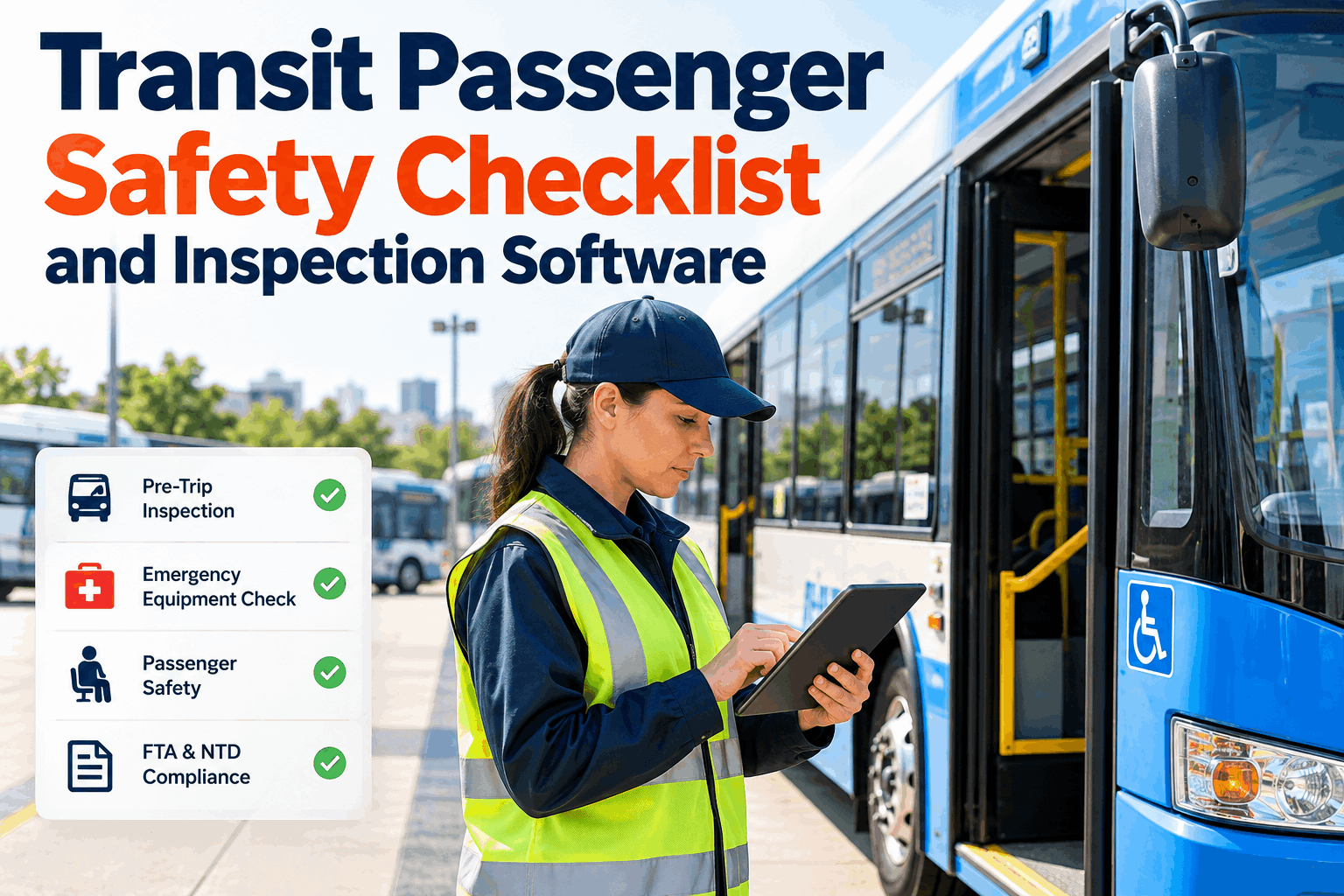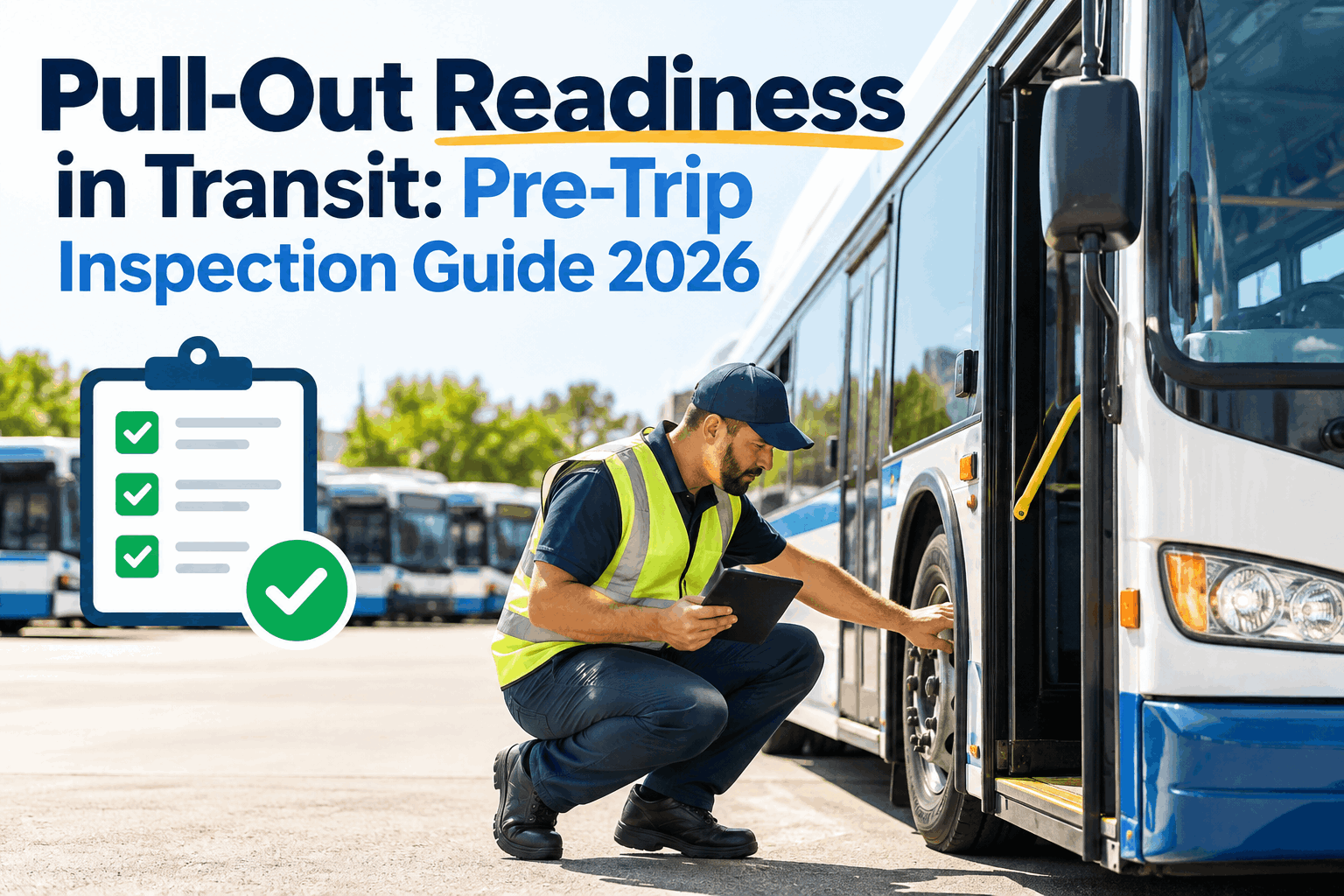
In municipal transit authorities, regional bus operations, and passenger rail systems, pull-out readiness is the vital operational benchmark determining whether a scheduled revenue vehicle successfully leaves the bus depot or maintenance yard on time, fully inspected, and compliant with safety standards. Pull-out represents the exact scheduled minute a bus, paratransit van, or light rail car departs the maintenance facility to begin its designated passenger route. When transit agencies lack a structured, automated inspection system, morning pull-out devolves into terminal chaos: operators discover low air brake reservoirs or defective wheelchair ramps right at the yard gate, leading to missed route headways, delayed passenger pickups, and expensive emergency replacement deadheads. In transit operations, a missed pull-out directly degrades on-time performance (OTP), triggers Federal Transit Administration (FTA) State of Good Repair (SGR) audit scrutiny, and increases National Transit Database (NTD) mechanical failure reporting violations. Implementing automated transit pull-out readiness and digital pre-trip inspection software replaces pencil-whipped paper sheets with photo-verified mobile checklists, real-time yard gating, and automated maintenance ticket escalation. By ensuring that every vehicle passing the terminal gate is mechanically sound and fully verified, public transit authorities prevent in-service road calls and safeguard passenger safety. To explore how automated pull-out readiness streamlines your morning transit yard roll-out, book an executive transit demonstration with our operations specialists or launch your yard inspection workflows immediately through our free platform sign up.
Pull-Out Readiness in Transit: Pre-Trip Inspection Guide 2026
An advanced operations guide for transit directors, rolling-stock superintendents, and dispatch operations leads. Master morning depot pull-out gating, enforce mobile eDVIR inspection walkarounds, eliminate road calls, and build an audit-ready NTD compliance ledger.
Achieve 100% Pull-Out Readiness Across Every Transit Terminal
Eliminate paper pre-trip clipboards, prevent in-service bus breakdowns, automate terminal yard gating, and ensure full FTA State of Good Repair compliance starting from $3/vehicle/month with no hardware lock-in.
What Is Pull-Out Readiness in Public Transit Operations?
In public transit management, pull-out readiness is the operational condition in which a scheduled revenue vehicle meets all regulatory safety standards, mechanical parameters, and cleanliness requirements prior to leaving the bus depot or maintenance yard. Pull-out occurs when a vehicle leaves the garage and enters revenue service. In high-frequency transit systems, missed or delayed pull-outs cascade across the entire schedule: passengers face extended platform wait times, bunching occurs along bus rapid transit (BRT) routes, and transit agencies fail to meet published on-time performance (OTP) targets. Pull-out readiness relies on the driver's daily pre-trip inspection (eDVIR). Under Federal Motor Carrier Safety Administration (FMCSA Title 49 CFR Part 396) and Federal Transit Administration (FTA) guidelines, operators must thoroughly inspect critical subsystems before moving the vehicle onto public streets. This covers foundation air brake systems, steering linkages, tire integrity, passenger emergency exits, fire extinguishers, ADA wheelchair accessibility ramps, and transmission safety interlocks. When transit agencies manage pre-trip inspections through paper sheets, drivers frequently rush through the walkaround, signing off on vehicles without verifying emergency systems. Pull-out readiness software standardizes this workflow, guiding operators through a step-by-step digital process that prevents uninspected vehicles from rolling out. Transit planners and maintenance directors can evaluate automated pull-out workflows by scheduling an interactive transit software demonstration or configure custom depot inspection profiles directly via our quick platform sign up.
Pneumatic Air Brake System Pressure & Leakage Checks
Guides operators through the mandatory 3-step air brake test: verifying low-pressure warning buzzers activate above 60 PSI, governor cut-out occurs between 120-135 PSI, and service brake holding tests confirm leakage does not exceed 3 PSI per minute with the brake pedal applied.
ADA Wheelchair Ramp & Safety Interlock Cycling
Enforces a mandatory full deploy-and-stow cycle of wheelchair ramps or hydraulic lifts during the walkaround. Verifies that the vehicle cannot shift out of neutral while the ramp is extended and confirms the emergency manual backup hand pump is functional.
Tire Pressure, Tread Depth & Lug Nut Torque Audits
Drivers use digital Bluetooth tire gauges or mobile camera scanning to verify steer tire tread depths (minimum 4/32 inch) and drive tire tread (minimum 2/32 inch), checking for wheel seal leaks and loose lug nut indicator alignment before gate dispatch.
Automated Yard Gating & Standby Bus Dispatch
If an inspection reveals a critical defect, the system automatically gates the vehicle in the terminal software, preventing CAD/AVL dispatch. An automated alert prompts yard hostlers to stage an inspected standby bus, preserving route headways.
Direct Technical Matrix: Paper Clipboards vs. FleetRabbit Pull-Out Engine
Managing morning transit pull-out with paper vehicle condition reports, mechanical clipboards, and verbal radio updates creates significant operational bottlenecks. In typical transit operations, defective buses sit undetected until operators turn the key minutes before scheduled departure. Review how legacy paper walkarounds compare directly against FleetRabbit's automated pull-out readiness and transit inspection platform across core operational benchmarks. Transit operations directors and rolling-stock superintendents can evaluate custom gate-release logic by scheduling an executive transit management demo or explore driver mobile eDVIR workflows via our self-service sign up.
| Transit Operation Dimension | Paper Driver Clipboards & Manual Yard Logs | FleetRabbit Pull-Out Readiness Platform | Transit Agency & Commuter Advantage |
|---|---|---|---|
| Inspection Integrity Verification | Frequent pencil-whipping; unverified signatures | Photo-enforced mobile eDVIR with tamper-proof timestamps | 100% verifiable operator accountability on every shift |
| Defect Interception Timing | Discovered at terminal gate during pull-out; route is delayed | Identified 20+ minutes prior; auto-assigns ready standby bus | Protects 99%+ on-time passenger service headways |
| In-Service Road Call Frequency | High ($450+ per roadside technician road call) | Catches low air pressure and fluid leaks inside depot yard | Cuts unscheduled passenger transfers by over 60% |
| ADA Accessibility Compliance | Ramps often skipped during rushed morning inspections | Mandatory full ramp cycle test required before gate clearance | Eliminates ADA trip denials and federal compliance penalties |
| FTA Triennial & NTD Audit Readiness | Weeks spent collecting and sorting paper inspection sheets | 1-click export of pre-trip inspection logs and work orders | Guarantees compliance with federal SGR and safety rules |
4-Stage Automated Terminal Pull-Out Readiness Sequence
FleetRabbit operationalizes transit yard management into an automated, four-stage workflow that connects driver yard check-in to mobile walkarounds, automated defect triage, and verified terminal gate dispatch. To explore how our engineering engine automates terminal roll-out, schedule an operational pull-out readiness walkthrough demo with our team.
Driver Check-In & Mobile Walkaround
The transit operator logs into the mobile app at yard check-in, scanning the vehicle QR code to launch the pre-trip eDVIR. The guided checklist requires photo verification of air brake gauges, tires, and safety equipment.
Subsystem Cycling & ADA Verification
The operator cycles passenger entrance doors, emergency roof hatches, and wheelchair accessibility ramps, verifying that interlocks prevent transmission engagement while accessibility equipment is deployed.
Automated Defect Triage & Standby Swap
If an inspection item fails, the system immediately locks the bus from CAD/AVL dispatch, opens an emergency work order for the garage, and prompts yard dispatch to assign an inspected standby vehicle.
Terminal Gate Release & Revenue Route Roll
Upon passing all inspection points, the system generates a digital pull-out clearance token. The terminal gate releases the vehicle, logging exact departure timestamps into the agency's performance tracking database.
Financial Capital Stewardship: Eliminating Transit Pull-Out Waste
Operating a municipal transit fleet without automated pull-out readiness software creates compounding financial losses across missed revenue miles, in-service mechanical breakdowns, expensive emergency road calls, and customer dissatisfaction. When a transit bus breaks down in traffic shortly after leaving the depot, the agency incurs heavy towing charges, deploys field supervisors, and strands dozens of commuters, eroding public trust in transit reliability. Furthermore, missed revenue trips directly reduce transit farebox collections and negatively impact federal funding formulas that reward high vehicle revenue miles. Identifying these common operational drains helps transit executives build an airtight business case for automated inspection software before transit boards and regional transportation commissions. Calculate your agency's exact cost recovery by booking an operational transit fleet assessment demo or get started directly via our rapid platform sign up.
Top Causes of Transit Agency Budget Waste from Missed Pull-Outs
Transit Operations Platform Capabilities
Requires operators to capture real-time, time-stamped photographs of air brake gauges, tires, and ADA ramps before clearing gate dispatch.
Instantly flags failed inspection units and prompts hostlers to deploy pre-inspected reserve buses, preserving scheduled passenger service.
Operates on standard commercial tablets and smartphones, connecting directly to existing dispatch CAD/AVL systems with zero vendor lock-in.
ROI & Public Transit Stewardship Framework for Operations Leadership
When transit agency leadership evaluates maintenance management software, board members and city planners must measure financial return across on-time performance, vehicle longevity, passenger trust, and regulatory compliance. FleetRabbit delivers quantifiable financial return across all primary public transit operational categories. To review your customized transit fleet savings forecast, schedule an executive briefing demo with our transit team or start modernizing your transit terminal pull-out workflows today with a free account.
On-Time Pull-Out Protection
Catching vehicle defects during morning staging eliminates gate-release delays, protecting on-time route departures and boosting passenger satisfaction.
In-Service Breakdown Elimination
Catching minor air leaks, low coolant levels, and worn belts in the yard prevents expensive mid-route breakdowns and emergency roadside towing.
FTA Formula Grant Protection
Audit-ready inspection records prove complete compliance with federal State of Good Repair rules, defending vital Section 5307 urbanized area formula funding.
Frequently Asked Questions: Transit Pull-Out Readiness & Inspections
What is the difference between a pre-trip inspection and pull-out readiness in transit?
A pre-trip inspection (eDVIR) is the hands-on mechanical and safety evaluation conducted by the driver before operating a bus, checking brakes, tires, and lights. Pull-out readiness is the broader operational status of the vehicle and transit terminal: it confirms the pre-trip inspection is passed, farebox and destination signs are active, the bus is assigned to an operator, and the vehicle is cleared to roll out of the terminal at its exact scheduled departure minute.
What happens when a bus fails a pre-trip inspection during morning pull-out?
When an operator flags a critical safety defect (such as an air brake leak or an inoperative wheelchair ramp), FleetRabbit automatically marks the vehicle as Out of Service in the dispatch software, preventing gate departure. The system opens a prioritized maintenance ticket in the shop and immediately alerts yard dispatch to assign a pre-inspected standby bus, keeping the route on schedule.
How does mobile eDVIR software prevent pencil-whipping during rushed morning pull-outs?
FleetRabbit enforces digital accountability by requiring operators to capture time-stamped photographs of critical inspection points (such as air brake pressure gauges, tire tread depths, and deployed ADA ramps). The system tracks the physical duration of the inspection, preventing drivers from submitting rushed, unverified checklists in seconds.
How does pull-out readiness tracking assist with FTA Triennial Reviews and NTD reporting?
Under Federal Transit Administration (FTA) rules, transit agencies must document that all revenue vehicles undergo pre-trip safety inspections and that accessibility features are maintained in operative condition. FleetRabbit maintains an immutable cloud audit archive of every completed inspection and repair sign-off, allowing agencies to export audit-ready compliance dossiers in seconds.
Upgrade Your Transit Fleet's Pull-Out Operations Today
Eliminate terminal gate delays, catch mechanical defects before revenue service, automate standby vehicle assignments, and ensure complete FTA compliance. Deploy FleetRabbit today with zero proprietary hardware lock-in.