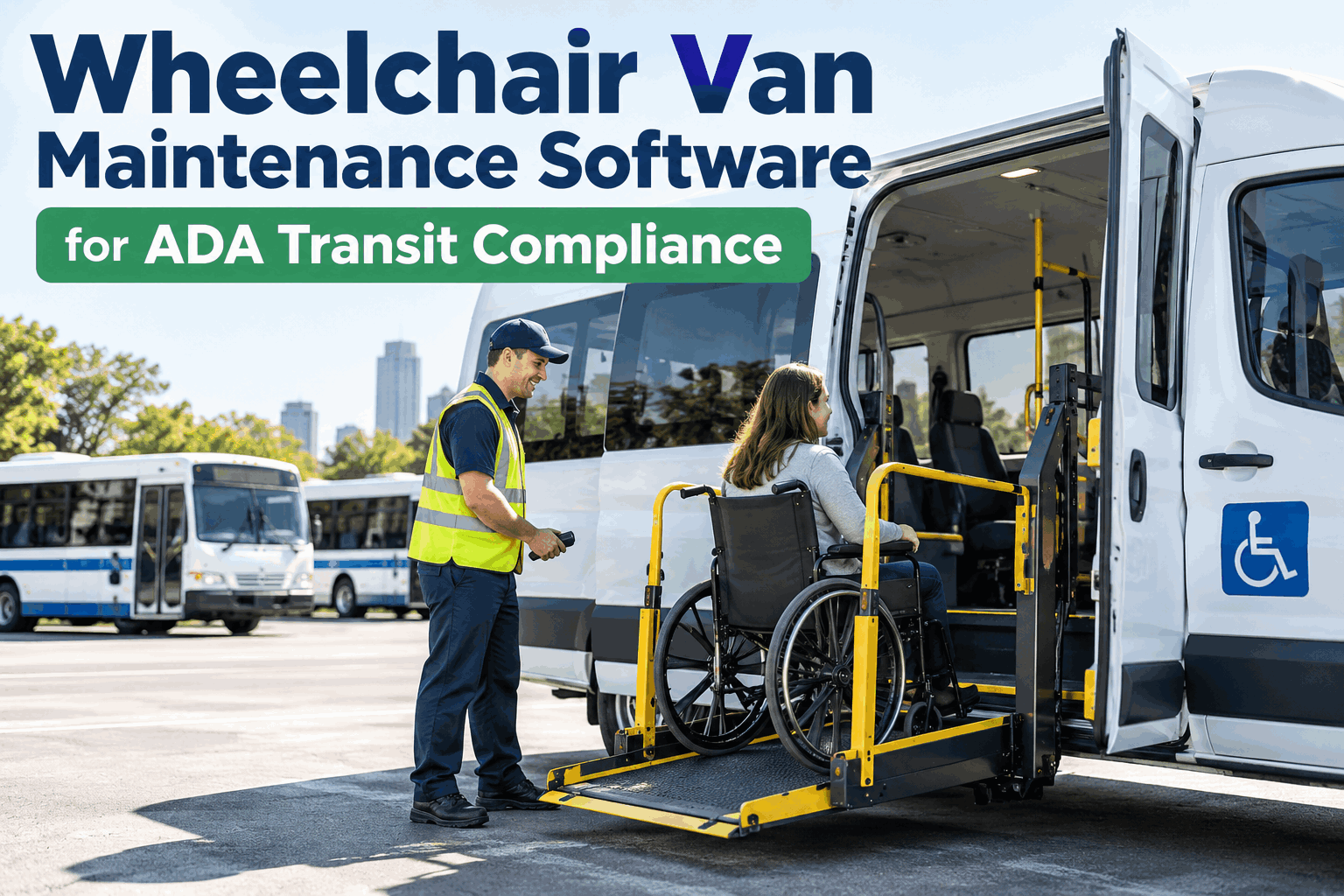
Demand-response paratransit agencies, non-emergency medical transportation (NEMT) operators, and municipal transit divisions operate under strict civil rights statutes requiring continuous accessibility and passenger safety. Under the Americans with Disabilities Act (ADA Title 49 CFR Part 37 & Part 38), public transit operators must maintain all wheelchair accessibility features—including hydraulic lifts, electro-mechanical folding ramps, passenger restraint tie-down tracks, and interlock systems—in operative condition. When paratransit fleets rely on static paper checklists, clipboards, or disconnected garage systems, subtle mechanical wear across lift pivot pins, frayed backup hand pump cables, and slipping hydraulic valves go unnoticed until a lift stalls curbside with a passenger onboard. A defective wheelchair lift not only compromises vulnerable passenger safety but also triggers mandatory out-of-service orders, missed ADA trip trip-denial penalties, and costly National Transit Database (NTD) mechanical failure flags. Implementing specialized wheelchair van maintenance software unites digital pre-trip inspection walkarounds, structured PM-A/B/C service schedules, ADA equipment cycle counts, and pull-out readiness verifications into an audit-ready platform. To explore how automated accessibility compliance protects paratransit operations, book a technical demonstration with our transit accessibility team or launch your paratransit fleet roster right away through our free platform sign up.
Wheelchair Van Maintenance Software for ADA Transit Compliance
An advanced maintenance and inspection management blueprint for paratransit directors, NEMT fleet managers, and transit operations superintendents. Automate PM-A/B/C intervals, track hydraulic wheelchair lift cycles, verify pull-out readiness, and maintain an audit-defensible FTA and NTD compliance ledger.
Safeguard Passenger Accessibility and Maintain Total ADA Compliance
Eliminate paper pre-trip slips, automate wheelchair lift maintenance cycles, gate uninspected pull-outs, and organize audit-ready FTA compliance records starting from $3/vehicle/month with no hardware lock-in.
The Multi-System Mechanics of ADA Paratransit Van Maintenance
Operating a wheelchair-accessible paratransit fleet involves maintaining specialized mechanical and electrical equipment that standard passenger vans do not have. In a high-frequency demand-response or NEMT vehicle, the hydraulic wheelchair lift is cycled between 15 and 30 times each day. These components—such as electro-hydraulic power units, hydraulic cylinders, outer roll-stop barriers, handrails, bridge plates, and interlock switches—are safety-critical. Under Title 49 CFR Part 37, transit agencies must take an accessible vehicle out of revenue service if any accessibility component fails, and federal guidelines require the lift to be repaired before the vehicle can return to service. When maintenance teams rely on standard commercial oil-change intervals, lift maintenance is easily overlooked. Hydraulic fluid degrades from moisture contamination, micro-switch interlocks loosen from road vibrations, and passenger securement retractors fill with road grit. Failure of an outer roll-stop barrier can cause a wheelchair to tip backward, leading to severe passenger injury and civil liability. Purpose-built wheelchair van maintenance software standardizes inspections and service schedules, linking cycle counts, pull-out checklists, and preventative maintenance into a single digital ledger. Paratransit managers and operations supervisors can explore automated ADA compliance tracking by scheduling an interactive paratransit software demonstration or configure custom lift inspection protocols through our quick platform sign up.
Hydraulic Lift & Ramp Safety Interlock Verification
Verifies transmission shift interlocks, parking brake interlocks, and door safety switches before lift operation. Drivers verify that the lift platform cannot deploy while the vehicle is in gear and that the van cannot shift out of park until the lift is stowed.
4-Point Wheelchair Securement & Occupant Restraint Checks
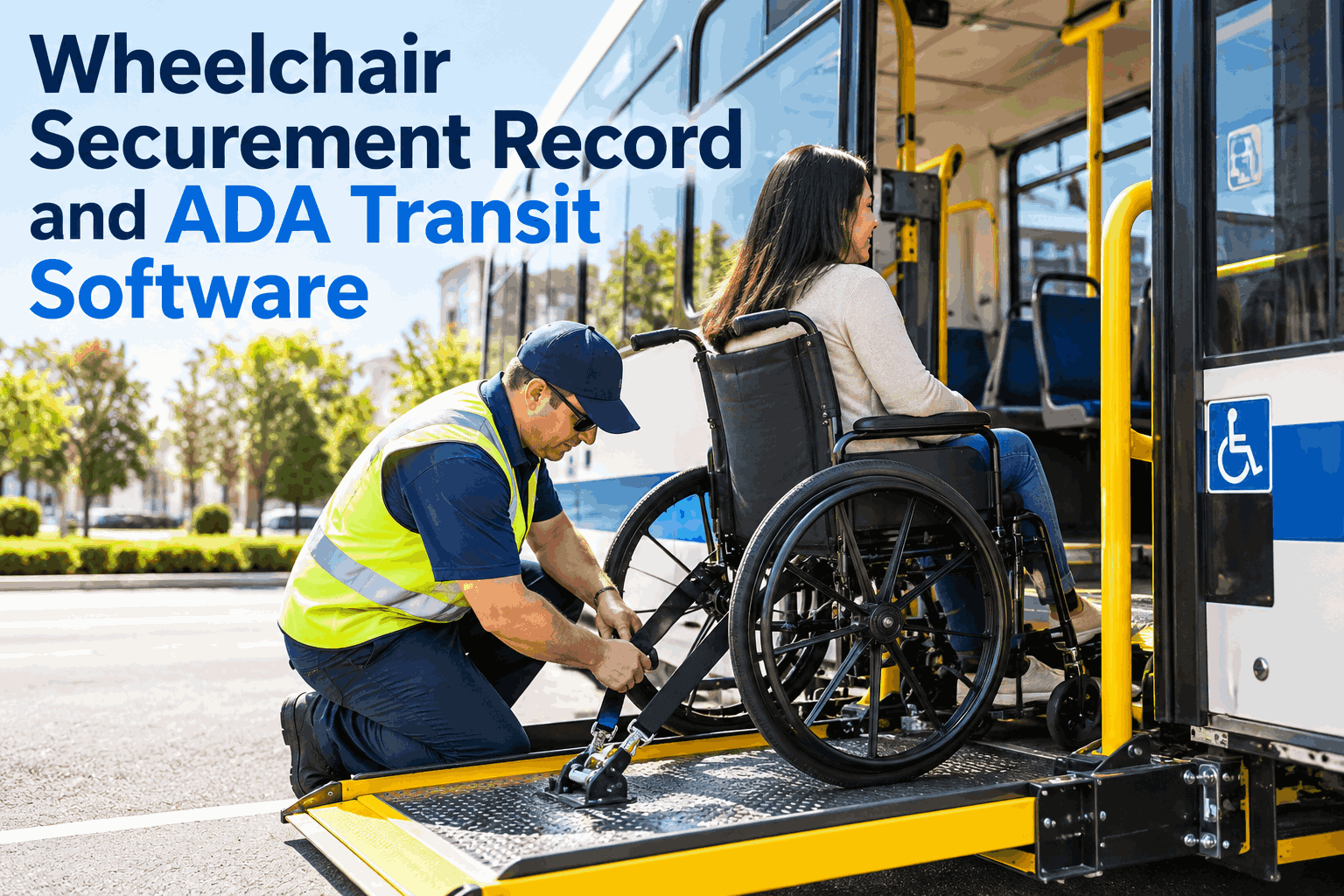
Inspects floor L-track channels, automatic retractors, J-hook latches, and three-point occupant lap and shoulder restraint belts. Mechanics track webbing frays, spring-tension ratings, and track anchoring bolts to protect passengers during sudden braking maneuvers.
Cycle-Based PM-A/B/C Maintenance Scheduling
Schedules services based on actual operational wear rather than simple calendar dates. Automates minor 750-cycle lubrication inspections (PM-A), 1,500-cycle hydraulic pressure and valve checks (PM-B), and comprehensive annual electrical and cylinder overhauls (PM-C).
Audit-Ready FTA Triennial & NTD Compliance Records
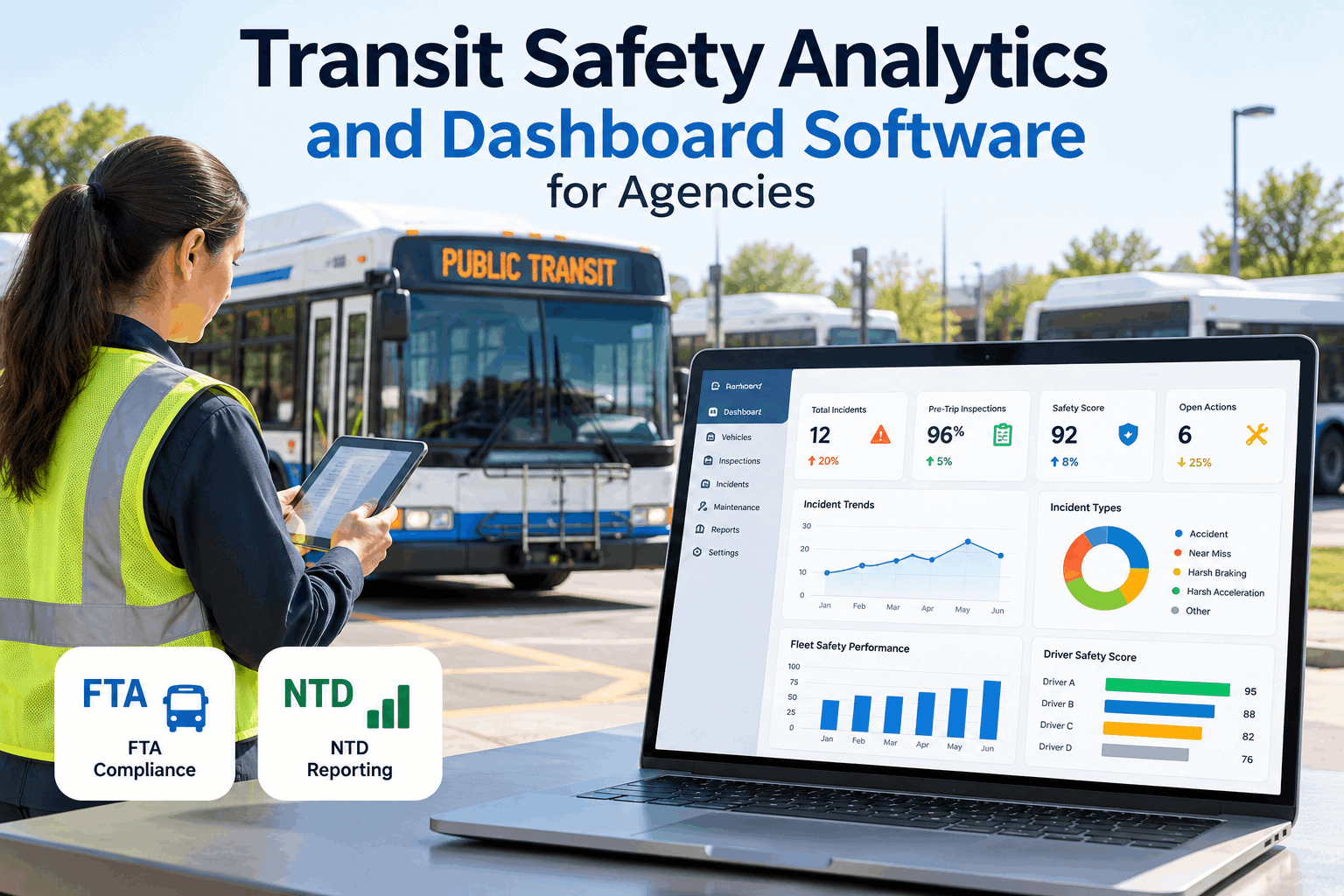
Maintains an exportable cloud compliance vault of pre-trip inspection logs, work orders, technician sign-offs, and out-of-service records, satisfying FTA Triennial Reviews and Section 5310 grant compliance reporting requirements.
Direct Technical Matrix: Manual Paper Spreadsheets vs. FleetRabbit Wheelchair Van Platform
Managing accessible paratransit vans using paper clipboards, driver log sheets, and disconnected municipal garage software leads to missing inspection records and maintenance delays. Review how traditional paper-based methods compare directly against FleetRabbit's automated wheelchair van maintenance and ADA compliance platform across primary transit benchmarks. Transit directors and paratransit managers can inspect automated compliance tracking by scheduling an executive paratransit software evaluation demo or explore our mobile driver inspection checklists via our self-service sign up.
| Paratransit Maintenance Dimension | Paper Clipboards & Generic Spreadsheets | FleetRabbit Wheelchair Van Platform | Agency & Passenger Advantage |
|---|---|---|---|
| ADA Out-of-Service Gating Enforcement | Subjective driver discretion; vans pull out with defects | Automated dispatch lock on failed lift or interlock checks | Zero compromised accessible vehicles operate in service |
| Wheelchair Lift PM Scheduling | Calendar-based guesses; ignores daily cycle counts | Automated PM-A/B/C triggers based on actual lift cycles | Reduces unexpected curbside lift failures by over 88% |
| Pull-Out Readiness Verification | Pencil-whipping common; unverified driver checkmarks | Guided photo-enforced mobile eDVIR with time stamps | 100% indisputable driver accountability on every run |
| FTA Triennial Review Audit Preparation | Weeks spent collecting paper maintenance logs | 1-click export of certified digital inspection records | Protects FTA Section 5310 federal formula grants |
| Emergency Backup Hand Pump Verification | Rarely tested; backup handles often missing or jammed | Mandatory mobile pre-trip test prompts for manual pump | Guarantees passengers can be safely unloaded during power loss |
4-Stage Daily Paratransit Readiness and Service Sequence
FleetRabbit standardizes paratransit fleet operations into an automated, four-stage workflow that connects morning pull-out inspections, real-time dispatch gating, certified garage repairs, and federal compliance archives. To see how these automated stages protect your passengers and operations, book an operational paratransit maintenance walkthrough demo with our team.
Driver Pull-Out eDVIR & Lift Cycle Check
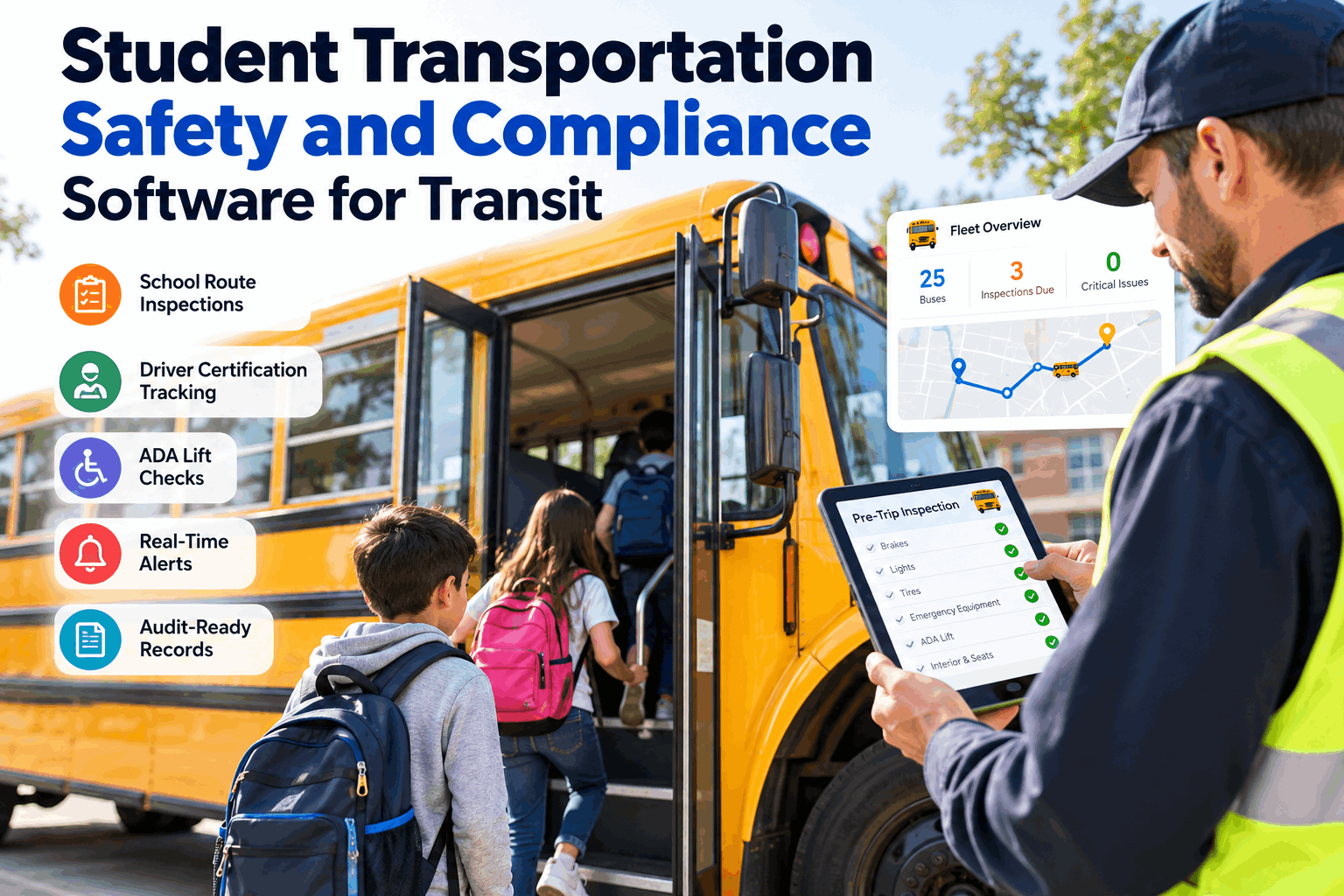
The operator completes a mobile inspection, deploying the lift fully, checking safety interlocks, testing the emergency backup hand pump, and verifying 4-point securement belts before leaving the yard.
Automated Defect Triage & Dispatch Gating
If any ADA accessibility component fails (such as an unlatched roll-stop barrier), the platform flags the vehicle as Out of Service, alerts central dispatch, and opens a repair work order in the shop.
Certified Technician Repair & Sign-Off
Certified mechanics inspect hydraulic lines, adjust interlock micro-switches, and test lift relief valves. The technician signs off on the repair digitally, verifying compliance with ADA manufacturing standards.
Return to Service & NTD Audit Synchronization
The completed repair releases the dispatch lock, updates the vehicle service history, logs lifetime operational expenses, and archives compliance records for federal transit audits.
Financial Capital Stewardship: Eliminating Paratransit Budget Drains
Operating a wheelchair-accessible paratransit fleet without dedicated maintenance software creates compounding financial losses across roadside towing calls, missed-trip penalties, expensive emergency component replacements, and legal liabilities. When a wheelchair lift fails while loading a passenger, the agency must dispatch a supervisor and a backup accessible vehicle, disrupting schedules and stranding passengers. Identifying these common operational drains helps transit directors build a strong business case for automated maintenance software before municipal transit boards and regional transportation commissions. Calculate your agency's exact cost recovery by booking an operational transit assessment demo or get started directly via our rapid platform sign up.
Top Causes of Transit Agency Budget Waste in Paratransit Fleets
Transit Compliance Platform Capabilities
Triggers preventative maintenance work orders based on actual lift cycles, engine hours, and vehicle mileage rather than simple calendar dates.
Requires drivers to capture timestamped photos of wheelchair lifts, interlocks, and securement belts before clearing pull-out.
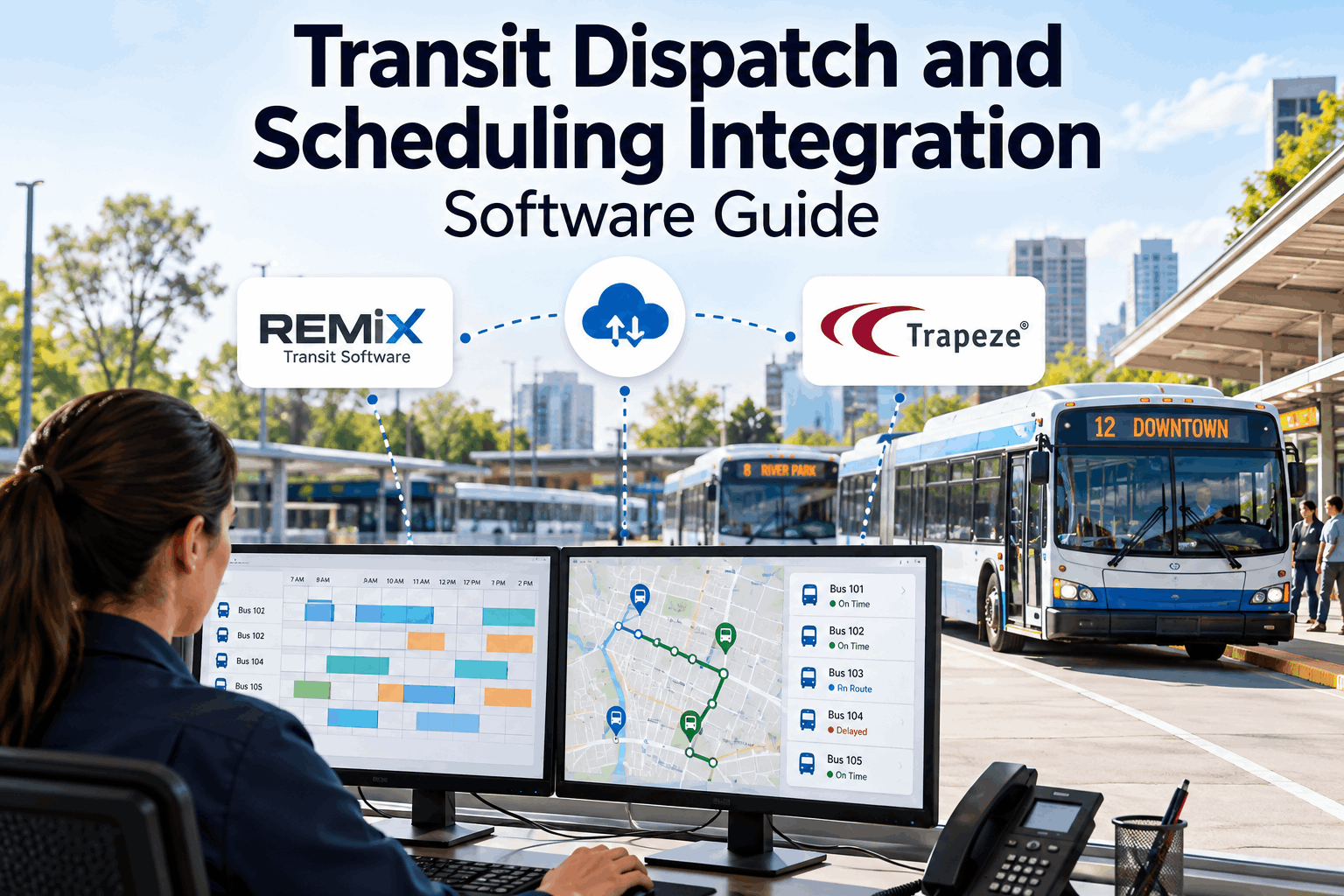
Runs on standard mobile tablets and smartphones, connecting directly to existing paratransit dispatch systems without expensive hardware.
ROI & Public Transit Stewardship Framework for Operations Leadership
When transit agency leadership evaluates paratransit fleet software, board members and finance directors must measure financial return across vehicle uptime, component longevity, regulatory compliance, and passenger safety. FleetRabbit delivers quantifiable financial return across all primary accessible transit operating categories. To review your customized paratransit savings forecast, schedule an executive briefing demo with our transit team or start configuring your accessible fleet profiles today with a free account.
Extended Lift Service Life
Cycle-based hydraulic oil changes, bushing greasing, and interlock alignments extend wheelchair lift operational service life by up to 4 years, deferring costly $8,000+ replacement purchases.
Zero Missed ADA Trips
Eliminating roadside lift failures ensures paratransit vehicles complete scheduled passenger pick-ups on time, protecting agencies from contractual service penalties.
FTA Formula Grant Defense
Audit-ready accessibility inspection files ensure complete compliance during federal reviews, protecting crucial FTA Section 5307 and Section 5310 grant allocations.
Frequently Asked Questions: Wheelchair Van Maintenance & ADA Compliance
What specific wheelchair lift inspections are required under ADA Title 49 CFR Part 37 & 38?
Federal regulations mandate that all accessibility features must be maintained in operative condition. Pre-trip inspections must verify that the lift deploys and stows smoothly, the outer roll-stop barrier latches vertically, safety interlocks prevent vehicle movement while the lift is deployed, the emergency manual backup pump operates, and all 4-point wheelchair securement tracks and occupant restraint belts are intact.
What are PM-A, PM-B, and PM-C preventative maintenance intervals for accessible paratransit vans?
PM-A is a minor service (typically scheduled every 3,000 to 5,000 miles or 750 lift cycles) focusing on lubrication, fluid checks, and safety walkarounds. PM-B (every 6,000 to 10,000 miles or 1,500 lift cycles) includes brake inspections, hydraulic pressure tests, and electrical load checks. PM-C is a comprehensive annual service (every 12 months or 3,000 cycles) covering full hydraulic cylinder overhauls, structural weld NDT inspections, and complete securement track recalibration.
What happens when a driver identifies a lift defect during morning pull-out?
When a driver flags a critical accessibility defect (such as an inoperative roll-stop barrier or failing interlock), FleetRabbit immediately marks the vehicle as Out of Service. The software generates an emergency work order for the shop and alerts dispatch to ensure the unit cannot be dispatched on active paratransit runs until a certified technician signs off on the repair.
How does digital maintenance tracking assist with FTA Triennial Reviews?
During an FTA Triennial Review, inspectors examine maintenance records to verify that transit agencies maintain all accessibility features on accessible vehicles. FleetRabbit produces exportable, audit-ready compliance dossiers documenting every pre-trip inspection, maintenance work order, and technician signature, demonstrating compliance with federal regulations.
Upgrade Your Paratransit Fleet Maintenance Operations Today
Eliminate unexpected curbside lift failures, protect passenger accessibility, automate PM-A/B/C scheduling, and ensure complete ADA compliance. Deploy FleetRabbit today with zero proprietary hardware lock-in.