Your renewal letter shows another double-digit increase, and the explanation from your broker is the same one it's been for years: rates are up industrywide, nothing you can do about it. That explanation was true five years ago. It isn't anymore. Underwriters have shifted from pricing your fleet on zip code and claims history to pricing it on actual driving behavior, and fleets that can prove a safer record with data are the ones walking away from renewal with a better number.
Reducing insurance claims frequency isn't about hoping for a quiet year. It's about catching the risky behaviors that turn into claims before they do, and then handing your underwriter the evidence that shows it's working. That shift, from a good safety reputation to a documented safety trend, is what's separating fleets absorbing steep increases from fleets negotiating real discounts.
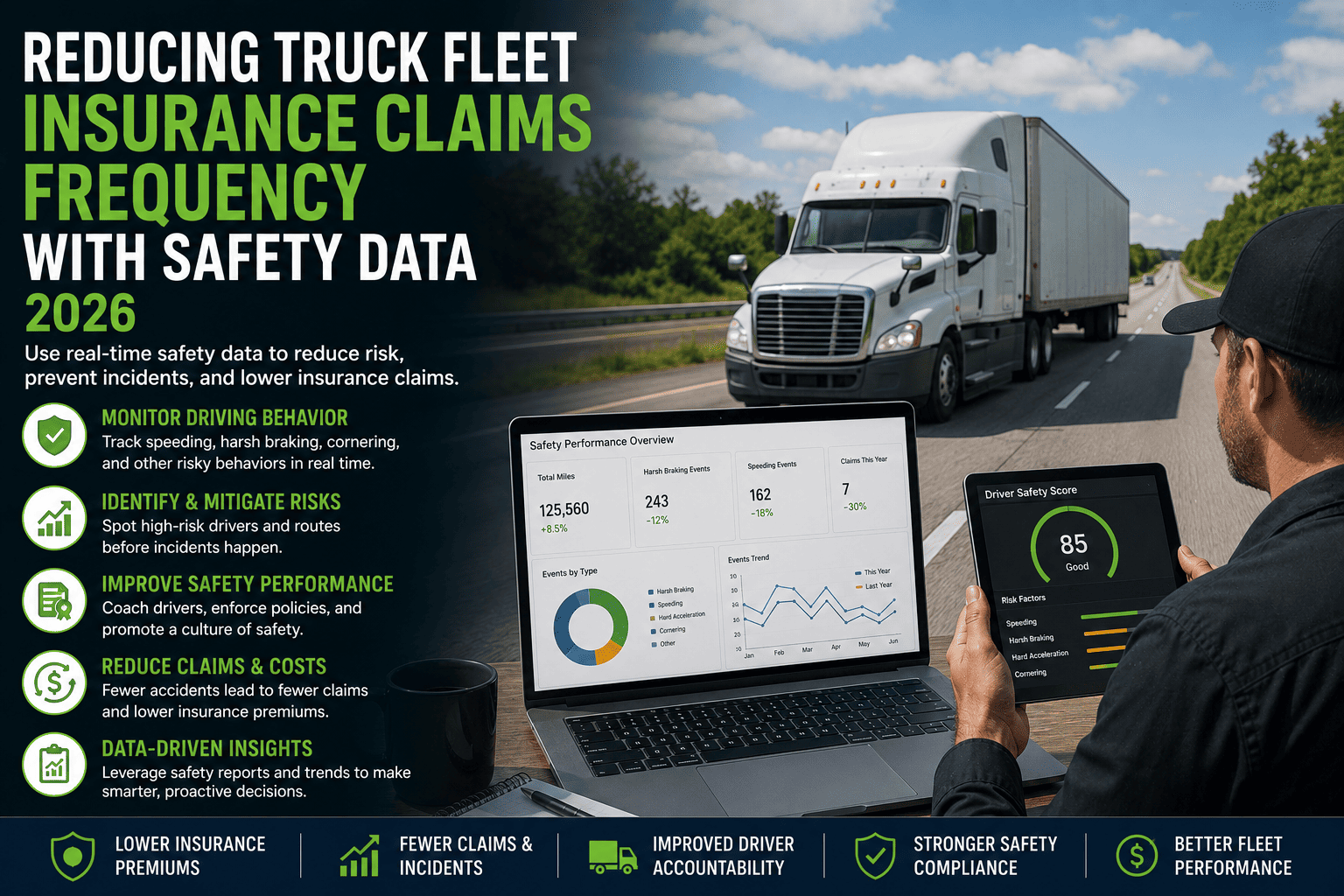
Trucking fleets reduce insurance claims frequency by capturing hard braking, distraction, speeding, and HOS compliance data continuously, coaching drivers on specific events within days, and sharing that documented trend with underwriters at renewal. Fleets doing this consistently achieve premium reductions of 15 to 30 percent, and AI dashcams paired with coaching workflows have been shown to cut crash rates by up to 73 percent. Sign up free to start building your own safety data trail.
What Underwriters Are Actually Scoring Today
Commercial auto underwriting used to run on a handful of blunt inputs: years in business, claims history, vehicle count, zip code. None of that told an insurer whether your drivers tailgate at highway speed or brake hard through intersections. Today's underwriting models look for specific behavioral signals that correlate directly with claim probability.
FleetRabbit tracks the exact signals carriers reward, hard braking, speeding, distraction, and HOS compliance, and packages them into a renewal-ready report so your agent walks into the negotiation with evidence.
The Coaching Loop That Actually Lowers Claim Frequency
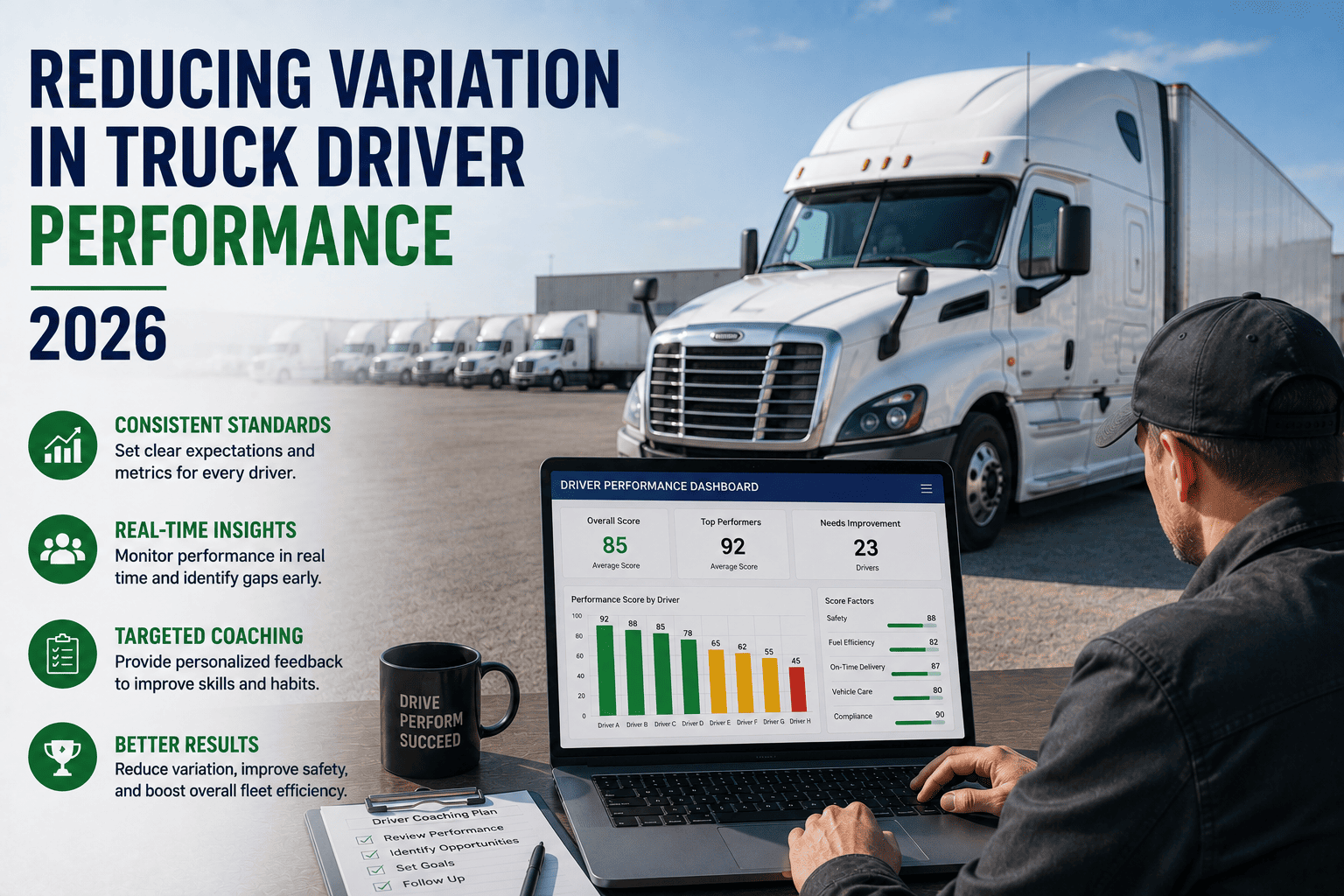
Collecting telematics data on its own earns minimal discounts. The fleets seeing the biggest gains are the ones actively using the data to coach drivers and correct behavior within days, not months. That loop is what turns raw sensor data into a documented downward trend.
Catch the Event, Not the Aftermath
In-cab alerts let drivers correct risky behavior, like speeding or tailgating, in the moment, before it becomes an incident. That immediate feedback loop is far more effective than a retrospective coaching meeting days later.
Coach Weekly, Not Quarterly
One fleet documented a 40 percent reduction in hard braking events within six months by running a weekly coaching cycle built around these reports. A risky event that gets addressed within days reads completely differently to an underwriter than one that repeats unaddressed for months.
Why the Trend Matters More Than Any Single Month
The fleets capturing the larger end of available discounts aren't the ones with the most expensive hardware, they're the ones who can show a clean, consistent safety trend over time rather than one good month surrounded by noise.
What Different Safety Data Categories Are Worth at Renewal
Discounts don't come as one flat number, they typically stack across a few distinct categories. Understanding the structure helps you see exactly where your fleet's effort translates into savings.
| Safety Data Category | What It Demonstrates | Typical Impact |
|---|---|---|
| Continuous Telematics | Objective driving behavior across 100 percent of drive time | 15 to 25 percent premium reduction |
| Active Coaching Program | Risky behavior gets corrected, not just recorded | Up to 15 percent additional rebate |
| AI Dashcam Footage | Objective evidence for disputed or fraudulent claims | Faster claim resolution, reduced litigation exposure |
| Documented Claims Workflow | Fast, thorough incident documentation and resolution | 20 to 30 percent reduction over 2 to 3 renewal cycles |
Building an Evidence Package Your Underwriter Trusts
Most underwriters need to see a consistent data pattern before they'll factor it into pricing. A single strong month isn't evidence, it's an outlier. Building a credible package takes structure.
Establish 90 Days of Baseline Data First
Most underwriters require at least 90 days of consistent, high-quality data before they'll consider it in a risk assessment, so the earlier you start capturing behavior data, the sooner it becomes usable at your next renewal.
Document Every Corrective Action
Every time a risky behavior gets flagged and coached, save the record. A safety binder built from motor vehicle records, telematics reports, driver training completions, and incident response documentation is what turns a verbal safety claim into a defensible position.
Bring the Data to the Conversation Yourself
Not every carrier runs a formal discount program, but presenting your safety data proactively can still support better discretionary pricing during renewal, even without one. Waiting for your broker to ask is how fleets leave savings on the table. If you'd like help putting a renewal-ready report together, you can book a demo and see what your fleet's data already shows.
FleetRabbit turns hard braking, distraction, and HOS data into a clean, dated safety trend your broker can bring straight to the underwriter, replacing a good reputation with documented proof.
Frequently Asked Questions
Your fleet's driving behavior is already generating the evidence underwriters want to see. FleetRabbit captures it, turns it into coaching that corrects risky behavior within days, and packages the trend into a renewal-ready report that replaces a good reputation with documented proof.