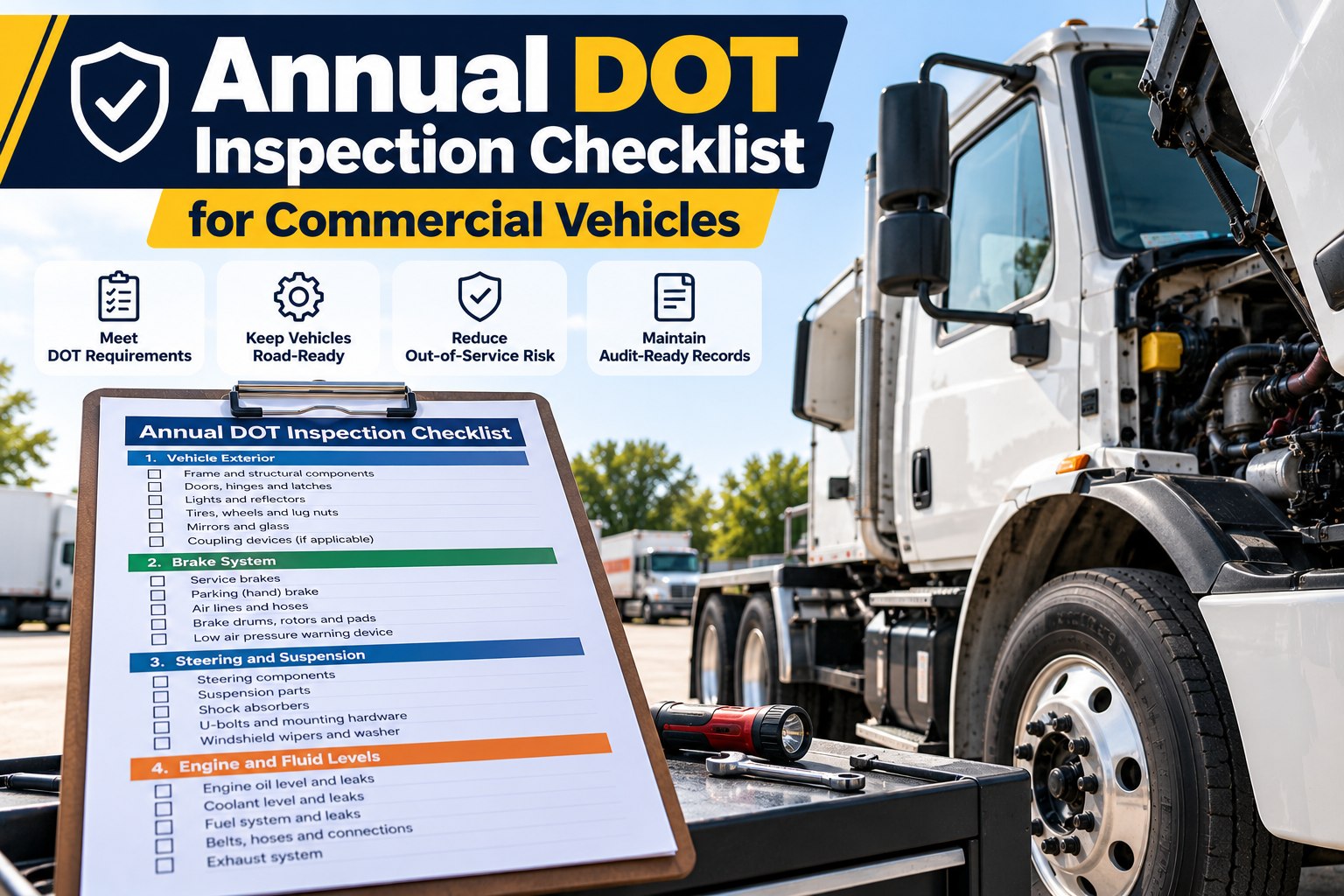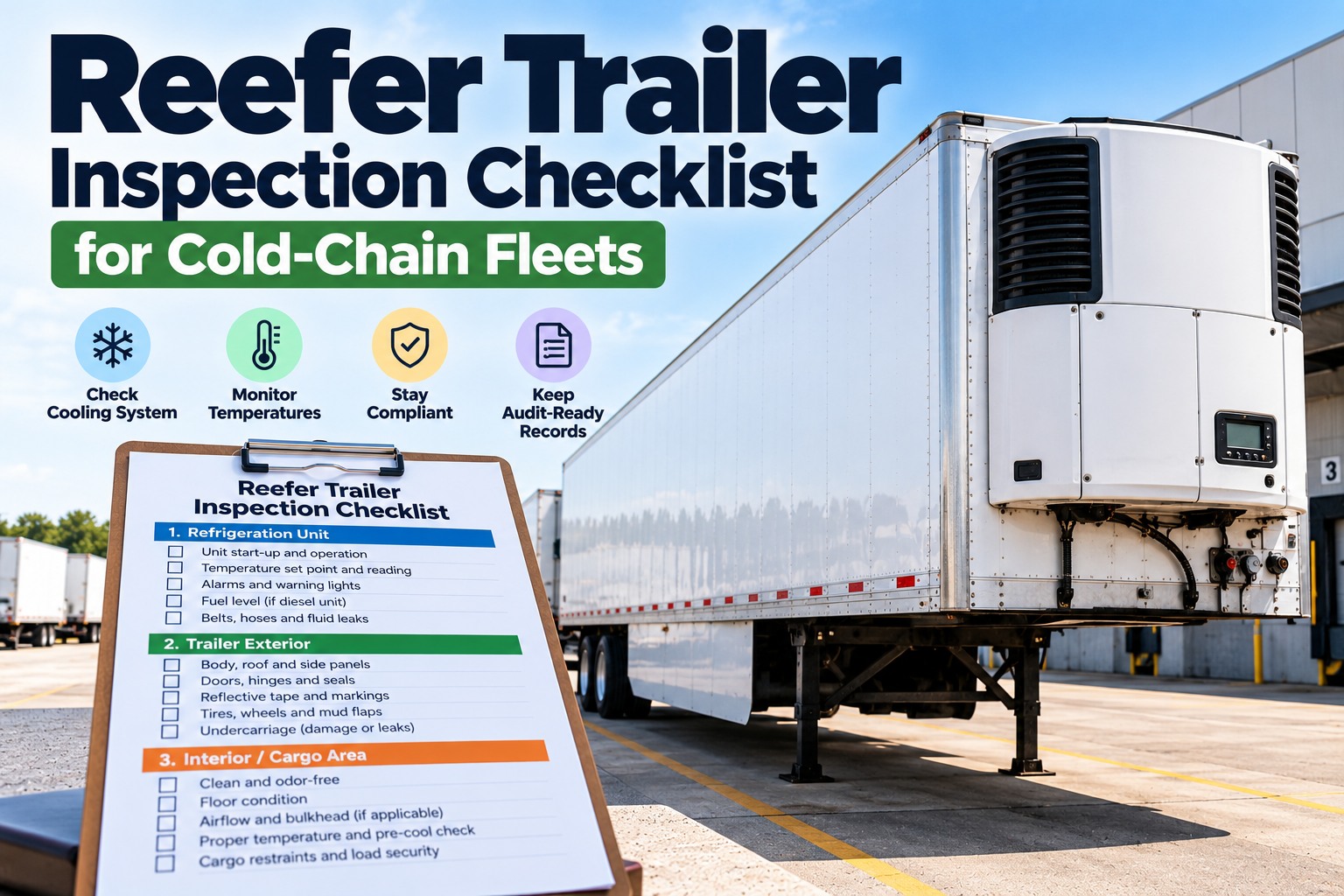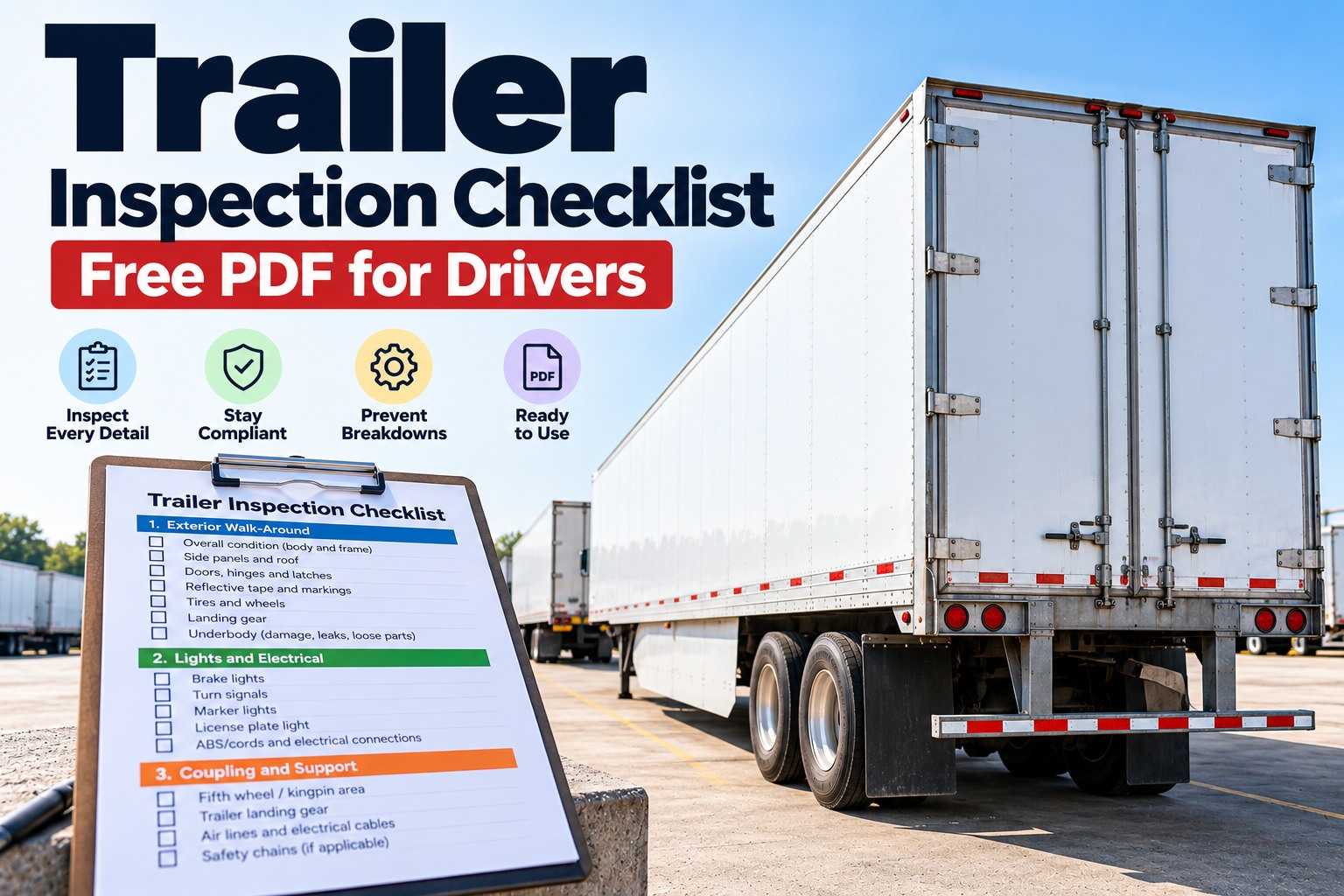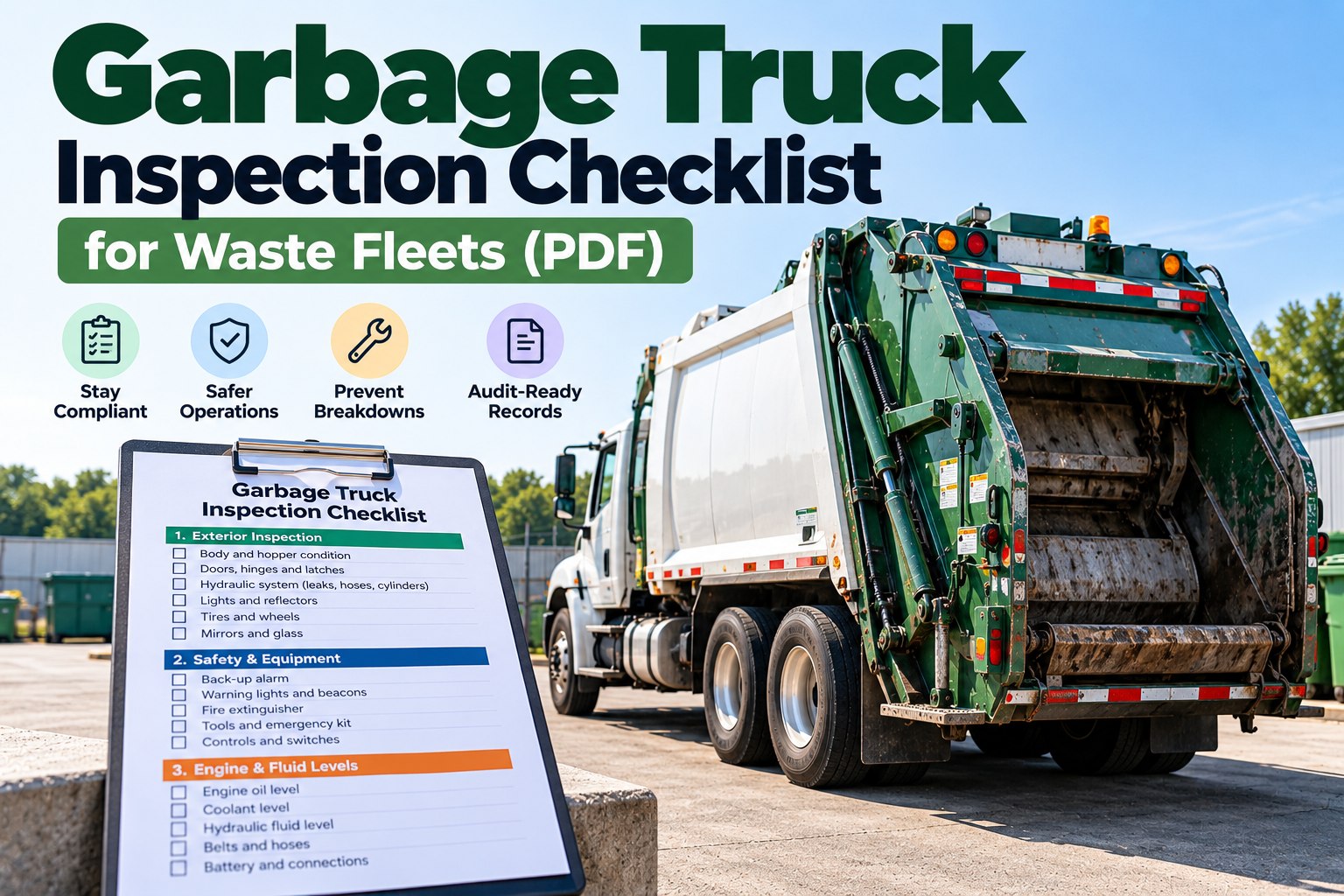
A single vehicle breakdown on a delivery route doesn't just cost you a repair bill. It costs you the tow, driver downtime, a rental, a missed SLA, a penalty from your customer — and the trust you spent months building. Multiply that across a 50-truck fleet on manual spreadsheets and paper logs, and you're looking at $25,000–$100,000 in avoidable losses every year. Fleet maintenance software stops the bleed. But only if you choose the right one.
Why Fleet Maintenance Is Still Broken in 2026
Despite the technology available today, most logistics companies are still managing maintenance the hard way. According to industry data, 60% of fleet managers still use spreadsheets and 52% rely on paper documents. This creates three compounding problems that quietly drain your margins every month:
Manual Tracking
Service reminders in spreadsheets get missed. One missed oil change at 15,000 miles can cascade into a $2,890 emergency repair by mile 23,000.
Reactive Maintenance
~70% of fleets still fix vehicles after they break. Reactive maintenance costs 22–28% more per vehicle annually than a proactive model.
No Real-Time Visibility
When a vehicle fails mid-route, managers learn from a phone call. No early warning, no proactive alert — just a crisis at the worst possible time.
The result is a maintenance model that reacts to problems rather than preventing them. In 2026, with freight margins under pressure and SLA expectations rising, this gap is a serious competitive disadvantage.
What Is Fleet Maintenance Software?
Fleet maintenance software is a digital platform that manages the complete lifecycle of vehicle servicing — from scheduled inspections and PM reminders to work order management, parts inventory, compliance records, and cost analytics.
In 2026, the best platforms go beyond simple scheduling. They pull real-time data from GPS telematics, OBD-II sensors, and fuel systems to build a live health picture of every vehicle in your fleet — and alert you to problems before they become breakdowns.
For logistics companies specifically, this means fewer surprise breakdowns, better DOT compliance, lower maintenance cost per mile, and operations managers who spend mornings reviewing dashboards — not fielding emergency calls.
Want to see how fleet maintenance connects to driver behaviour? Read how FleetRabbit Driver Performance Dashboards link vehicle health events to driver coaching — so nothing slips through the cracks.
Must-Have Features in Fleet Maintenance Software (2026)
Not all platforms are equal. As you evaluate options for your logistics operation, here are the six capabilities that separate effective platforms from expensive checkboxes:
Preventive + Predictive Maintenance
Calendar/mileage-based scheduling plus AI anomaly detection that predicts failures 14–30 days before they happen.
Digital Inspections (DVIR)
Mobile pre/post-trip inspections by drivers. Defects auto-escalate to work orders with timestamps, photos, and technician routing.
Real-Time Alerts & Escalation
Alerts that fire to the right person at the right time — and escalate automatically if ignored. Managed workflows, not just notifications.
Automated Maintenance Scheduling
Work orders self-generate when service thresholds hit. Parts pre-ordered, technicians notified, compliance record built — automatically.
Analytics & Cost Reporting
Cost-per-mile by vehicle and driver. Maintenance spend vs. budget. Downtime trends. The data to make decisions — not just review events.
GPS & Telematics Integration
Live odometer, engine hours, fault codes, and location from existing hardware. No rip-and-replace — 200+ providers supported.
Fleet Maintenance Software Comparison — 2026
The market has split into two tiers: legacy CMMS platforms that document maintenance reactively, and AI-powered platforms that prevent breakdowns proactively. Here's how the major options compare for logistics companies in 2026:
| Platform | Best For | AI / Predictive | Digital Inspections | Starting Price | Setup Time |
|---|---|---|---|---|---|
| FleetRabbit Best Value | Logistics fleets 10–500 vehicles | 14–30 day prediction | Full DVIR + mobile | Free → $3/vehicle/mo | 5–14 days |
| Fleetio | Mid-size fleets, work order focus | Calendar-based only | Yes | ~$4/vehicle/mo | 1–2 weeks |
| Samsara | Telematics-first, ELD compliance | Secondary feature | Yes | ~$27/vehicle/mo | 2–4 weeks |
| Verizon Connect | Enterprise logistics, complex compliance | Route-focused AI | Yes | ~$20/vehicle/mo | 4–8 weeks |
| Geotab | Data-heavy fleets, custom API needs | Via add-ons | Via MyGeotab | Custom pricing | 4–12 weeks |
| Spreadsheets / Paper | Not yet ready to modernise | None | None | $0 | Immediate (but costly) |
FleetRabbit: Built for Logistics Teams That Can't Afford Downtime
FleetRabbit is an AI-first fleet maintenance and management platform built for logistics companies running 10–500 vehicles. It combines predictive maintenance, digital inspections, real-time tracking, and compliance automation in a single platform — at a price point that delivers measurable ROI within the first month.
What FleetRabbit Does Differently
AI Predicts Failures 14–30 Days Out
IoT sensors and telematics feed AI models that detect hydraulic, electrical, and mechanical anomalies weeks before they cause a breakdown — giving you time to schedule repairs off-peak.
Inspections Happen — Without Chasing
Drivers complete DVIR pre/post-trip inspections on mobile. Defects automatically trigger priority work orders with photos, timestamps, and technician routing. No paperwork, no phone calls.
Full Fleet Visibility in One Dashboard
Every vehicle's health, location, PM status, compliance record, and driver score in one place. Fleet managers get a 5-minute morning review instead of 20 emails to chase.
Always Audit-Ready Compliance
Every inspection, work order, and service record stored with timestamps and signatures. DOT audit packages generate in seconds — not the 3-day scramble it used to be.
Real Business Benefits — With Real Numbers
Logistics companies that implement fleet maintenance software see consistent outcomes across fleet sizes and vehicle types. Here's what the data shows:
Downtime Reduction
Automated PM and AI predictive alerts reduce unplanned breakdowns 30–40% in the first quarter. One prevented Class-8 breakdown saves $2,500–$8,000 in direct costs.
30–40% fewer unplanned breakdownsCost Savings
Reactive maintenance costs 22–28% more per vehicle annually. For a 50-truck fleet, automated PM scheduling saves an estimated $75,000–$150,000 per year.
3–9× cheaper than reactive repairsBetter DOT Compliance
Digital inspection records, auto-stored service history, and instant audit packages eliminate the pre-audit panic and the risk of CSA points from missing documentation.
100% audit-ready, alwaysExtended Vehicle Lifespan
Consistent preventive maintenance extends average vehicle lifespan by up to 20%. For a fleet with $80,000–$180,000 per vehicle in capital, that's a significant balance-sheet impact.
Up to 20% longer vehicle lifespanFuel is often a fleet's largest operating cost after labour. See how FleetRabbit Fuel Management integrates directly with maintenance data to surface real cost-per-mile — and where fuel spend is hiding across your fleet.
How to Choose the Right Fleet Maintenance Software
The best platform depends entirely on your fleet profile. Use these four filters to narrow your choice before booking any demo or starting a trial:
Fleet Size
Budget Reality
Ease of Adoption
Integration Fit
Compliance is a major selection factor for logistics fleets. See how FleetRabbit Compliance handles DOT, FMCSA, and audit requirements automatically — keeping every record ready from day one without any manual filing.
Still Managing Your Fleet Manually? You're Losing Time and Money Every Day.
Every day without automated maintenance is a day of avoidable breakdowns, missed inspections, and compliance risk. Logistics companies running FleetRabbit reduce unplanned downtime by 30–40% within 90 days — at just $3/vehicle/month, no contracts, no hardware swap required.