Collision avoidance systems have a failure mode that no dashboard light covers. A radar sits in or behind the front bumper, and a camera is mounted to the windshield in a position specified to the millimetre by the manufacturer. The two are combined through sensor fusion — the system cross-checks radar returns against camera images so it reacts to real threats and suppresses false ones. Disturb either sensor and the fused picture is corrupted, but the system does not stop. It carries on issuing alerts and, on equipped trucks, carries on applying brakes, using a reference that is now wrong. What disturbs them is entirely mundane: a windshield replacement, a bumper repair, a bracket swap, or a hard knock at a loading dock. None of those events currently lands in most fleets' maintenance systems as a calibration trigger. Start free with three vehicles and put the calibration triggers on the same record as the inspections and repairs that create them.
INTEGRATIONS · COLLISION AVOIDANCE RADAR
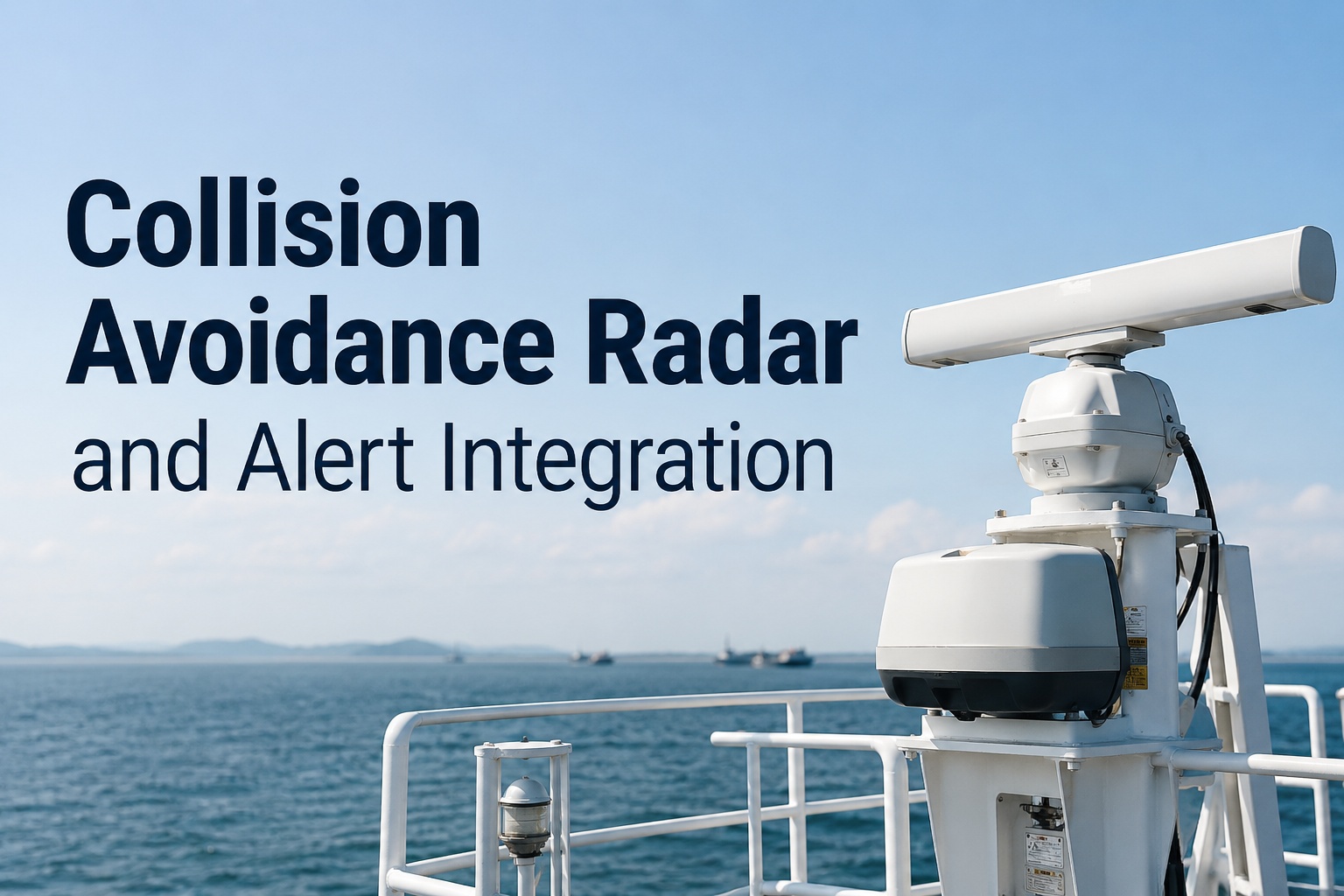
Collision Avoidance Radar and Alert Integration
Alert data, calibration triggers and ADAS inspection items unified with your maintenance and compliance records — so a bumper repair automatically becomes a calibration task rather than an assumption.
Front-end sensor positions
Windshield
Camera — reads lane markings, vehicle and pedestrian shapes. Position on the glass is critical.
Sensor fusion — cross-checked against each other
Bumper
Radar — lives in or behind the bumper. Bodywork or a hard knock can shift it.
Disturb either one and the fused picture is corrupted. The system does not report a fault — it reports the wrong thing, confidently.
A Misaligned Sensor Is Worse Than a Dead One
Because a dead sensor announces itself and a shifted one does not. Four consequences follow, and every one erodes the thing the system was fitted to provide.
False alerts train drivers to ignore it
A system throwing warnings at overhead signs, roadside furniture or vehicles in the next lane teaches drivers within days that the alerts are noise. Once that happens, the genuine warning arrives into a habit of dismissal.
Missed detections leave no trace
The opposite failure is silent by definition. A shifted radar looking slightly off-axis simply does not see something, and nothing anywhere records that it should have.
Automatic braking acts on bad data
On equipped tractors these systems can apply up to full service braking while pulsing air to the trailer, and some extend intervention into an adjacent lane when the driver steers. That is a great deal of authority resting on a sensor reference nobody verified after the bumper was repaired.
The safety case quietly evaporates
Research has credited automatic emergency braking with cutting rear-end crashes by roughly half, and lane departure warning with reducing single-vehicle, sideswipe and head-on crash involvement by around a tenth. Those benefits assume a calibrated system — an uncalibrated one is carrying the cost and not the protection.
The gap in current practice
Industry research suggests a large share of required ADAS calibrations are simply missed during repairs — and on the glass side, nearly nine out of ten model-year 2023 and newer vehicles require recalibration after a windshield replacement. The problem is not that fleets refuse to calibrate. It is that the event which created the requirement was recorded as a glass job or a body repair, and nothing connected it to the sensor sitting on the part that moved.
Every Event That Should Trigger the Calibration Queue
Six triggers. The discipline is knowing all of them, and having each one raise a task automatically rather than depending on whoever booked the repair remembering.
01
Windshield replacement
The single most common trigger, because the camera is mounted to the glass and moves with it. Replacing the windshield disturbs the camera's reference and requires re-commissioning.
02
Camera removal or reinstallation
For any reason, even where the original glass is reused. The camera must sit in the exact factory position, with make and model-specific mounting templates specified by the supplier.
03
Bumper or grille work — including a hard knock
The radar lives in or behind the bumper. Bodywork, a replacement bumper, or even a hard parking-lot or loading-dock bump can shift it. This is the trigger that never reaches a maintenance system, because nobody raises a work order for a dock bump.
04
Front-end collision of any severity
Including impacts that produced no visible damage worth repairing. The question is whether a sensor mounting moved, not whether the panel needs paint.
05
Replacement of a camera, radar or bracket
Obvious in principle and easy to miss in practice when the part is replaced as one line on a larger repair.
06
Any suspension or ride-height change
Because sensor aim is referenced to the vehicle's attitude. Where a repair alters how the truck sits, verify and scan even if neither sensor was touched directly.
Where a trigger is ambiguous, the practical standard is recalibrate, or at minimum verify and scan. A verification pass costs a fraction of a full calibration and produces a dated record that the system was checked — which matters considerably more than an opinion that it was probably fine.
Windshield
Bumper work
Dock bump
→ Calibration queue
Which of your repairs last quarter should have triggered a calibration?
Bring your work order history to a 30-minute call. We'll run it against the six triggers in Fleet Rabbit and show which jobs created a calibration requirement that was never raised. Glass and bodywork are the usual culprits — and dock bumps, which almost never generate a work order at all, are the ones nobody has ever checked.
What Belongs on the Inspection
Driver inspections were written for a fleet without sensors on the front of the truck. Seven additions bring them up to date, and none of them take more than a few seconds.
1Radar cover condition — cracks, damage or displacement of the housing or fascia in front of the sensor
2Sensor obstruction — mud, ice, snow, road film or an accessory mounted in the sensor's field of view
3Loose or damaged brackets on either the radar or the camera mounting
4Windshield cracks or chips in the area around the camera, which affect what it sees through
5Dashboard ADAS warning indicators, recorded rather than dismissed on the walk-around
6Abnormal collision alerts reported by the driver — frequent, unexplained or in the wrong places
7Recent repairs that may require calibration, flagged by the driver even where the shop did not
Item six is the one worth taking seriously
A driver reporting that the system keeps braking at an overpass, or alerting at parked cars, is describing a calibration symptom in operational language. That report is the earliest and cheapest indication available that a sensor reference has shifted — and in most fleets it goes into a conversation rather than a record, which is why the same complaint recurs for months before anyone connects it to the bumper repair that preceded it.
Document the Calibration, Not Just the Repair
This has become a commercial matter as much as a technical one, and the documentation standard has risen sharply.
The pushback is routine
Survey findings indicate that around 77% of repair shops experience insurance pushback on ADAS charges at least some of the time. Whatever side of that transaction a fleet sits on, the implication is the same — the calibration will be questioned.
What actually settles it
Documentation showing which manufacturer procedures were followed, including procedure version numbers and dates. That level of detail is becoming essential for claims processing and for liability protection, and it is not the sort of thing anyone reconstructs later.
Decide at intake, not at the end
Identifying which repairs require recalibration belongs at the estimate stage — reviewing procedures and determining which components need calibration during initial assessment, rather than discovering it as a supplement halfway through the job.
Keep it on the vehicle record
Calibration date, procedure reference, who performed it and the post-calibration scan result, attached to the asset alongside the repair that triggered it. That pairing is the evidence — a calibration certificate filed separately from the repair it relates to answers half the question.
Where the Rules Actually Stand
Worth stating precisely, because the regulatory picture is frequently reported loosely and the scope matters for a mixed fleet.
← Swipe to see all columns →
The absence of federal tolerance guidance has a real operational consequence today. At an industry conference, multiple calibration centre operators said they decline to calibrate modified vehicles entirely — because manufacturer guidance is absent and the liability risk is too high. For a fleet running upfitted or modified trucks, that is worth knowing before a repair rather than at the point of collection.
Making It One Workflow
Five connections. Each replaces a moment where the requirement currently depends on somebody remembering.
01
Repair types that auto-flag calibration
Glass work, front bodywork, bumper and grille jobs and sensor part replacements raise a calibration task on completion, as a matter of configuration rather than judgement.
02
Driver reports routed to the same queue
Abnormal alert reports and dashboard ADAS indicators from the inspection become a verification task rather than a note somebody may follow up.
03
Minor impacts recorded as events
Dock bumps and low-speed contacts logged against the unit even where no repair follows — because the calibration question is separate from the damage question.
04
Alert volume tracked per unit
A truck generating far more collision alerts than its peers on similar routes is either carrying a driving problem or a calibration one — and both are worth knowing, but they call for opposite responses.
05
Calibration evidence on the asset
Date, procedure version, technician and scan result attached to the vehicle beside the repair that caused it — retrievable as one record when an insurer, a customer or a legal process asks.
Start free · 3 vehicles
The trigger is a repair. The requirement is a calibration. Nothing currently connects them.
Fleet Rabbit flags calibration requirements automatically from repair type, carries ADAS items on the driver inspection, routes abnormal alert reports into the maintenance queue, and keeps calibration evidence — date, procedure version and scan result — on the same asset record as the repair that created the need. Connect three vehicles at no cost and see the whole chain on one screen.
Frequently Asked Questions
Will a misaligned radar show a fault?
Usually not, and that is the central problem. The radar and camera are combined through sensor fusion, with the system cross-checking radar returns against camera images to react to real threats and suppress false ones. Disturb either sensor and the fused picture is corrupted — but the system keeps operating on the corrupted reference. What you get is false alerts, missed detections, or automatic braking acting on bad data, none of which presents as an equipment failure.
Which repairs actually require recalibration?
Windshield replacement is the most common trigger, since the camera is mounted to the glass and moves with it — and nearly nine out of ten model-year 2023 and newer vehicles require recalibration after one. Add camera removal or reinstallation even where the glass is reused, bumper or grille work, front-end collisions, replacement of a camera, radar or bracket, and anything altering ride height. Where it is ambiguous, recalibrate or at minimum verify and scan.
Can a loading dock bump really matter?
Yes. The radar lives in or behind the bumper, and a hard parking-lot or loading-dock knock can shift it — no visible damage required. This is the trigger that most reliably escapes a maintenance system, because nobody opens a work order for a dock bump. Recording low-speed contacts as events against the unit, separately from any damage assessment, is what makes them visible as a calibration question.
What should the driver be checking?
Radar cover damage, blocked or obstructed sensors, loose brackets, windshield cracks near the camera, dashboard ADAS warnings, abnormal collision alerts, and any recent repairs that might require calibration. The alert item is the most valuable — a driver saying the system keeps braking at overpasses is describing a calibration symptom in plain language, and it is the earliest signal available that something has moved.
What documentation should we keep?
Which manufacturer procedures were followed, including procedure version numbers and dates, alongside who performed the calibration and the post-calibration scan result. Around 77% of shops report insurance pushback on ADAS charges at least sometimes, and that level of documentation is becoming essential both for claims processing and for liability protection. Keep it attached to the repair that triggered it rather than filed separately.
Does the AEB mandate apply to our trucks?
FMVSS 127, adopted in May 2024, covers light vehicles at or under 10,000 pounds and requires automatic emergency braking, pedestrian AEB and forward collision warning on new vehicles from 1 September 2029. Heavy-duty requirements sit on a separate regulatory track. As of March 2026 the Department indicated it was preparing a proposed rule that could amend aspects of the standard and extend lead time — so treat the direction as settled and the date as subject to change, and confirm the current position for your own vehicle classes.
Where should we start?
Run last quarter's work orders against the six triggers and see how many created a calibration requirement that nobody raised. It costs an afternoon and it is usually a longer list than expected, concentrated in glass and bodywork. Then add the seven ADAS items to your driver inspection, since that is a configuration change rather than a project.
Start free with three vehicles and set the triggers up against your own repair types first.
The System Does Not Know It Is Wrong
Calibration raised automatically from the repair that caused it, ADAS items on every inspection, driver alert complaints treated as diagnostic rather than anecdotal, minor impacts recorded as events, and calibration evidence sitting on the asset where an insurer can find it.
Regulatory position current at time of writing and subject to change · Follow manufacturer calibration procedures for your specific vehicles · No credit card required
August 27, 2026By Alex Rowan
All Blogs