One HOS violation costs $1,000–$16,000. A pattern of violations? That costs you contracts. Fleet managers are still chasing paper trails, correcting log errors manually, and finding out about violations after the DOT inspection. Meanwhile, drivers forget breaks. Dispatchers push limits. And your CSA score quietly tanks in the background.
The FMCSA issued 321,000 HOS violations in 2024 alone — a 15% increase from the previous year. Most weren't from drivers trying to cheat. They came from misunderstanding the rules or poor record-keeping. When your compliance system relies on end-of-day log reviews, you're always reacting instead of preventing.
The fleets pulling ahead aren't working harder on compliance — they're tracking it in real-time. Automated duty status monitoring. Alerts before limits hit. Reports that are audit-ready before the auditor arrives. This guide covers everything you need to know about FMCSA Hours of Service rules and how to build a system that keeps violations at zero.
FMCSA Compliance / ELD Integration
Driver Logbook & Hours of Service Management
Real-time duty status tracking, automated HOS alerts, and audit-ready reports that keep your fleet compliant and your CSA score clean.
500+ fleets trust FleetRabbit • No credit card required
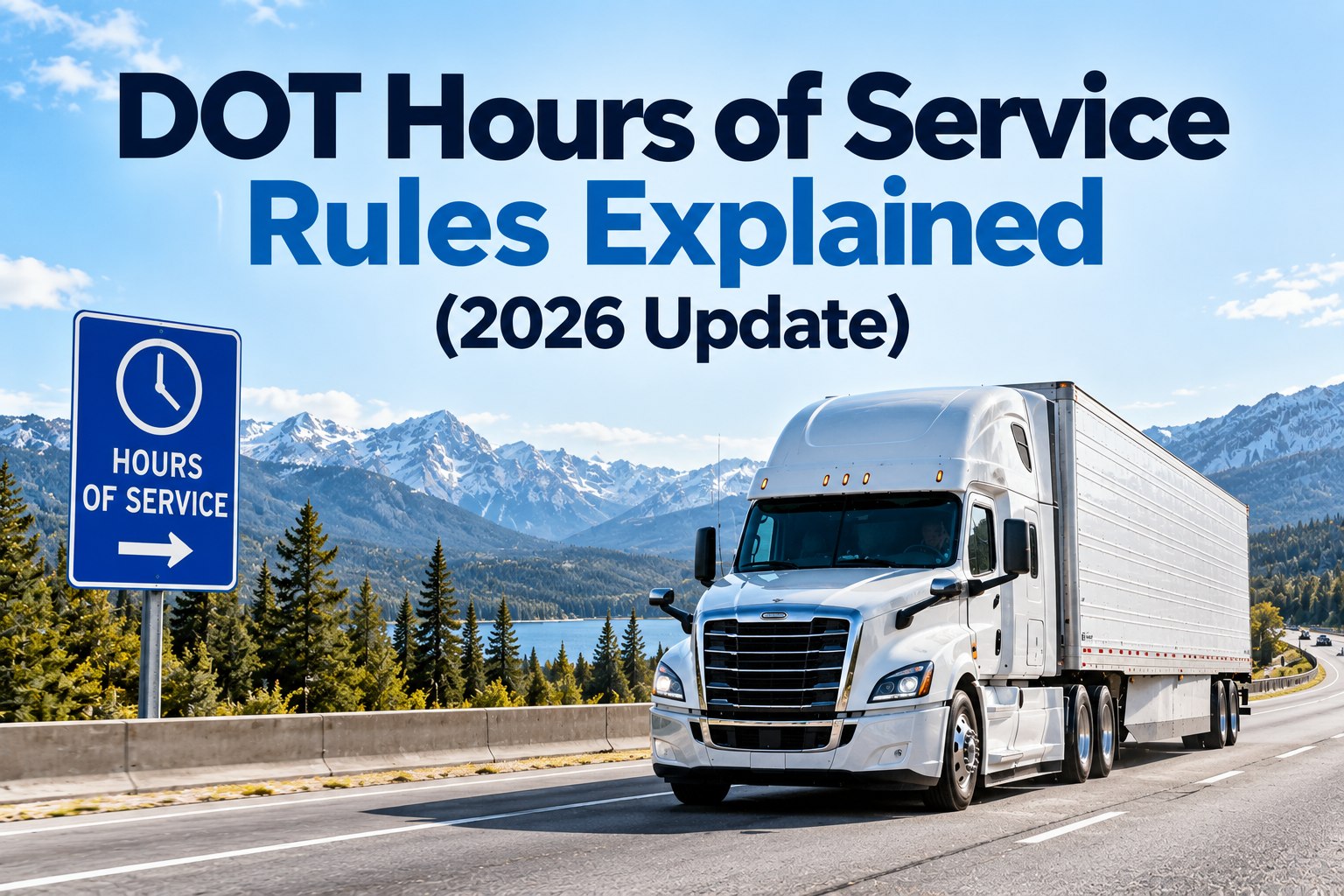
The 4 HOS Rules That Matter
Every property-carrying driver in interstate commerce must follow these four core rules. Understanding them is the first step to preventing violations:
Driving Limit
Max 11 hours driving after 10 consecutive hours off duty
On-Duty Window
Cannot drive beyond 14th hour after coming on duty
Break Required
30-min break after 8 cumulative hours of driving
Cycle Limit
Max 60h in 7 days or 70h in 8 days
Split Sleeper Berth: Drivers can split their 10-hour off-duty into two periods — one at least 7 hours in sleeper berth, another at least 2 hours. This gives long-haul drivers more flexibility without violating HOS rules.
Who Needs to Track HOS? ELD Requirements Explained
The ELD mandate applies to most commercial motor vehicle drivers operating in interstate commerce. But not everyone needs an electronic logging device. Understanding the exemptions helps you determine what compliance requirements apply to your fleet:
CMVs over 10,001 lbs in interstate commerce
Drivers required to maintain RODS (Records of Duty Status)
Vehicles transporting hazardous materials requiring placards
Passenger vehicles designed for 9+ passengers (for compensation)
Passenger vehicles designed for 16+ passengers (any purpose)
Short-haul drivers within 150 air miles returning within 14 hours
Drivers using paper logs 8 or fewer days per 30-day period
Drive-away/tow-away operations (vehicle is the commodity)
Vehicles manufactured before model year 2000
Drivers of motorcoaches/buses used for personal conveyance
Short-Haul Exception Warning: If you exceed 150 air miles or work more than 14 hours even once in a month, you must use an ELD for that entire month. Many local drivers accidentally trigger this requirement without realizing it.
What HOS Violations Actually Cost
The direct fines are painful enough. But the real damage comes from CSA score impact, lost contracts, and operational disruptions that compound over time:
Per Violation Fine
Falsifying logs: up to $15,846. Egregious violations (3+ hours over limit): up to $16,000 per incident.
Out of Service
Driver cannot move vehicle until compliant. Late deliveries, spoiled loads, and lost customer trust.
CSA Score Hit
Higher scores = more inspections, higher insurance premiums, and lost freight contracts. Stays on record 24 months.
of drivers placed out of service during International Roadcheck 2022 were due to falsified logbooks. Accurate ELD records eliminate this risk entirely.
From Reactive to Proactive Compliance
Most fleets operate in reactive mode — reviewing logs at end of day, catching violations after they've already happened, scrambling during audits. The fleets with clean CSA scores do it differently. They track HOS in real-time and prevent violations before they occur. Here's how FleetRabbit's automated system works:
End-of-day log reviews
Manual error correction
Violations discovered at inspection
Scrambling during DOT audits
CSA score surprises
VS
Live duty status dashboard
Automated alerts before limits
Violations prevented proactively
Audit-ready reports on demand
CSA score protection
See Your Fleet's HOS Status in Real-Time
FleetRabbit syncs with your ELD to show remaining hours, breaks due, and violations about to happen. No spreadsheets. No surprises.
Top 5 HOS Violations to Avoid
These five violations account for the majority of HOS-related fines and out-of-service orders. Knowing them helps you build processes to prevent them:
01
Exceeding 14-Hour Window
Avg Fine: $7,322
The 14-hour clock starts when you come on duty and doesn't pause for breaks. Critical violation.
02
Exceeding 60/70-Hour Limit
Avg Fine: $4,787 • Max: $21,780
Requires tracking cumulative hours over 7-8 day periods. Easy to miss without automated tracking.
03
No Record of Duty Status
Form & Manner Violation
Failing to maintain current logs. ELD malfunctions must be documented with paper backups for 8 days.
04
False or Inaccurate Logs
Fine: Up to $15,846
Can result in CDL suspension, criminal charges, and immediate out-of-service order.
05
Missing 30-Minute Break
Common Oversight
Required after 8 hours of driving. Often overlooked on regional routes but enforced at inspections.
For comprehensive maintenance tracking that integrates with your HOS compliance program, see our PM Services Class A-D Maintenance Checklists guide. Keeping trucks roadworthy reduces unexpected breakdowns that push drivers past their limits.
How FleetRabbit Tracks HOS Compliance
FleetRabbit connects with your existing ELD hardware to provide real-time visibility into every driver's duty status. No more end-of-day surprises. No more audit scrambles. Here's what you get:
Real-Time Duty Status
See driving, on-duty, off-duty, and sleeper berth time for every driver. Know exactly how many hours remain before limits hit.
Violation Alerts
Automatic warnings before drivers approach 11-hour, 14-hour, or 60/70-hour limits. Prevent violations before they happen.
Audit-Ready Reports
Generate FMCSA-compliant reports instantly for DOT audits or roadside inspections. Complete driver history in one click.
Mobile Driver App
Drivers view remaining hours, log duty status changes, and receive alerts on their phone. Works with existing ELD hardware.
ELD Integration
Connects with Samsara, Geotab, KeepTruckin, and 50+ other ELD providers. No hardware changes required.
CSA Score Tracking
Monitor your HOS Compliance BASIC score and identify drivers at risk before violations impact your safety rating.
Fleets using real-time HOS tracking see dramatic improvements
Carriers using ELDs with automated alerts experience 53% fewer HOS violations compared to those relying on paper logs or end-of-day reviews. The difference comes from prevention vs reaction — catching issues before they become violations.
What Happens During a DOT Audit
DOT audits can happen anytime — triggered by complaints, crash investigations, or random selection. When auditors arrive, they're looking at your HOS records going back 6 months. Here's what they check and how to be ready:
1
Document Request
Auditors request driver logs, ELD data, supporting documents (fuel receipts, toll records, dispatch logs) for the past 6 months. With FleetRabbit, generate this in one click.
2
Log Analysis
They check for patterns: repeated limit violations, missing entries, suspicious edits, gaps between logs and supporting documents. Automated tracking eliminates these red flags.
3
Violation Calculation
If your violation rate exceeds 10% of reviewed records, you face "critical" status. This triggers conditional safety ratings, increased inspections, and potential shutdown orders.
4
Safety Rating Impact
Results affect your SMS percentiles, insurance premiums, and ability to win contracts. Shippers routinely check carrier safety scores before awarding freight.
Be Audit-Ready Before the Auditor Arrives
FleetRabbit generates complete HOS reports with driver logs, supporting documents, and violation history — all in FMCSA-compliant format. No more scrambling.
Frequently Asked Questions
Who is exempt from ELD requirements?
+
Short-haul drivers operating within 150 air miles who return within 14 hours are exempt. Also exempt: drivers using paper logs for 8 or fewer days per 30-day period, drive-away/tow-away operations, and vehicles manufactured before model year 2000.
Can I extend driving time for bad weather?
+
Yes. The Adverse Driving Conditions exception allows up to 2 extra hours of driving when conditions like snow, fog, or unexpected traffic prevent safe completion of your trip. Must be documented and cannot be anticipated before your trip begins.
How does the 34-hour restart work?
+
Taking 34 consecutive hours off duty resets your 60/70-hour clock to zero. This allows you to start a fresh 7 or 8-day cycle. Use it strategically during busy weeks to maximize available driving hours legally.
What's personal conveyance and when can I use it?
+
Personal conveyance is off-duty driving for personal reasons — to a restaurant, truck stop, or home. You cannot use it to reposition for your next load or move closer to a pickup at dispatcher's request. Must be truly personal movement.
How long do HOS violations stay on record?
+
HOS violations remain on your CSA record for 24 months, with recent violations weighted more heavily. They also appear on your Pre-employment Screening Program (PSP) report for 3 years, which prospective employers can access.
Stop Chasing Violations After They Happen
See Your Fleet's HOS Dashboard in a Live Demo
FleetRabbit alerts you before drivers hit limits, generates audit-ready reports, and keeps your CSA scores clean. Setup takes under 48 hours.
No credit card required • Free for up to 3 assets • 500+ fleets trust FleetRabbit
April 20, 2026By James Henderson
All Blogs