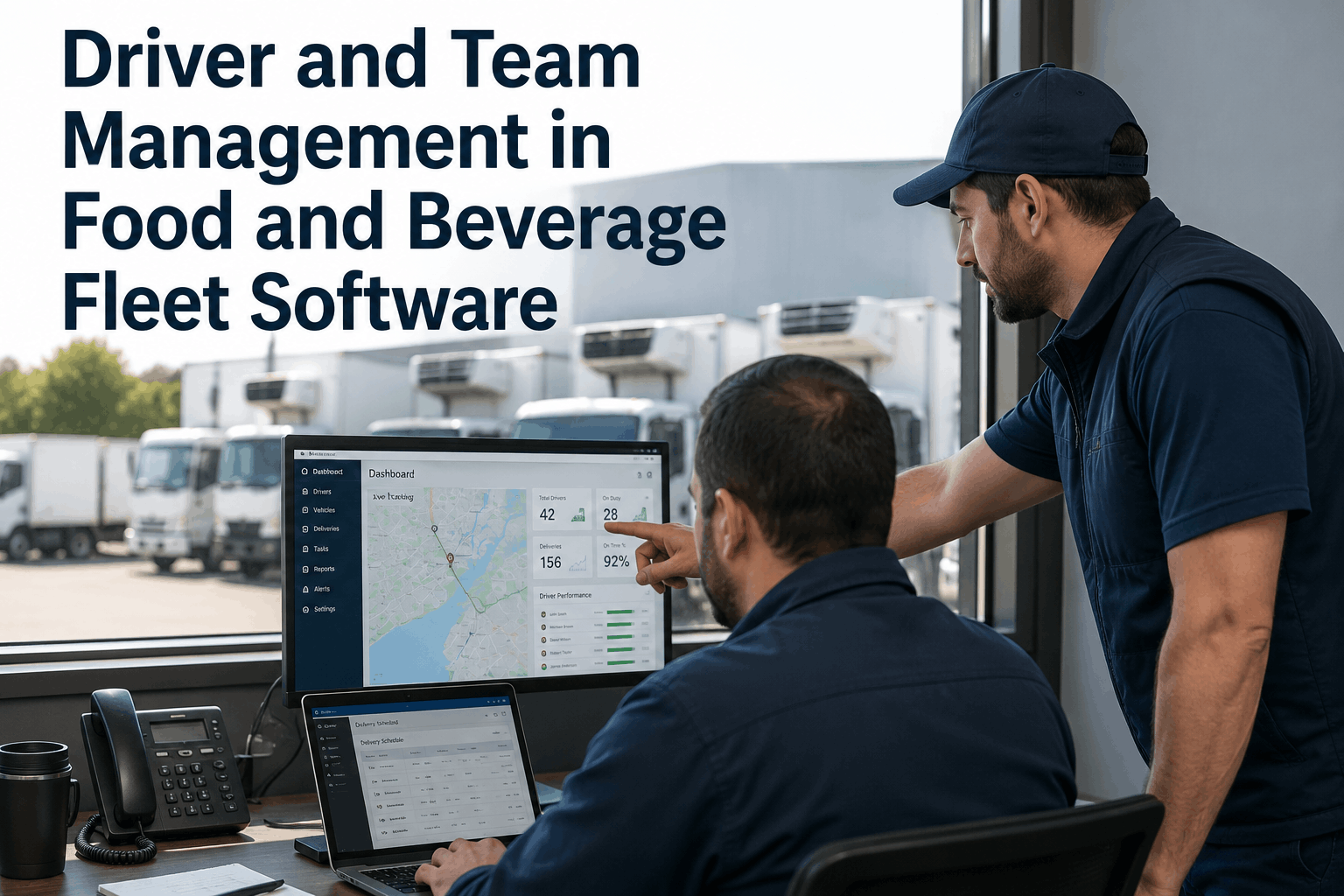
In the high-stakes world of food and beverage logistics, success hinges on two critical elements: the integrity of the cold chain and the quality of the human chain. Drivers and warehouse teams are the frontline ambassadors of your brand and the custodians of your payload. Yet, the industry is grappling with a scarcity of qualified drivers, rising safety concerns, and the relentless pressure of on-time delivery. This guide explores how specialized fleet software is transforming driver and team management, creating a culture of safety, recognition, and efficiency, and enabling operations to meet the exacting standards of food and beverage distribution.
The Unique Human Challenge in Food and Beverage Fleet Management
Managing a driver and team in the food and beverage sector is vastly different from general freight. The stakes are exceptionally high due to the perishable nature of the cargo. A delayed or inefficient delivery route can mean spoiled goods, lost revenue, and damaged customer relationships. Furthermore, the Food Safety Modernization Act imposes strict regulatory requirements, demanding meticulous documentation of temperature logs, driver hours, and vehicle cleanliness. This pressure-cooker environment demands a management approach that is proactive, data-driven, and deeply supportive of the workforce. In this business, there is little room for error; if a reefer fails or an accident happens, it can directly impact a company's reputation and margins.
Strategic Driver Management
Modern fleet management software transcends simple vehicle tracking to become a comprehensive tool for managing the human element of logistics. It helps align operational goals with driver success, fostering a safer, more efficient, and more stable workforce.
- Driver Retention and Engagement: With driver shortages being a major industry bottleneck, retention is paramount. Advanced platforms now include gamification tools that recognize and reward safe driving behaviors, creating a sense of friendly competition and achievement.
- Safety-First Culture: AI-powered dash cams and in-cab alerts provide real-time feedback, enabling drivers to self-correct unsafe habits like harsh braking or rapid acceleration. This proactive approach, rather than punitive measures, builds a culture of safety.
- Efficient Dispatching and Communication: Integrated driver messaging systems eliminate the need for time-consuming phone calls, allowing managers and dispatchers to send instructions, route updates, and safety alerts directly to drivers. This improves communication clarity and reduces driver distraction while on the road.
Fleet Management: Key Pillars of Driver and Team Management
Effective team management in this sector rests on several foundational pillars, each enabled by advanced software features.
- Simplified Compliance: Automated logging of hours of service, driver vehicle inspection reports, and temperature monitoring ensures audit-ready records without administrative burden. This frees managers from chasing paperwork and allows them to focus on strategic oversight.
- Performance and Visibility: Dashboards provide real-time visibility into fleet performance, allowing dispatchers and supervisors to identify drivers who may be off-route, delayed, or in need of immediate assistance. This visibility is crucial for proactive problem-solving and customer communication.
- Data-Driven Coaching: Driver scorecards highlight both positive performance and areas for improvement. Managers can use this data for constructive, targeted coaching sessions, moving beyond generic safety meetings to personalized development plans.
- Integrated Maintenance and Uptime: A breakdown in a food and beverage fleet is catastrophic, often leading to spoiled goods. Software that integrates with telematics can provide predictive maintenance alerts, ensuring vehicles are serviced before a failure occurs, maximizing uptime and protecting the cargo.
Pillars of Effective Driver and Team Management
The integration of driver management with cold chain and maintenance data creates a unified operational picture. When a dispatcher sees a potential delay, they can proactively adjust routes and communicate with the customer, safeguarding both the delivery and the relationship. Sign up to see how FleetRabbit unifies these critical functions on a single platform.
Transforming Team Culture with Technology
Ultimately, the goal of driver and team management software is to shift organizational culture from reactive to proactive. By celebrating safe drivers and providing transparent, actionable data, you move from a policing mindset to a coaching and partnership mindset. The result is a more engaged, reliable, and resilient team capable of meeting the demands of the industry. This is not just about managing a fleet; it is about empowering the people who keep the supply chain moving. Book a demo and discover how FleetRabbit can help you build a safer, more efficient, and more engaged team.
Modern solutions also facilitate a driver-first support structure, where drivers feel valued and supported through AI-powered feedback and recognition. This is critical for building safer habits and stronger retention, which in turn reduces the costs associated with turnover and onboarding. Sign up to start your journey toward a more connected and productive operation.
Building a Unified Operations Platform
The most successful fleet software for food and beverage distribution connects the driver, the vehicle, and the cargo. By bringing together real-time temperature monitoring, vehicle diagnostics, and driver performance metrics, it provides a single source of truth for all operations. This eliminates data silos and allows for more efficient, informed decision-making across all levels of the organization. When managers, dispatchers, and drivers work from the same playbook, the entire operation becomes more synchronized and resilient. Book a demo to see how FleetRabbit delivers this unified view.
Ready to Empower Your Fleet Team?
Boost safety, maximize efficiency, and achieve unprecedented compliance with FleetRabbit's driver-centric platform.
Frequently Asked Questions
AI-powered dash cams and in-cab alerts provide real-time feedback to drivers, helping them self-correct dangerous behaviors. Fleet management platforms also provide driver scorecards, allowing for targeted coaching and the creation of reward programs for safe driving.
Gamification uses safety scores and recognition tools to incentivize safe driving and foster a sense of competition among drivers. By rewarding positive performance, fleets have seen increased driver engagement and a notable reduction in incidents.
Driver retention is critical due to industry-wide shortages and the high cost of turnover. The food and beverage sector faces unique challenges, such as temperature-controlled deliveries and FSMA compliance, requiring experienced, reliable drivers. Retaining them reduces training costs and ensures service reliability.
A unified platform provides a single source of truth for all operational data, including driver behavior, vehicle maintenance, and cold chain monitoring. This eliminates data silos, enabling more informed and efficient decision-making across dispatch, safety, and management teams.
FleetRabbit provides comprehensive tools to manage the entire lifecycle of food and beverage fleets. This includes real-time temperature monitoring for FSMA compliance, preventive maintenance scheduling to avoid costly breakdowns, and seamless integration with telematics and GPS platforms to keep you connected to your team.
Join 2,500+ Fleets Using FleetRabbit
From driver coaching to cold chain compliance, FleetRabbit is the all-in-one solution for modern food and beverage distribution.