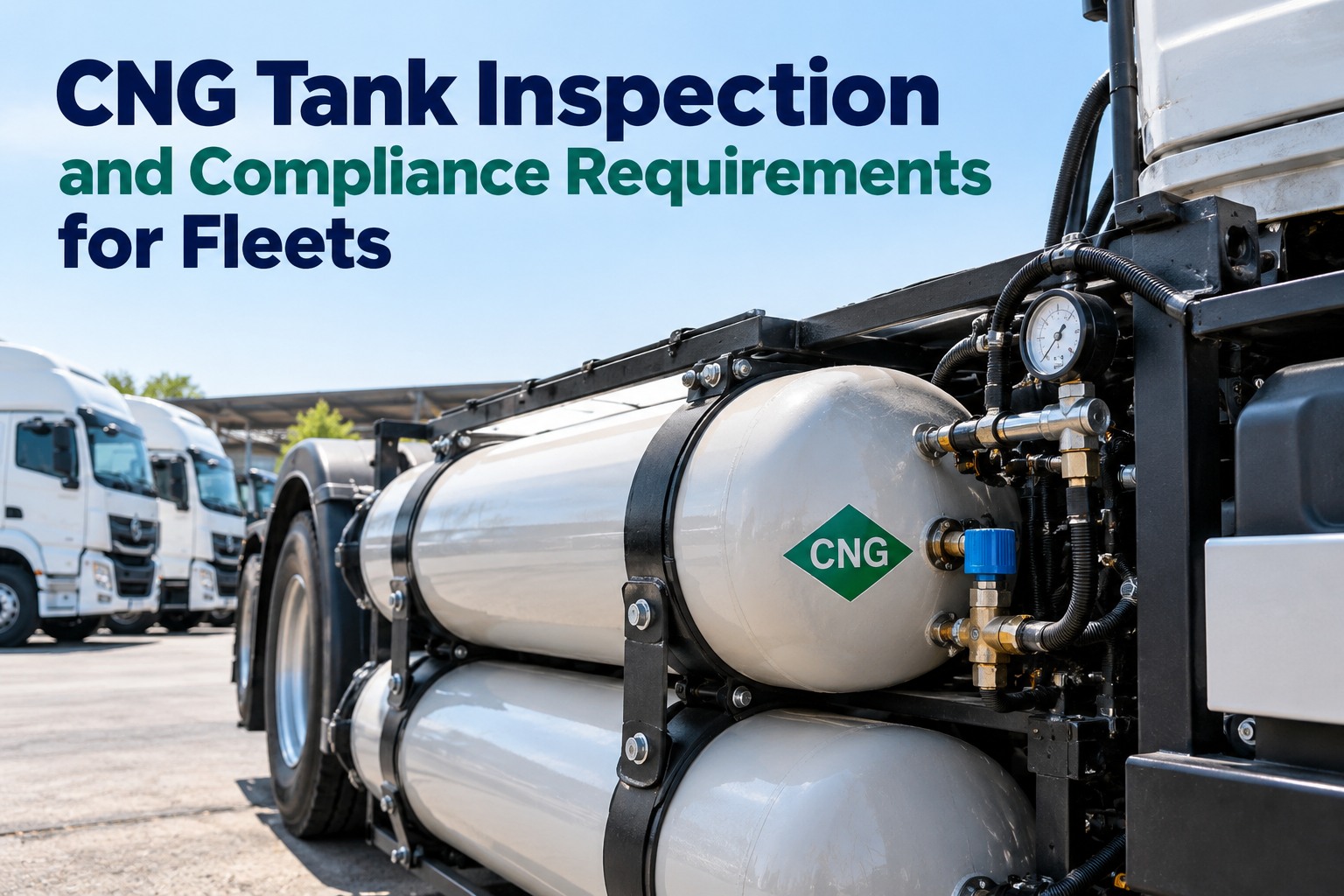
For fleet managers and technicians, properly interpreting OEM engine oil specifications is crucial to ensuring optimal performance and longevity of commercial truck engines. Each manufacturer has developed their own set of requirements, creating a complex landscape of specifications that can be challenging to navigate. This comprehensive guide breaks down how to read and understand engine oil specifications for three major truck engine manufacturers: Cummins, Detroit, and Volvo.
Understanding the Basics of Engine Oil Specifications
Before diving into manufacturer-specific details, it's important to understand the basic components of engine oil specifications:
Viscosity Grades
Viscosity is perhaps the most recognizable specification, expressed as numbers like 15W-40 or 10W-30:
- The first number followed by "W" indicates cold temperature performance (W stands for winter)
- The second number indicates high-temperature viscosity
- Lower numbers mean thinner oil, higher numbers indicate thicker oil
Performance Classifications
These typically include:
- API (American Petroleum Institute) categories
- ACEA (European Automobile Manufacturers Association) specifications
- Manufacturer-specific approvals and certifications
Decoding Cummins Engine Oil Specifications
Cummins engines are widely used across North America and globally, with specifications that have evolved significantly over the years.
Current Cummins Oil Standards
Cummins uses a system called CES (Cummins Engineering Standard) followed by a numerical designation. The most common specifications include:
- CES 20092: For older engines, compatible with API CK-4 oils
- CES 20086: For 2017 and newer engines, requiring lower ash content
- CES 20087: For natural gas engines
- CES 20081: For legacy engines manufactured before 2017
Interpreting Cummins Recommendations
When reading Cummins engine oil specs, pay special attention to:
- Sulfated Ash Content: Critical for emissions system longevity
- TBN (Total Base Number): Indicates the oil's ability to neutralize acids
- Viscosity Recommendations by Climate: Cummins often provides different viscosity recommendations based on ambient temperature ranges
Example Cummins Specification
For a 2022 Cummins X15 engine, specifications might read:
"Requires CES 20086, API CK-4 oil with maximum sulfated ash content of 1.0%, 10W-30 viscosity recommended for ambient temperatures between -15°F to 100°F."
Navigating Detroit Engine Oil Requirements
Detroit Diesel (now Detroit) engines have their own unique set of requirements that have become increasingly stringent with newer emission systems.
Detroit Diesel Fluid Specifications (DFS)
Detroit uses the DFS system to classify their oil requirements:
- DFS 93K222: For older pre-2010 engines
- DFS 93K223: For 2010-2016 engines with EGR and DPF
- DFS 93K224: For GHG17 and newer engines
Critical Elements in Detroit Specs
When analyzing Detroit engine oil specifications, focus on:
- Oil Change Intervals: Often tied directly to the oil specification
- Additive Packages: Detroit engines can be sensitive to certain additive formulations
- Phosphorus and Zinc Levels: Critical for component longevity
- Biodiesel Compatibility: Especially important for fleets using biodiesel blends
Example Detroit Specification
For a 2023 Detroit DD15 engine, you might see:
"Requires DFS 93K224 approved oil, API CK-4 or FA-4 with 10W-30 viscosity. Maximum sulfated ash content 1.0%. Oil drain interval up to 50,000 miles with approved oils and engine monitoring."
Understanding Volvo Engine Oil Specifications
Volvo Trucks uses its own designation system, often referencing both European and North American standards.
Volvo Engine Oil Standards
Volvo specifications include:
- Volvo VDS-4.5: For current generation engines, compatible with API CK-4
- Volvo VDS-5: For newest generation engines, often requiring FA-4 oils
- Volvo VDS-4: For older engines manufactured between 2010-2017
- Volvo VDS-3: For legacy engines
Key Factors in Volvo Specifications
When interpreting Volvo engine oil specs, pay special attention to:
- European vs. North American Requirements: Volvo often references both ACEA and API standards
- Viscosity Preferences: Volvo has been moving toward lower viscosity oils
- Extended Drain Interval Requirements: Specific oils may be approved for longer service intervals
- Emission System Compatibility: Particularly important for SCR and DPF equipped engines
Example Volvo Specification
For a 2024 Volvo D13 engine, specifications might include:
"Requires Volvo VDS-5 approved oil, compatible with API FA-4, 10W-30 viscosity. Extended drain intervals of 60,000 miles available with approved oils and oil analysis program."
Cross-Referencing Manufacturer Specifications
One of the most challenging aspects for technicians is finding oils that meet multiple OEM specifications. Here's how to approach this process:
Common Ground Between Manufacturers
Most modern heavy-duty engine oils will list their approvals directly on the packaging. Look for:
- API Service Categories: Most current engines require minimum API CK-4
- Multiple OEM Approvals: Premium oils often carry approvals from multiple manufacturers
- Viscosity Alignment: Ensure the viscosity grade meets all relevant OEM specifications
Creating a Specification Matrix
For mixed fleets, creating a cross-reference matrix can be invaluable:
| Engine Type | API Spec | OEM Spec | Preferred Viscosity | Ash Content |
|---|---|---|---|---|
| Cummins X15 (2021+) | CK-4 | CES 20086 | 10W-30 | 1.0% max |
| Detroit DD15 (2022+) | CK-4/FA-4 | DFS 93K224 | 10W-30 | 1.0% max |
| Volvo D13 (2023+) | FA-4 | VDS-5 | 10W-30 | 1.0% max |
Common Mistakes in Interpreting OEM Engine Oil Specs
Even experienced technicians can misinterpret specifications. Here are common pitfalls to avoid:
1. Relying Solely on API Classifications
While API categories (like CK-4) provide a baseline, manufacturer-specific requirements often include additional parameters not covered by API.
2. Ignoring Ambient Temperature Recommendations
Viscosity recommendations often vary by climate and operating conditions. Using a 15W-40 when a 5W-30 is recommended for cold climates can significantly impact engine protection.
3. Missing Updates to Specifications
Manufacturers occasionally update their requirements. Always check the most recent engine manual or manufacturer website for the latest specifications.
4. Overlooking Extended Drain Interval Requirements
Some oils meeting basic specifications may not qualify for extended drain intervals, which often have additional requirements.
Practical Guide for Technicians
For maintenance professionals working across multiple engine types, here's a practical approach to ensuring specification compliance:
1. Maintain Updated Documentation
Keep a current reference guide with the latest specifications for all engines in your fleet.
2. Understand the "Why" Behind Specifications
Knowing why certain specifications exist (emissions compliance, component protection, etc.) helps in making informed decisions when exact specification matches aren't available.
3. Implement Oil Analysis Programs
Regular oil analysis provides direct feedback on oil performance and can help optimize drain intervals while ensuring engine protection.
4. Consider Fleet Standardization Where Possible
For mixed fleets, finding oils that meet all relevant specifications can simplify inventory and reduce the risk of misapplication.
Conclusion
Understanding and correctly applying OEM engine oil specifications is a critical aspect of fleet maintenance. While the landscape of specifications from Cummins, Detroit, and Volvo may seem complex, a methodical approach to interpreting these requirements can lead to optimal engine protection, maximum service intervals, and lower total operating costs.
For fleets seeking to optimize their maintenance programs and ensure specification compliance across their equipment, comprehensive maintenance solutions can make a significant difference. At FleetRabbit, we specialize in helping fleet managers navigate these complex specifications and implement maintenance programs that ensure compliance while maximizing uptime.
Visit FleetRabbit.com to learn more about how our maintenance solutions can help your fleet achieve optimal performance while meeting all manufacturer specifications.