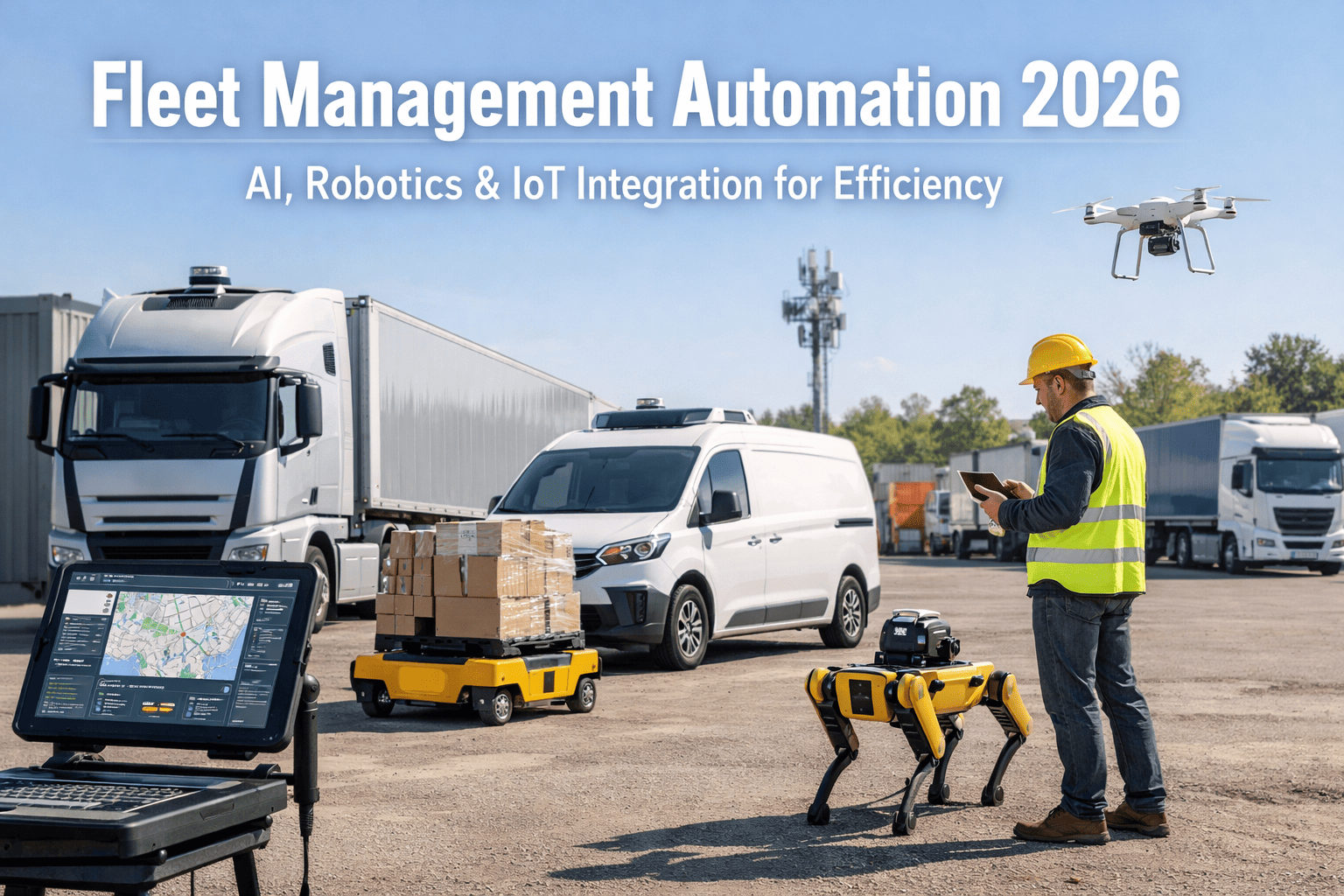
Fleet management automation is no longer a future consideration — it is the operational reality separating high-performing fleets from struggling ones in 2026. The global fleet management market hit $27 billion in 2025 and is accelerating toward $122 billion by 2035 at a 16.9% CAGR. Driving that growth: AI systems that predict failures before they happen, IoT sensors that feed real-time data to every decision, and robotics that automate the physical and administrative tasks that drain fleet budgets. For fleet managers and logistics operators, understanding what automation does — and how to deploy it — is now a core competency, not an optional upgrade. Book a free demo to see how FleetRabbit's automation platform works in your operation →
What Is Fleet Management Automation?
Fleet management automation is the use of interconnected technology systems — artificial intelligence, IoT sensors, robotics, and cloud platforms — to perform, optimize, and monitor fleet operations with minimal manual intervention. It replaces reactive, paper-based, and human-memory-dependent processes with systems that act on data continuously, consistently, and faster than any human team can.
The key shift in 2026 is the move from automation as a tool to automation as an operating model. Early fleet technology automated individual tasks — GPS showed vehicle location, ELDs logged hours. Modern automation creates feedback loops: IoT sensors detect an engine anomaly AI predicts a failure 3 weeks out, the system automatically schedules a maintenance window, orders the part, and updates the driver's route — with no dispatcher involved. Start FleetRabbit free — see automation across your entire fleet operation →
AI processes fleet data to make predictions, optimize routes, detect anomalies, and automate decisions that previously required experienced dispatchers or maintenance managers working from spreadsheets.
IoT sensors embedded in vehicles continuously feed real-time data — engine temperature, tire pressure, fuel consumption, brake wear, cargo weight — to the AI systems that analyze and act on it automatically.
From autonomous vehicles and robotic inspection drones to automated dispatch workflows and digital inspection systems, robotics eliminates manual execution across physical and administrative fleet operations.
AI in Fleet Management: From Data to Decisions in Real Time
Artificial intelligence transforms fleet management from a reactive discipline into a predictive one. Rather than discovering a brake problem when a truck breaks down, AI identifies the developing pattern weeks before failure and triggers action before downtime occurs. This shift — from fixing problems to preventing them — is where most of the financial value in fleet automation is generated.
AI connects telematics data — engine hours, DTC fault codes, oil pressure trends, coolant temperature patterns — with historical repair records to predict component failures 2–6 weeks before they occur. Instead of discovering a hydraulic pump failure during a delivery, the system identifies gradual pressure decay, flags the vehicle for scheduled replacement, and automatically generates a work order with the required parts. The cost difference: $800 planned depot repair versus $6,000+ emergency roadside event including towing, overtime, and SLA penalties.
AI routing engines recalculate fleet routes daily — or in real time — accounting for live traffic conditions, vehicle load capacity, driver shift windows, fuel stop locations, delivery time windows, and customer priority tiers. Unlike static route plans that become outdated the moment road conditions change, AI routes adapt continuously. Fleets using AI-optimized routing report 10–15% fuel savings from smarter sequencing alone, plus significant reductions in driver overtime from better workload balancing before the day begins.
AI systems score driver behavior continuously — harsh braking, aggressive acceleration, excessive idling, speed variance, seatbelt compliance — and generate coaching reports that identify exactly which behaviors are costing each driver in fuel and wear. Research shows 30%+ variance in fuel consumption between best and worst drivers on identical routes. AI coaching narrows that gap systematically: the top 10% of fleets by driver behavior performance achieve fuel economics that the bottom 10% cannot reach regardless of vehicle age or route quality.
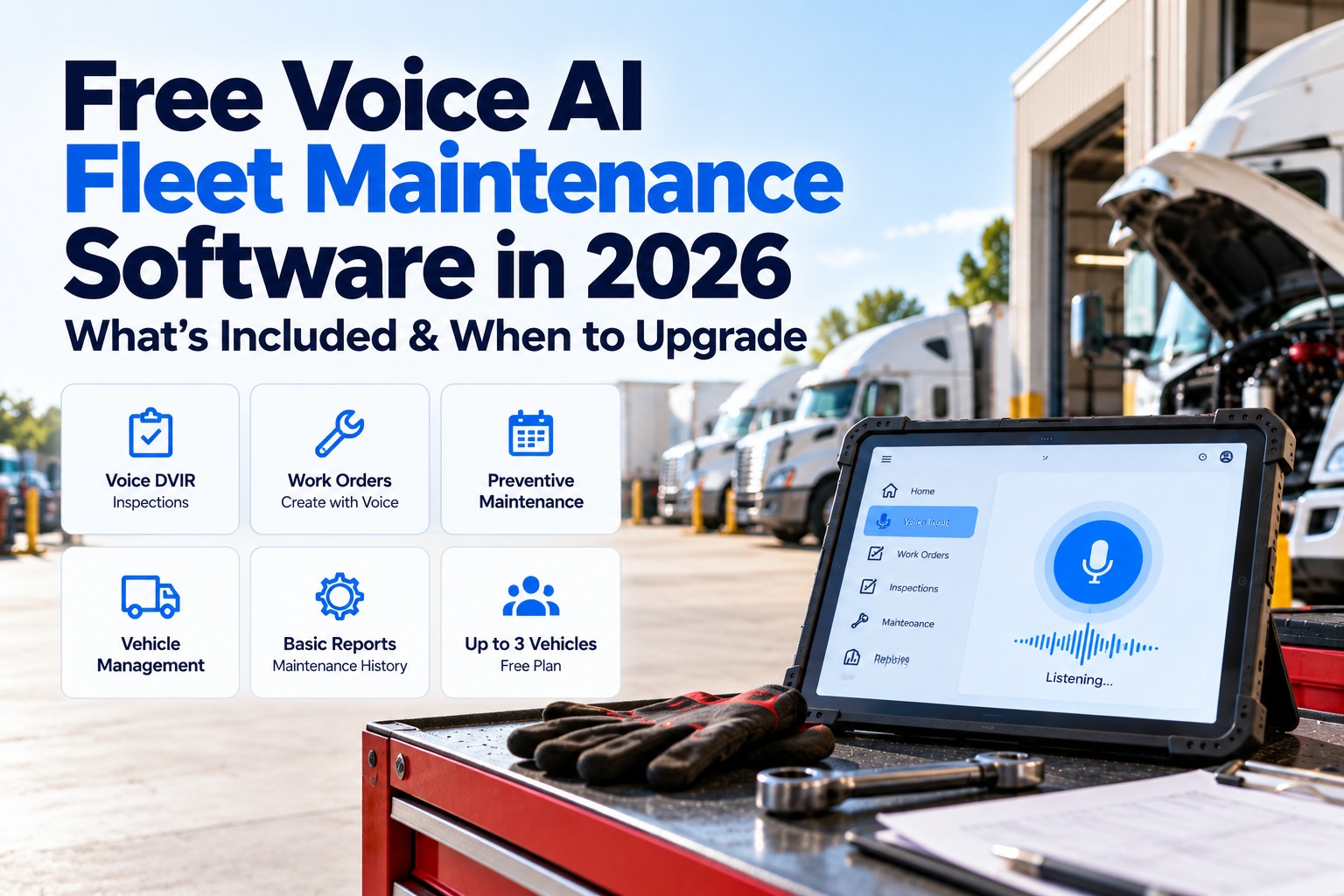
Predictive maintenance, route analytics, driver performance, compliance automation, and real-time dashboards — FleetRabbit brings every automation layer into one platform with no integration overhead. Free for 3 vehicles. $3/vehicle after that.
IoT Integration: The Nervous System of an Automated Fleet
IoT transforms vehicles from isolated machines into networked data sources. In 2026, over 90% of new commercial vehicles ship with embedded telematics, and 52% of fleets have deployed IoT-enabled management systems. The shift matters because AI is only as good as the data it receives — and IoT sensors make that data continuous, precise, and automatic rather than manually entered and frequently wrong.
Platform
Robotics in Fleet Management: Physical and Administrative Automation
Robotics in fleet management operates on two levels — physical robots that automate field operations and software robots (RPA) that automate administrative workflows. Both eliminate labor from low-value tasks and redirect human attention to decisions that genuinely require judgment.
The Automation ROI: What the Numbers Show
Fleet automation isn't a technology investment with uncertain returns. The financial outcomes are documented across thousands of fleet deployments, consistent enough to model with confidence. Schedule a ROI assessment with FleetRabbit to see projected savings for your specific fleet size and type →
Implementing Fleet Automation: A Practical Roadmap
The biggest mistake fleets make with automation is trying to automate everything at once. The highest-ROI path is sequential: start with the automation that generates data, then build the AI layer that analyzes it, then add the robotic execution layer that acts on it. FleetRabbit gets you to the first working automation in 48 hours — start free →
Connect Your Data Sources
Deploy GPS telematics and ELD integration across all vehicles. Connect IoT sensors for engine diagnostics. Establish the data pipeline that every automation layer above will depend on. Without real, continuous data, AI has nothing to analyze and automation has nothing to act on. Most fleets can complete this phase in under two weeks using OBD-II plug-in devices requiring no professional installation.
Replace Paper with Digital Workflows
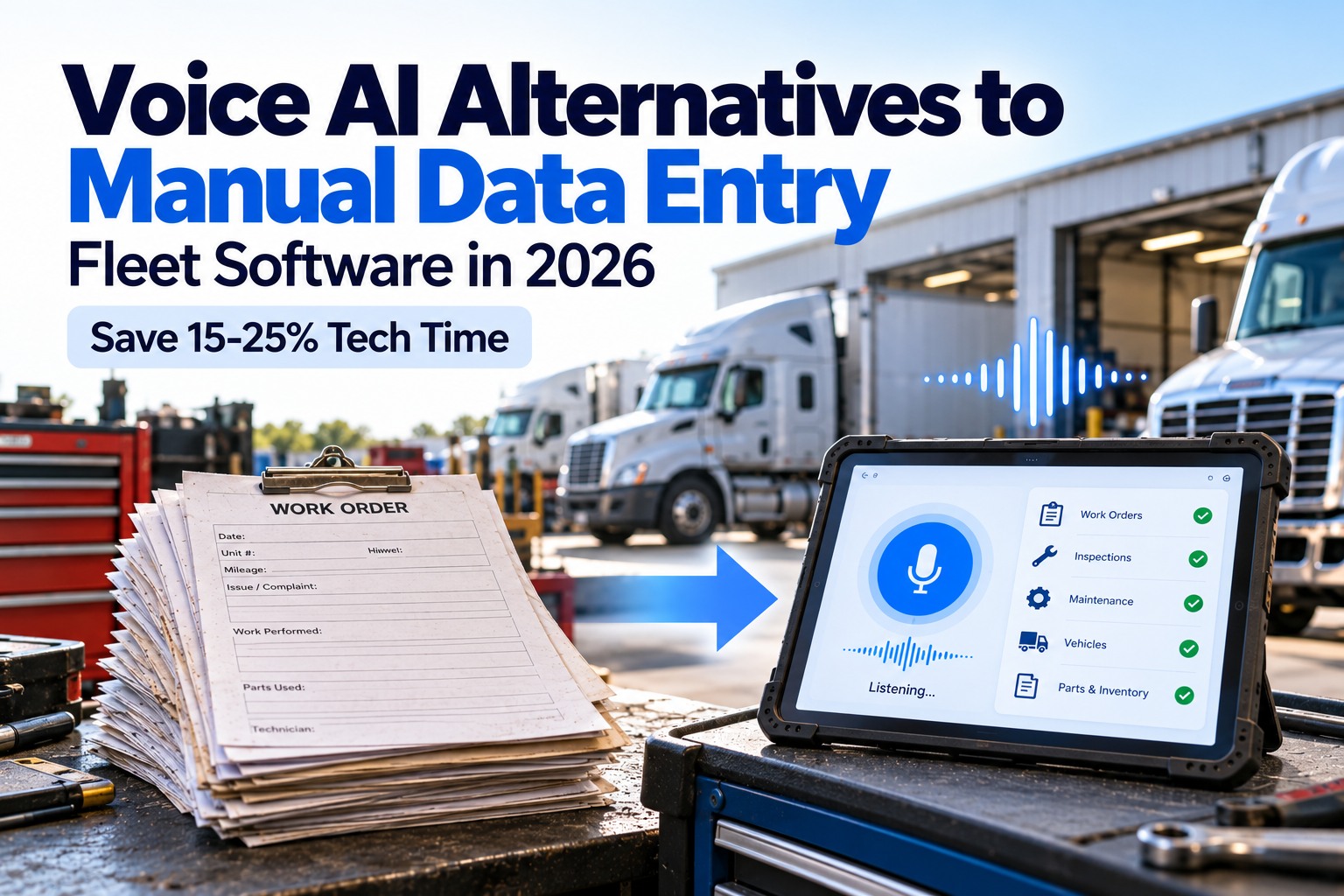
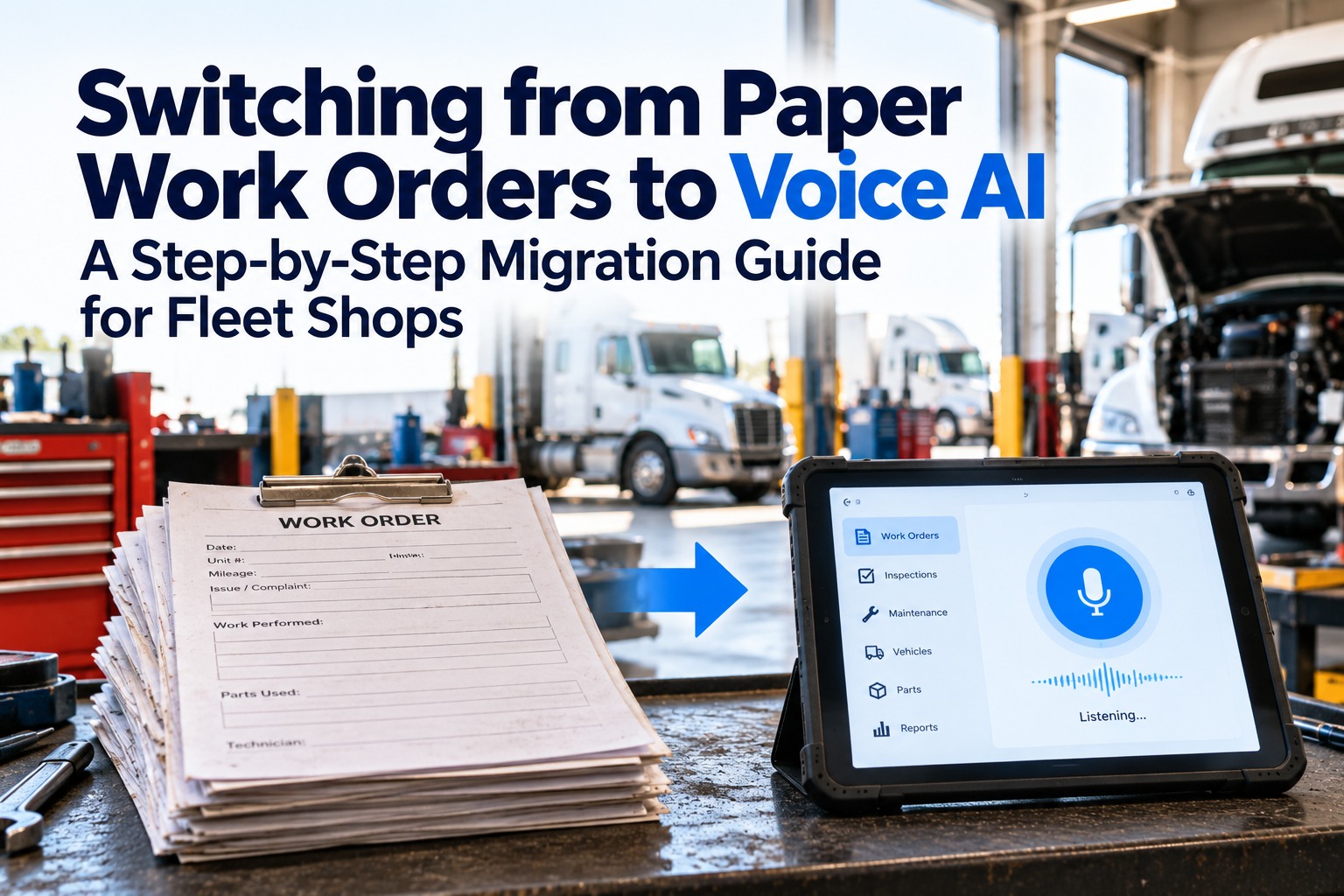
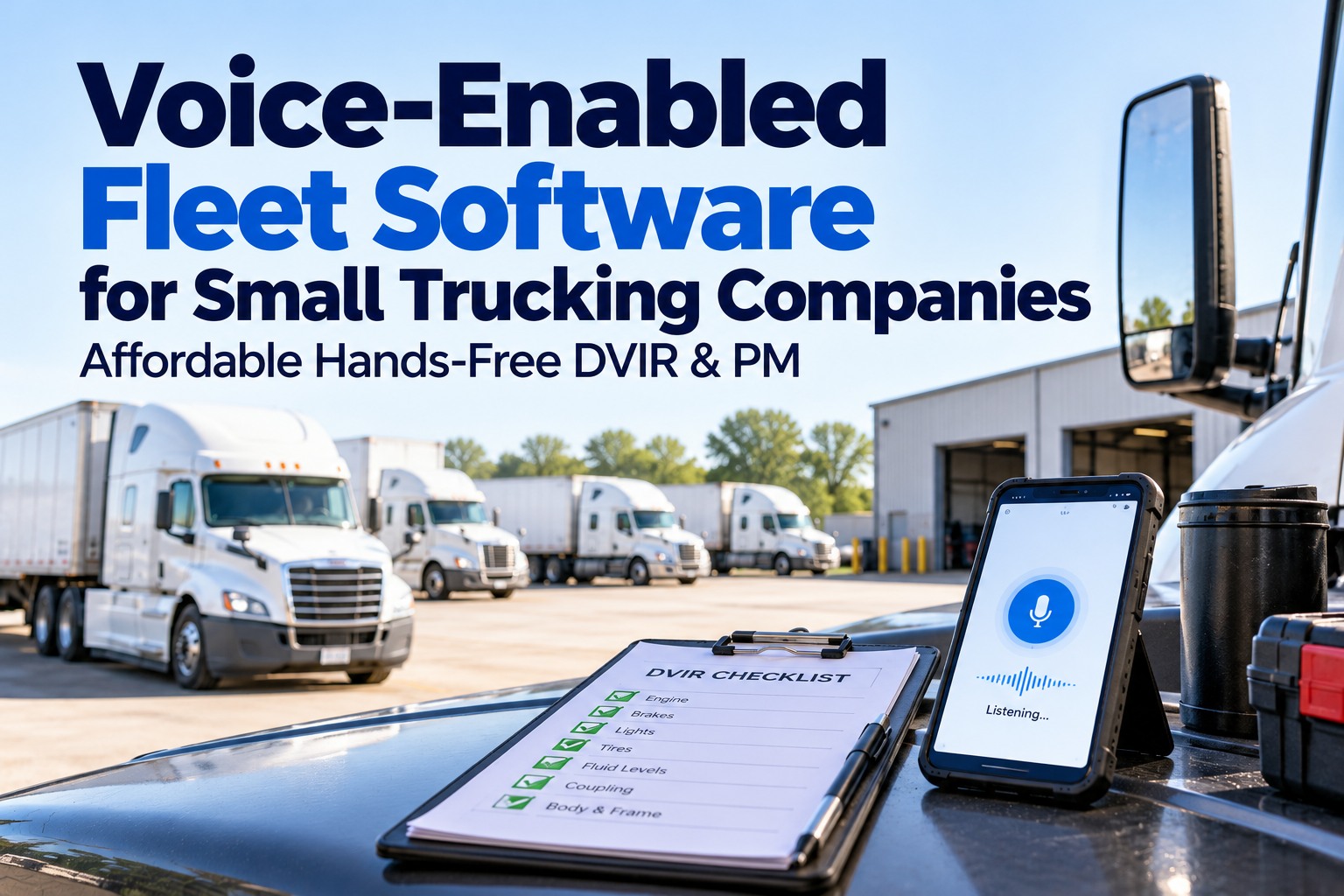
Transition from paper DVIRs to digital inspections with automated work order generation. Deploy driver mobile apps for inspection completion, defect reporting, and route navigation. This phase converts manual administrative work into data-generating digital processes. Every inspection becomes a searchable record; every defect becomes an automatic action trigger rather than a paper form waiting to be filed.
Turn Data into Predictions
With 4–6 weeks of vehicle data accumulated, activate AI predictive maintenance models. Enable route optimization for your highest-mileage corridors. Turn on driver behavior scoring and configure coaching report delivery. At this stage, the fleet management platform begins generating insights that would have required an experienced fleet analyst working full-time — automatically, continuously, for every vehicle simultaneously.
Automate the Execution Layer
Enable automated compliance reporting, parts reorder triggers, expiration alerts, and scheduled analytics delivery. At full deployment, your fleet management system is operating proactively — catching problems before drivers report them, ordering parts before shops run out, and generating audit packages before regulators request them. The administrative burden on dispatchers and fleet managers drops by 50–65%. Human attention is redirected to the decisions only humans can make.
Challenges to Expect — and How to Navigate Them
Data Quality at the Start
AI is only as good as the data it receives. Fleets with inconsistent telematics coverage, manually entered mileage records, or incomplete service histories will see lower initial AI accuracy. The solution: spend 2–3 weeks cleaning and standardizing existing data before activating AI models. The investment pays off in significantly faster accuracy improvement.
Driver Adoption Resistance
Drivers who've worked with paper systems for years may resist digital inspection apps and behavior monitoring systems. The key insight from successful implementations: present the technology as tools that protect drivers, not monitor them. Drivers who see their own performance data consistently improve — and fleets that share aggregate results with driver teams see adoption rates 60–80% higher than those that don't.
Integration Complexity
Fleets with existing telematics providers, separate maintenance systems, and different ELD vendors worry about integration overhead. Modern fleet management platforms like FleetRabbit connect with 200+ telematics providers and 50+ IoT device types through standardized APIs — eliminating the need to replace existing hardware. The platform overlays existing systems rather than replacing them.
Cybersecurity in Connected Systems
Upstream Security documented 494 automotive cyber incidents in 2025 — 92% conducted remotely, 44% involving ransomware. Every connected fleet system is a potential attack surface. In 2026, cybersecurity is a vendor qualification requirement, not a feature. Evaluate fleet management platforms on encryption standards, access control, incident response, and SOC 2 compliance before deployment.
Frequently Asked Questions
Fleets still running manual processes, paper DVIRs, and spreadsheet maintenance tracking are operating at a structural disadvantage against every operator using AI, IoT, and automated workflows. The gap widens every quarter. FleetRabbit gives you the complete automation platform — AI maintenance, digital inspections, route optimization, compliance automation, and real-time analytics — in one system, starting free.