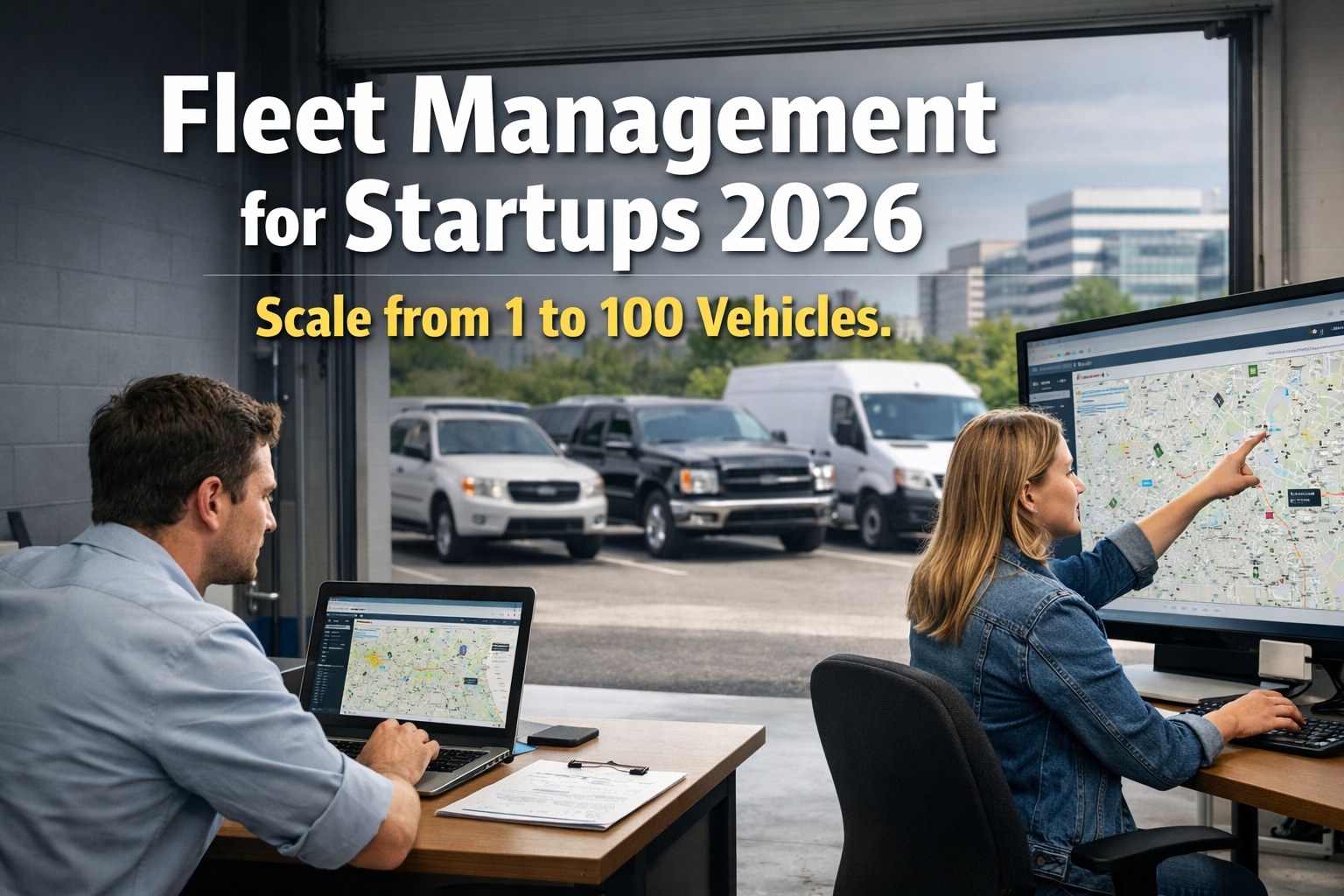
Startup fleet management is the fastest growing segment in commercial transportation technologyand for good reason. Whether you're launching a delivery service with three vans, building a mobile service business, or scaling an e-commerce logistics operation, how you manage your fleet from day one determines whether you'll thrive at 100 vehicles or collapse under operational chaos. The difference between startups that scale successfully and those that stall isn't luck—it's implementing the right fleet management systems early, before bad habits become expensive problems. This comprehensive guide covers everything startup founders and small fleet operators need to know about fleet management in 2026, from free tools that work at small scale to technology stacks that grow with you, lean processes that maximize every dollar, and practical strategies for scaling from 1 to 100+ vehicles without losing control. Start your fleet management journey today, or schedule a free consultation for startups.
Fleet Management for Startups
Scale from 1 to 100+ vehicles with lean processes, free tools, and technology that grows with your business.
Why Fleet Management Matters for Startups
Many startup founders treat fleet management as something they'll figure out later—after they've proven the business model, after they've raised funding, after they've grown to a certain size. This is a costly mistake. Fleet operations compound: good habits established early create efficiency that scales, while shortcuts and chaos become exponentially more expensive to fix as you grow.
Cash Flow Protection
Fleet costs are typically 15-25% of startup operating expenses. Uncontrolled fuel spending, unexpected repairs, and inefficient routing drain cash that should fund growth. Even basic fleet management reduces these costs 20-30%.
Service Consistency
Your fleet is your service delivery mechanism. Breakdowns mean missed deliveries, late arrivals, and broken customer promises. Fleet management ensures reliability that builds reputation and repeat business.
Team Accountability
As you hire drivers, you need visibility into how vehicles are used. Fleet management creates accountability without micromanagement—objective data instead of subjective observations.
Investor Readiness
Investors evaluate operational maturity. Startups with professional fleet management demonstrate scalability and operational discipline. Chaotic operations raise red flags about management capability.
The startups that scale fleet operations successfully share a common trait: they implement fleet management systems before they urgently need them. When you're running 3 vehicles, you can manage by intuition. At 10 vehicles, cracks appear. At 25, those cracks become crises. Build the foundation early.
Key Challenges for Startup Fleets
Startup fleet management comes with unique challenges that differ from established enterprise operations. Understanding these challenges helps you prepare solutions before they become emergencies.
Limited Capital for Technology
Enterprise fleet software often costs $50-100+ per vehicle monthly—prohibitive for bootstrapped startups. You need solutions that deliver value at startup scale without enterprise pricing.
Founder Time Constraints
Startup founders wear every hat. You can't spend hours daily on fleet administration when you're also handling sales, customer service, and strategy. Fleet management must be efficient.
Unpredictable Growth
Startups may double fleet size in months or pivot entirely. Technology and processes must flex with rapid changes without requiring complete rebuilds.
Mixed Vehicle Assets
Startup fleets often include a mix of owned vehicles, leased vehicles, employee personal vehicles, and rental supplements. Traditional fleet management assumes homogeneous fleets.
Fleet Management Built for Startups
FleetRabbit offers startup-friendly pricing, free trials, and scalable features that grow with your business from 1 to 100+ vehicles.
Technology Stack for Startup Fleet Management
Building the right technology stack at each growth stage ensures you're not overpaying for features you don't need while avoiding capability gaps that limit growth. Here's the recommended startup fleet software progression:
Essential Tools (Free or Low-Cost)
Focus: Establish basic tracking habits without significant investment. Manual processes acceptable at this scale.
Professional Fleet Management
Focus: Automate routine tasks. Implement exception-based management. Build data history for optimization.
Advanced Fleet Intelligence
Focus: Leverage AI for optimization. Hire dedicated fleet manager. Integrate with business systems.
Scaling Fleet from 1 to 100 Vehicles
Growing fleet management successfully requires hitting specific milestones at each stage. Here's what to focus on as you scale:
Foundation Building
Process Formalization
Optimization & Delegation
Enterprise Operations
Best Practices for Lean Fleet Operations
Lean fleet management maximizes efficiency while minimizing waste—essential for resource-constrained startups. These practices deliver results regardless of fleet size:
Preventive Over Reactive Maintenance
Every dollar spent on preventive maintenance saves $3-5 in emergency repairs. Schedule oil changes, tire rotations, and inspections religiously. Use mileage-based triggers, not "when it feels necessary."
Route Optimization from Day One
Even with 2-3 vehicles, optimize routes. Fuel is your largest variable cost. Free tools like Google Maps multi-stop routing provide immediate savings. Graduate to proper route optimization software as you grow.
Right-Size Your Fleet
Resist the temptation to buy vehicles "for growth." Idle vehicles drain cash through depreciation, insurance, and maintenance. Use rental supplements for peak demand until consistent volume justifies ownership.
Driver Accountability Without Micromanagement
Share key metrics with drivers: fuel efficiency, on-time performance, safety scores. Gamification and transparency drive behavior change better than surveillance. Recognize top performers.
Negotiate Everything
Fuel cards, insurance, maintenance providers, tire programs—negotiate rates even as a small fleet. Commit to volume growth projections in exchange for better rates today. Join fleet buying cooperatives.
Track Metrics That Matter
Cost per mile, fuel economy, maintenance cost per vehicle, on-time delivery rate. Start tracking early—even imperfect data beats no data. Trends tell you where to focus improvement efforts.
Future Trends in Startup Fleet Management
Several emerging trends will shape how startups manage fleets through the rest of the decade:
Mobile-First Fleet Management
Fleet management increasingly happens on smartphones, not desktop software. Founders manage fleets from anywhere. Drivers use apps for inspections, routing, and communication. Hardware-free tracking via smartphones reduces upfront costs.
AI-Powered Automation
Artificial intelligence handles routine fleet management decisions: optimal route selection, maintenance scheduling, driver assignment. Human oversight shifts to exceptions and strategic decisions. Small fleets access enterprise-grade AI through SaaS platforms.
EV-First Startups
New startups increasingly launch with electric vehicles rather than converting later. Lower operating costs, simpler maintenance, and sustainability credentials make EVs attractive for new fleets. Charging infrastructure and range continue improving.
Embedded Fleet Services
Fleet management capabilities embedded directly in vehicle purchases, insurance products, and financing packages. Startups access professional fleet tools as part of standard business services rather than separate software purchases.
Frequently Asked Questions
When should a startup invest in fleet management software?
Invest in basic fleet tracking software when you reach 5 vehicles or when fleet operations consume more than 2-3 hours of founder time weekly. At smaller scale, spreadsheets and free tools often suffice. The trigger is usually pain—when you're losing visibility, missing maintenance, or struggling with accountability, it's time to upgrade. Start with free or low-cost fleet management free tools before committing to expensive platforms.
What's the minimum budget for startup fleet management?
You can start with $0 using spreadsheets, Google Maps, and smartphone location sharing. Basic GPS fleet tracking starts around $15-20 per vehicle monthly. A comprehensive platform with route optimization, maintenance tracking, and driver management typically costs $25-40 per vehicle monthly. Budget roughly $300-500 monthly for a 10-vehicle startup fleet with professional management tools.
Should startups lease or buy fleet vehicles?
Leasing typically makes more sense for startups due to lower upfront capital requirements, predictable monthly costs, and flexibility to adjust fleet size. Buying makes sense when you have strong cash position, stable vehicle needs, and plan to operate vehicles 5+ years. Many startups use a mix—leasing primary fleet vehicles while owning specialized equipment that holds value.
How do startups handle fleet management without a dedicated fleet manager?
Most startups under 25 vehicles manage fleet as a founder responsibility or operations manager secondary duty. Key strategies: automate routine tasks (maintenance reminders, fuel tracking), use exception-based management (only review problems), establish clear driver policies that reduce oversight needs, and choose fleet software with minimal administrative burden. Hire a dedicated fleet manager around 30-50 vehicles.
What are the biggest fleet management mistakes startups make?
Top mistakes include: waiting too long to implement tracking and processes (chaos compounds), over-investing in vehicles before demand is proven, ignoring preventive maintenance until breakdowns occur, not tracking fuel and maintenance costs (can't improve what you don't measure), and choosing enterprise software too complex for startup needs. Start lean, measure everything, and scale systems alongside fleet growth.
Conclusion: Building Fleet Operations That Scale
Fleet management for startups isn't about having the most sophisticated technology or the largest budget—it's about establishing systems and habits that compound as you grow. The startups that successfully scale from 1 to 100+ vehicles share common traits: they track key metrics from day one, they prioritize preventive maintenance over reactive firefighting, they choose scalable technology that grows with them, and they treat fleet operations as a strategic capability rather than administrative overhead.
Whether you're launching a delivery service, building a mobile workforce business, or scaling logistics operations, the principles remain consistent. Start with the basics—even spreadsheets beat no tracking. Implement fleet management software when complexity exceeds what manual processes can handle. Invest in driver accountability and training. Optimize routes and control fuel costs. Build systems that support growth rather than requiring complete rebuilds at each stage.
The fastest growing segment in fleet technology is startup and SMB fleet management for a reason: more entrepreneurs recognize that operational excellence is competitive advantage. The fleet management decisions you make today determine whether you'll scale smoothly to 100 vehicles or struggle to manage 20. Build the foundation now.
Ready to Scale Your Startup Fleet?
FleetRabbit offers startup-friendly pricing, free trials, and features that grow with your business from your first vehicle to your hundredth.