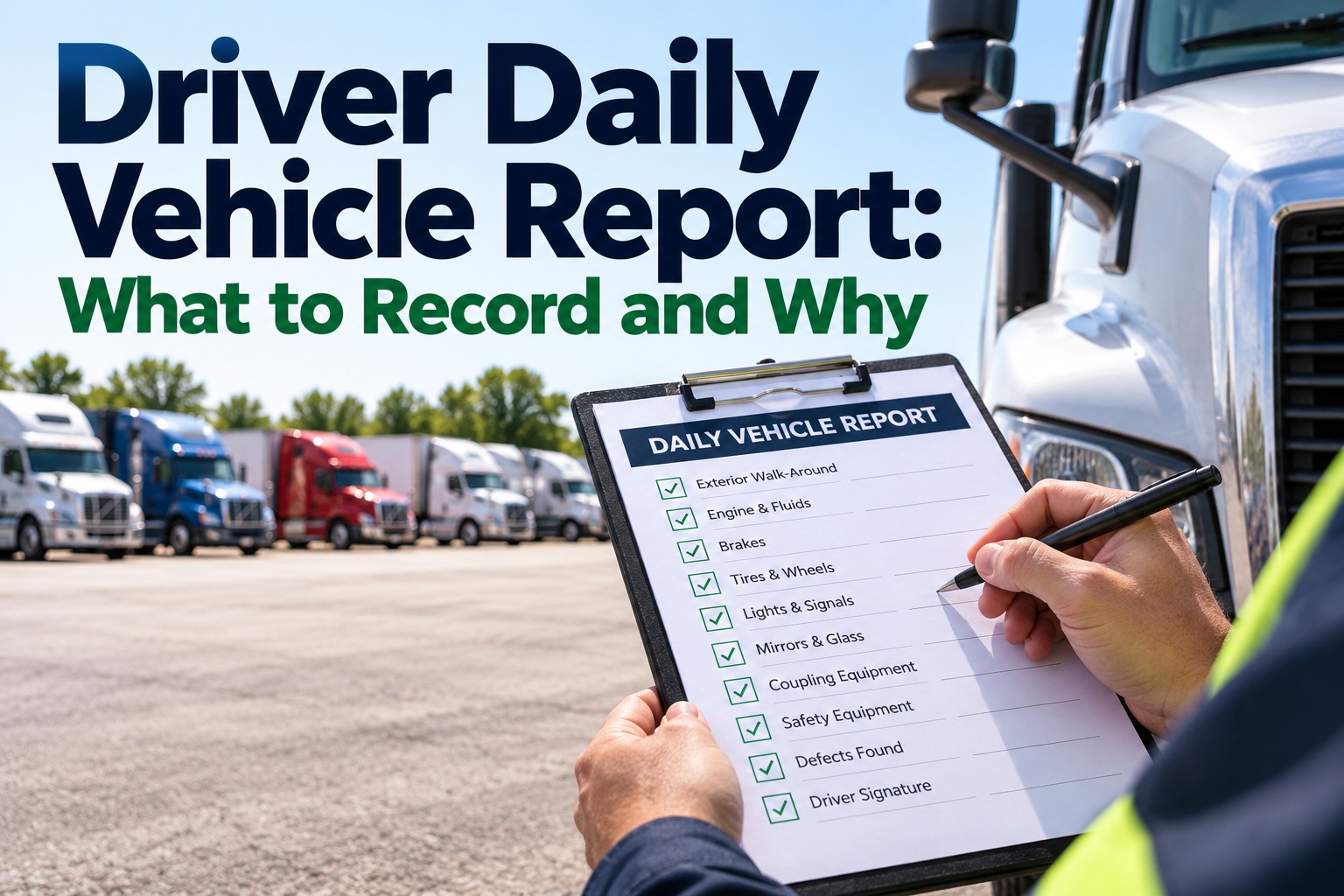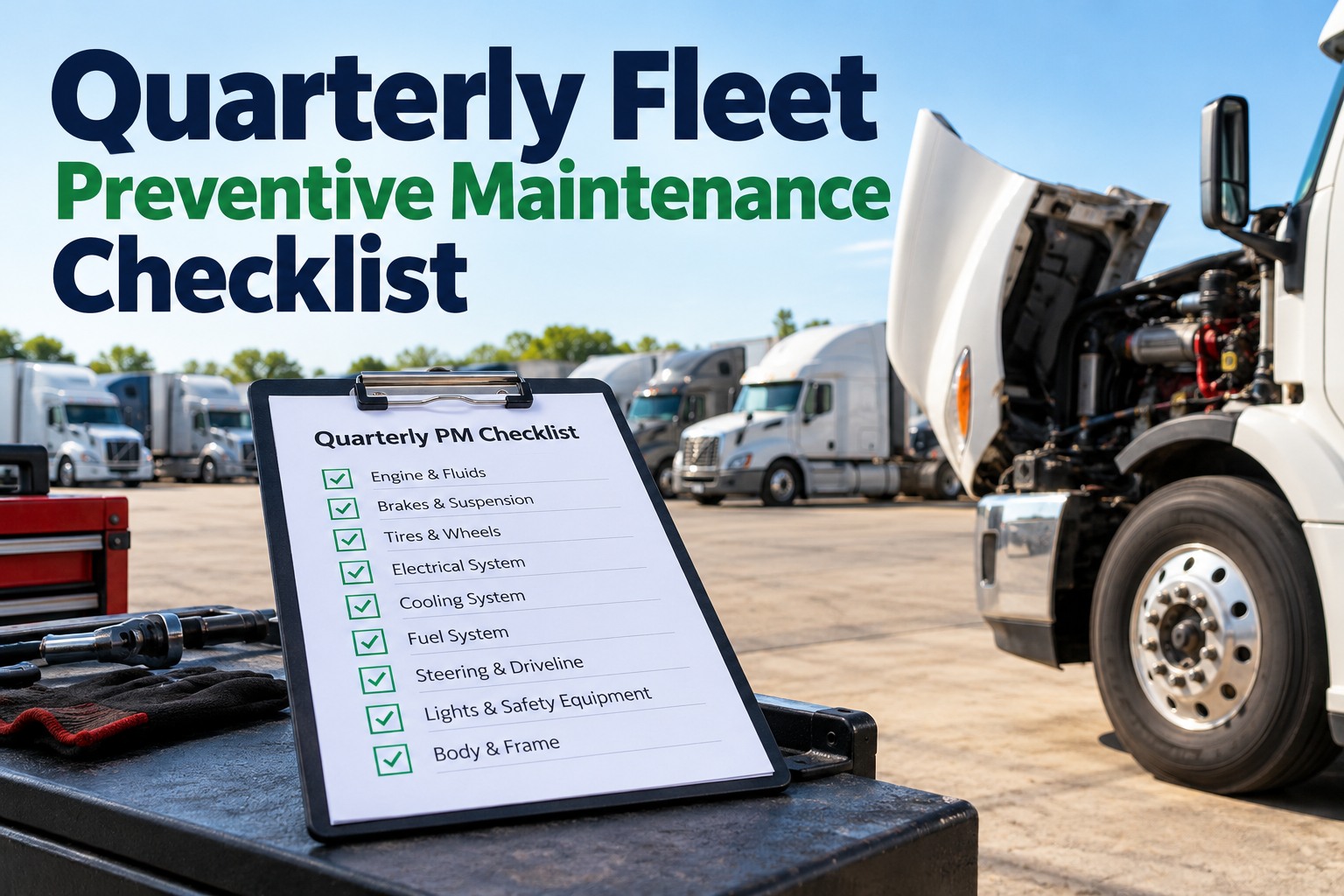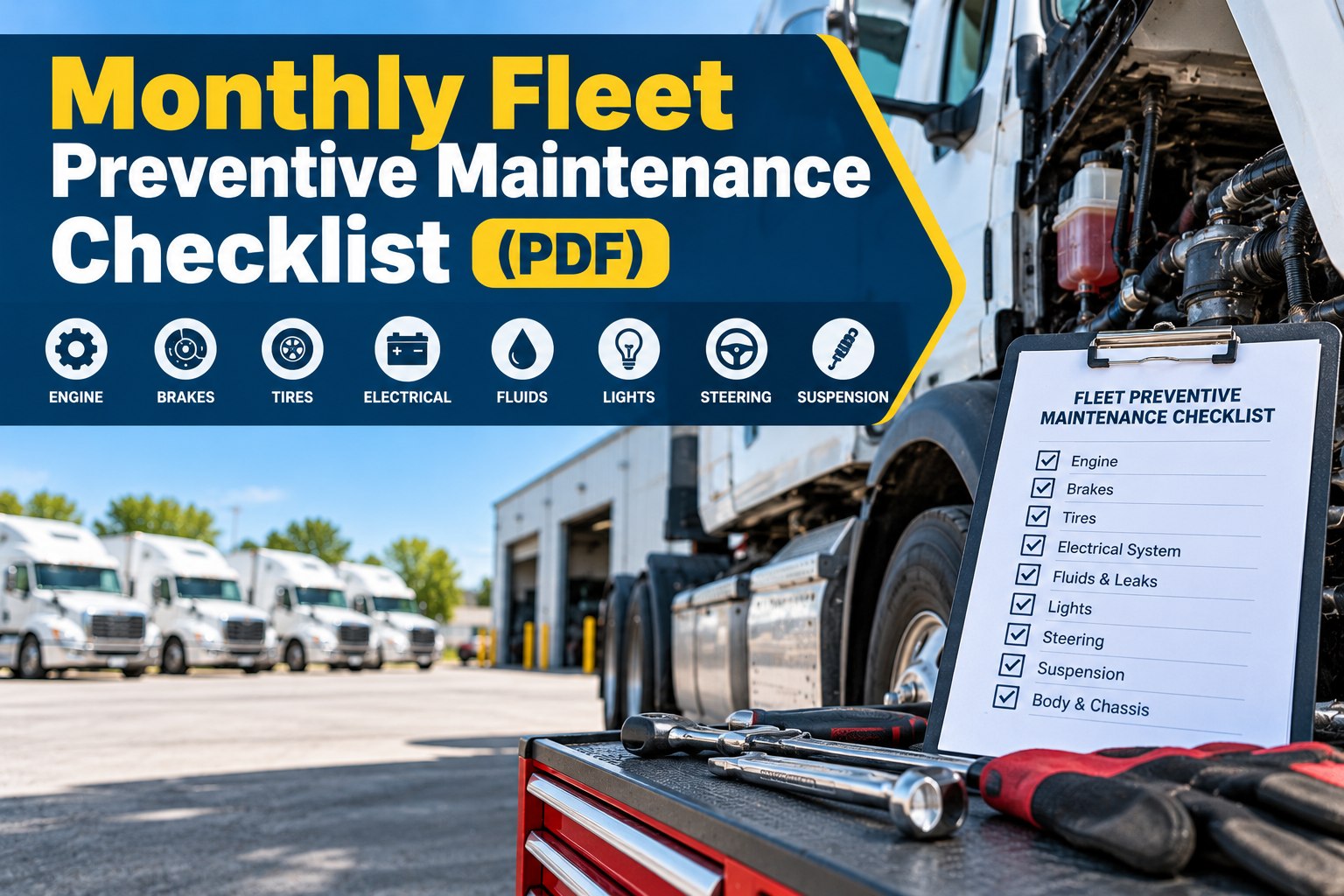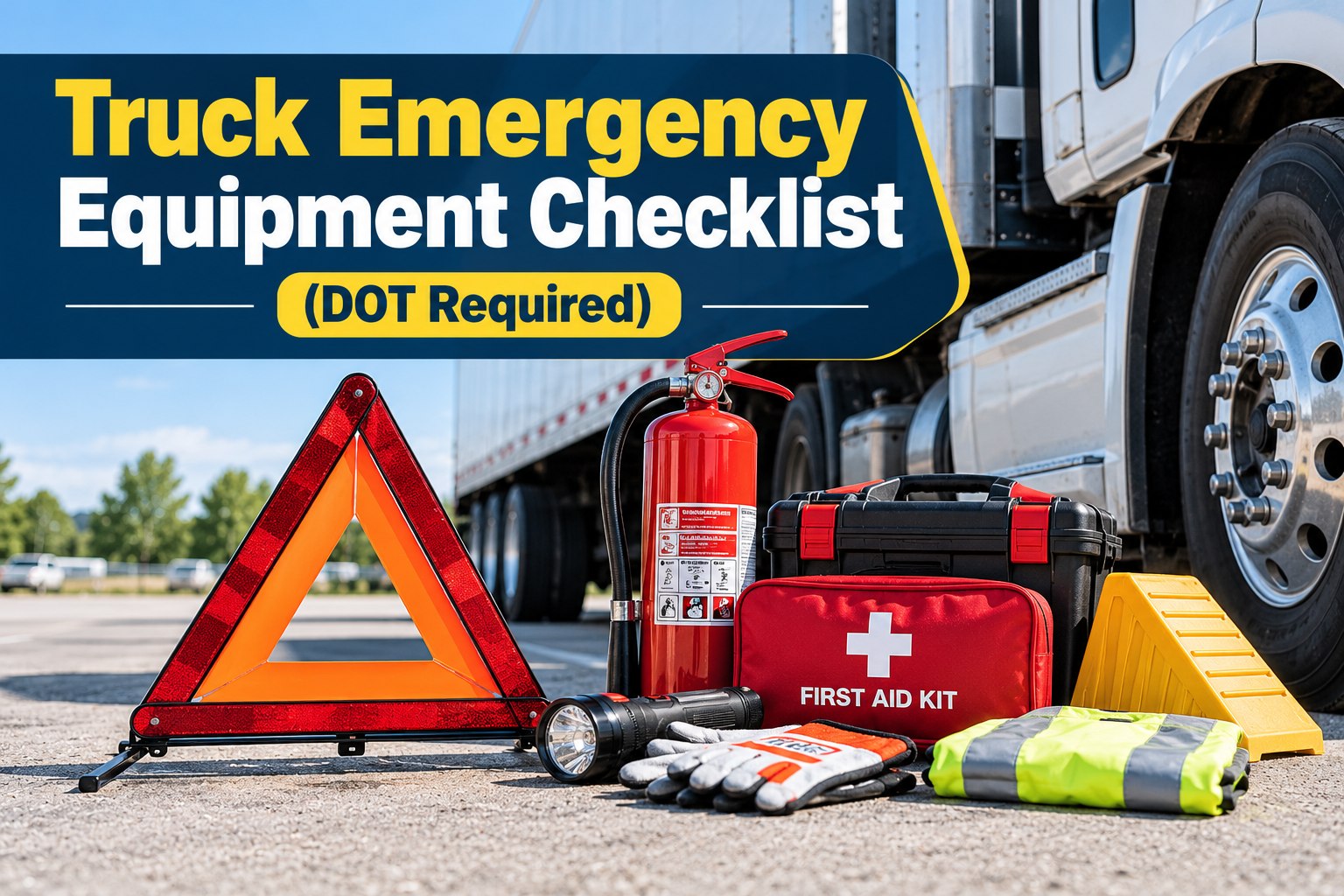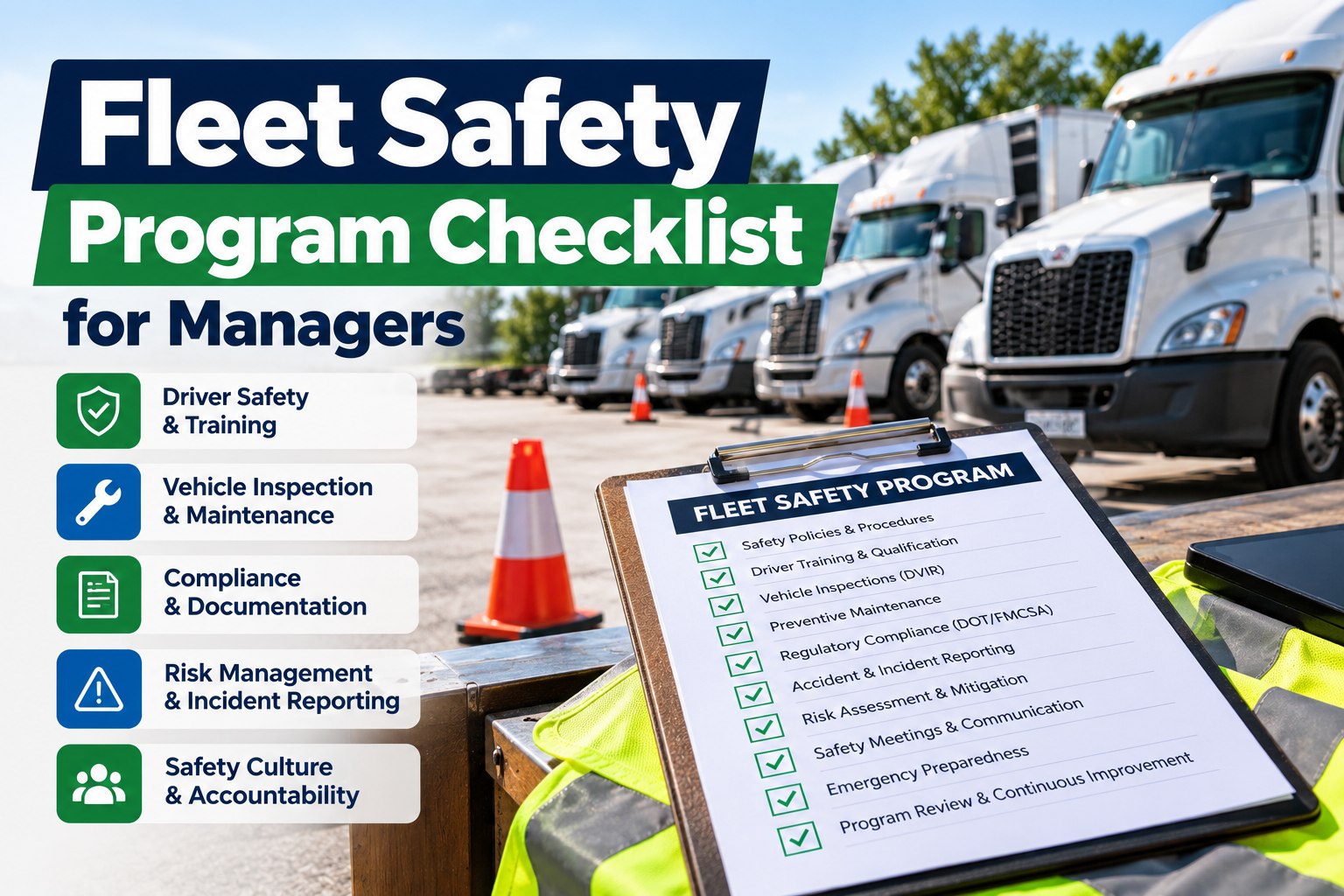
A fleet safety program is the set of written policies, people and records that decide whether a crash is prevented, survived or repeated. Most fleets have pieces of one: a drug testing provider, a DVIR form, a driver handbook. Fewer have all the pieces connected, and that's what investigators, insurers and attorneys look for after a serious crash. This checklist follows the six elements of the ANSI/ASSP Z15.1 standard for motor vehicle safety programs, maps each checkpoint to the federal rule it supports, and shows which records prove it's working. It also explains how FMCSA's safety measurement categories are being reorganized, and why the change puts more weight on defects drivers can see. You can run the inspection and compliance side paperless on three vehicles free while you build the rest.
5,478 people died in large-truck crashes in 2023, and most of them were not in the truck
The Insurance Institute for Highway Safety counted 5,478 deaths in crashes involving large trucks in 2023, down from 5,969 the year before. The breakdown is the reason a fleet safety program is about more than protecting your own drivers.
Four out of five people killed were outside the truck's cab. That's why a crash involving your fleet becomes a question about your whole program: how you hired the driver, how you maintained the truck and how you set the schedule.
FMCSA is reorganizing its seven BASICs into compliance categories
The Safety Measurement System that feeds your CSA scores is changing. FMCSA approved an enhanced methodology in a November 2024 notice and said the launch date would be announced separately. As of mid-2026 it hadn't taken effect, but the new structure shows where the agency is looking.
Two other changes matter for a safety program. Severity weights drop from a 1-to-10 scale to just 1 or 2, with out-of-service violations weighted 2, and several categories will count only violations from the past 12 months. The new "Driver Observed" maintenance category is the clearest signal: defects a driver could have caught on a walk-around get their own score, which makes a working DVIR and DOT inspection process part of your safety rating rather than a paperwork exercise.
The fleet safety program checklist, element by element
Each element below has an owner and a set of clickable checkpoints. The score in each header updates as you tick items. Where a checkpoint supports a federal rule, the section number is shown. Print the page to use it as a fleet safety program template, or work through it on screen in your next safety meeting.
Hiring and onboarding: where the driver element really starts
Most of the driver element is decided before a new hire's first trip. Federal rules require an employment application under 391.21, an inquiry into the driver's motor vehicle record and their safety performance history with employers from the previous three years under 391.23, a road test or an accepted equivalent under 391.31, and a current medical certificate under Part 391 Subpart E. A pre-employment drug test and a full Clearinghouse query come before the driver performs any safety-sensitive work. A safety program that treats these steps as HR paperwork misses the point: they are the only chance to screen out risk before it is on the road. Add your own standards on top, such as a maximum number of moving violations or a probation period with a ride-along, and write them into the program so every hire is measured the same way.
What a crash investigation asks for first
After a serious crash, the first requests from investigators, insurers and opposing attorneys tend to follow the same list: the driver's qualification file, hours-of-service records for the days before the crash, the vehicle's recent DVIRs and repair certifications, its maintenance and annual inspection records, post-accident test results and the accident register. Each one maps to an element of the checklist above. A fleet that can produce all of them quickly, complete and consistent, is showing that its program works. Gaps, such as a defect reported but never certified or a missing annual MVR review, become the story of the case regardless of who caused the crash.
The records that prove each element is working
A program that exists only as a policy binder won't hold up. Each element should produce records that show it ran, on a schedule, with a named person responsible.
| Element | Owner | Records that prove it | Review |
|---|---|---|---|
| Leadership | Owner or GM | Signed policy, goals, meeting minutes | Annually |
| Drivers | Safety manager | Qualification files, annual MVR reviews, test results, Clearinghouse queries, training logs | Annually per driver; ongoing |
| Vehicles | Maintenance manager | DVIRs with repair certifications, PM records, annual inspection reports | Daily to annually |
| Operations | Dispatch lead | Route and weather procedures, schedule audits | Quarterly |
| Incidents | Safety manager | Accident register, post-accident tests, root-cause reviews, roadside report follow-up | After every event |
| Program review | Leadership team | Audit results, monthly safety data, SMS trends | Monthly and annually |
Measure what happens before the crash, not only after it
Crash counts and claims are lagging indicators: they tell you the program failed, after the fact. A program that only watches those numbers learns slowly. Pair each one with leading indicators that move first.
- Crashes per million miles
- Injuries and claims cost
- Out-of-service orders at roadside
- Safety Measurement System alerts
- DVIRs filed and defects closed before dispatch
- PM completed on time
- Driver coaching sessions held after events
- Near-miss reports submitted
Pick no more than six indicators in total and report them the same way every month, by terminal and by vehicle type, so trends are visible. If DVIR completion slips at one yard, or PM compliance falls behind on one class of truck, the safety meeting has a specific problem to fix rather than a general reminder to be careful.
Rolling out the program without stopping the fleet
Few fleets can build all six elements at once. A practical order is leadership first, because nothing else gets resourced without it; then the vehicle and driver elements, because they carry the most federal requirements and the most crash risk; then incident reporting, so every event feeds back into the program; and finally the operational and review elements that keep it current. Give each element a 90-day target, report progress at a monthly safety meeting, and tie the first audit to a date. The checklist above is designed to be the agenda for that meeting.
FleetRabbit runs the vehicle side of your safety program and keeps every record an investigator will ask for
- Setting up DVIRs and PM schedules for your fleet
- A defect flowing from driver to shop to sign-off
- Holding a unit from dispatch until it's repaired
- Pulling inspection and repair records for an audit
- Using defect history in your monthly safety review
The vehicle element only works when inspections lead to repairs on a schedule. FleetRabbit connects driver reports to preventive maintenance and keeps every job in its fleet maintenance history.