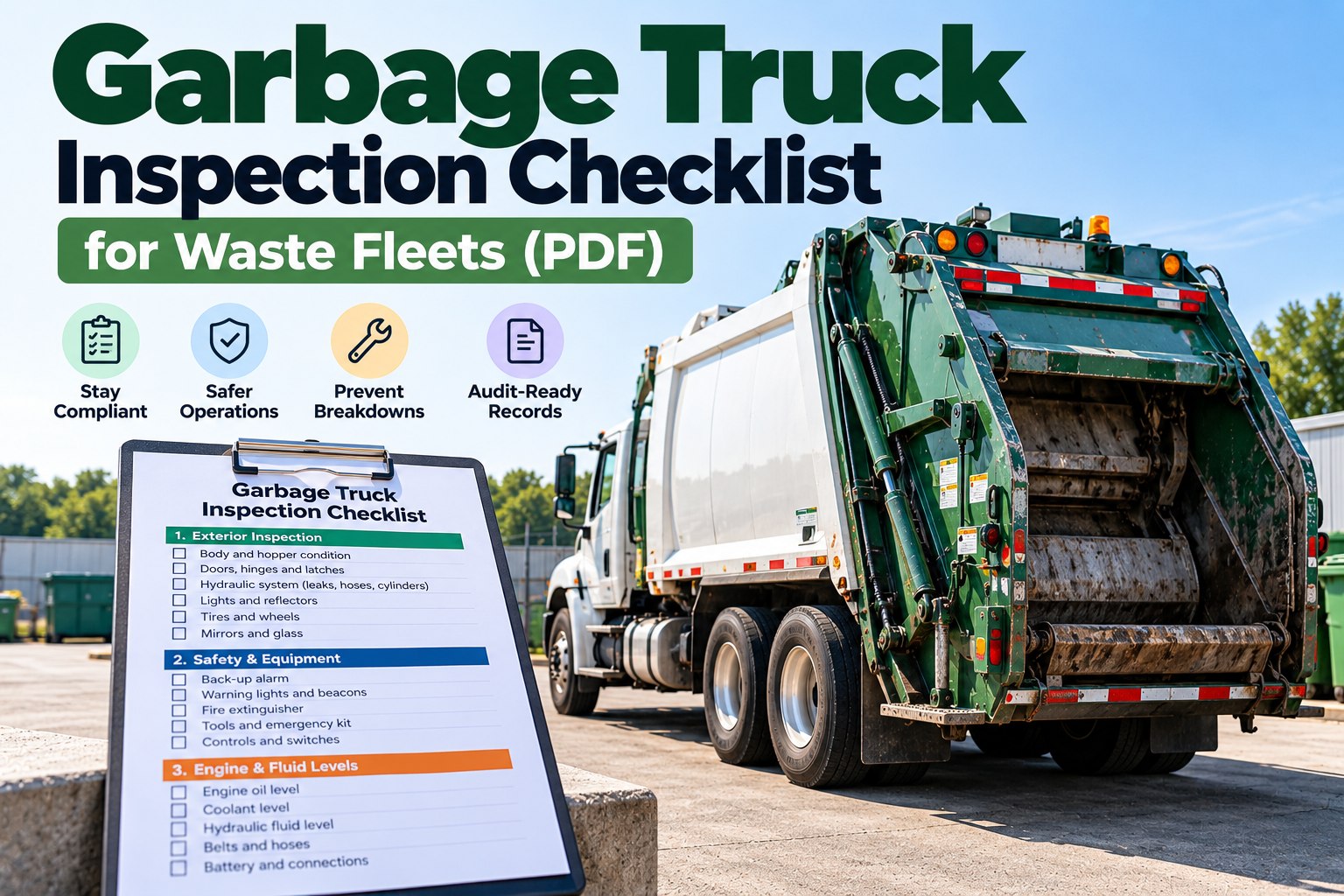
By 2026, the refuse industry will witness a tectonic shift: over 40% of new garbage truck purchases will be zero-emission models, driven by stricter CARB mandates, total cost of ownership advantages, and corporate sustainability goals. From battery-electric refuse vehicles with dynamic braking regeneration to hydrogen fuel cell haulers and ultra-low NOx CNG, fleet managers face a complex technology matrix. This guide compares electric vs. CNG vs. hydrogen garbage trucks — performance, infrastructure, payload, and real-world ROI. Ready to future-proof your waste fleet? Sign up for FleetRabbit’s fleet intelligence suite or book a demo to optimize alternative-fuel operations.
Heavy-duty EV refuse trucks from BYD, Mack LR Electric, Rizon, with 150–200 mile range. Silent operation, regenerative braking saves 30% energy on stop-and-go routes.
- Lower fuel & maintenance costs
- Zero tailpipe emissions
- Ideal for predictable daily routes
Compressed natural gas refuse trucks dominate North America. Renewable natural gas (RNG) achieves negative carbon intensity. Proven range (200+ miles), lower noise than diesel.
- Lower upfront vs. EV
- RNG reduces net GHG by 85%
- Mature fueling network
Hyzon, New Flyer, and Daimler unveil H2 refuse models for 2026. Fast refueling (10-15 min), extended range (250+ miles), ideal for heavy payload & rural routes.
- Heavy-haul capability
- Cold weather performance
- Scalable with green hydrogen hubs
Market outlook 2026: what's driving the transition
Regulations like Advanced Clean Fleets (ACF) in California mandate that by 2026, 50% of new refuse trucks sold must be zero-emission. Similar ZEV targets in New York, Washington, and Colorado. Simultaneously, fuel costs and maintenance for diesel climb. Battery electric offers 60% lower energy cost per mile, while hydrogen achieves operational parity for long-haul refuse transfer stations. CNG retains strong presence with renewable natural gas. To compare real-time fleet metrics and calculate optimal powertrain mix, sign up for FleetRabbit’s analytics tools or book a demo to model your transition.
⚡ Battery-electric garbage trucks: silent workhorses
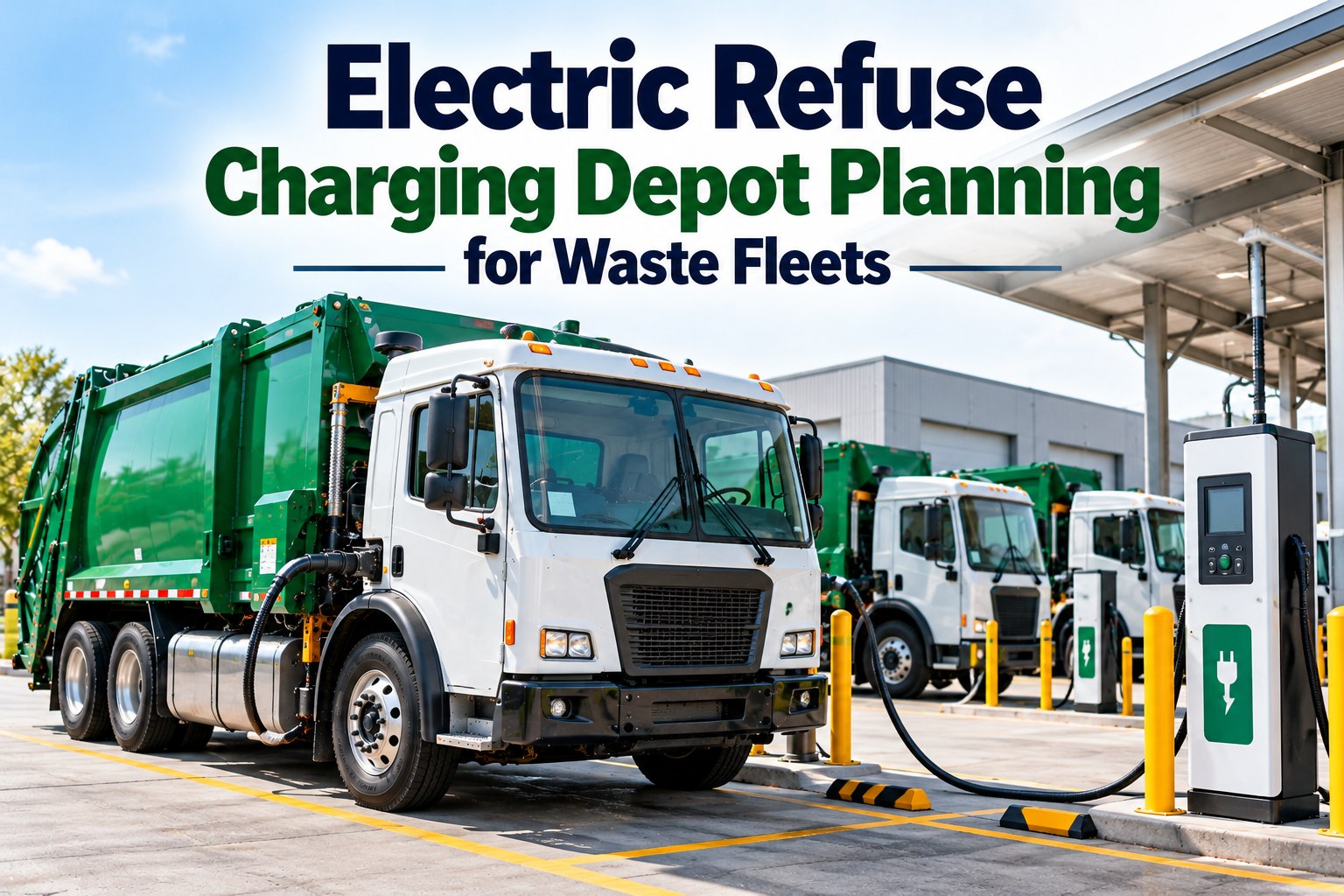
Electric refuse trucks excel in dense urban routes with frequent stops. With regenerative braking capturing energy during lift cycles, fleets report up to 25% energy recovery. Models like the Mack LR Electric pack 376 kWh batteries and peak power 536 HP. Real-world testing shows 80% charge in 90 minutes using depot chargers. Payload loss is minimal (≈ 1,500 lbs vs diesel) due to optimized chassis designs. For fleets managing mixed EV & diesel, book a demo to see how FleetRabbit centralizes charging schedules and range analytics.
CNG & RNG: the low-carbon bridge to zero waste
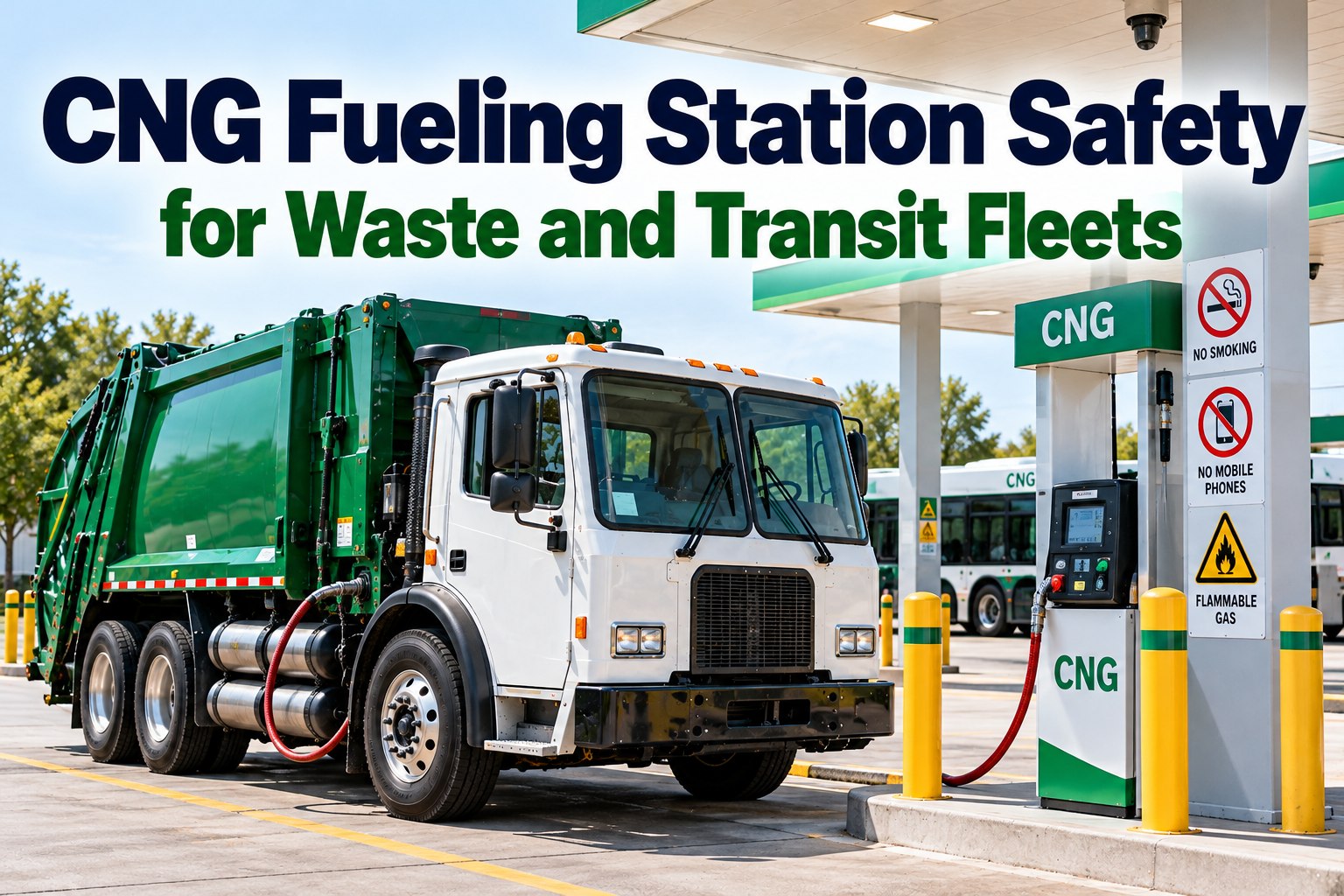
Compressed natural gas remains the most deployed alt-fuel in waste collection, with over 30,000 refuse CNG trucks on US roads. Renewable natural gas (landfill-derived methane) cuts lifecycle emissions by 100-200% (carbon negative). New 2026 Cummins Westport 15-liter natural gas engines offer 510 lb-ft torque and near-zero NOx (0.02 g/bhp-hr). Fueling infrastructure is mature, but fleets should monitor methane slip. Optimizing CNG maintenance intervals and RNG procurement leads to 25% lower operating cost versus diesel. Sign up for FleetRabbit’s fuel management module to track RNG credits automatically.
From EV route planning to maintenance scheduling for CNG, FleetRabbit unifies all powertrains in one platform. Compare energy costs, compliance, and driver productivity.
Hydrogen fuel cell refuse trucks: range and heavy payload
Hydrogen fuel cell electric trucks (FCEV) combine electric motors with H2 tanks and a fuel cell stack. For 2026, Hyzon and New Flyer announce refuse models with >250 mile range and 15-minute refueling — solving BEV range anxiety and long dwell times. Ideal for high-mileage transfer stations or regions with abundant green hydrogen. However, hydrogen cost remains elevated ($8-12/kg). Grant funding through DOE's H2Hubs will accelerate adoption. Early adopters are integrating FCEVs into mixed fleets. Book a demo to explore how FleetRabbit supports multi-energy asset management and hydrogen compliance reporting.
Infrastructure, grants & total cost of ownership
Making the switch requires depot charging for EVs (grid upgrades often $500k+), CNG compression stations, or hydrogen dispensers. However, significant incentives exist: HVIP (California) offers up to $240k per zero-emission refuse truck; EPA's Clean School Bus & Clean Heavy-Duty Vehicles program extends to refuse applications; local air districts provide additional funding. Over 5 years, electric refuse TCO becomes 15-30% lower than diesel, thanks to fuel and maintenance savings. CNG TCO parity already exists. For customized ROI calculators and grant tracking, sign up for FleetRabbit’s financial planning dashboard or book a demo to automate incentive applications.
Leading waste operators like WM, Republic Services, and Waste Connections have committed to 2040 zero-emission fleets. Early trials confirm that driver acceptance of EVs is high (reduced vibration, quiet operation improves neighborhood relations). For fleets operating mixed powertrains, digital tools are essential to monitor fuel usage, DTC codes, preventive maintenance across different technologies. FleetRabbit’s telematics and maintenance scheduler reduce unplanned downtime by 26% — sign up to learn more.
FAQ: Garbage truck technology 2026 (electric, CNG, hydrogen)
From grant applications to live energy monitoring, FleetRabbit’s next-gen software powers the transition to sustainable waste collection. Get started today.