A hydraulic pump fails on your excavator at 2 PM on a Thursday. The $28,000 repair is painful enough—but the real damage is the project grinding to a halt while crews stand idle, deadlines slip, and you scramble to find a rental. By the time the dust settles, that one breakdown has cost you over $75,000 in repairs, downtime, and lost productivity.
This scenario plays out thousands of times daily across American construction sites. Industry data shows construction companies face 20-30% unplanned downtime for each piece of heavy equipment. Hydraulic failures alone account for 45% of all excavator breakdowns, with emergency repairs averaging $85,000-$145,000 per incident. Traditional maintenance approacheseither reactive (fix it when it breaks) or preventive (service on a fixed schedule)—simply can't keep pace with the demands of modern construction.
But 2026 brings a fundamental shift. AI-powered predictive maintenance now achieves 92-95% accuracy in predicting equipment failures 3-8 weeks in advance. Construction equipment telematics—expected to grow from $7.76 billion in 2025 to $20.59 billion by 2034—enables real-time monitoring of every critical system. Contractors implementing these technologies report 30-50% reduction in unplanned downtime, 55-70% lower maintenance costs, and equipment that runs longer, harder, and more profitably than ever before.
Transform Your Equipment Maintenance Strategy
Join 2,400+ contractors using AI-powered diagnostics to predict failures before they happen. Cut downtime, reduce costs, and keep projects on schedule.
Works with Cat, Komatsu, Volvo, Deere, and all major OEMs
What You'll Learn:
The True Cost of Poor Equipment Maintenance
Equipment downtime isn't just about repair bills—it's about the cascade of costs that follow. Lost productivity, idle crews, rental equipment, missed deadlines, and damaged client relationships multiply the financial impact far beyond the initial breakdown.
The Downtime Cascade Effect
Equipment downtime can cost construction companies thousands of dollars per hour. A single day of unexpected downtime costs $5,000 to $15,000 in lost productivity alone—before repair bills. Industry surveys indicate 98% of organizations incur over $100,000 in lost revenue per hour of downtime for major equipment. The "collateral damage" of downtime—project delays, rental costs, crew reallocation—often exceeds the actual repair cost.
Heavy Equipment Failure Cost Analysis
| Equipment Type | Annual Maintenance Budget | Major Repair Cost | Daily Downtime Cost | Typical Failure Points |
|---|---|---|---|---|
| Excavator (20-40 ton) | $5,000-$18,000 | $35,000-$125,000 | $5,000-$15,000 | Hydraulics, undercarriage, engine |
| Wheel Loader | $4,000-$12,000 | $25,000-$75,000 | $3,500-$10,000 | Transmission, hydraulics, tires |
| Bulldozer | $6,000-$15,000 | $45,000-$150,000 | $4,000-$12,000 | Undercarriage, engine, blade |
| Mobile Crane | $8,000-$25,000 | $50,000-$200,000 | $8,000-$25,000 | Wire rope, hydraulics, outriggers |
| Backhoe Loader | $3,500-$8,000 | $15,000-$45,000 | $2,500-$7,000 | Hydraulics, transmission, loader |
Preventive vs. Reactive: The Numbers Don't Lie
The math is simple but compelling. Emergency repairs carry 150-200% cost premiums compared to planned maintenance. Contractors who implement systematic preventive maintenance programs see dramatic improvements across every metric.
The 10-15% Rule:
Industry guidelines recommend budgeting 10-15% of a machine's purchase price annually for maintenance and repairs. A $100,000 excavator should have approximately $15,000 allocated for annual upkeep. Companies that invest this amount in preventive maintenance spend far less than those who defer maintenance and face emergency repairs.
Equipment-Specific Maintenance Schedules
Different equipment types have different critical systems, wear patterns, and maintenance requirements. A one-size-fits-all approach doesn't work—you need equipment-specific protocols based on manufacturer recommendations, operating conditions, and fleet-specific failure data.
Excavator Maintenance Schedule
Excavators are the backbone of most construction operations—and also among the most maintenance-intensive equipment. The undercarriage alone represents 40-50% of total maintenance costs over the machine's lifetime.
Excavator Maintenance Intervals:
- Daily (Pre-shift): Check hydraulic fluid, engine oil, coolant levels; visual inspection for leaks; track tension; grease points
- Every 50 Hours: Clean radiator and oil cooler; check air filter; inspect hydraulic hoses; verify track adjustment
- Every 250 Hours: Change engine oil and filters; inspect air filter (replace if needed); check coolant condition
- Every 500 Hours: Replace hydraulic filters; service cooling system; comprehensive undercarriage inspection
- Every 1,000 Hours: Replace hydraulic fluid; inspect swing bearing; complete electrical system check
- Every 2,000 Hours: Major service including all fluids, filters, and comprehensive component inspection
Daily Checks That Prevent 80% of Failures
Wheel Loader Maintenance Schedule
Wheel loaders face unique stresses from constant loading/unloading cycles, tire wear, and transmission demands. Proper maintenance focuses on the drivetrain, hydraulics, and tires.
Wheel Loader Maintenance Intervals:
- Daily: Check tire pressure and condition; inspect bucket and hydraulic systems; verify all fluid levels
- Weekly: Inspect tires for damage; check hydraulic hoses and fittings; lubricate all grease points
- Every 250 Hours: Engine oil and filter change; air filter inspection; transmission fluid check
- Every 500 Hours: Replace hydraulic filters; inspect brake system; check axle fluid levels
- Every 1,000 Hours: Transmission service; differential fluid change; comprehensive brake inspection
- Every 2,000 Hours: Major drivetrain inspection; hydraulic system analysis; steering system service
Bulldozer Maintenance Schedule
Bulldozers operate under extreme loads with their undercarriage taking tremendous punishment. Track maintenance and proper tension are critical for cost control.
Bulldozer Maintenance Intervals:
- Daily: Check track tension; inspect undercarriage for debris; verify all fluid levels; blade inspection
- Every 50-100 Hours: Adjust track tension; clean undercarriage; check final drive oil level
- Every 250 Hours: Engine service; air filter maintenance; inspect track shoes, rollers, and idlers
- Every 500 Hours: Hydraulic filter replacement; comprehensive undercarriage measurement
- Every 1,000 Hours: Final drive service; steering clutch inspection; blade cutting edge evaluation
- Every 2,000 Hours: Major undercarriage assessment; engine diagnostics; complete hydraulic analysis
Automate Your Equipment Maintenance Schedules
Never miss a service interval again. Our platform tracks hours, triggers alerts, and schedules maintenance automatically based on actual equipment usage.
Hydraulic System Failure Prevention
Hydraulic failures represent the leading cause of heavy equipment breakdowns, accounting for 45% of all major excavator failures. The good news: 78% of hydraulic failures show detectable warning signs 2-6 weeks before catastrophic breakdown. The bad news: 72% of construction companies lack systematic hydraulic monitoring protocols.
Hydraulic Failure Cost Reality
Average cost per hydraulic system failure: $95,000 (including parts, labor, and downtime). Major system replacements range from $75,000-$145,000. Emergency hydraulic repairs carry 150-200% cost premiums versus planned maintenance. Preventive hydraulic maintenance costs $12,000-$18,000 annually—delivering 5-8x cost savings compared to reactive approaches.
The 5 Causes of Hydraulic System Failure
Fluid Contamination
Contaminated fluid causes approximately 75% of all hydraulic component breakdowns. Particles as small as 5 microns can damage precision components, causing pump wear, valve scoring, and seal failure.
Prevention: Regular fluid analysis, high-quality filtration, clean fill practices
Overheating
Operating above 180°F accelerates fluid degradation and seal failure. Every 18°F above optimal cuts fluid life in half. Heat causes oxidation, reduces viscosity, and destroys seals.
Prevention: Clean coolers, proper fluid levels, avoid continuous high-load operation
Water Contamination
As little as 0.1% water in hydraulic fluid can reduce component life by 50%. Water causes corrosion, reduces lubrication, and promotes bacterial growth that degrades fluid.
Prevention: Sealed reservoirs, desiccant breathers, regular water testing
Air Ingestion
Air in hydraulic systems causes cavitation, spongy operation, overheating, and accelerated wear. Common entry points include loose fittings, damaged seals, and low fluid levels.
Prevention: Maintain fluid levels, inspect suction lines, tighten connections
Worn Seals and Hoses
Seals and hoses degrade from heat, pressure cycling, and age. A small leak that loses 1 drop per second wastes over 400 gallons annually and indicates imminent failure.
Prevention: Regular visual inspection, scheduled hose replacement, UV-protective routing
Hydraulic Maintenance Best Practices
Daily Hydraulic System Checks:
- Check hydraulic fluid level with engine running and bucket fully retracted
- Inspect all cylinders, hoses, and fittings for external leaks
- Look for oil puddles, wet spots, or staining around connections
- Monitor hydraulic fluid temperature during operation (should stay below 180°F)
- Listen for unusual noises indicating pump cavitation or air ingestion
- Observe cylinder drift or spongy operation indicating internal leakage
Hydraulic Fluid Analysis Schedule
| Test Type | Frequency | Cost | What It Detects |
|---|---|---|---|
| Particle Count | Every 250 hours | $25-$50 | Contamination levels, filter effectiveness |
| Water Content | Every 250 hours | $15-$30 | Moisture infiltration, seal condition |
| Viscosity Test | Every 500 hours | $20-$40 | Fluid degradation, overheating damage |
| Spectrometric Analysis | Every 500 hours | $40-$75 | Wear metals, component deterioration |
| Complete Analysis | Annually | $75-$150 | Full system health assessment |
Predictive Diagnostics and AI Maintenance
The construction equipment telematics market is exploding—projected to grow from $7.76 billion in 2025 to $20.59 billion by 2034. OEMs like Caterpillar, Komatsu, and Volvo now ship machines with factory-integrated telematics that track fuel consumption, engine hours, hydraulic performance, and hundreds of other parameters.
But the real revolution is AI-powered predictive maintenance. Machine learning algorithms analyze millions of data points to identify patterns that signal impending failure—weeks before traditional inspection methods detect problems.
How AI Predictive Maintenance Works
Continuous Data Collection
IoT sensors capture engine vitals, hydraulic pressure, temperatures, vibration, and performance metrics every few seconds. Telematics hardware transmits data to cloud platforms for analysis. Over 6.8 million construction machines were equipped with OEM telematics in 2023, projected to reach 12 million by 2028.
Pattern Recognition
Machine learning algorithms analyze data against baselines, historical patterns, and known failure signatures. The AI learns what "normal" looks like for each specific machine and operating condition, then identifies anomalies that indicate developing problems.
Predictive Alerting
When AI detects patterns indicating impending failure, it generates actionable alerts with probability scores, recommended actions, and time-to-failure estimates. Example: "Alert – Hydraulic pump showing 85% probability of failure in next 10 days due to abnormal vibration trends."
Scheduled Intervention
Maintenance is scheduled proactively during planned downtime rather than as emergency response. Parts are pre-ordered, technicians are prepared, and repairs happen on your schedule—not when the machine decides to fail in the middle of a critical pour.
OEM Telematics Platforms
Major Equipment Telematics Systems
| Manufacturer | Platform | Key Capabilities | Predictive Features |
|---|---|---|---|
| Caterpillar | Cat Product Link / VisionLink | Location, hours, fuel, health alerts | AI-enabled predictive maintenance (2025) |
| Komatsu | KOMTRAX | GPS, fuel, operating data, alerts | Smart Construction ecosystem |
| Volvo CE | ActiveCare Direct | Fault codes, diagnostics, service | Proactive maintenance alerts |
| John Deere | JDLink | Fleet management, utilization | Machine health monitoring |
| Kubota | KubotaNOW | Location, hours, maintenance | Standard on new models (2025) |
What Predictive Diagnostics Monitor:
- Engine temperature, oil pressure, coolant level, RPM patterns
- Hydraulic pressure, fluid temperature, pump efficiency
- Transmission performance, shift quality, clutch engagement
- Undercarriage wear (through operating hours and load data)
- Fuel consumption patterns and efficiency trends
- Vibration levels indicating bearing or component wear
- Fault codes and diagnostic trouble codes
- Operating hours and service interval tracking
See AI Predictive Maintenance in Action
Watch how AI analyzes your equipment data to predict failures weeks in advance. Our demo shows real alerts, probability scores, and recommended actions.
Crane Inspection Requirements and Compliance
Crane maintenance carries additional complexity due to stringent OSHA requirements. "Inspections" is the number one crane-related OSHA citation—accounting for more violations than the next two categories combined. Understanding and implementing proper crane inspection protocols isn't optional; it's a legal and safety imperative.
OSHA Crane Inspection Requirements
OSHA standard 1926.1412 establishes crane inspection requirements for construction. From 2011 to 2017, an average of 42 crane-related deaths occurred each year in the U.S. Approximately 490 non-fatal crane incidents occurred in 2020. Violations are being taken very seriously—OSHA fines have increased almost 600% since 1990, from $63M to $364M annually.
OSHA Crane Inspection Classifications
Required Before Each Shift:
- Control mechanisms for proper operation
- Safety devices and operational aids
- Air, hydraulic, and other pressurized lines
- Hooks and latches for deformation or cracks
- Wire rope for visible damage
- Operator cab windows for cracks or deficiencies
- Ground conditions and outrigger/stabilizer support
Must Be Documented:
- All items from daily inspection with detailed assessment
- Control and safety devices
- Pressurized hoses and fittings
- Hooks, latches, and load-handling attachments
- Wire rope in accordance with 1926.1413
- Electrical apparatus (contactors, limit switches)
- Documentation must include date, inspector signature, and equipment ID
Qualified Inspector Required:
- All monthly inspection items plus structural components
- Deformed, cracked, or corroded members
- Loose bolts or rivets
- Cracked or worn sheaves and drums
- Worn pins, bearings, shafts, gears, and rollers
- Excessive brake system wear
- Load indicators over full range
- Power plant compliance with safety requirements
Crane Maintenance Best Practices
Beyond OSHA Minimums:
- Follow manufacturer maintenance schedules—they become OSHA requirements by reference
- Class C cranes require frequent inspection every 100 hours, periodic every 500 hours
- Implement a preventive maintenance program per OEM manual directives
- Maintain inspection records showing due diligence (minimum 3 years)
- Only qualified inspectors can conduct official inspections
- Equipment idle 3+ months requires qualified inspection before use
- Any modification requires inspection before returning to service
Building a World-Class Maintenance Program
Implementing best-practice equipment maintenance isn't about buying software or checking boxes—it's about building a systematic approach that prevents problems rather than reacting to them.
Phase 1: Assessment and Planning (Week 1-2)
Pre-Implementation Checklist:
- Inventory all equipment by type, age, hours, and condition
- Document current maintenance practices and intervals
- Review manufacturer maintenance schedules for each machine
- Analyze historical breakdown and repair data
- Identify high-cost failure patterns
- Assess current telematics and monitoring capabilities
- Calculate baseline metrics: downtime percentage, maintenance cost per hour, failure frequency
Phase 2: System Implementation (Week 3-6)
Maintenance Scheduling
Implement automated scheduling based on manufacturer intervals and operating hours. Connect telematics to maintenance management systems for hour-based triggers. Set up alerts for upcoming service requirements.
Inspection Protocols
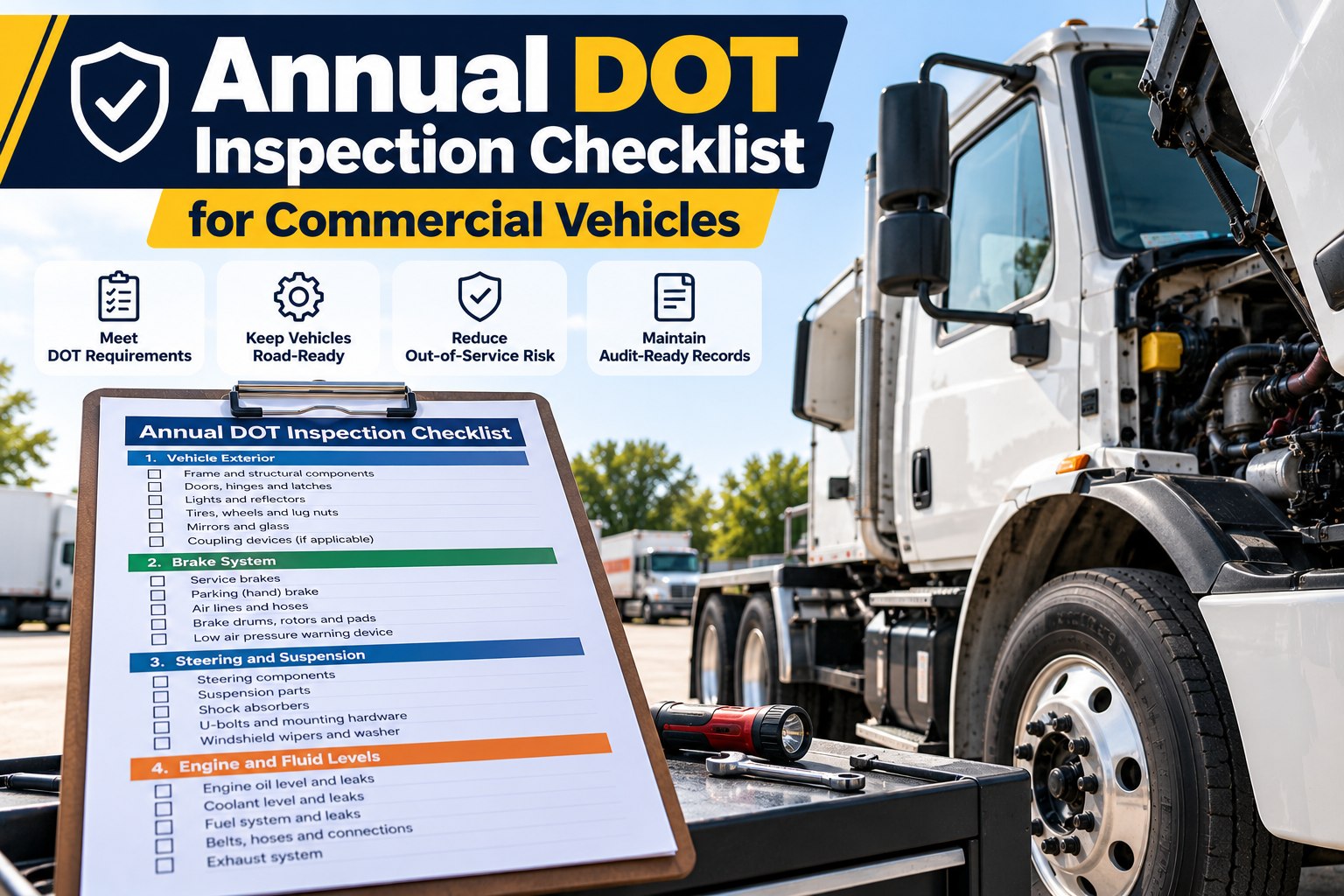
Develop equipment-specific inspection checklists. Train operators on daily pre-shift inspections. Establish documentation requirements and storage. Create escalation procedures for identified issues.
Parts and Supplies
Stock critical spare parts for common failures. Establish vendor relationships for emergency parts. Implement parts inventory tracking. Set reorder points for consumables (filters, fluids).
Training and Accountability
Train operators on equipment-specific maintenance requirements. Certify inspectors for crane and specialized equipment. Establish accountability for maintenance completion. Create incentives for early problem identification.
Phase 3: Optimization and Continuous Improvement (Ongoing)
Key Performance Indicators to Track:
- Equipment availability (target: 95%+ for critical assets)
- Planned vs. unplanned maintenance ratio (target: 80/20)
- Mean time between failures (MTBF) by equipment type
- Maintenance cost per operating hour
- Emergency repair frequency and cost
- Inspection completion rate
- Parts inventory turnover
ROI Calculation Framework
Equipment Maintenance ROI Calculator
Current Costs (Annual per Machine)
- Emergency repairs and breakdowns: $_____
- Unplanned downtime (days × daily cost): $_____
- Rental equipment to cover breakdowns: $_____
- Project delays and penalties: $_____
- Expedited parts and overtime labor: $_____
Expected Improvements with Systematic Maintenance
- Unplanned downtime: 30-50% reduction
- Emergency repairs: 40-60% reduction
- Parts costs: 15-25% reduction (planned purchasing)
- Equipment life extension: 20-40%
- Fuel efficiency improvement: 5-10%
Get a customized ROI analysis for your fleet:
Request Custom AnalysisFrequently Asked Questions
How much should I budget annually for heavy equipment maintenance?
Industry guidelines recommend budgeting 10-15% of a machine's purchase price annually for maintenance and repairs. A $100,000 excavator should have approximately $10,000-$15,000 allocated for annual upkeep. This includes routine servicing, fluid/filter changes, and a reserve for repairs. Machines worked harder (more hours, tougher conditions) should be at the higher end of this range.
What are the most critical daily maintenance checks?
For excavators and similar equipment: hydraulic fluid level, engine oil level, coolant level, air filter condition, and visual inspection for leaks or damage. For track machines, add track tension check. For wheel equipment, add tire pressure. These checks take 10-15 minutes and prevent 80% of common failures. Make them non-negotiable before operating any equipment.
How often should hydraulic fluid be changed?
Typically every 2,000-4,000 hours depending on operating conditions and fluid quality. Heavy-duty applications or contaminated environments require more frequent changes. However, fluid analysis is more important than arbitrary intervals—monitor contamination levels, water content, and viscosity to determine optimal change timing. Quality hydraulic fluid costs $800-$2,500 but prevents component damage costing $25,000-$75,000.
What's the ROI on predictive maintenance technology?
Initial investment typically ranges from $3,000-$8,000 per machine for telematics and software, with most operators achieving positive ROI within 12-18 months. Industry leaders report 55-70% maintenance cost reductions within 18 months of full AI implementation, plus benefits including improved safety, enhanced project delivery, and significant competitive advantage from higher equipment availability.
How do OSHA crane inspection requirements work?
OSHA requires visual inspections before each shift, documented monthly inspections, and comprehensive annual inspections by qualified personnel. Requirements are detailed in OSHA 1926.1412 for construction cranes. Additionally, manufacturer maintenance schedules become OSHA requirements by reference—if the OEM manual specifies an inspection interval, it's legally required. Keep all inspection records for at least 3 years.
When should I repair vs. replace equipment components?
Generally, if repair costs exceed 60% of replacement cost, or if the component will require another major repair within 2,000 hours, replacement is more economical. Engine rebuilds cost $45,000-$125,000, hydraulic pump replacements $25,000-$55,000, and undercarriage replacement $35,000-$85,000. Consider component age, machine value, and remaining useful life when making repair/replace decisions.
Build Your Equipment Maintenance Excellence
Join 2,400+ contractors who transformed their maintenance from reactive to predictive. Reduce downtime, cut costs, and keep projects on schedule.
Works with all major equipment brands and telematics systems