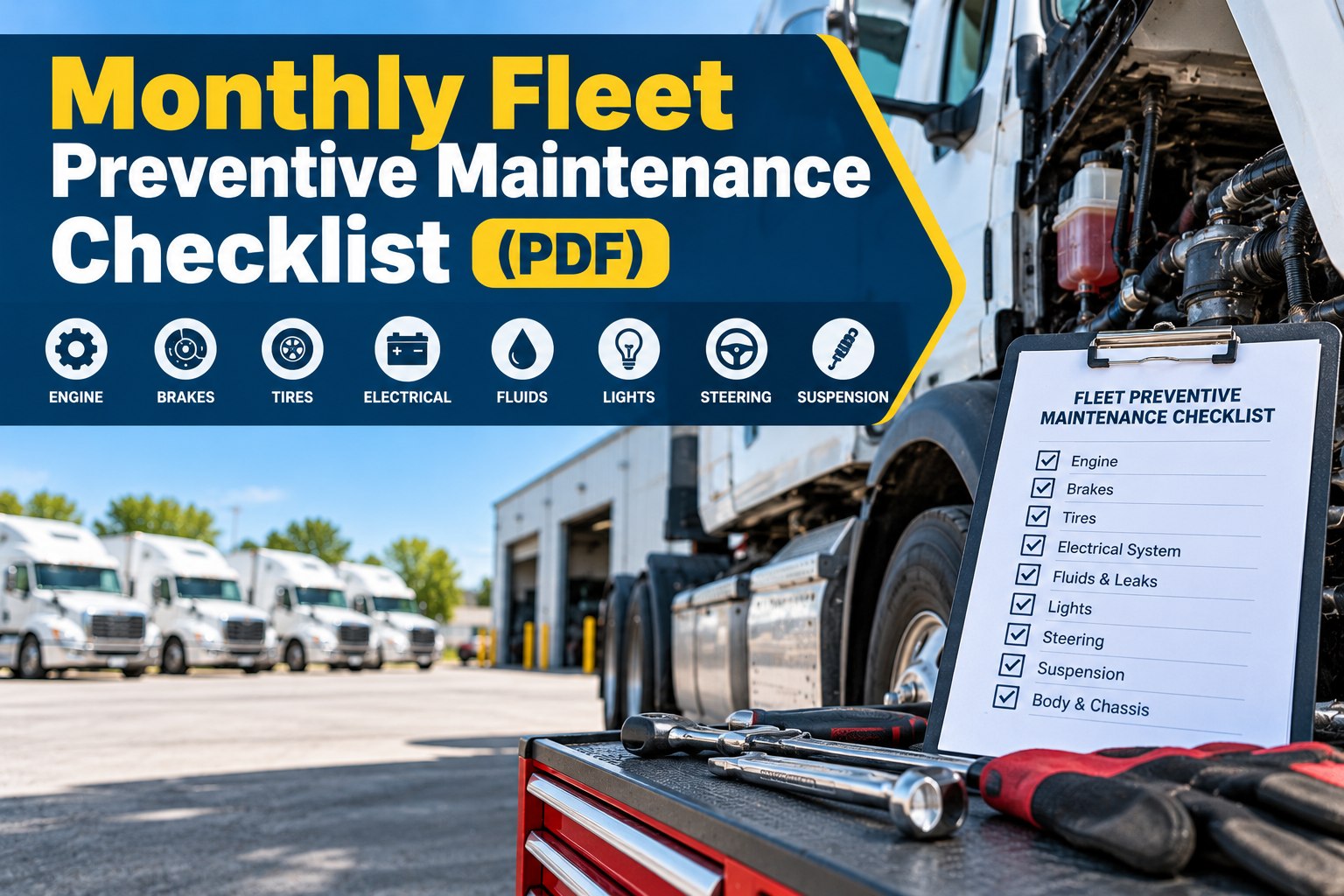
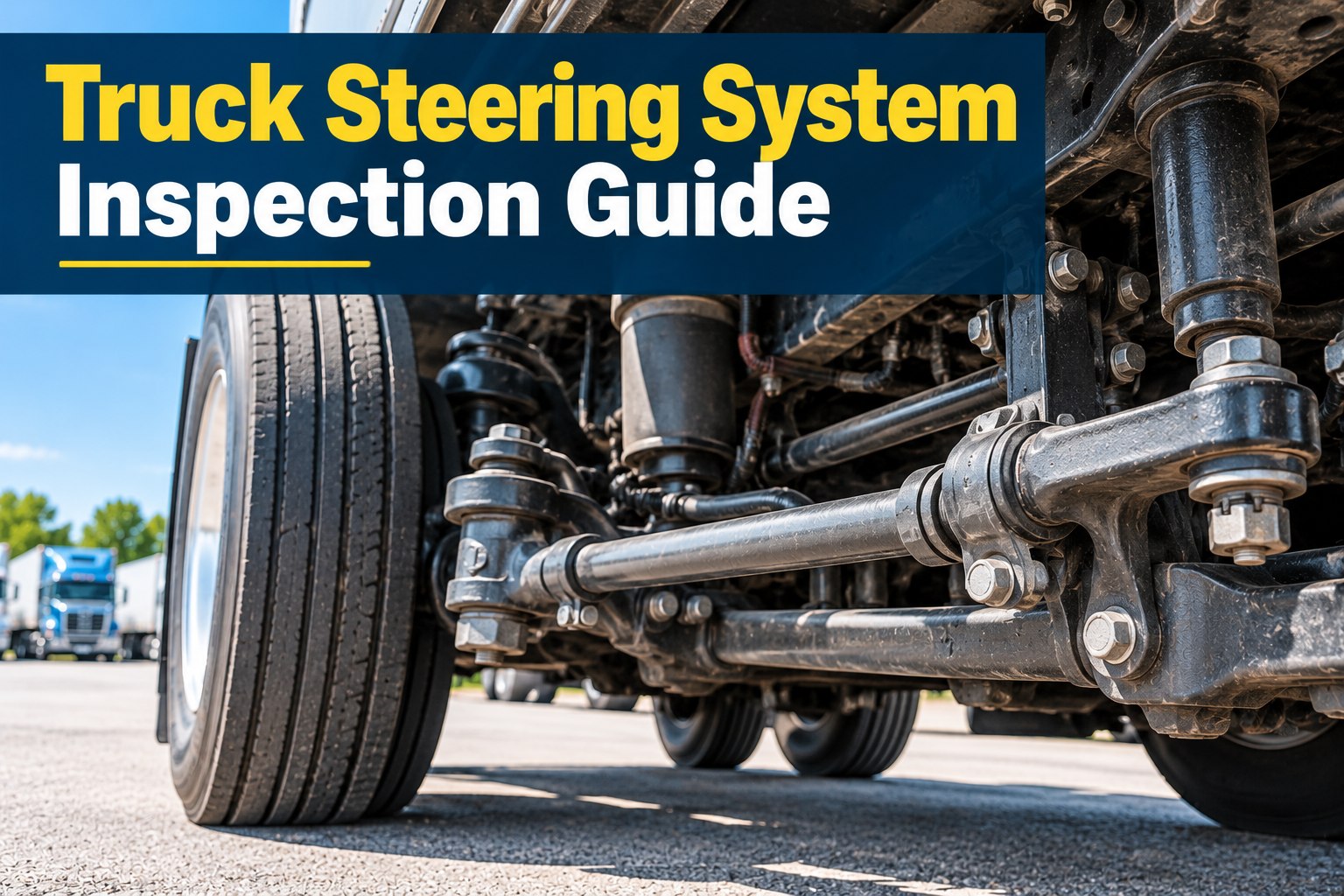
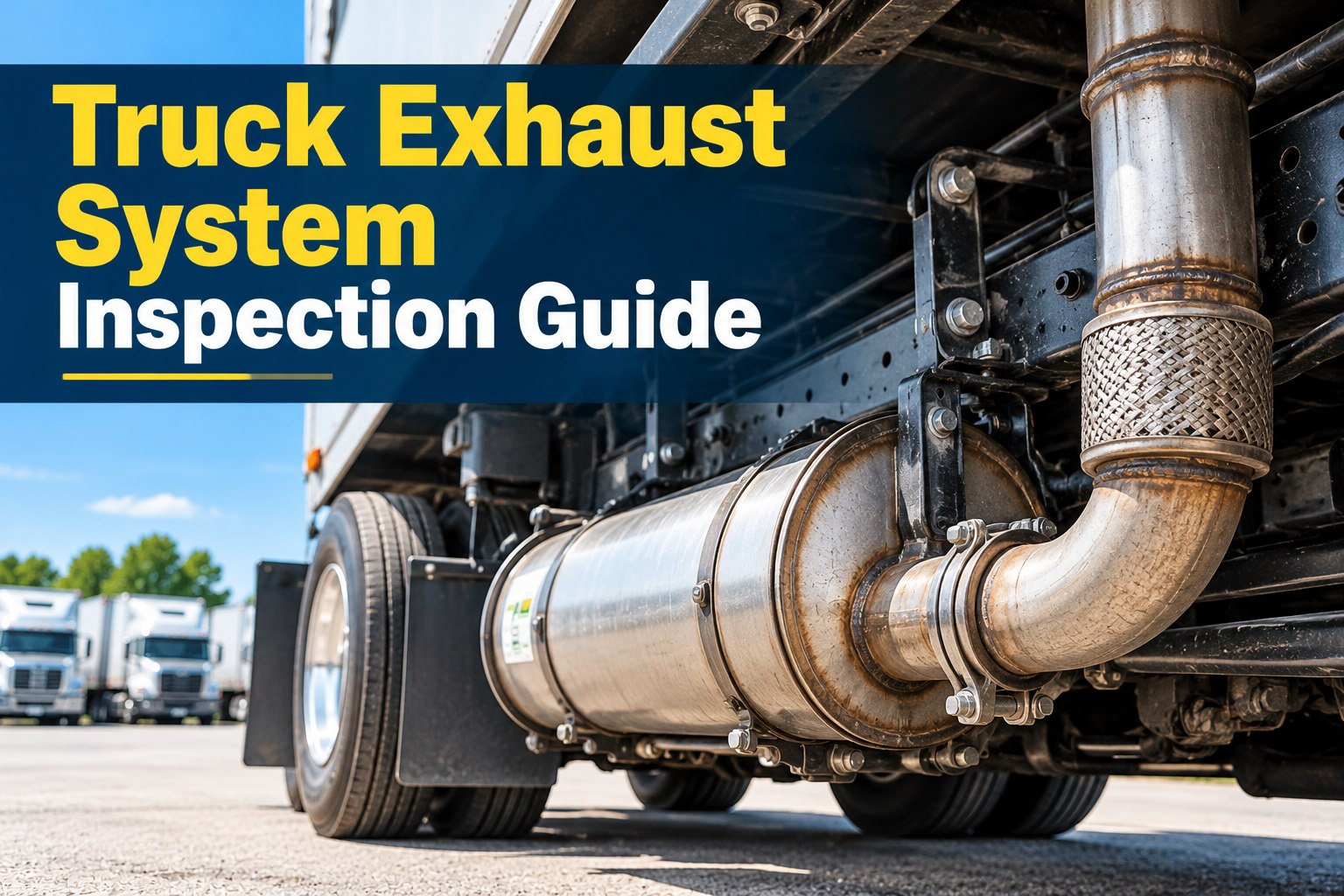
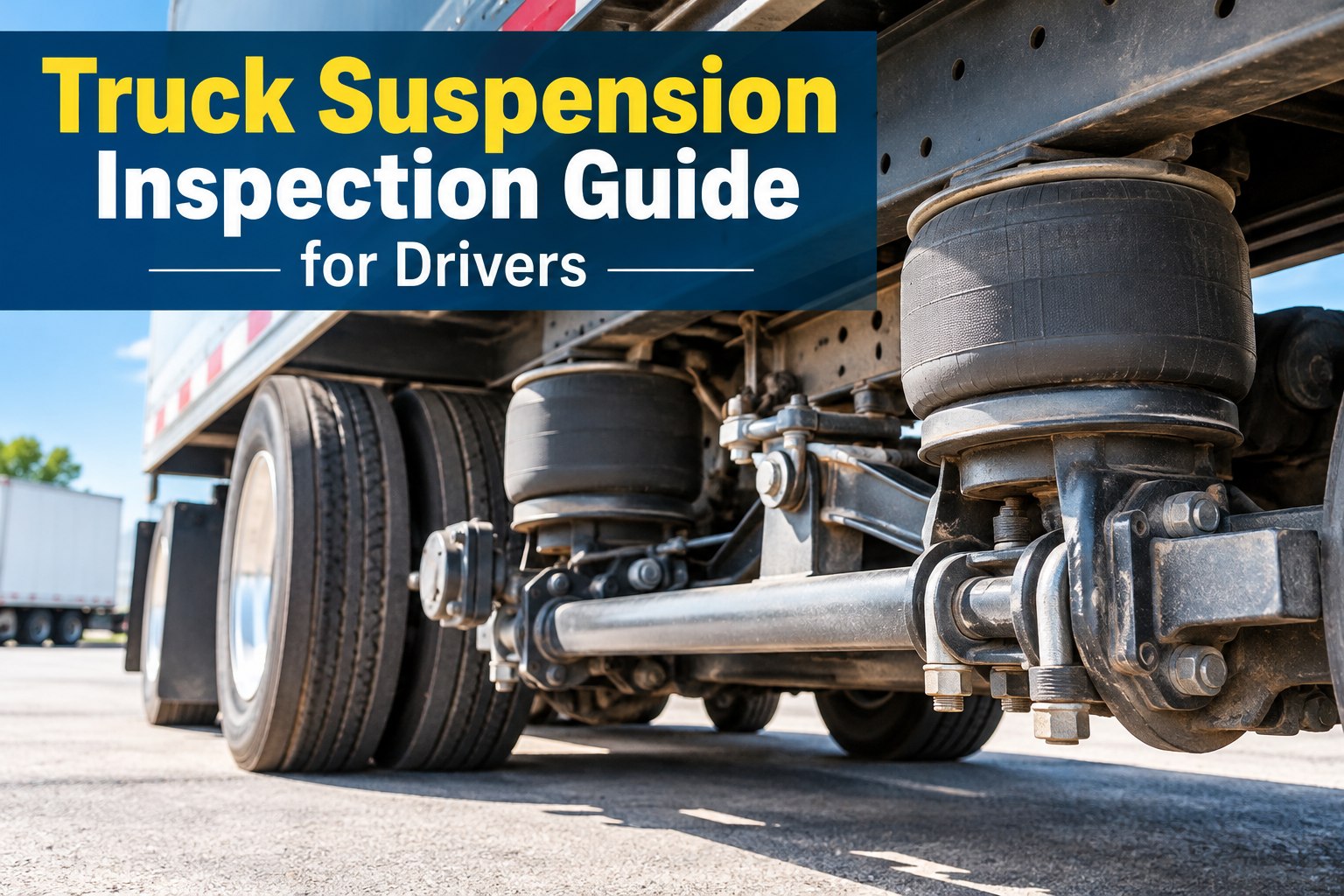
Heavy truck coolant system maintenance is critical for preventing overheating, engine damage, and costly downtime in commercial diesel operations. When coolant levels drop, radiators clog, or antifreeze degrades, engines run hotter, accelerating wear on gaskets, water pumps, and cylinder heads. Fleet Rabbit monitors engine temperature trends, maintenance schedules, and diagnostic alerts in real time to help fleet managers identify cooling system issues before they trigger breakdowns. Predictive analytics enable maintenance teams to schedule radiator flushes, inspect hoses, and replace degraded antifreeze during planned service windows instead of reacting to roadside overheating events. Start free trial or book a demo to deploy engine health monitoring across your heavy-duty fleet today.
15–25%
Typical maintenance cost recovery potential through systematic coolant system monitoring and preventive interventions
$1,500–$4,000
Average engine repair cost when overheating causes head gasket or cylinder damage
5–7%
Fuel efficiency improvement from optimized cooling system performance and reduced engine stress
8–12 hrs
Quarterly administrative time saved through automated cooling system maintenance reporting
Coolant System Failures Are Often Preventable. Fleet Rabbit Helps You Catch Them Before Overheating Occurs.
Fleet Rabbit connects to existing telematics and diagnostic systems to capture engine temperature data, maintenance history, and coolant service records in a centralized dashboard—enabling evidence-based preventive maintenance without hardware replacement or operational disruption.
The Hidden Cost of Neglected Coolant Systems in Heavy Trucks
Before implementing preventive strategies, it is important to understand where coolant system failures typically originate in commercial truck operations. Manual tracking and reactive maintenance leave significant degradation patterns unaddressed—patterns that structured analytics can help identify and mitigate.
Overheating From Degraded Antifreeze
Coolant loses corrosion inhibitors and heat transfer properties over time. Running degraded antifreeze accelerates rust buildup in radiators and water jackets, reducing cooling efficiency and increasing overheating risk.
Radiator Clogs and Restricted Airflow
Dirt, debris, and insect accumulation on radiator fins restricts heat dissipation. Without regular cleaning schedules, cooling capacity drops significantly, forcing engines to run hotter under load.
Hose Leaks and Clamp Failures
Rubber hoses crack, bulge, and leak as they age. Sudden coolant loss during operation can cause rapid temperature spikes, leading to emergency shutdowns and towing expenses.
Water Pump and Thermostat Wear
Failing water pumps reduce coolant circulation, while stuck thermostats prevent proper temperature regulation. Gradual performance decline masks underlying mechanical issues until failure occurs.
Essential Heavy Truck Coolant Maintenance Practices
Fleet Rabbit's AI analyzes engine temperature trends, maintenance history, and diagnostic codes to identify cooling system degradation before it impacts reliability. Understanding these practices enables targeted interventions that preserve engine health and control costs.
01
Scheduled Radiator Flushes
Regular flushing removes rust, scale, and contaminated coolant that impair heat transfer. Fleet Rabbit correlates mileage and engine hours with flush intervals to optimize scheduling.
02
Antifreeze Testing and Replacement
Refractometer and test strip analysis verifies freeze protection and inhibitor levels. Fleet Rabbit tracks coolant condition data to flag vehicles requiring top-offs or complete replacement.
03
Hose and Clamp Inspections
Visual checks identify cracking, bulging, or soft spots in coolant hoses. Fleet Rabbit links inspection results to service history to predict replacement timing before leaks occur.
04
Radiator Fin Cleaning
Compressed air or water cleaning restores airflow through radiator cores. Fleet Rabbit correlates ambient temperature and load data to identify routes where frequent cleaning is required.
05
Thermostat and Water Pump Monitoring
Temperature sensor data reveals thermostat sticking or pump wear. Fleet Rabbit alerts teams to abnormal warm-up times or temperature fluctuations that indicate component degradation.
06
Coolant Level and Pressure Checks
Low coolant levels and pressure cap failures compromise system integrity. Fleet Rabbit integrates pressure test results with diagnostic codes to identify slow leaks before overheating occurs.
How Fleet Rabbit Supports Coolant System Preventive Maintenance
Fleet Rabbit integrates with existing telematics, diagnostic tools, and maintenance systems to provide structured cooling system analytics without requiring hardware replacement. Data is captured at source and presented in actionable formats for operations teams. See a live demo focused on engine temperature monitoring, maintenance scheduling, and overheating prevention.
07
Real-Time Temperature Monitoring
Tracks engine coolant temperature, ambient conditions, and load factors by vehicle. Detects anomalies that indicate cooling system stress or component failure requiring intervention.
08
Predictive Maintenance Scoring
AI models analyze historical maintenance data and temperature trends to score cooling system health. Recommendations include confidence levels and expected ROI for each service action.
09
Automated Service Scheduling
When coolant degradation or component wear is detected, Fleet Rabbit creates prioritized work orders with parts lists, labor estimates, and optimal scheduling windows based on utilization.
10
Maintenance History and Compliance Documentation
Complete service records for every cooling system across the fleet. Generate reports for warranty claims, regulatory inspections, and internal maintenance audits with timestamped documentation.
Regulatory Framework Support for Cooling System Documentation
Fleet Rabbit supports compliance documentation for maintenance-related regulatory requirements commonly faced by commercial trucking operations.
FMCSA Maintenance Records
Digital DVIR and preventive maintenance logs linked to cooling system service data, supporting audit requests with timestamped, tamper-evident documentation.
EPA Emissions Compliance
Engine operating temperature and coolant maintenance records structured to support emissions test readiness and regulatory submissions.
Warranty Claim Support
Complete coolant system service history and diagnostic data formatted for manufacturer warranty claims, reducing denial risk for overheating-related repairs.
CSA Score Impact Tracking
Correlates maintenance compliance, vehicle inspections, and engine health metrics with CSA scores to identify improvement opportunities that support safety ratings.
Start Monitoring Cooling Systems. Prevent Overheating Before It Causes Downtime.
Fleet Rabbit's fixed-scope onboarding means no open timelines, no hardware installation, and no months of customization before you gain visibility. Deploy at $5/vehicle/month and begin monitoring within 72 hours.
Deployment Approach for Coolant System Maintenance Programs
Fleet Rabbit follows a structured onboarding process designed for dispersed fleet operations—delivering initial visibility within the first week and full feature activation within two weeks. No hardware installation required.
01
Asset and Data Audit
Map vehicles, diagnostic sources, and maintenance records
02
System Integration
Connect telematics and diagnostic APIs
03
Baseline Configuration
Set temperature thresholds and alert parameters
04
Team Training
Onboard maintenance managers and technicians
05
Go-Live and Review
Activate monitoring and schedule check-in
Typical Timeline and Expected Outcomes
Every Fleet Rabbit engagement follows a defined onboarding sequence with measurable milestones. Results vary by fleet size, operating conditions, and intervention follow-through. Request the full onboarding scope document tailored to your fleet profile.
Days 1–3
Integration and Baseline
Connect diagnostic systems and maintenance records via API
Import historical coolant service and temperature data for baseline analysis
Configure temperature thresholds and alert parameters per engine platform
Days 4–10
Pilot Monitoring
Activate cooling system tracking on highest-mileage vehicle segments
Review initial temperature trends and maintenance gaps with operations team
Identify quick-win opportunities such as overdue flushes or degraded antifreeze
Days 11–14
Full Activation
Expand monitoring to full fleet with all configured parameters
Enable automated maintenance scheduling and compliance documentation
Schedule 30-day review to assess intervention effectiveness
REALISTIC EXPECTATIONS: MEASURABLE IMPROVEMENTS WITH CONSISTENT INTERVENTION
Fleets that systematically address coolant system degradation—such as optimizing flush intervals, replacing worn hoses, and verifying antifreeze concentration—typically see overheating reduction and reliability improvements within the first 60–90 days. Results depend on operational follow-through and baseline conditions.
5–10%
Maintenance cost reduction
8–12%
Overheating incident reduction
15–20%
Engine lifespan extension
Use Cases from Heavy Truck Coolant Maintenance Deployments
These examples reflect common scenarios where Fleet Rabbit has supported cooling system maintenance efforts. Outcomes depend on fleet size, operating conditions, and intervention consistency. Request additional details for the use case most relevant to your operations.
A regional carrier performed flushes on fixed calendars without verifying coolant condition. Fleet Rabbit's temperature and maintenance correlation identified vehicles needing immediate service versus those with healthy coolant. Administrative time for maintenance scheduling was also reduced through automated reporting.
6–8%
Overheating reduction
10 hrs
Scheduling time saved
Book a Demo
An operator managing aging trucks faced recurring head gasket failures linked to degraded coolant. Fleet Rabbit's predictive scoring highlighted vehicles with declining heat transfer efficiency before temperatures spiked. Targeted coolant replacement restored cooling capacity and eliminated costly engine repairs.
30%
Engine repair cost reduction
12%
Cooling efficiency improvement
Book a Demo
An operator managing urban delivery routes experienced frequent roadside breakdowns from coolant hose failures. Fleet Rabbit correlated temperature anomalies with maintenance history, enabling proactive hose replacements during off-hours. This reduced emergency towing costs and improved route reliability significantly.
95%+
Leak prevention accuracy
15%
Route reliability improvement
Book a Demo
What Fleet Teams Say About Fleet Rabbit
Fleet Rabbit helped us identify cooling system degradation patterns we did not know we had. The automated maintenance reports also cut our quarterly scheduling time significantly. It is a practical tool for evidence-based engine health management.
Fleet Maintenance Director
Regional Trucking Company
Frequently Asked Questions
Does Fleet Rabbit require new hardware to monitor coolant systems?
No. Fleet Rabbit connects to existing diagnostic systems and telematics via API. Where gaps are identified during onboarding, targeted additions may be recommended—but full hardware replacement is not required.
Book a demo.
Which engine platforms does Fleet Rabbit support for cooling system monitoring?
Natively integrates with Cummins, Detroit Diesel, Paccar, Volvo, and other major commercial engine platforms via OEM diagnostic protocols. Integration scope is confirmed during the initial asset audit.
Book a demo.
How does Fleet Rabbit predict coolant system failures before overheating?
AI models analyze temperature trends, maintenance history, and diagnostic codes to score cooling system health. Recommendations include confidence levels and expected ROI for each service action.
Book a demo.
What maintenance reports can Fleet Rabbit generate for coolant systems?
Automated flush schedules, temperature anomaly summaries, hose replacement forecasts, and warranty claim documentation. All reports are exportable in standard formats for audit readiness.
Book a demo.
How long does it take to see cooling system insights after onboarding?
Baseline temperature data is available within 3–5 days of integration. Degradation patterns and maintenance gaps begin populating as vehicles operate. Meaningful trend analysis typically requires 2–4 weeks of data.
Book a demo.
Can Fleet Rabbit scale with fleet growth?
Yes—from 10 to 10,000+ vehicles. Add vehicles, locations, and users without re-implementation. Pricing is $5/vehicle/month with no volume minimums.
Book a demo.
Maintain Coolant Systems. Prevent Overheating. Optimize Reliability in Two Weeks.
Fleet Rabbit provides commercial trucking teams with real-time temperature monitoring, predictive maintenance scoring, automated scheduling, and compliance documentation—integrated with existing telematics in 5–7 working days, at $5/vehicle/month, with no new hardware required.
Temperature monitoring via OEM diagnostic APIs
Predictive scoring 5-10 days before overheating
Automated service scheduling and documentation
Offline-capable mobile apps for remote operations
May 22, 2026By John Polus
All Blogs