The Kenworth T880 is built for the toughest vocational applications in trucking — dump, mixer, refuse, heavy haul, logging, and oilfield. But vocational trucks break differently than highway tractors. Short routes, high idle time, constant PTO operation, extreme dust exposure, and off-road vibration accelerate wear across every system — cutting PACCAR MX-13 oil change intervals from 75,000 miles to just 30,000 miles, and making aftertreatment failures the number one cost category in vocational fleets. Kenworth T880 maintenance software built for severe duty tracks service by engine hours (not just odometer), monitors PTO and hydraulic systems, and adjusts PM schedules to match the brutal reality of jobsite operations. Start managing your T880 vocational fleet today.
T880 Vocational Applications
The Kenworth T880 serves as the platform for an extraordinary range of vocational configurations — each with unique maintenance demands driven by its specific duty cycle. A dump truck pounding through construction sites faces different stresses than a refuse truck running 1,000 stops per day or a mixer spinning 20 yards of concrete through city traffic. Understanding your application's specific wear patterns is the first step to preventing costly failures. Here are the primary T880 vocational applications and their maintenance implications.
Dump Truck
Hydraulic hoist systems, frame stress from repeated loading/unloading cycles, extreme dust ingestion. Requires aggressive air filter and suspension maintenance.
Ready-Mix / Mixer
Drum rotation demands continuous PTO engagement. Concrete splatter corrodes wiring and components. Weight distribution stress on front axle and steering.
Refuse / Recycling
Extreme brake and transmission wear from constant stop-start cycles. Hydraulic packer systems strain PTO. Corrosive leachate damages undercarriage components.
Heavy Haul
Maximum engine and drivetrain stress. Turbo cycles at extreme frequency. Oversize loads demand aggressive cooling system maintenance and drive axle service.
Logger / Oilfield
Remote site operations limit service access. Mud, water, and debris clog cooling systems weekly. Extended idle periods accelerate oil degradation and DPF soot loading.
Why Vocational Trucks Fail Differently
A Kenworth T880 on a construction site experiences fundamentally different stresses than a T680 running interstate routes. The combination of low speed, high torque, frequent PTO operation, extreme contamination, and excessive idle creates a perfect storm for accelerated component wear. Understanding these vocational stress factors is essential to setting proper maintenance intervals.
Aftertreatment Overload
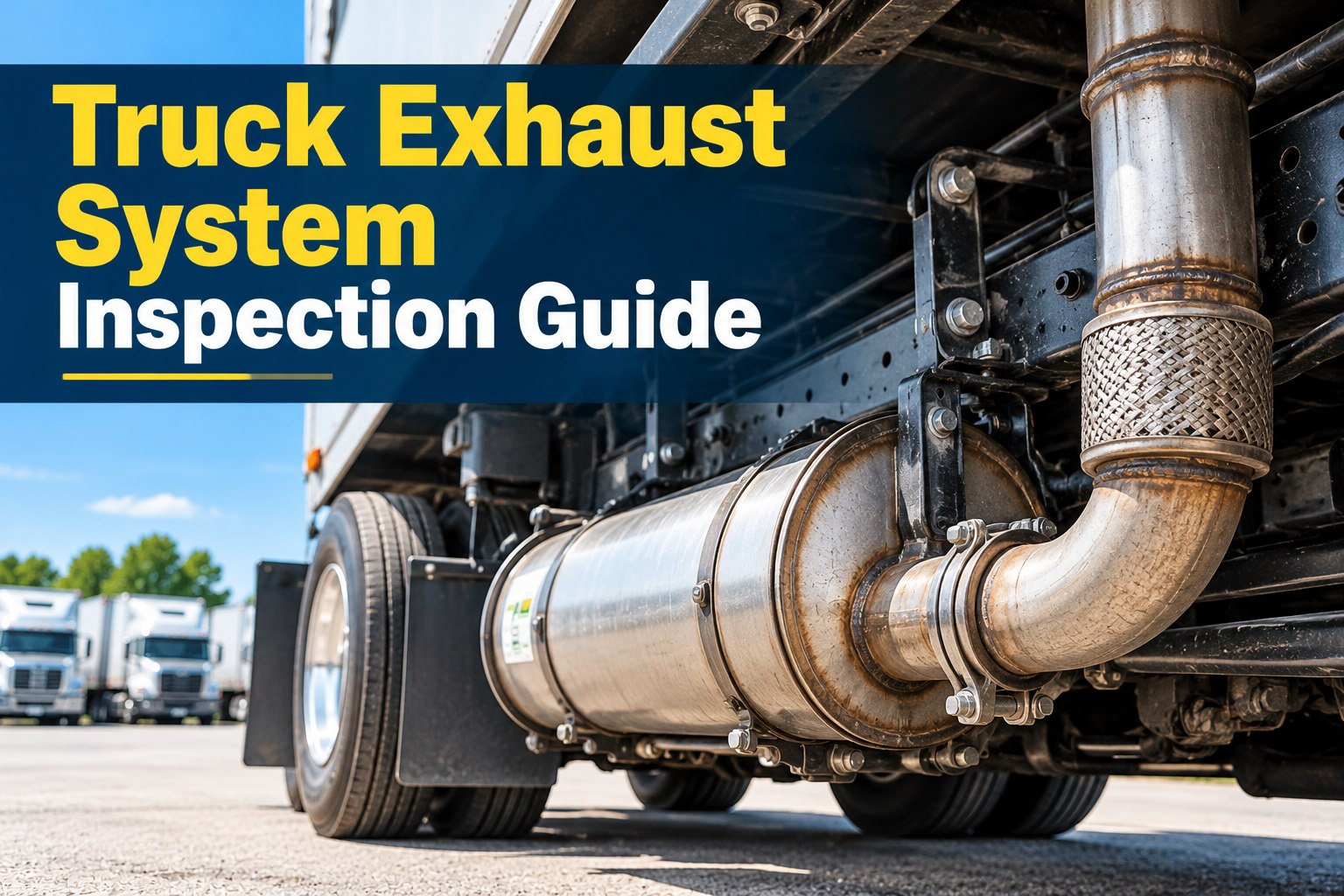
Low speed + high idle + PTO cycles = DPF overload, constant regen failures, SCR catalyst degradation, and DEF crystallization. Aftertreatment repairs cost $3,000-$10,000 per event.
PTO and Hydraulic Wear
Dump bodies, mixers, cranes, and refuse packers demand continuous PTO engagement. Hydraulic oil contamination and pump failure cascade into engine and transmission damage.
Dust and Contamination
Construction and logging sites generate extreme airborne particulates. Dust overwhelms air filters, clogs cooling fins, contaminates turbo bearings, and accelerates engine oil degradation.
Off-Road Vibration
Unpaved roads and jobsite terrain transmit constant shock loads through frame, suspension, and cab. Wiring harnesses fatigue, kingpins wear 3x faster, and frame cracks become common.
Rapid Temperature Swings
High-torque pulls followed by extended idle create extreme thermal cycling in engine, turbo, and exhaust components. Turbocharger failures cost $2,500-$7,500 per event.
Steering and Axle Abuse
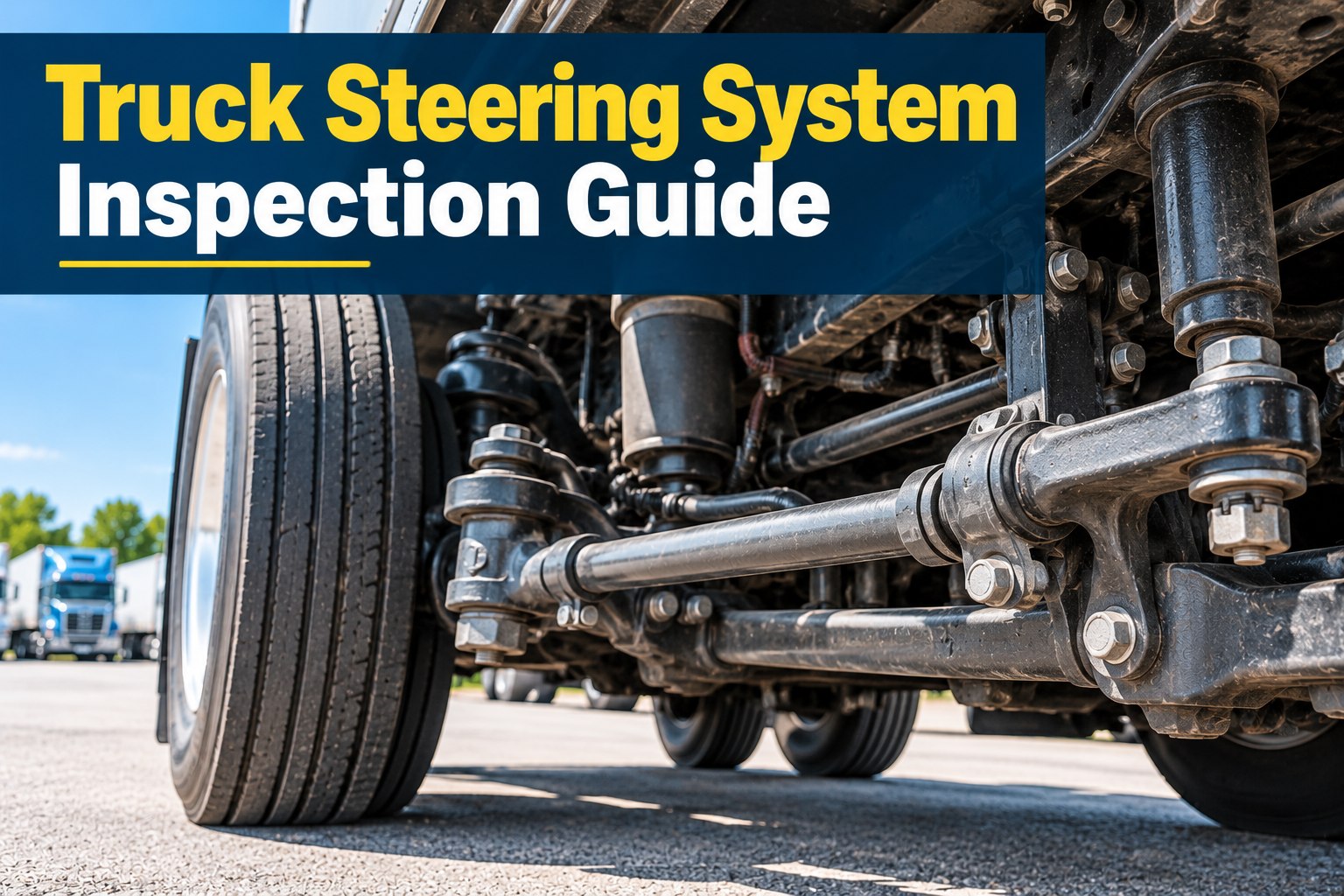
Tight jobsite maneuvering destroys tie rod ends, kingpins, and steering gears at 3x highway rates. Kingpin jobs cost $1,200-$2,500, steering gear replacement $1,000-$3,000.
Severe Duty vs. Linehaul: Interval Comparison
The difference between linehaul and severe-duty maintenance intervals is dramatic. PACCAR cuts nearly every service interval by 50-60% for vocational applications — recognizing that a T880 dump truck accumulating 800 engine hours in 30,000 miles faces radically different wear patterns than a T680 hitting 2,250 hours in 75,000 miles. Here's the direct comparison for every critical service point.
* Air filter intervals in dusty environments may be as low as every inspection. ** Condenser and radiator require weekly cleaning in dusty/muddy jobsite conditions.
Hour-Based Scheduling for Severe Duty Fleets
FleetRabbit tracks engine hours via PACCAR Connect and automatically triggers PM schedules at 800-hour intervals — because a T880 dump truck can hit 800 hours in 20,000 miles while a linehaul truck won't reach it until 75,000 miles.
T880 Vocational PM Schedule by System
Vocational T880 maintenance goes far beyond engine oil changes. PTO systems, hydraulic circuits, body-specific components, and environmental exposure each demand dedicated maintenance protocols that highway PM programs don't address. Here's the complete severe-duty maintenance breakdown organized by system.
Vocational Failure Cost Reality
Vocational trucks fail more often, more expensively, and less predictably than highway tractors. The top failure categories for T880 fleets are aftertreatment, engine, steering, and PTO/hydraulic systems. Here's what unplanned failures actually cost — and what proactive maintenance with FleetRabbit can prevent.
Purpose-Built for Vocational Fleets
FleetRabbit's severe-duty PM module tracks engine hours, PTO hours, and application-specific wear patterns — not just odometer miles.Connect your T880 fleet in minutes.
T880 Specifications at a Glance
The Kenworth T880 is available in multiple configurations optimized for vocational duty. Here are the key specifications relevant to maintenance planning.
Hour-Based Maintenance: The Vocational Imperative
The single biggest maintenance mistake in vocational fleets is scheduling service by odometer miles alone. A T880 dump truck running construction routes may only cover 40,000 miles per year — but accumulate 4,000-6,000 engine hours from high idle, PTO operation, and low-speed jobsite driving. At 6,000 hours, that engine has aged the equivalent of 200,000+ highway miles. FleetRabbit solves this by pulling real-time engine hours directly from PACCAR Connect and triggering PM alerts based on whichever threshold — mileage or hours — is reached first. This ensures your vocational T880s never exceed the 800-hour oil change window, regardless of what the odometer reads. See hour-based scheduling in action.
Frequently Asked Questions
PACCAR recommends oil changes every 30,000 miles or 800 engine hours for severe-duty/vocational applications using SAE 10W-30 CK-4 oil. This is significantly shorter than the 75,000-mile linehaul interval. Engine hours are the more reliable indicator in vocational service, as high idle time means hours accumulate much faster than miles. Always use whichever threshold is reached first.
Vocational trucks operate in fundamentally different conditions: low speed, high torque, extreme dust, constant PTO operation, frequent idle, and off-road vibration. These conditions accelerate engine oil degradation, overload DPF systems with soot, wear steering components 3x faster, and stress hydraulic systems continuously. PACCAR acknowledges this by cutting nearly every service interval by 50-60% for vocational applications compared to linehaul.
Aftertreatment system failures — DPF, DOC, SCR, and DEF components — are the number one failure category in vocational trucking by a wide margin. Low-speed, high-idle, PTO-heavy duty cycles create the worst conditions for emissions systems: DPF overload, constant regen cycles, SCR catalyst degradation, and DEF crystallization. A complete aftertreatment failure can cost $10,000-$20,000 including parts, labor, and downtime.
Yes. FleetRabbit can track PTO hours independently from engine driving hours, allowing you to schedule hydraulic fluid changes, PTO engagement inspections, and pump service based on actual PTO utilization. This is critical for dump, mixer, and refuse applications where PTO systems run for thousands of hours annually. Sign up to configure PTO tracking for your fleet.
Extreme dust in construction, mining, and logging environments can reduce air filter life from 90,000 miles to as low as every inspection cycle. Dust also clogs radiator and condenser fins (requiring weekly cleaning), contaminates turbocharger bearings, accelerates engine oil degradation, and increases DPF soot loading. FleetRabbit allows custom environmental modifiers that automatically shorten PM intervals based on your operating conditions.
The Kenworth T880 is standard with the PACCAR MX-13 (12.9L) rated up to 510 HP and 1,850 lb-ft of torque, ideal for heavy haul and dump applications. The PACCAR MX-11 (10.8L) is available for weight-sensitive vocational applications at up to 430 HP and 1,650 lb-ft, being 400 pounds lighter than 13-liter engines. The Cummins X15 is also available with up to 605 HP for the most demanding applications. Transmission options include the PACCAR TX-18 and TX-18 Pro 18-speed automated transmissions, purpose-built for vocational duty.
Your T880 Fleet Deserves Severe-Duty Software
Stop applying highway maintenance schedules to vocational trucks. FleetRabbit is built for the brutal reality of dump, mixer, refuse, and heavy haul operations — tracking engine hours, PTO cycles, and environmental conditions to keep your T880 fleet running.