If you run a delivery fleet, your Ram ProMaster is the workhorse that keeps your customers happy and your routes on schedule. It also happens to be the vehicle that punishes you the hardest when maintenance slips. A single van pulled from service during peak delivery hours can wipe out 80 to 150 customer deliveries in one day, costing your operation over $8,000 in penalties, refunds, and churn before you factor in the tow bill. The Ram ProMaster 1500, 2500, and 3500 are capable of reaching 200,000 to 250,000 miles, with some fleets pushing past 475,000 miles when preventive maintenance is strictly followed. The difference between a ProMaster that dies at 90,000 miles and one that keeps earning revenue past 300,000 miles comes down to one thing: a disciplined, mileage-based maintenance schedule that matches how hard your delivery routes work the vehicle. This guide breaks down the exact intervals, the commercial-duty adjustments, the common failure points to watch, and the maintenance platform that keeps every van on the road.
Keep Every ProMaster Earning Not Sitting in the Shop
Delivery vans see 250–350 miles per day and 50–120 stops. That start-stop cycling destroys brakes, transmissions, and CV joints 2–3x faster than a passenger vehicle. Here is the exact schedule that keeps Ram ProMaster fleets running past 300,000 miles.
The Ram ProMaster Delivery Fleet by the Numbers
Before we get into the schedule, you need to understand what a delivery route does to a van. Ram ProMasters in commercial service rarely drive the way the OEM maintenance manual assumes. Short trips, heavy loads, idle time, and brutal start-stop cycling mean your van is almost always running under "severe duty" conditions — and the maintenance calendar needs to reflect that.
The Master Maintenance Schedule for Ram ProMaster Fleets
Ram publishes two different oil change ceilings depending on your model: 10,000 miles for the 1500 and 8,000 miles for the 2500/3500. But both are overridden by the "350 engine run hours" clause — which triggers long before those mileage caps for any van that idles at loading docks or stops frequently. For real delivery fleets, the table below is what you actually need.
| Service Item | Standard Interval | Fleet / Severe-Duty Interval | Priority |
|---|---|---|---|
| Engine oil & filter change | 10,000 mi (1500) / 8,000 mi (2500/3500) | 5,000 mi with full synthetic, or 350 engine hours | Critical |
| Tire rotation | Every oil change / 10,000 mi | Every 5,000–7,500 mi | Critical |
| Brake pad inspection | Every oil change | Every oil change — replace at 30K–60K mi | Critical |
| Brake fluid flush (DOT 4) | 32,000 mi / 24 months | 24 months firm (moisture-driven interval) | Important |
| Engine air filter | Every 20,000–30,000 mi | 15,000 mi (dusty or urban conditions) | Important |
| Cabin air filter | 20,000–30,000 mi | 15,000 mi | Routine |
| Transmission fluid & filter (sealed 6-spd) | 60,000 mi | 45,000 mi for high-utilization fleets | Critical |
| Spark plugs | 100,000 mi | 80,000 mi for commercial duty | Important |
| Engine coolant flush | 10 years / 150,000 mi | Condition-based inspection at 100K | Important |
| Axle & driveline lubrication | Inspect only (most models) | Change fluid — fleet / severe duty rule applies | Important |
| Wiper blade replacement | 6 months | 6 months | Routine |
| Battery & terminal inspection | Every oil change | Every oil change + load test at 3 years | Important |
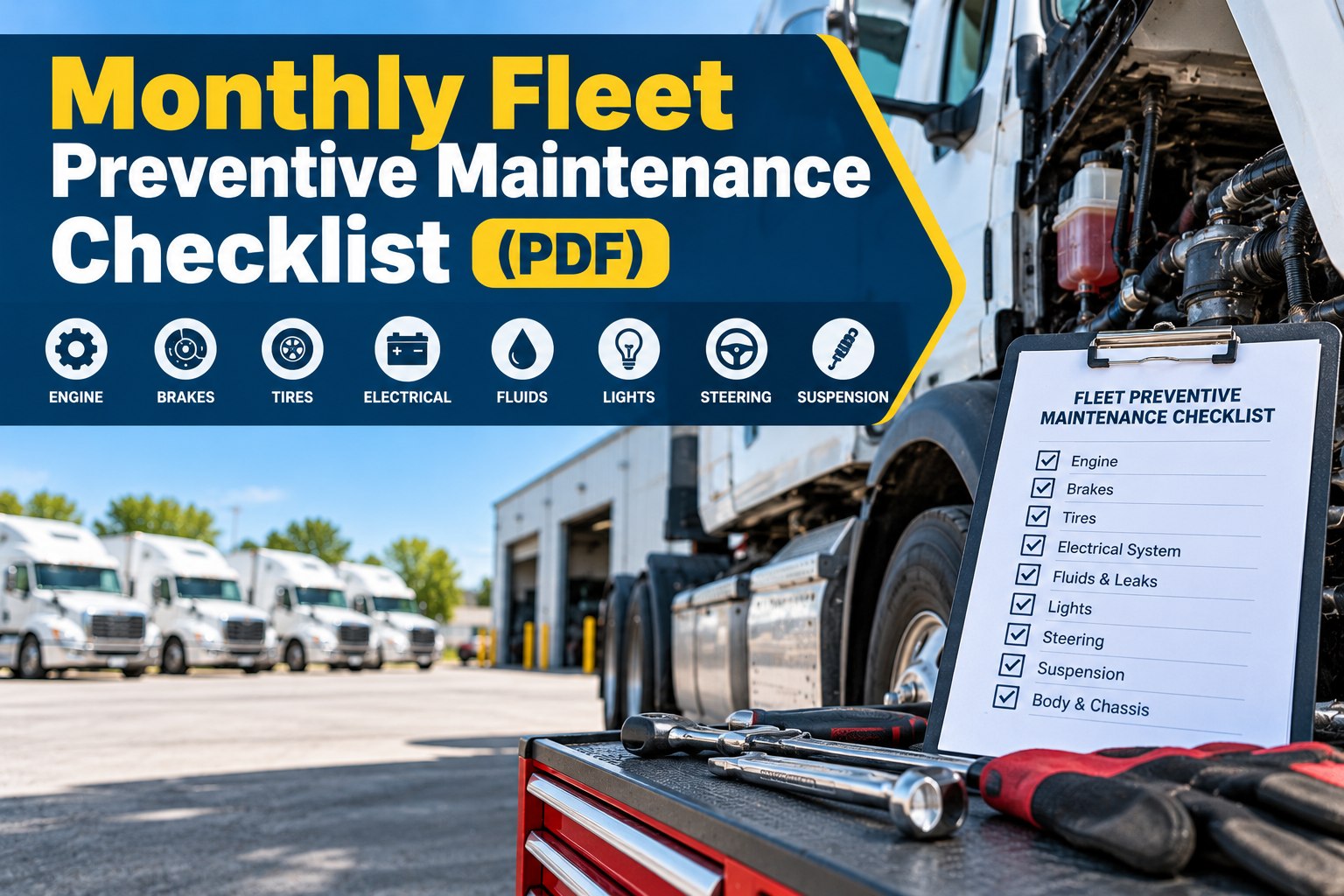
Keep in mind the ProMaster is equipped with an oil-life monitoring system that calculates duty cycle in real time. Delivery fleets almost always see the indicator light up well before the mileage ceiling — trust it. Pair the dashboard alert with a proper preventive maintenance program that auto-generates work orders when readings drift, and your drivers stop being the only line of defense.
Model-by-Model: 1500 vs 2500 vs 3500 Service Differences
The three ProMaster trim levels share the 3.6L Pentastar V6 platform but carry different payloads, different GVWRs, and therefore different maintenance stress profiles. Here is how their schedules diverge in real commercial use.
Stop Tracking PM Intervals in a Spreadsheet
Fleet Rabbit auto-generates work orders based on actual mileage, engine hours, and fault codes — not a manual calendar someone forgets to update.
Major Service Milestones: 30K / 60K / 90K
Beyond the routine oil-and-tire rhythm, the ProMaster has three "milestone" inspections that determine whether your van will hit 300,000 miles or die at 120,000. Miss these and you will spend the savings ten times over in drivetrain repairs.
The first warranty-coverage inspection. Focus on parts that display early wear: brake pads, air and cabin filters, and tires that may need replacement. Rear brake pads on urban delivery routes are often near the wear limit at this mark. Also inspect the front suspension, air conditioning performance, and all brake linings.
This is where preventive maintenance pays for itself. Transmission fluid and filter change is the headline item — the sealed 6-speed unit costs upwards of $6,000 to rebuild, and commercial-duty fluid contamination is the single fastest path to that invoice. Also plan for second brake pad replacement, fresh air and cabin filters, plus brake fluid flush if not done at 32K.
Last of the three major checkups. Give the drivetrain, steering column, and chassis a full workover. Inspect spark plugs ahead of their 100K replacement. Check the entire exhaust system and engine cooling system. If your fleet will run these vans past 150K, this is where you verify the engine and transmission are healthy enough to justify the investment in another cycle.
Common Ram ProMaster Failure Points to Watch
Every vehicle has its weak spots, and knowing the ProMaster's patterns lets you catch problems before they strand a driver. Based on fleet data and forum-reported issues, these are the five most common trouble areas, ranked by repair cost and downtime impact.
Early-generation ProMasters (2014–2019) had known transmission linkage issues and recall coverage. Even on newer models, the sealed 6-speed does not tolerate missed fluid changes or heavy towing. Prevention: Change fluid at 60K (45K for severe duty). Rebuild cost: $4,500–$6,500.
Random warning lights, faulty rearview cameras, door lock failures, and TPMS sensor glitches are common, especially on higher-mileage units. Most trace back to poor grounds or outdated software. Prevention: Keep firmware updated at every dealer visit. Repair cost: $300–$1,100 depending on component.
One of the most-reported annoyances — ProMasters chew through low-beam halogen bulbs. Fleet operators frequently report 20+ bulb replacements over the life of the van. Prevention: Upgrade to OEM-spec LED replacements where DOT-compliant. Keep a parts bin stocked to avoid shop visits for a 10-minute swap.
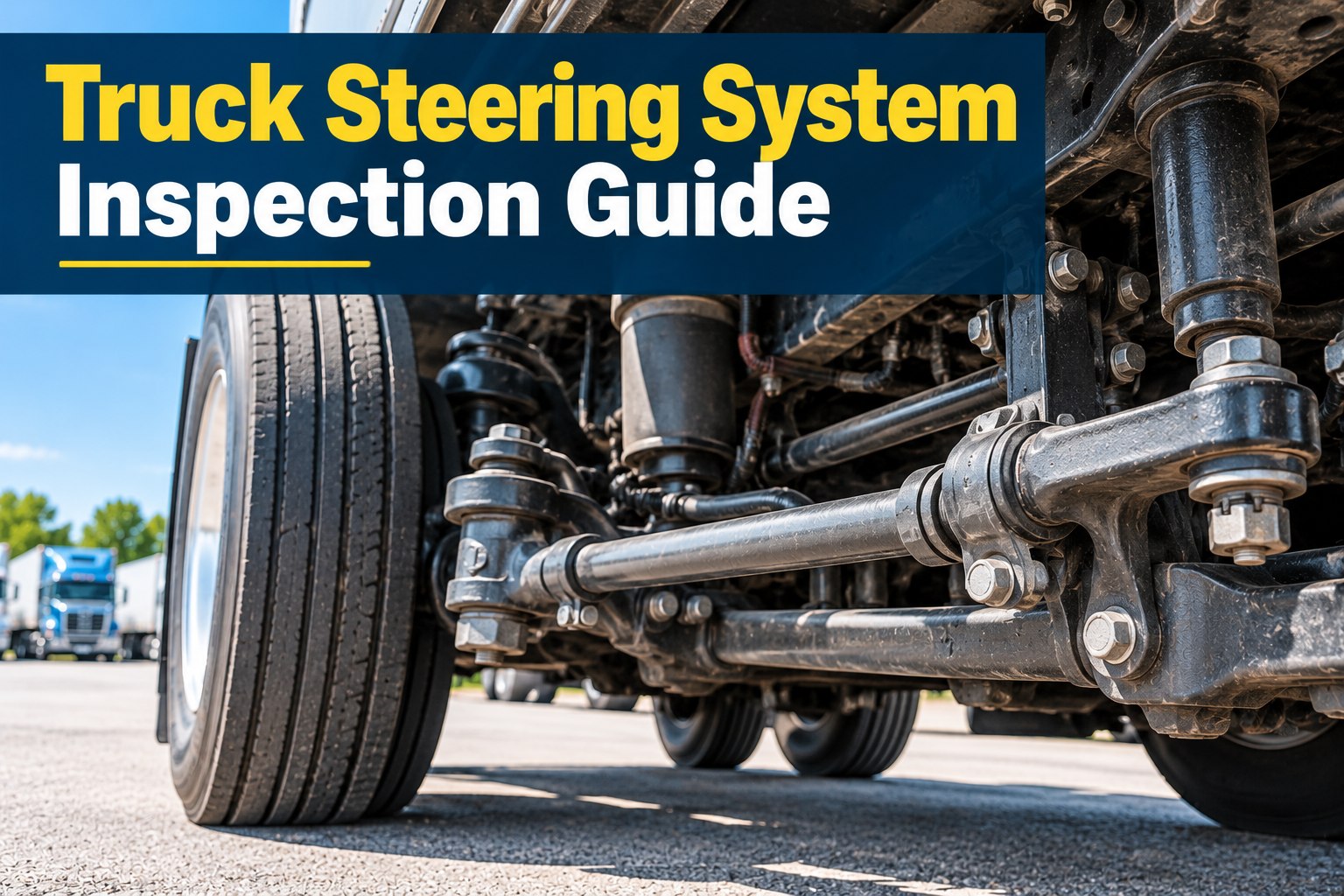
The FWD platform means the front axle carries the powertrain load plus most of the payload weight on loaded return trips. Wheel bearings and CV joints show wear sooner than on RWD vans. Prevention: Inspect at every 60K major service. Listen for humming above 40 mph or clicking during turns.
Delivery vans making 100+ stops per day can wear brake pads in as little as 30,000 miles on urban routes. Brembo-supplied pads are quality — the issue is duty cycle, not hardware. Prevention: Inspect at every oil change, not every 20,000 miles. Replace rotors with pads if scoring is visible.
What It Actually Costs to Maintain a ProMaster Delivery Fleet
Routine maintenance for a single ProMaster in fleet service runs $1,050 to $1,500 annually under moderate use — but high-utilization last-mile delivery pushes that figure to $5,500–$7,200 per vehicle per year when you factor in tires, brakes, and unplanned repairs. Here is how the costs break down for a typical e-commerce fleet running 25,000 miles per van per year.
A fleet of 10 ProMasters running 25,000 miles each per year will incur roughly $30,000 in routine maintenance before insurance or emergency repairs. Fleets running a proper CMMS with predictive alerts cut that number by 15–25% within the first year and reduce downtime by up to 22% — because AI can detect degradation patterns 4–7 days before a breakdown, which means you schedule repairs in depot windows instead of on the side of a highway.
How Fleet Rabbit Keeps Every ProMaster on the Road
A spreadsheet full of mileage intervals is not a maintenance program — it is a wish list. Delivery fleets need a platform that talks to telematics, auto-triggers work orders, digitizes driver inspections, and tracks every fluid, filter, and pad across every van in real time. That is what Fleet Rabbit delivers, and it is why fleets running ProMaster vans for Amazon DSP routes, local e-commerce, courier services, and food delivery rely on it.
No more calendar-based PM that treats a 350-stops-per-week urban van the same as a suburban run. Fleet Rabbit triggers maintenance by miles, engine hours, brake events, and stop count — so each vehicle gets serviced when its wear profile demands, not when a fixed date arrives. Pair this with smarter repair workflows and technicians spend time fixing vans, not searching for work orders.
Drivers complete pre-trip and post-trip inspections on the mobile app with mandatory photo fields for tires, brakes, lights, and cargo area. GPS-stamped and timestamped automatically. Any defect reported auto-generates a prioritized work order visible to the shop team instantly — no email inbox delay, no paper forms lost in a door pocket. Built to keep your fleet DOT-ready every day.
Connects directly to Geotab, Samsara, Verizon Connect, and OBD-II hardware. When a fault code triggers or a parameter exceeds threshold (transmission temperature, battery voltage, brake pad wear sensor), the system auto-generates a work order with the specific vehicle, condition data, and recommended repair — before the driver even reports a symptom.
Track brake pads, rotors, filters, bulbs, and every fluid across every depot. Auto-reorder thresholds prevent shop delays when a ProMaster needs a part that is "usually in stock." Gain real cost-per-mile visibility on your ProMaster fleet by integrating parts and inventory management directly with the work order queue.
See cost-per-mile, uptime percentage, MTBF, and PM compliance for every ProMaster in your fleet. Identify which vans are running your margins into the ground and which routes are ageing your assets the fastest. Essential for last-mile e-commerce operations where every route minute is margin.
Frequently Asked Questions
Ram's factory ceiling is 10,000 miles for the 1500 and 8,000 miles for the 2500/3500, but both models include a 350-hour engine run-time cap that triggers first for nearly every delivery fleet vehicle. For real-world commercial use, plan on 5,000 miles with full synthetic, or whenever the oil-life indicator illuminates — whichever comes first.
The owner's manual specifies 60,000 miles for the sealed 6-speed automatic. For high-utilization delivery fleets with heavy stop-start cycling, shorten that to 45,000 miles. Missing this service is the fastest path to a $4,500–$6,500 transmission rebuild.
With disciplined preventive maintenance, most ProMasters reach 200,000–250,000 miles. Well-maintained fleet units have been reported to exceed 300,000 miles, and one documented case pushed a 2014 2500 past 475,000 miles before trade-in. The key variable is PM compliance, not the vehicle.
Yes, but the differences are mostly in oil intervals (10K ceiling for 1500 vs 8K for 2500/3500) and wear-item lifespan (brakes and bearings wear faster on higher-GVWR models). Transmission, spark plugs, and coolant intervals are identical across the lineup for 2020+ model years.
Ram rates the Brembo pads for up to 90,000 miles under normal use, but urban delivery routes with 100+ daily stops wear them in 30,000–55,000 miles. Inspect at every oil change, and replace rotors together with pads if scoring is visible. Book a demo to see how Fleet Rabbit tracks brake wear by route.
Transmission failure is the #1 cause of multi-day downtime in ProMaster delivery fleets, followed by electrical issues (random warning lights, sensor failures) and front suspension wear on high-GVWR variants. All three are preventable with condition-based monitoring via OBD-II telematics integration.
Put Your Entire ProMaster Fleet on Autopilot
Automated PM scheduling, digital DVIR, telematics integration, parts tracking, and route-based analytics — all in one platform. Used by 500+ delivery fleets to keep vans on the road and customers on schedule.