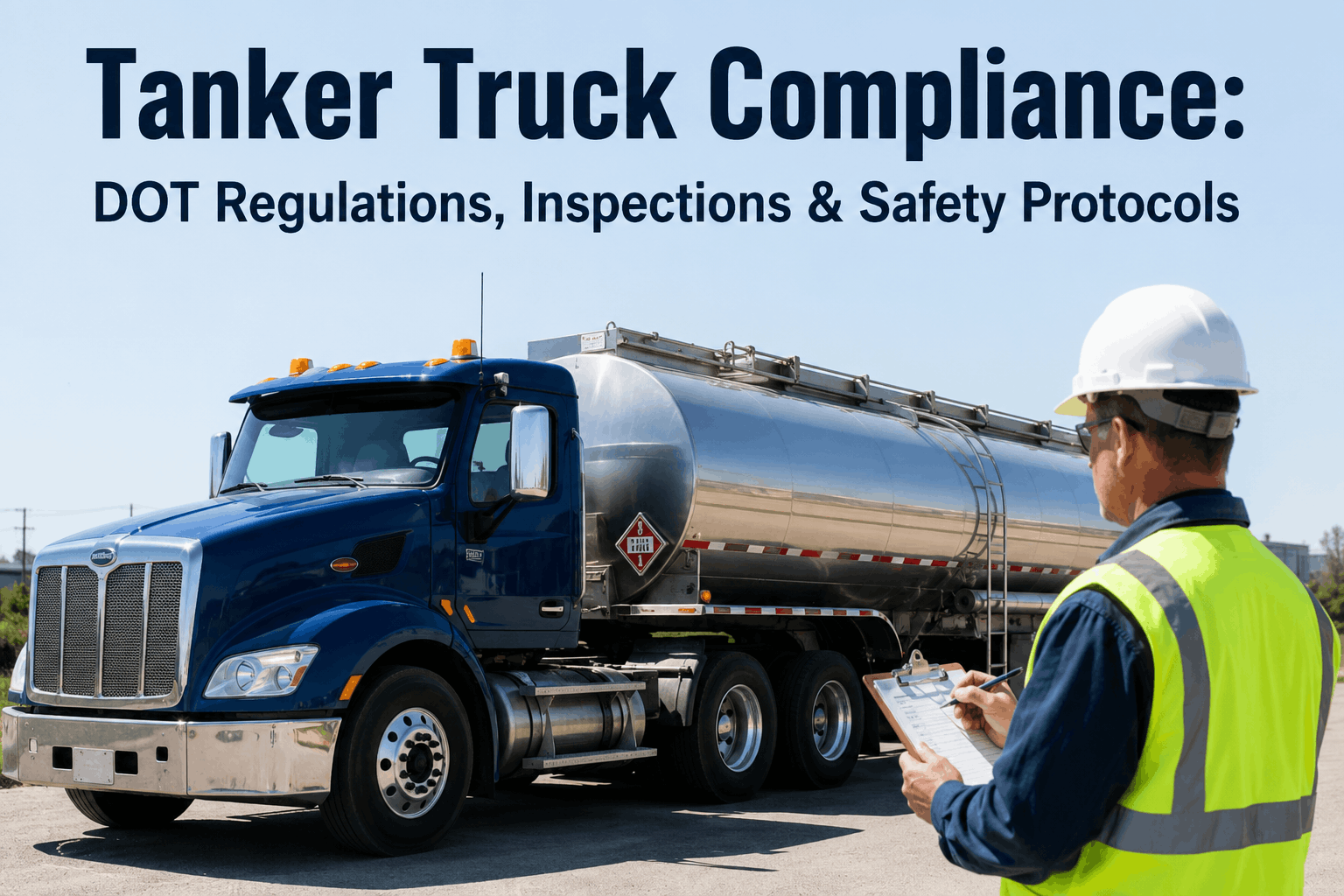
Tanker trucks carry nearly 22 billion gallons of hazardous and non-hazardous liquids annually across US highways. One compliance misstep — from a missing placard to an expired cargo tank inspection — can trigger DOT out-of-service orders, fines up to $78,376 per day, and reputational damage. Whether you manage liquid bulk hazmat or food-grade tankers, mastering DOT compliance, inspections, and safety protocols isn't optional: it's your license to haul. With FleetRabbit, you can digitize every piece of paperwork and stay audit-ready. Sign up for intelligent fleet automation or book a demo to transform compliance chaos into clarity.
FMCSA & PHMSA: core tanker truck regulations
Tanker compliance rests on 49 CFR Parts 107, 172, 173, 178, 180 (hazmat) and FMCSA’s Parts 383, 391, 392, 395 (driver & operations). For liquid tankers, special emphasis lies on cargo tank specification, emergency discharge control, and rollover prevention. Motor carriers must ensure tank integrity, proper placarding, and CDL endorsements (N and H). Failing to comply leads to roadside citations, civil penalties, and potential criminal liability. Using a centralized compliance platform like sign up for FleetRabbit means real-time alerts for expiring credentials and automated inspection logs.
Tank inspections: a visual compliance roadmap
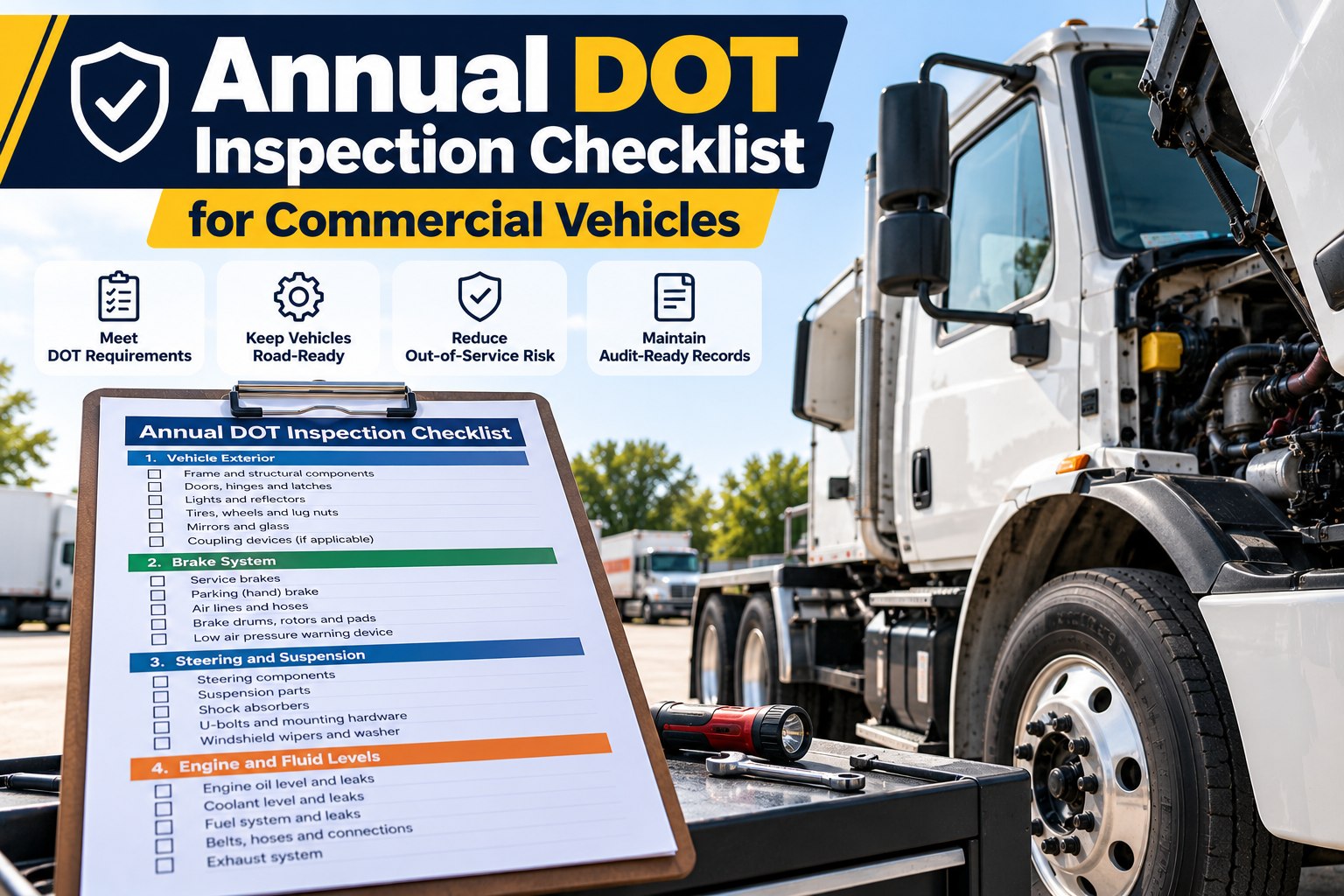
Documentation is the backbone of DOT audits. Every inspection must be recorded, retained for 1 year (or longer for hazmat incidents), and accessible for roadside inspection. Digital record-keeping reduces errors and lost paperwork. That’s why fleet owners rely on FleetRabbit — book a demo to see how automated inspection workflows eliminate manual filing.
Safety protocols: preventing tanker rollovers & spills
According to FMCSA, tankers are 10 times more likely to roll over than dry vans due to liquid surge. The Cargo Tank Rollover Prevention (RORP) program highlights speed, curve negotiation, and proper braking. Best practices: maintain surge reduction devices, train drivers in smooth steering/cornering, and use electronic stability control (ESC). Your safety protocol must include pre-departure surge planning, load distribution monitoring, and emergency shutoff drills. Sign up for FleetRabbit’s safety module to assign customized driver training and automated safety reminders.
Hazmat endorsement & shipping paper compliance
Tankers hauling hazardous materials must have a CDL with Hazardous Materials (H) and Tank (N) endorsements. Shipping papers must include proper shipping name, UN/NA number, hazard class, packing group, and emergency response telephone. Drivers need security plans for certain high-risk materials (RCRA, radioactive, etc.). Non-compliance triggers potential criminal fines and loss of operating authority. Using digital document management through book a demo to centralize shipping papers and driver qualification files — FleetRabbit keeps you FMCSA audit-ready 24/7.
Recent CVSA Blitz data reveals that out-of-service rates for cargo tank inspections hover near 21% — meaning one in five tankers receives an OOS order due to brake adjustment, lighting, or tank integrity issues. Automated preventive maintenance scheduling reduces this risk. Fleets using compliance software report 34% fewer violations. Don’t wait for a surprise audit — sign up for free today and experience smarter compliance tracking.
Unify driver inspections, cargo tank tests, hazmat credentials & safety protocols in one dashboard. Reduce penalties and streamline DOT interactions.
FMCSA requires carriers to maintain systematic inspection, repair, and maintenance records (parts 396). For tank trucks, any welding, repair, or modification must follow original design specs and be certified. Missing repair documentation invalidates the cargo tank certification. FleetRabbit's cloud-based DVIR and maintenance logs give you one-click access to historical reports, helping you pass DOT inspections with confidence. Sign up and automate your repair tracking now.
✅ Top 5 tanker violations & how to avoid them
- • 396.3(a)(1) – Inadequate brake adjustment: Inspect slack adjusters daily, log corrections.
- • 393.9 – Inoperative lamps: Pre-trip lighting check on all marker/clearance lamps.
- • 180.407 – Missing or expired external visual inspection: Digitize inspection scheduler → FleetRabbit alerts.
- • 177.834 – Improper loading/unloading procedures: Ensure securement & grounding per hazmat manual.
- • 172.516 – Placard deterioration or missing placards: Replace faded placards; train drivers on proper display.
Technology-first fleets decrease repeat violations by 47% by centralizing compliance calendars. Book a demo to explore automated inspection workflows tailored for tanker divisions.
Frequently asked questions – Tanker DOT compliance
Keeping up with evolving rules (like the new HM-215O and electronic recordkeeping guidelines) can be overwhelming. FleetRabbit equips you with a purpose-built tanker compliance suite: from real-time violation alerts to automatic inspection scheduling and document management. Thousands of carriers trust us to reduce downtime and increase safety scores. Ready to take the wheel? Sign up for free or book a demo to see why leading fleets switch to FleetRabbit.
Join fleet managers who cut compliance admin time by 60% and never miss another inspection deadline.
© FleetRabbit — Tanker truck DOT compliance simplified. Regulations cited from 49 CFR & FMCSA. Stay safe, stay compliant.