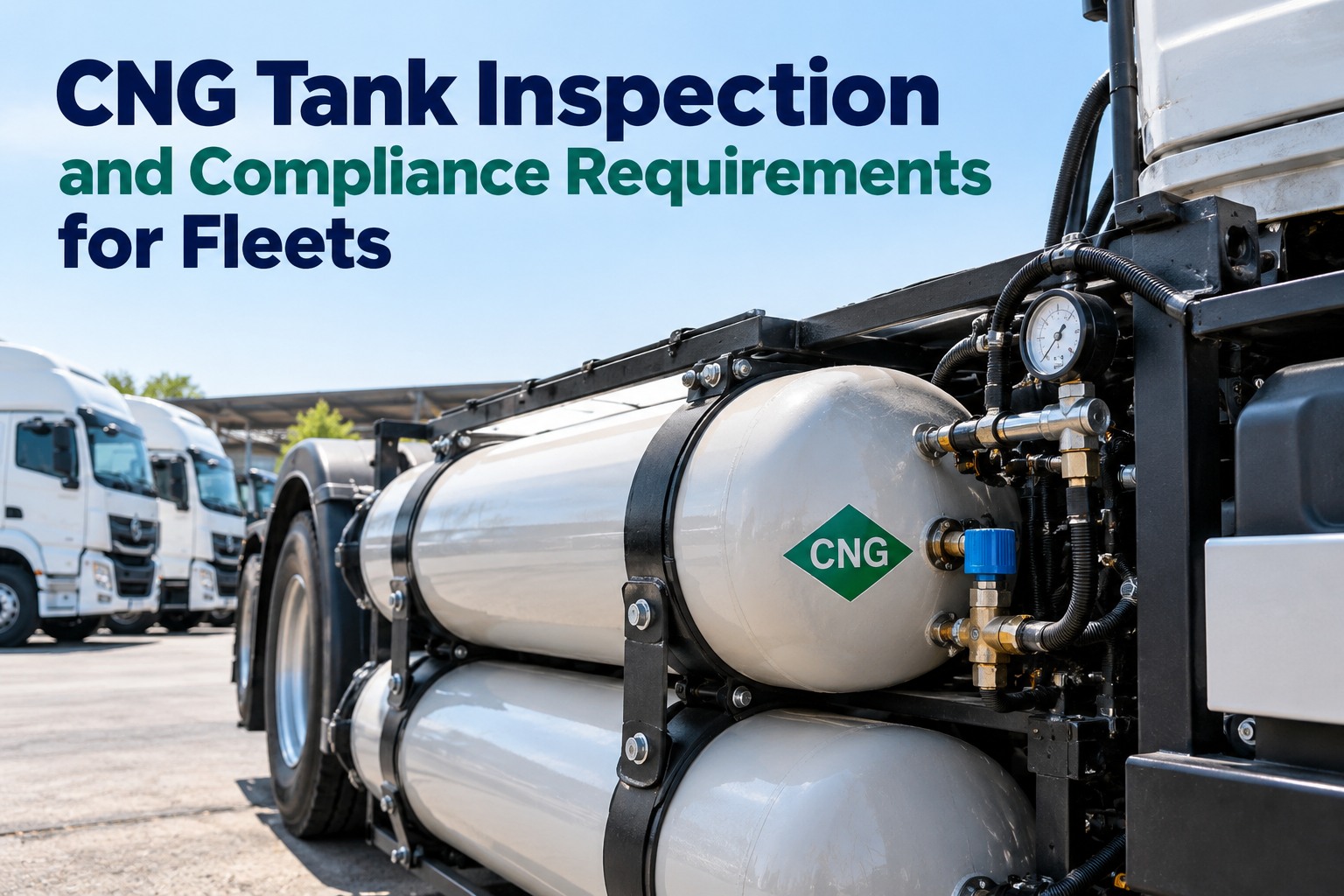
Oil changes are one of the most fundamental maintenance procedures for any truck. When performed correctly, regular oil changes extend engine life, improve performance, and prevent costly repairs. However, even experienced technicians can make critical errors during this seemingly simple procedure. Let's explore the top mistakes to avoid when performing truck engine oil changes.
1. Selecting the Incorrect Oil Type or Viscosity
One of the most common technician errors in oil change procedures is selecting the wrong oil for the specific truck engine. Modern commercial trucks often have precise oil requirements based on:
- Engine design and manufacturer specifications
- Operating conditions (extreme temperatures, heavy loads)
- Emissions systems compatibility
- Age and mileage of the vehicle
Using incorrect oil can lead to reduced lubrication, increased engine wear, and even catastrophic failure in extreme cases. Always consult the manufacturer's specifications and consider the truck's operating environment when selecting oil.
2. Improper Filter Installation
The oil filter is crucial for removing contaminants and extending oil life. Common mistakes include:
- Not lubricating the filter gasket before installation
- Over-tightening the filter (remember: most only need 3/4 turn after gasket contact)
- Under-tightening, leading to leaks
- Installing the wrong filter size or type
- Not checking for old gaskets stuck to the filter mount
These errors can cause immediate leaks or gradual engine damage. Quality tools for truck oil changes include proper filter wrenches sized for specific applications, helping ensure correct installation.
3. Neglecting to Check for Leaks and Related Issues
A truck oil change presents the perfect opportunity to inspect for existing or potential problems. Many technicians make the mistake of focusing solely on the oil and filter without examining:
- Oil pan gaskets and drain plugs for leaks
- Valve cover gaskets
- Oil cooler lines and connections
- Front and rear main seals
- Turbocharger oil supply and return lines
This comprehensive inspection approach can catch minor issues before they become major expenses. Professional truck oil change services should always include this crucial step.
4. Incorrect Oil Fill Levels
Adding too much or too little oil can both cause serious engine problems:
- Overfilling leads to foaming, increased pressure, and potential seal failures
- Underfilling results in inadequate lubrication and accelerated wear
Many technicians make the error of not allowing sufficient drain time or failing to verify the final oil level after the engine has run briefly. Always check the dipstick multiple times and ensure the truck is on level ground when measuring.
5. Poor Documentation and Service Reset Procedures
Modern trucks often have sophisticated maintenance tracking systems that need proper resetting after service. Common mistakes include:
- Failing to reset electronic service indicators
- Not updating maintenance records with the specific oil type used
- Skipping documentation of other observations or recommendations
- Not updating fleet management systems with service information
At FleetRabbit, we understand that proper documentation ensures consistency across service intervals and helps fleet managers make informed decisions about their vehicles.
Conclusion
Avoiding these common truck oil change mistakes requires attention to detail, proper tools, and thorough knowledge of different truck engines. While looking for "truck oil change near me" might yield numerous options, finding technicians who understand these critical aspects can make all the difference in your fleet's longevity and performance.
Regular, properly performed oil changes are one of the most cost-effective ways to extend the life of your truck engines and prevent expensive downtime. Visit FleetRabbit.com to learn more about our comprehensive maintenance services designed specifically for commercial truck fleets.
Remember that proper oil change procedures are an investment in your fleet's future, not just another maintenance expense.