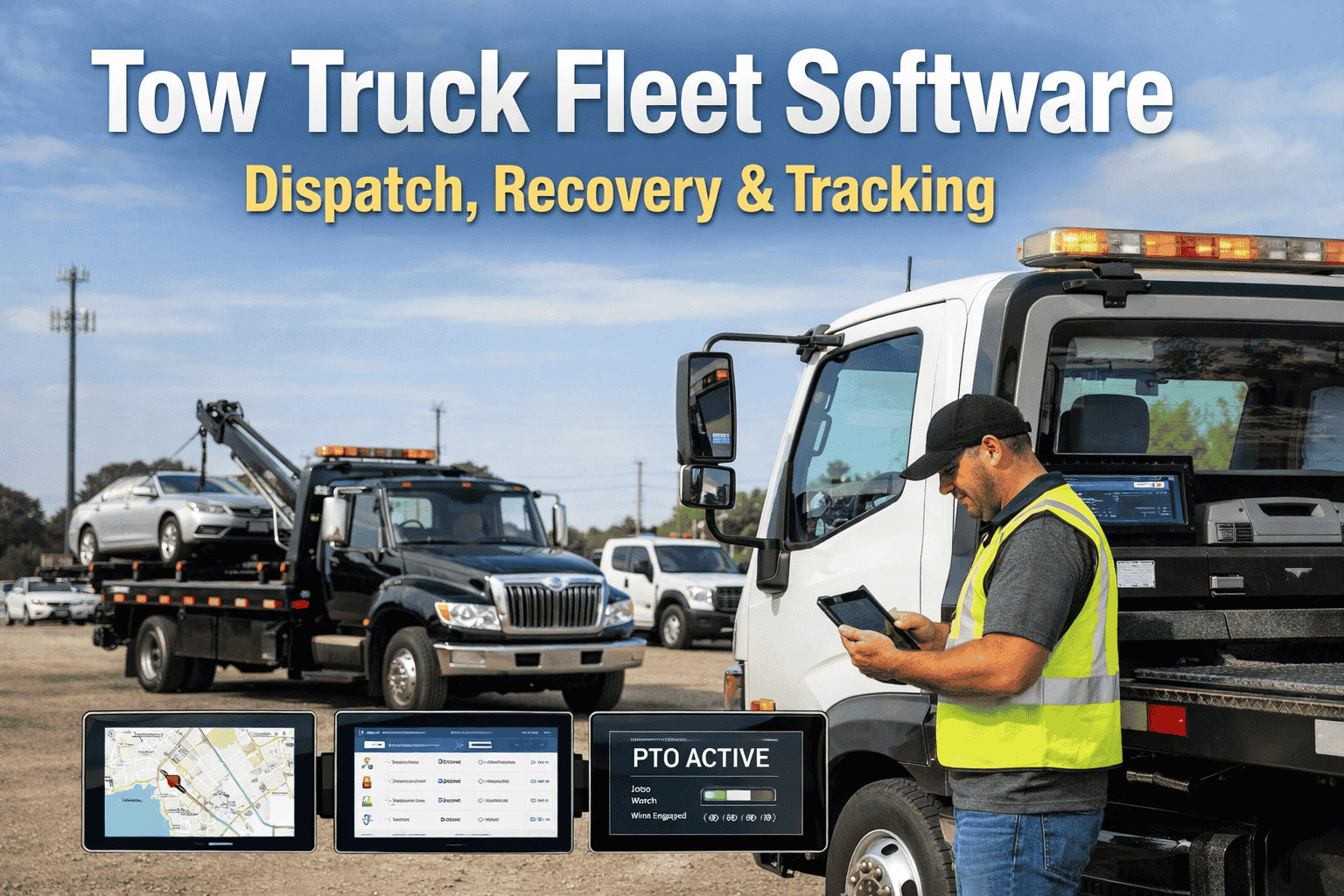
Every minute a tow truck sits waiting for dispatch instructions is revenue lost. Every recovery without photo documentation is a lawsuit waiting to happen. Every missed maintenance interval on a winch or PTO system is a breakdown that pulls a truck off the road for days.
The US towing industry generates $9.8 billion annually — but the margin between profitable operators and struggling ones often comes down to response time. Motor clubs measure it. Lenders track it. Insurance companies benchmark it. The operators winning contracts in 2026 are hitting 20-minute response times while competitors still average 45 minutes.
FleetRabbit gives towing operations the real-time visibility to dispatch fasterthe maintenance tracking to keep trucks road-ready, and the documentation tools to protect against disputes.
Tow Fleet Software 2026
Tow Truck Fleet Management for Dispatch, Recovery & Compliance
GPS tracking, PTO monitoring, maintenance scheduling, and DVIR compliance — built for roadside assistance, repo operations, and heavy recovery fleets.
Trusted by 500+ fleets · Free for 3 vehicles · 50+ integrations
Avg Response Time
23min
Industry: 45m
Top 10%: 18m
$9.8B US towing industry revenue
1.8M repos projected 2026
45M roadside calls/year
76% fleets using telematics
65% faster dispatch with AI
Why Towing Fleets Struggle Without Proper Software
The towing industry is demanding. Trucks run 24/7. Drivers work unpredictable hours. Equipment takes a beating. And the margin for error is razor-thin — one missed motor club deadline, one undocumented recovery, one breakdown at the wrong time can cost thousands in lost contracts and legal fees.
Slow Dispatch Kills Contracts
Motor clubs track your response times to the minute. Average 45+ minutes consistently and you'll lose the contract to a competitor with GPS dispatch. One California towing company lost a $180K/year AAA contract after response times slipped from 28 to 42 minutes over 6 months.
Undocumented Repos = Lawsuits
Without timestamped GPS breadcrumbs and condition photos, every disputed repo becomes your word against theirs. Defense attorneys know towing companies often lack documentation — and they exploit it. Average legal defense cost for a repo dispute: $8,000-15,000.
Breakdowns Cost $500-1,500/Day
A flatbed earning $400/day in tows costs you $400/day when it's down. A heavy rotator earning $1,500/day costs you $1,500/day. Standard mileage-based maintenance misses the PTO, winch, and hydraulic wear that actually causes tow truck failures.
Driver Theft & Unauthorized Use
Without PTO monitoring, you can't tell if a driver ran personal tows off the books. Without GPS geofencing, you don't know if trucks are being used after hours. Fuel theft, side jobs, and unauthorized vehicle use cost the average towing company 8-12% of revenue.
The Dispatch Problem Every Towing Company Faces
A call comes in. You need to know: Which truck is closest? Is it available? Does it have the right equipment? Is the driver certified for this job type? With radio dispatch and whiteboards, answering those questions takes 3-5 minutes. With GPS fleet tracking, it takes 10 seconds.
1
0:00
Call Received
Motor club or direct call comes in
2
+3-5 min
Radio Check (Old Way)
Call each driver, wait for response, check availability manually
2
+10 sec
GPS Dispatch (FleetRabbit)
See all trucks on map, tap nearest available, auto-assign
3
+15-25 min
On Scene
Driver arrives, begins recovery
What Type of Towing Operation Do You Run?
Different towing businesses need different tools. Select your primary operation to see which FleetRabbit features matter most for you:
Roadside Assistance & Motor Club Work
Jump starts, tire changes, lockouts, fuel delivery, and light-duty tows. Speed wins contracts — motor clubs require 30-45 minute response times and track your performance metrics religiously.
Real-time GPS shows nearest available truck instantly
Driver app receives jobs with one-tap accept
Auto-calculate ETA based on traffic conditions
Digital completion reports sync to motor club systems
Contract Requirement
30-45min response
Miss this consistently and you lose the contract
Repossession & Asset Recovery
Vehicle recovery for banks, credit unions, BHPH dealers, and finance companies. Requires discretion, thorough documentation, and compliance with state-specific repo laws.
GPS breadcrumb trails prove location and timing
Timestamped photos document vehicle condition
Lender reporting integration for status updates
Driver logs provide audit trail for disputes
2026 Volume
1.8Mrepos projected
Highest since 2019 — demand is surging
Private Property & Impound Operations
Towing for apartments, businesses, HOAs, and municipal contracts. Requires proper signage documentation, vehicle condition photos, and impound lot management through release or auction.
Photo evidence of signage and vehicle position
Impound intake with automated fee calculation
Lien notification tracking and deadlines
Lot inventory management and capacity alerts
Avg Storage Fee
$35per day
Revenue adds up — track every vehicle
Heavy-Duty & Commercial Recovery
Semi trucks, buses, RVs, and commercial vehicles. Requires specialized equipment — rotators, heavy wreckers, air cushions. Equipment costs $500K+ so maintenance tracking is critical.
PTO hour tracking for service intervals
Winch cycle and boom operation monitoring
Hydraulic system maintenance alerts
Downtime Cost
$1K+per day lost
A rotator down is $1,500/day in lost revenue
See FleetRabbit Working for Tow Operations
Track trucks, schedule maintenance, monitor PTO hours, and keep your fleet compliant — all from one dashboard built for towing.
No credit card · No contracts · Free for up to 3 vehicles · Works with your existing telematics
The Real Cost of Running a Tow Fleet
Towing looks profitable on paper — $150 for a basic tow, $300+ for heavy-duty, $500+ for rotator work. But the operating costs eat into margins fast. Understanding where your money goes is the first step to protecting it.
Maintenance & Repairs
$8,000-15,000
Driver Wages
$35,000-55,000
Equipment Depreciation
$8,000-12,000
Total per truck:
$81,000-125,000/year
The towing companies that stay profitable are the ones that minimize unplanned downtime, reduce fuel waste from inefficient routing, catch maintenance issues before they become expensive repairs, and document everything to avoid legal costs. FleetRabbit helps with all four.
How Fleet Software Pays for Itself
At $3/vehicle/month, FleetRabbit costs a 10-truck operation $360/year. Here's how it pays back that investment many times over:
GPS tracking eliminates unauthorized use and inefficient routing. Most fleets see 8-15% fuel savings.
Avg fuel cost/truck:$20,000/yr
10% savings:$2,000/yr
10-truck fleet:$20,000/yr saved
PTO-based maintenance catches hydraulic and winch issues before they strand trucks. One prevented breakdown = one day of revenue saved.
Avg downtime cost:$600/day
Breakdowns prevented:3-5/yr/truck
10-truck fleet:$18,000-30,000/yr saved
GPS breadcrumbs and driver logs provide documentation that resolves disputes before they become lawsuits.
Avg dispute defense:$8,000-15,000
Disputes avoided:1-2/yr
Annual savings:$8,000-30,000/yr
Total Annual ROI for 10-Truck Fleet
$46,000 - $80,000
vs. $360/year software cost = 127x to 222x return
Tow Truck Maintenance Is Different
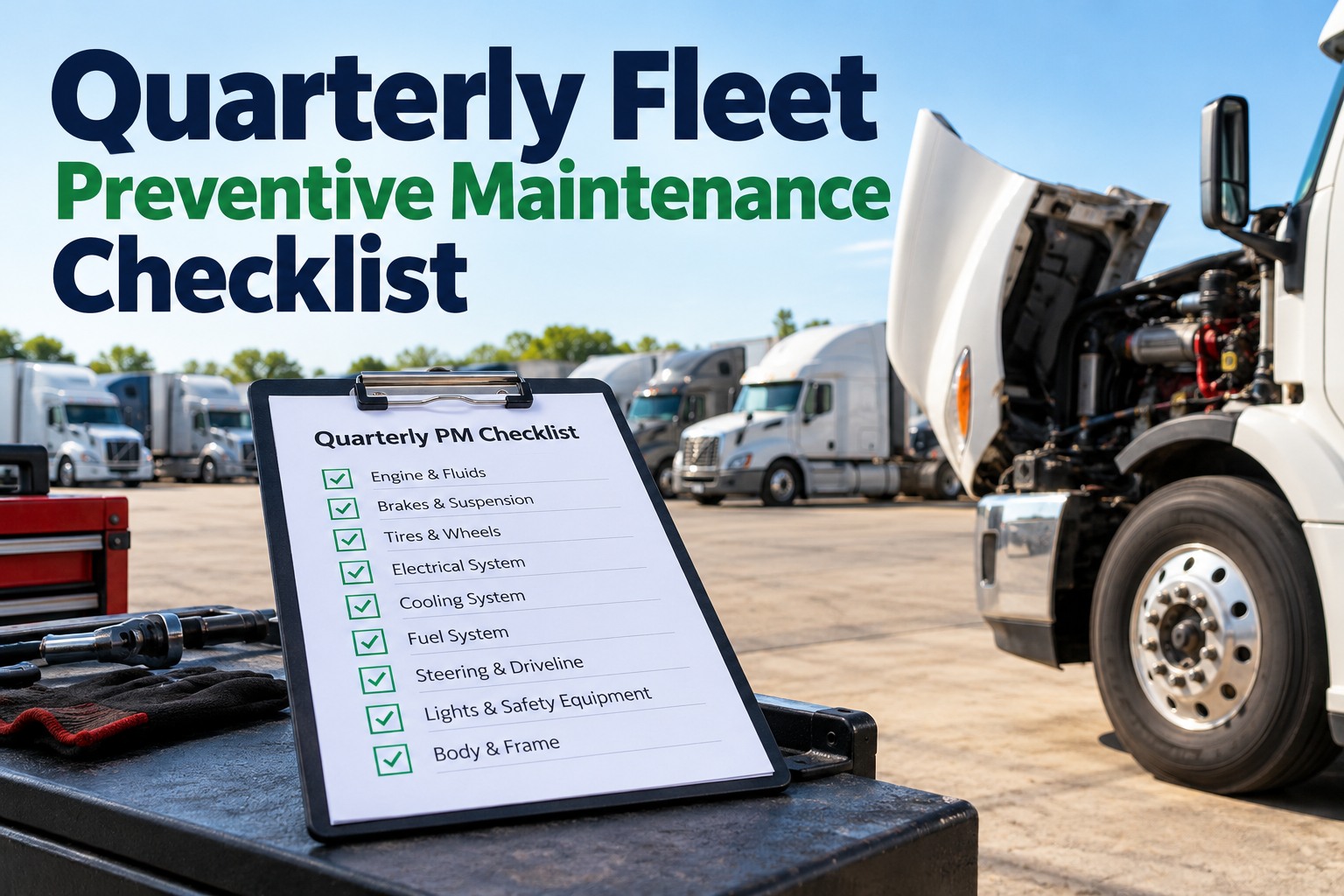
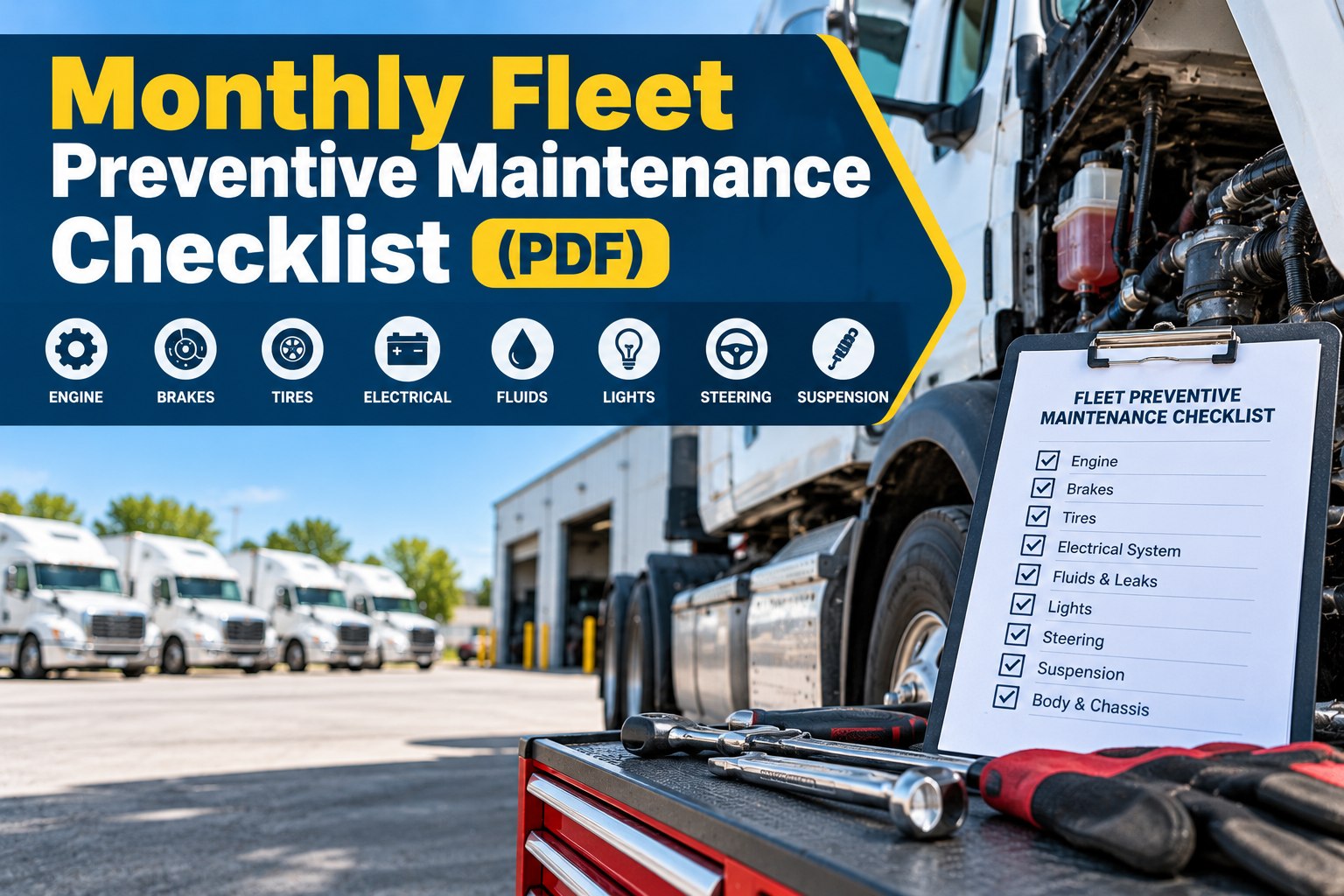
A tow truck isn't a delivery van. The PTO engages hundreds of times per week. The winch cycles through thousands of pounds of tension. The hydraulics run hot. Standard mileage-based maintenance doesn't work — you need to track actual equipment usage.
Oil change every 5,000 miles
Brake inspection every 15,000 miles
Transmission service every 30,000 miles
No tracking for PTO, winch, or hydraulics
Misses the equipment that breaks most often
VS
PTO-hour based service intervals
Winch cable inspection by cycle count
Hydraulic fluid by operating hours
Boom and arm structural inspections
Catches problems before trucks go down
Tow Truck Specific Equipment Tracking
A tow truck has components that regular fleet vehicles don't — and they need specialized maintenance tracking. FleetRabbit lets you create custom service intervals for every piece of equipment on your trucks.
Winch Cable
Cycle count or visual wear
Every 500-1,000 cycles
$800-2,500 + downtime
Hydraulic Fluid
PTO hours
Every 1,000-1,500 PTO hrs
$3,000-8,000 if pump fails
Boom Cylinders
PTO hours + visual
Inspect every 500 PTO hrs
$2,000-5,000 per cylinder
Wheel Lift Arms
Cycle count
Inspect every 2,000 cycles
$1,500-3,500
PTO Clutch
PTO engagement hours
Every 2,500-4,000 PTO hrs
$1,200-2,800
Bed Tilt Mechanism
Cycle count (flatbeds)
Lubricate every 200 cycles
$2,500-6,000 if seizes
DOT Compliance for Towing Fleets
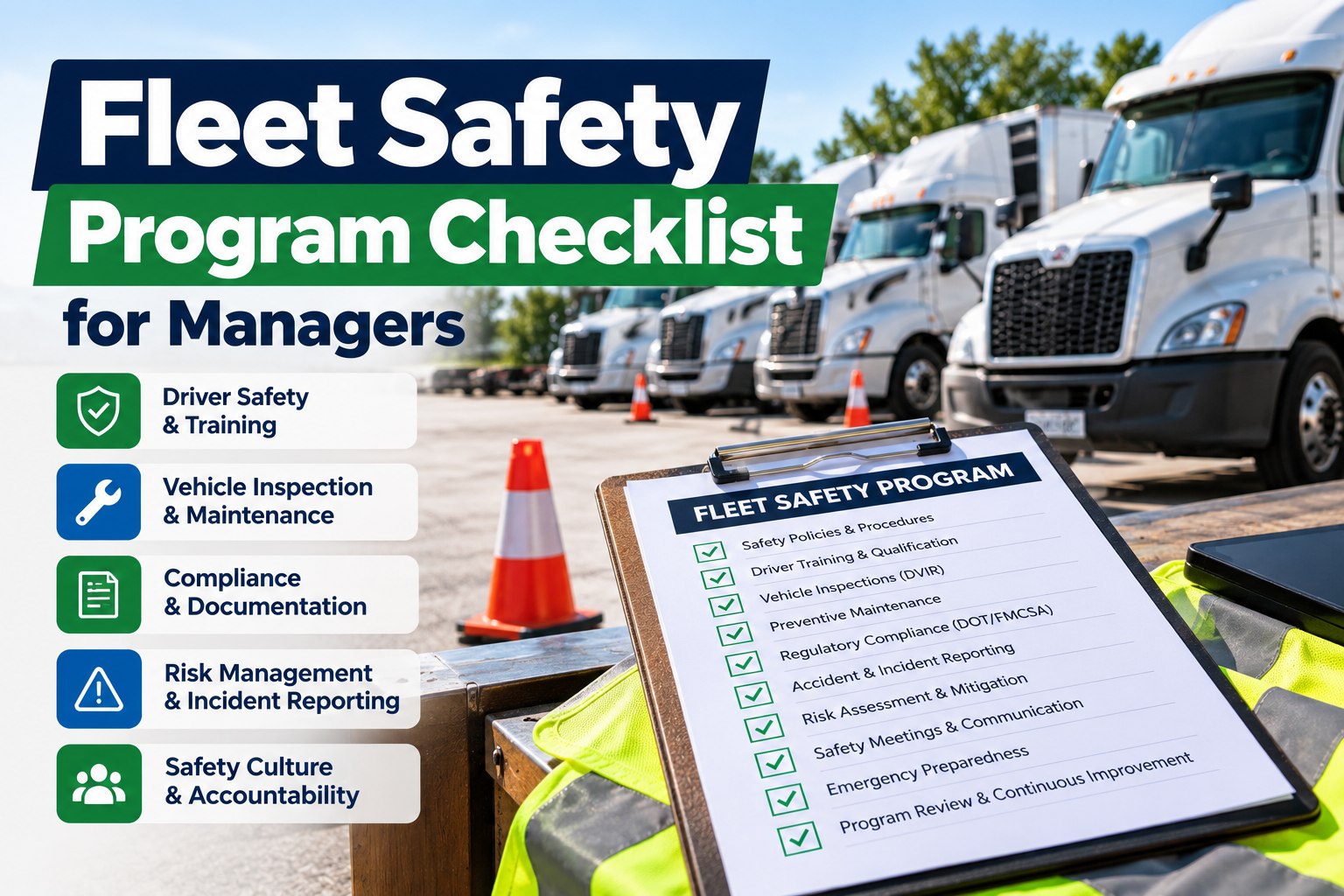
Tow trucks over 10,001 lbs GVWR are subject to FMCSA regulations. That means daily DVIRs, driver qualification files, hours of service compliance, and annual inspections. A DOT audit finding can cost $1,000-16,000 per violation — and serious violations can shut you down.
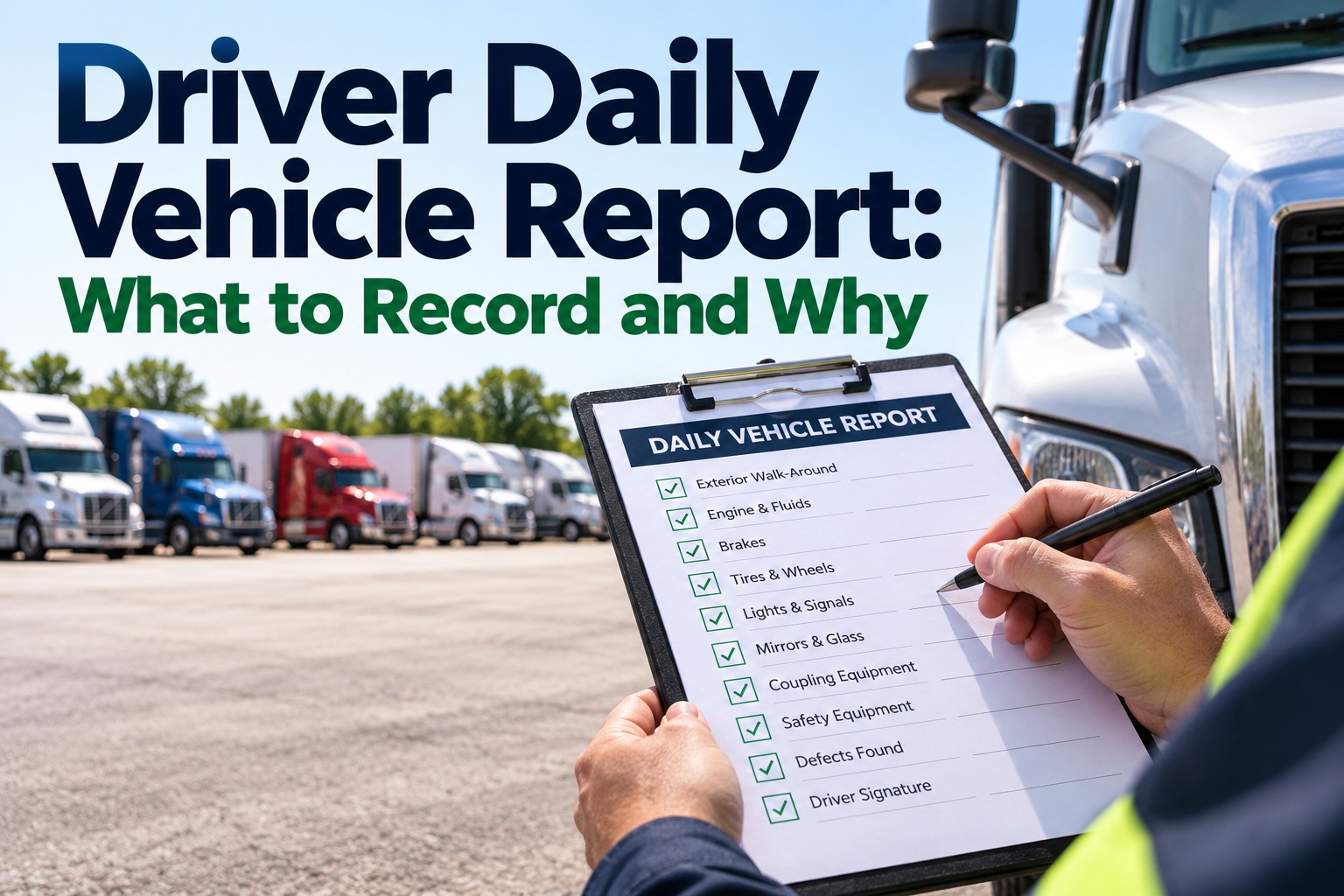
Pre-trip DVIR before first dispatch
Post-trip DVIR at end of shift
Driver signature on both
Mechanic sign-off on defect repairs
FleetRabbit automates all 4
Annual DOT inspection (all trucks)
Brake adjustment every 10,000 miles
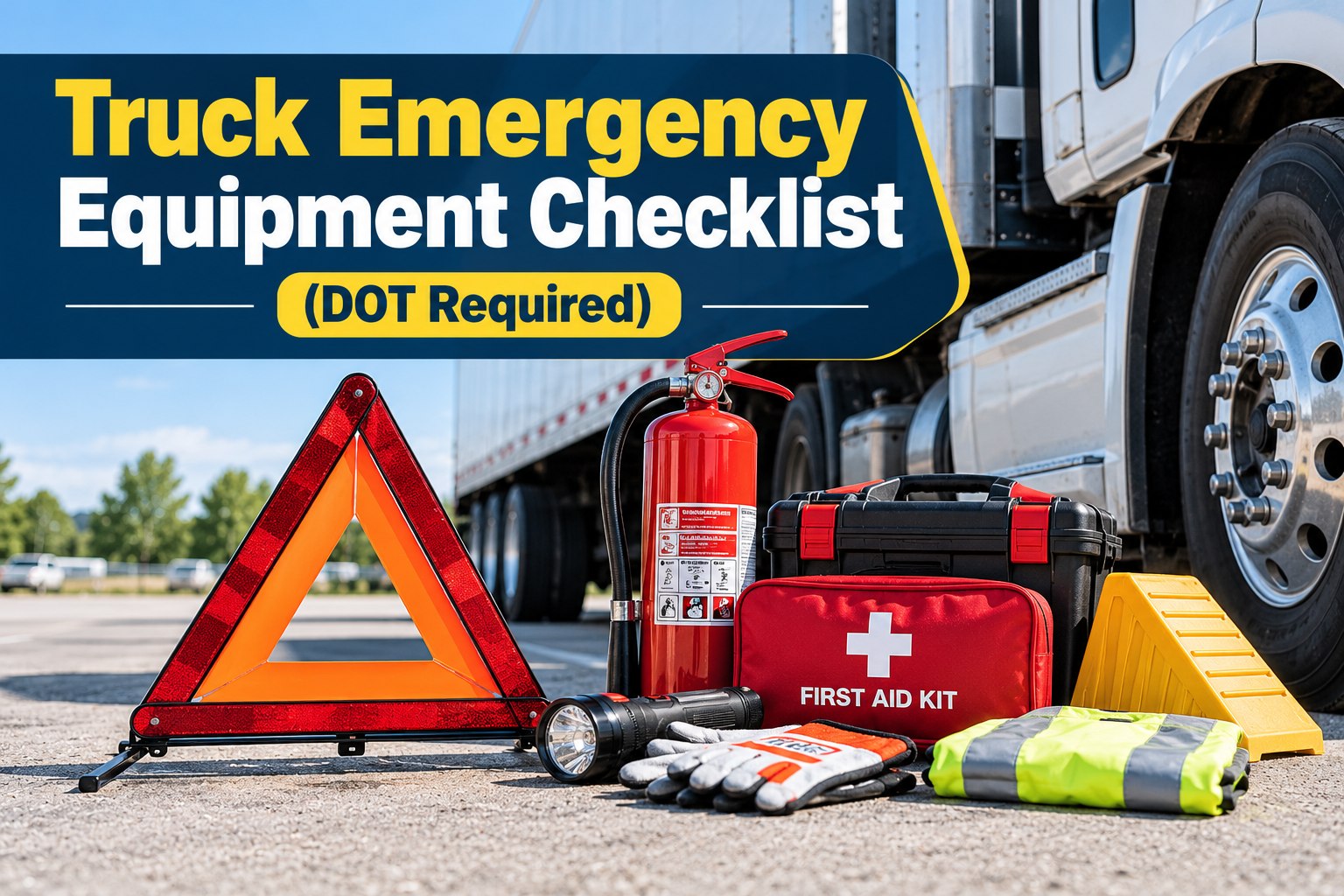
Fire extinguisher inspection (annual)
Reflective triangle check (monthly)
FleetRabbit tracks & alerts
Valid CDL (Class A/B for heavy)
Medical certificate on file
Drug testing records
Hours of service logs
Driver log tracking
Tow Truck Types: Maintenance Needs by Equipment Class
Not all tow trucks are created equal — and their maintenance requirements vary dramatically. A light-duty wheel lift servicing parking lots has completely different needs than a 75-ton rotator clearing semi rollovers. Understanding your fleet mix is critical to setting up proper maintenance schedules.
Typical uses: Parking enforcement, lockouts, jump starts, short-distance tows, small vehicle repos
Base chassis: Ford F-450, Ram 4500, Chevy 4500
Tow capacity: 4,000-7,000 lbs
Cost new: $65,000-95,000
Daily revenue potential: $300-500
Key maintenance items:
Wheel lift pivot points (grease weekly), hydraulic lines (inspect monthly), bed pivot bearings (6 months), stinger pins (check daily)
Typical uses: Luxury vehicle transport, AWD/4WD vehicles, accident recovery, equipment hauling, repo transport
Base chassis: Freightliner M2, Hino 268, Kenworth T270
Tow capacity: 8,000-14,000 lbs
Cost new: $95,000-150,000
Daily revenue potential: $400-700
Key maintenance items:
Bed tilt cylinders (250 cycle inspection), winch cable (500 cycles), bed rollers (monthly grease), tie-down track (inspect weekly)
Typical uses: Box trucks, RVs, delivery trucks, buses, multi-vehicle accidents, commercial repos
Base chassis: Peterbilt 337, Kenworth T370, Freightliner M2-106
Tow capacity: 16,000-25,000 lbs
Cost new: $180,000-280,000
Daily revenue potential: $600-1,000
Key maintenance items:
Boom pivot bushings (500 PTO hrs), hydraulic pump (1,500 PTO hrs), outrigger pads (monthly), winch brake (annual rebuild)
Typical uses: Semi tractors, loaded trailers, heavy equipment, bus recovery, large RVs
Base chassis: Peterbilt 389, Kenworth W900, Freightliner Cascadia
Tow capacity: 35,000-50,000 lbs
Cost new: $350,000-550,000
Daily revenue potential: $1,000-2,500
Key maintenance items:
Twin winch synchronization (250 PTO hrs), boom cables (400 cycle inspection), hydraulic reservoir (monthly level check), underlift forks (weekly pin inspection)
Typical uses: Overturned semis, heavy equipment recovery, crane work, load shifts, multi-vehicle pile-ups
Base chassis: Purpose-built (Century, Miller, Jerr-Dan)
Lift capacity: 35-75 tons
Cost new: $650,000-1,200,000
Daily revenue potential: $2,000-8,000+
Key maintenance items:
Rotation bearing (annual inspection), boom section pins (100 cycle check), outrigger cylinders (500 PTO hrs), main winch (300 cycle inspection), hydraulic filters (250 PTO hrs)
Real Fleet Scenarios: How Towing Companies Use FleetRabbit
Every towing operation is different. Here's how FleetRabbit solves problems for three common fleet profiles:
The situation: Family-owned towing company in suburban Texas. Mix of motor club work and private property towing. Owner/operator with 4 drivers. Struggles with tracking maintenance across mixed fleet (2 flatbeds, 2 wheel lifts, 1 medium-duty wrecker).
Before FleetRabbit:
Maintenance tracked on paper — things got missed
One flatbed went down for 3 days due to overlooked hydraulic leak
Couldn't prove response times to motor club dispute
$4,200 emergency repair that PM would have prevented
With FleetRabbit:
Digital DVIR catches hydraulic leak before failure
GPS breadcrumbs resolve motor club dispute in owner's favor
PM alerts ensure oil changes happen on schedule
Owner tracks fleet from phone while running calls himself
Result: Zero unplanned downtime in 8 months. Motor club contract renewed with praise.
The situation: Regional towing company in Ohio with dedicated repo division. 15 light/medium duty trucks for roadside, 8 repo units, 2 heavy wreckers. Fleet manager juggling maintenance, compliance, and driver coordination.
Before FleetRabbit:
DOT audit found 3 vehicles with expired annual inspections — $4,500 fines
Repo dispute lost due to missing GPS documentation — $12,000 settlement
Drivers skipping DVIRs — no way to enforce compliance
Fuel costs 15% higher than industry average
With FleetRabbit:
Automated alerts ensure DOT inspections never lapse
GPS breadcrumbs provide bulletproof repo documentation
Driver app requires DVIR completion before dispatch assignment
Geofencing reveals unauthorized after-hours use — fuel costs drop 11%
Result: Passed next DOT audit with zero violations. Two repo disputes resolved with GPS evidence.
The situation: Multi-location towing company across 3 states. Full range of equipment including 4 rotators. Dedicated fleet manager, maintenance shop, and 60+ drivers. Complex scheduling across day, night, and weekend shifts.
Before FleetRabbit:
Rotator downtime costing $8,000/week in lost revenue
No visibility into PTO hours — hydraulic failures increasing
Maintenance shop overwhelmed with reactive repairs
Parts inventory chaos — wrong parts ordered, delays on repairs
With FleetRabbit:
PTO-based PM schedules reduce rotator downtime 60%
Parts inventory linked to PM schedules — auto-reorder at thresholds
Maintenance shop shifts from 70% reactive to 70% preventive
Result: $127,000 annual savings from reduced downtime and optimized maintenance labor.
See How FleetRabbit Works for Your Fleet Size
Whether you have 3 trucks or 300, we'll show you exactly how FleetRabbit tracks maintenance, monitors PTO, and keeps your fleet compliant.
No credit card · No contracts · Free for up to 3 vehicles · Works with your existing telematics
Frequently Asked Questions
Does FleetRabbit replace my dispatch software?
+
No — FleetRabbit handles maintenance, compliance, and fleet tracking. It integrates with dispatch platforms like Towbook, Dispatch Anywhere, or TOPS. You get GPS visibility and maintenance tracking while keeping your existing dispatch workflow.
How does PTO tracking work?
+
FleetRabbit connects to your telematics device to track PTO engagement hours separately from engine hours. You set service intervals based on PTO time — so hydraulic service happens based on actual towing activity, not arbitrary mileage thresholds. This is critical for tow trucks because PTO components wear based on use, not miles driven.
What size towing company needs fleet software?
+
Even a 3-truck operation benefits from digital DVIR and maintenance tracking. As you grow past 10 trucks, the efficiency gains multiply — you can't manage PM schedules, compliance, and parts inventory manually at scale. FleetRabbit is free for up to 3 vehicles, so there's no cost barrier to getting started.
Can I track recovery documentation for repo work?
+
Yes. GPS breadcrumb trails prove exactly where your truck was and when. Combined with
dispatch records and driver logs, you have complete documentation for any lender disputes or legal challenges. This documentation has helped our customers avoid or win numerous repo disputes.
Does FleetRabbit work with my existing telematics?
+
FleetRabbit integrates with 50+ telematics providers including Samsara, Geotab, GPS Trackit, Motive (KeepTruckin), Verizon Connect, and many others. If you already have GPS devices installed, FleetRabbit can pull that data — no new hardware required. We're constantly adding new integrations based on customer requests.
How does FleetRabbit help with DOT compliance?
+
FleetRabbit automates DVIR (Driver Vehicle Inspection Reports), tracks annual DOT inspections, monitors driver qualifications, and maintains a complete audit trail. When DOT audits happen, you have instant access to all required documentation. The system alerts you before any compliance deadline lapses — no more surprise violations.
Can I track winch cycles and boom operations?
+
Yes — FleetRabbit lets you create custom maintenance triggers based on any metric your telematics can provide. If your devices track PTO engagement, you can set up service alerts based on PTO hours or estimated cycle counts. This is how smart towing companies catch winch cable wear and hydraulic issues before they cause failures.
What's the difference between FleetRabbit and general fleet software?
+
General fleet software tracks miles and engine hours. Tow trucks need more — PTO hours, winch cycles, hydraulic usage, boom operations. FleetRabbit lets you set maintenance intervals based on actual equipment usage, not just odometer readings. Plus, we understand towing-specific needs like repo documentation, impound tracking, and motor club compliance.
How long does setup take?
+
Most towing companies are up and running in 1-2 days. If you already have telematics installed, we connect to your provider and start pulling data immediately. You add your trucks, set up maintenance schedules (we have towing-specific templates), and invite your drivers. Our team helps with setup at no extra cost.
What if a driver doesn't complete their DVIR?
+
FleetRabbit can be configured to require DVIR completion before a truck shows as "available" in your dispatch system. Drivers complete inspections on their phone in 2-3 minutes. You get notifications if DVIRs are skipped or overdue. Defects flag automatically and can generate work orders for your shop.
Ready to Optimize Your Tow Fleet?
See how FleetRabbit tracks maintenance, monitors PTO usage, and keeps your trucks road-ready. Free demo with your real fleet data.
No credit card · No contracts · Free for up to 3 vehicles · Works with your existing telematics
April 21, 2026By James Henderson
All Blogs